I highly recommend these guys. (Bob/Christian)They came right on time and were extremely neat and professional. They did a great job at a reasonable price.
Tommy Glenn
I have been using Bobby and Sherwood for years. I highly recommend them. They did chimney repair and chimney sweep. Great work, great guys.
Ingrid V.
Highly recommend Ageless chimney. They were polite, professional and got the job done in one day, left my property as clean as they found it. Very happy!
Brian Nolin
Outstanding work, great service, and extremely reliable!!
Professional Fireplace Cleaning Services
What Clean Fireplaces Actually Give You
You light a fire and it burns clean. No smoke rolling into your living room. No strange smells that make you wonder what’s wrong.
Your fireplace draws properly because the flue is clear. The damper opens and closes like it should. You get the heat you’re paying for instead of watching it disappear up a clogged chimney.
Most importantly, you’re not lying awake wondering if that creosote buildup is going to catch fire. Professional fireplace cleaning removes the dangerous stuff that accumulates over time – the tar-like creosote, the animal debris, the leaves and twigs that block proper airflow. When we’re done, your fireplace works the way it’s supposed to work.
We’ve been cleaning fireplaces and chimneys throughout Malverne and Long Island for years. We’re not the guys who show up with a shop vacuum and call it done.
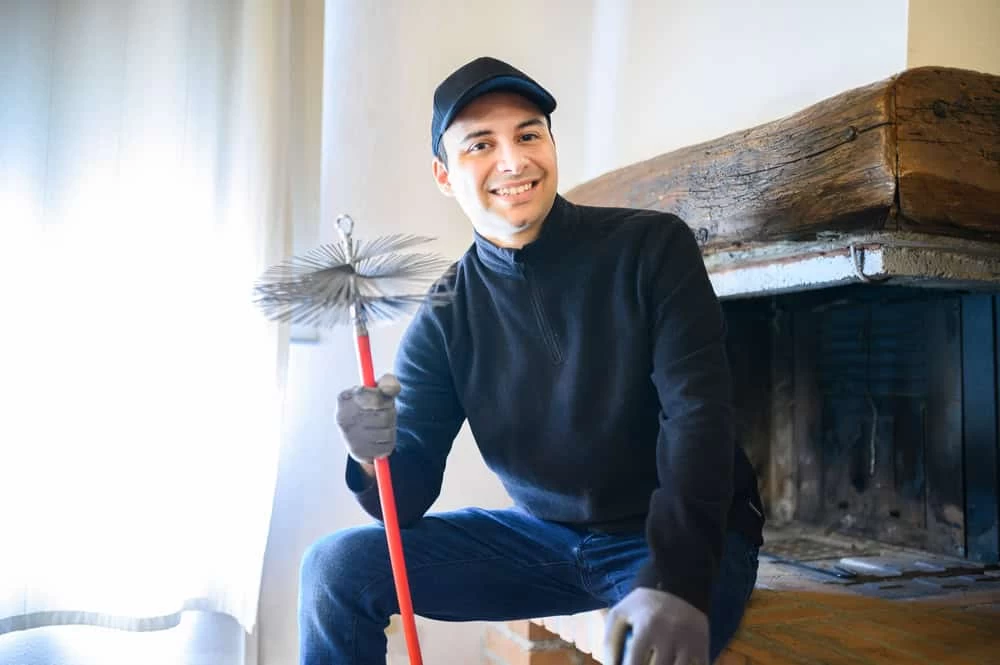
Our technicians are certified and trained to handle both gas and wood-burning fireplaces safely. We use professional-grade equipment designed specifically for fireplace and chimney cleaning – not improvised tools that might damage your system.
We’ve seen what happens when fireplace cleaning gets skipped or done incorrectly. That’s why we take the time to do it right the first time.
First, we protect your home. Drop cloths go down, furniture gets covered, and we set up our equipment to contain the mess. No soot tracked through your house.
Then we inspect everything before we start cleaning. The flue, the damper, the firebox, the chimney cap. We need to know what we’re working with and identify any issues that need attention.
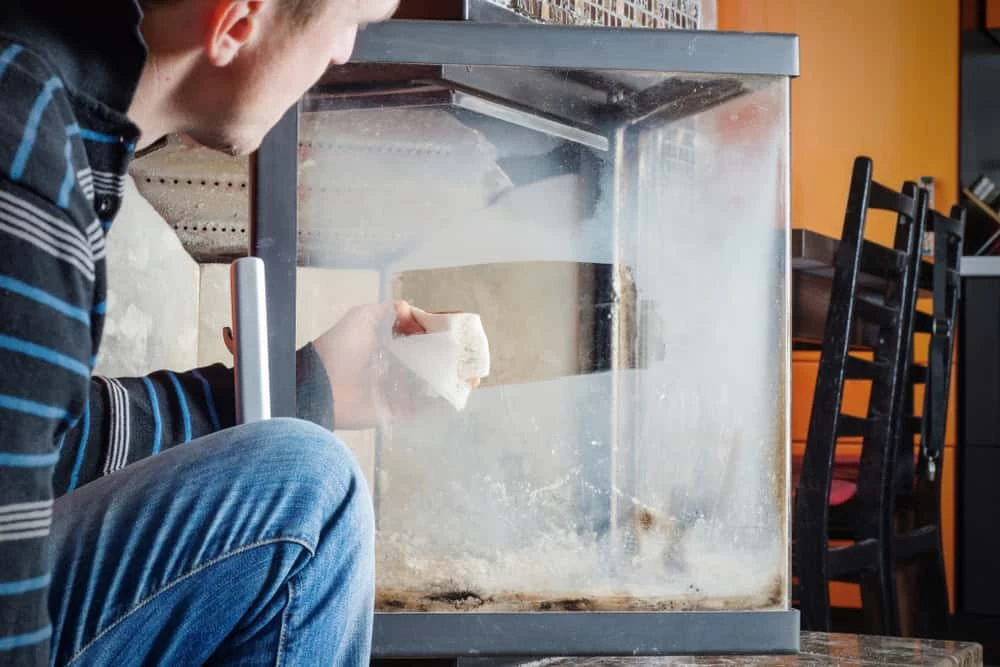
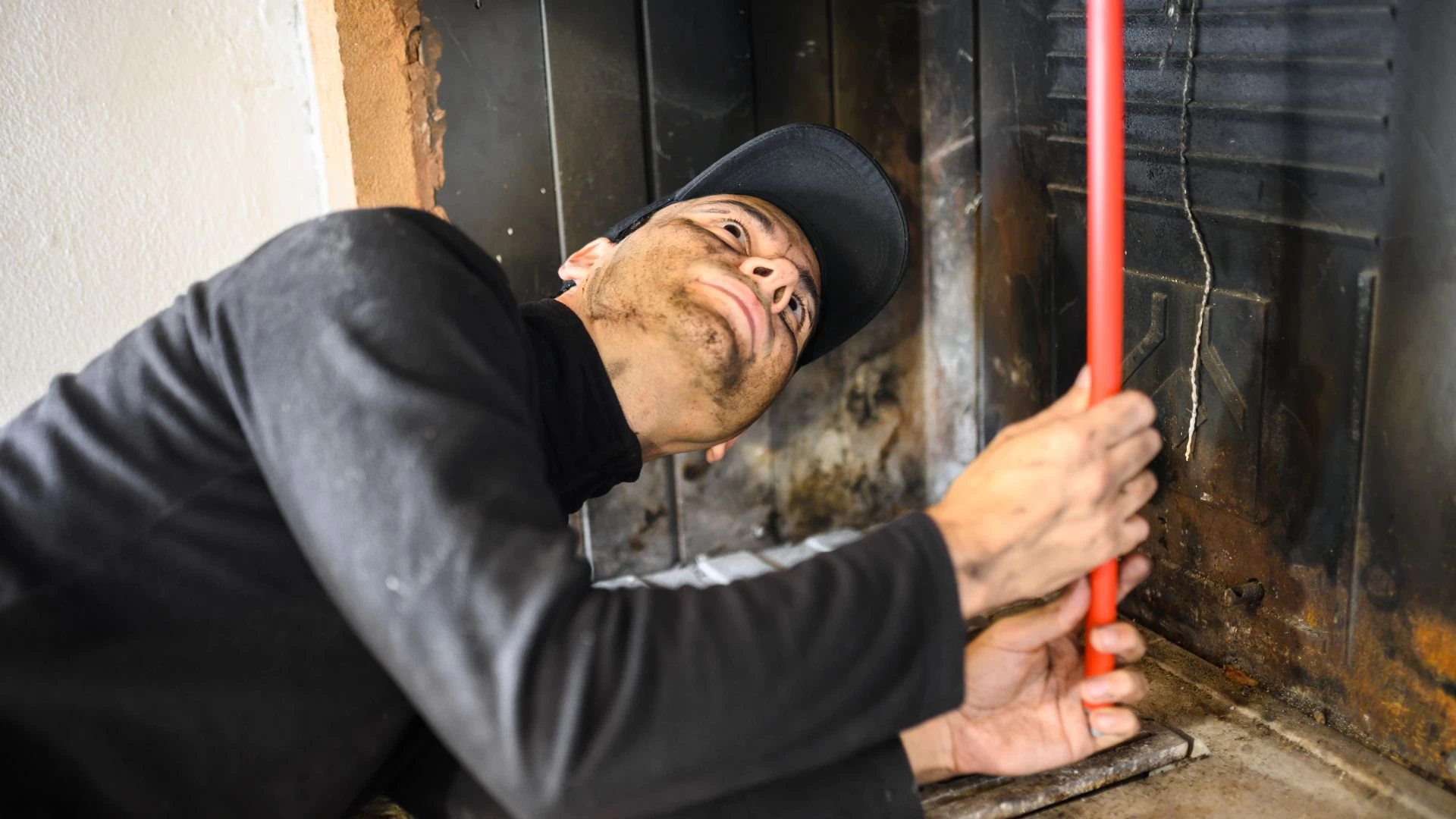
The actual cleaning involves removing all the creosote, soot, and debris from your fireplace and flue system. We use specialized brushes and vacuum systems that capture everything instead of blowing it around your house. For gas fireplaces, we clean the burner assembly, check the gas connections, and ensure proper ventilation.
Finally, we test everything to make sure it’s working correctly. The damper should open and close smoothly. The flue should draw properly. You should be able to use your fireplace safely the same day.
Every fireplace cleaning includes complete removal of creosote, soot, and debris from the entire system. We clean the firebox, smoke chamber, flue liner, and damper assembly. The chimney cap and spark arrestor get cleaned too.
For wood-burning fireplaces, we pay special attention to creosote removal since that’s your biggest fire hazard. Gas fireplaces get their burner systems cleaned and inspected for proper operation and safety.
We also check for common problems while we’re working – damaged flue liners, rusted dampers, blocked airways, or animal intrusions. In Malverne’s climate, these issues develop over time and catching them early saves you money. You’ll know exactly what condition your fireplace is in when we’re done, not just that it’s clean.
How often should I have my fireplace professionally cleaned?
Most wood-burning fireplaces need professional cleaning annually, especially if you use them regularly during Long Island’s colder months. Gas fireplaces typically need cleaning every 2-3 years, but this depends on usage and local conditions. If you burn more than a cord of wood per season, you might need cleaning twice a year. The key indicator is creosote buildup – when it reaches 1/8 inch thick, it’s time for cleaning regardless of timing. Regular cleaning prevents the dangerous tar-like buildup that causes chimney fires and keeps your fireplace operating efficiently.
What's the difference between cleaning gas and wood fireplaces?
Wood-burning fireplaces create creosote, soot, and ash that must be completely removed from the entire flue system. This involves heavy-duty brushing and specialized vacuum equipment to handle the sticky, tar-like residue. Gas fireplaces don’t produce creosote, but they do accumulate dust, spider webs, and debris in the burner assembly and venting system. Gas fireplace cleaning focuses on the burner ports, control compartment, and ensuring proper gas flow and ventilation. Both types need the flue and damper cleaned, but wood fireplaces require more intensive cleaning due to the combustion byproducts they create.
Will fireplace cleaning make a mess in my house?
Not when it’s done properly. Professional fireplace cleaning should never leave soot or debris in your living space. We use drop cloths, plastic sheeting, and specialized vacuum systems designed to contain everything during the cleaning process. The key is sealing off the fireplace opening and using negative pressure to pull debris up and out rather than letting it blow into your room. DIY cleaning often creates a huge mess because people don’t have the right equipment or containment systems. When we’re finished, you shouldn’t even know we were there except for your clean fireplace.
Can I clean my own fireplace to save money?
You can remove ashes and basic debris yourself, but thorough creosote removal requires professional equipment and training. Creosote is highly flammable and sticks to flue walls like tar – it won’t come off with household tools. Professional cleaning also involves inspecting areas you can’t see or reach safely, like the upper flue and chimney cap. Most importantly, improper cleaning can actually create safety hazards by loosening debris that blocks the flue or damaging the flue liner. The cost of professional cleaning is minimal compared to the risk of chimney fires or carbon monoxide issues from incomplete cleaning.
How do I know if my fireplace needs cleaning?
White staining on the outside of your chimney, strong odors from the fireplace when it’s not in use, and smoke entering your room instead of going up the flue are clear signs you need cleaning. You might also notice reduced draft, animals or birds in the chimney, or rust on the damper or firebox. For wood-burning fireplaces, if you can see thick, dark buildup on the flue walls with a flashlight, that’s creosote and it needs professional removal. Gas fireplaces that have yellow flames instead of blue, or flames that seem weak or irregular, often need cleaning to restore proper air flow and gas mixture.
What happens if I skip regular fireplace cleaning?
Creosote buildup in wood-burning fireplaces creates serious fire hazards – it’s highly flammable and burns extremely hot, potentially cracking your flue liner or spreading fire to your home’s structure. Blocked flues can cause carbon monoxide to enter your living space instead of venting outside. You’ll also notice decreased efficiency as buildup restricts airflow, meaning less heat and more smoke problems. Over time, the corrosive byproducts of combustion damage your fireplace components, leading to expensive repairs. Many homeowner’s insurance policies require regular maintenance, so skipping cleaning could affect coverage if problems develop.