Fireplace Cleaning in Little Italy, NY

Clean Fireplaces That Actually Work Right

Professional fireplace cleaning that removes dangerous buildup and gets your fireplace ready for safe use.

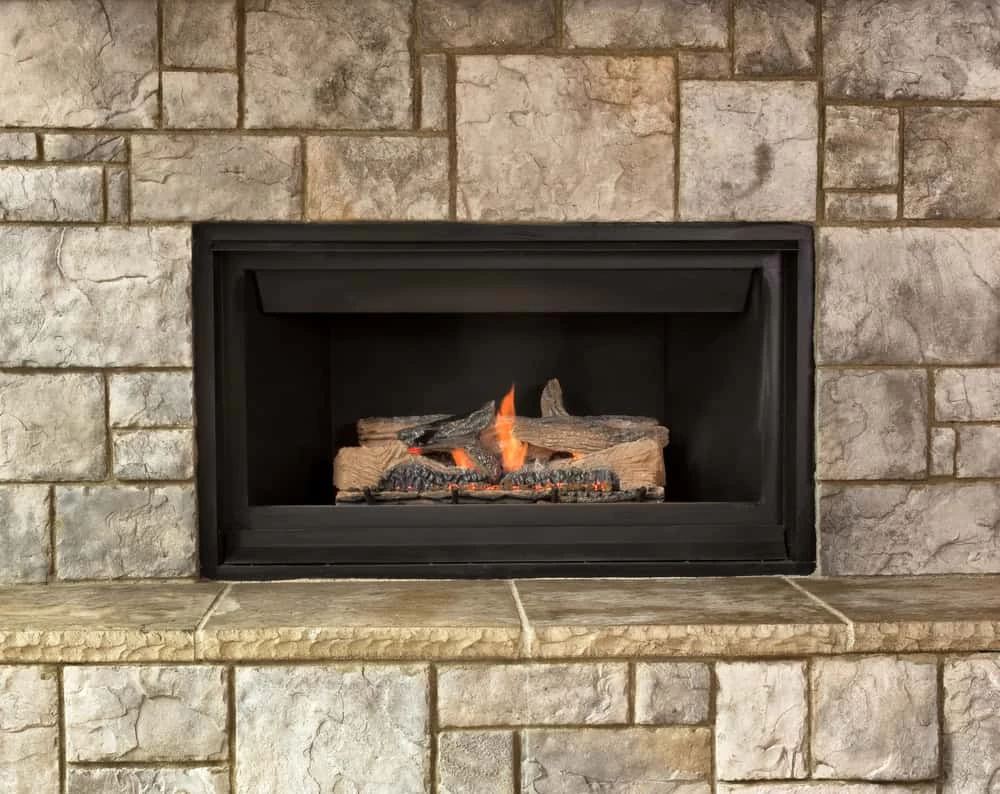
A stone fireplace with a modern black frame, featuring burning logs and small, bright orange flames. The stonework has a rustic appearance, with varied shapes and sizes, creating a cozy and warm atmosphere.

What our clients say

Bill S
Bill S
I highly recommend these guys. (Bob/Christian)They came right on time and were extremely neat and professional. They did a great job at a reasonable price.
Tommy Glenn
Tommy Glenn
I have been using Bobby and Sherwood for years. I highly recommend them. They did chimney repair and chimney sweep. Great work, great guys.
Ingrid V.
Ingrid V.
Highly recommend Ageless chimney. They were polite, professional and got the job done in one day, left my property as clean as they found it. Very happy!
Brian Nolin
Brian Nolin
Outstanding work, great service, and extremely reliable!!
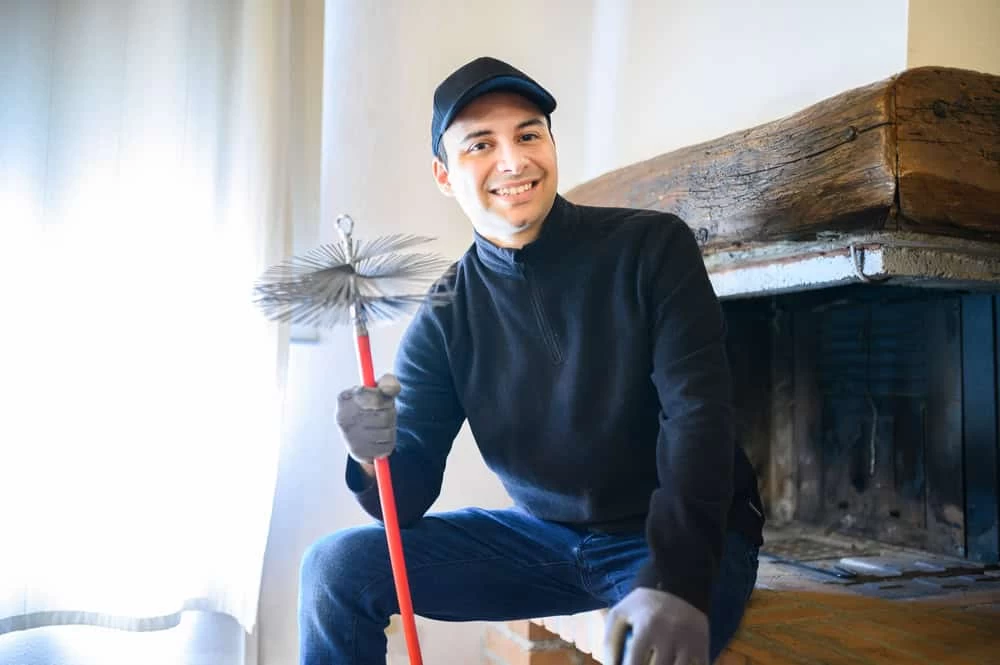
A person in a black cap and sweater smiles while holding a chimney cleaning brush. They are seated next to a rustic fireplace with exposed wood and brick. Soft daylight filters through a nearby window.

Professional Fireplace Cleaning Services

What You Get With Proper Cleaning

Your fireplace works the way it should. No more smoke backing up into your room because the flue is clogged with soot and debris. No more wondering if that smell is normal or if something’s wrong.

Clean fireplaces burn cleaner and safer. You’re not dealing with creosote buildup that could catch fire, or carbon monoxide risks from blocked airways. The whole system works efficiently, which means better heat output and fewer problems down the road.

You also get peace of mind. When your fireplace is professionally cleaned, you know it’s been done right. You can use it without worrying about safety issues or damage to your home.

Certified Fireplace Cleaners Little Italy

We Know Little Italy Fireplaces

Ageless Chimney has been cleaning fireplaces in Little Italy for years. We understand the unique challenges of older NYC buildings and the specific needs of both gas and wood-burning fireplaces common in this neighborhood.

We’re fully licensed and insured, with certified technicians who know how to handle everything from routine maintenance to heavy soot removal. We’ve seen it all in Little Italy’s historic buildings and know how to get the job done safely and thoroughly.

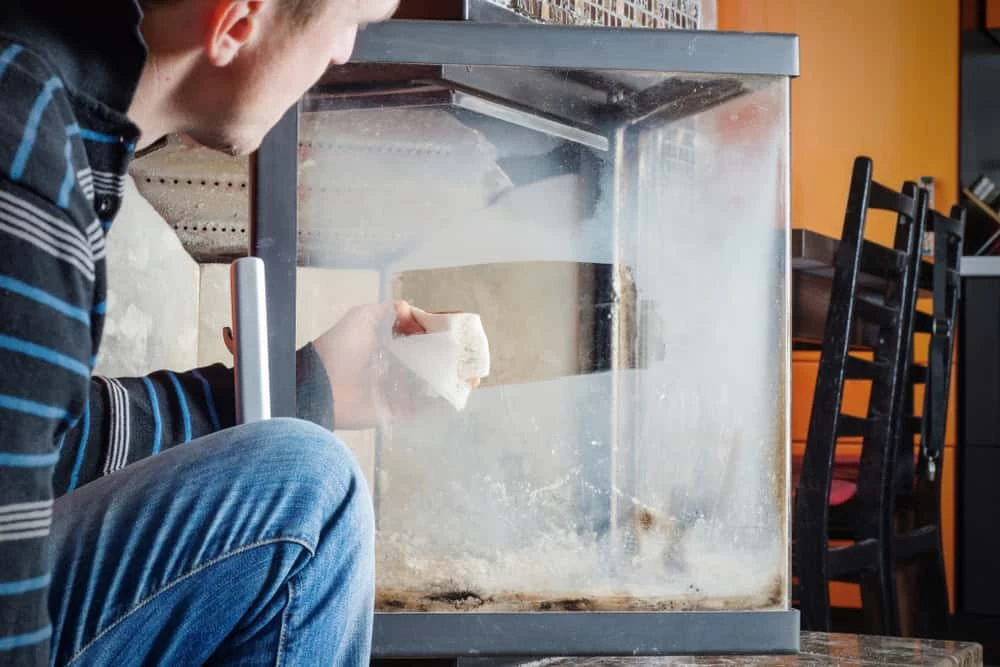
A person in a striped sweater is cleaning the glass of a fish tank using a white cloth while kneeling on the floor. The room has an orange wall and dark chairs in the background.

Fireplace Cleaning Process

Here's How We Clean Your Fireplace

First, we protect your home with drop cloths and plastic sheeting. No one wants soot tracked through their living room. Then we inspect the entire fireplace system to identify any issues before starting the cleaning process.

The actual cleaning involves removing all debris, scrubbing away soot and creosote buildup, and clearing the flue of any obstructions. For gas fireplaces, we clean the burner assembly and check all connections. Wood fireplaces get a thorough scrubbing of the firebox and damper area.

Finally, we test the system to make sure everything works properly. You get a clean fireplace that’s ready to use safely, plus information about what we found and any recommendations for future maintenance.

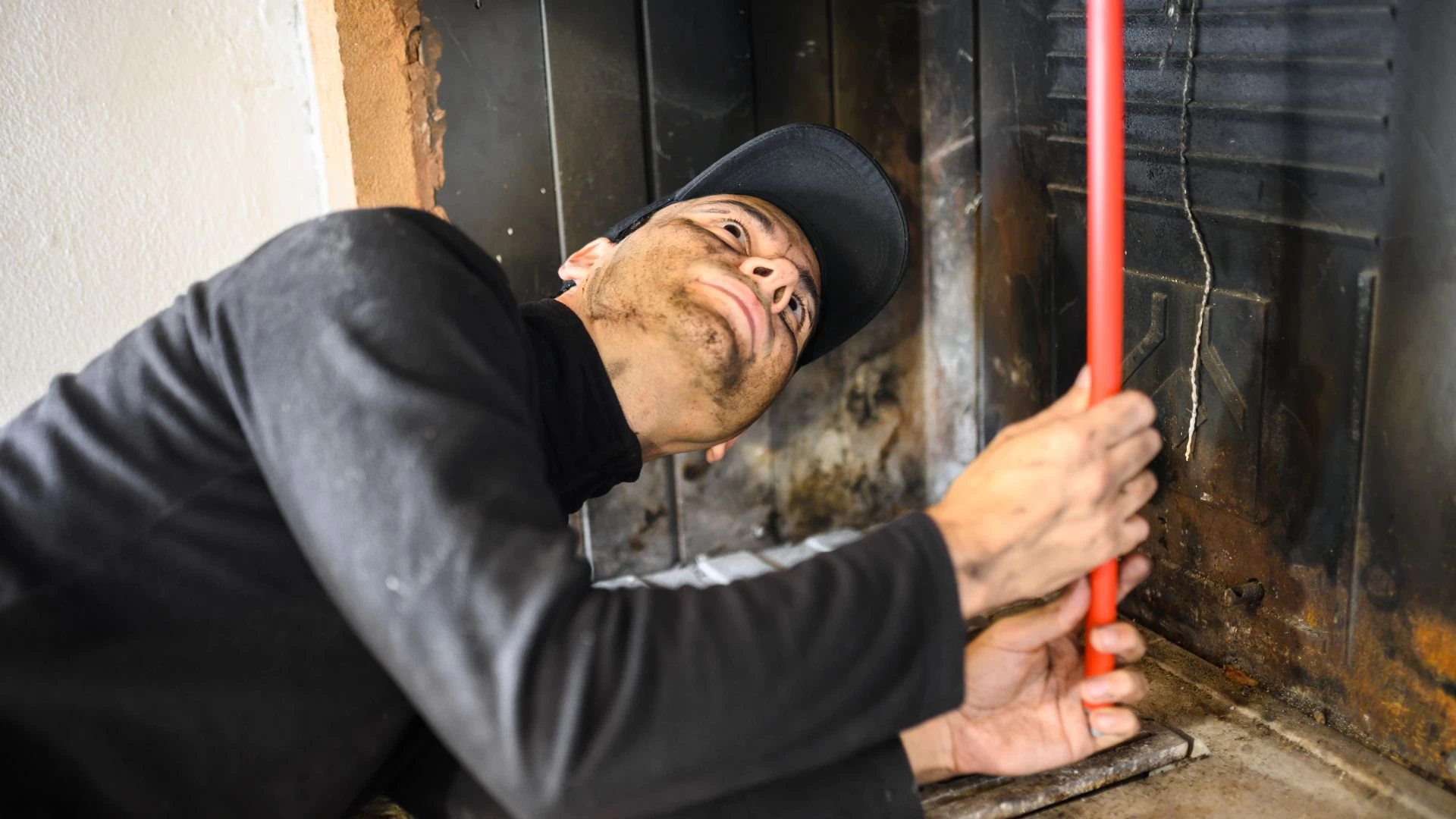
Person performing fireplace cleaning with a red brush inside a chimney. Their face and hands are smudged with soot, indicating they've been working.

Ready to get started?

Explore More Services

About Ageless Chimney

Get a Free Consultation

Complete Fireplace Cleaning Service

What's Included In Every Cleaning

Every fireplace cleaning includes a complete inspection, removal of all debris and buildup, thorough cleaning of the firebox and flue, and testing to ensure proper operation. Both gas and wood fireplace cleaning are handled with the appropriate techniques and tools for each type.

The service covers soot removal, creosote cleaning, damper inspection and cleaning, and flue clearing. For gas fireplaces, this includes burner cleaning and safety checks. Wood fireplaces get extra attention on creosote removal and airflow testing.

You also get a clear explanation of what was found during the cleaning and any recommendations for maintenance or repairs. No surprises, no upselling – just honest information about your fireplace’s condition.

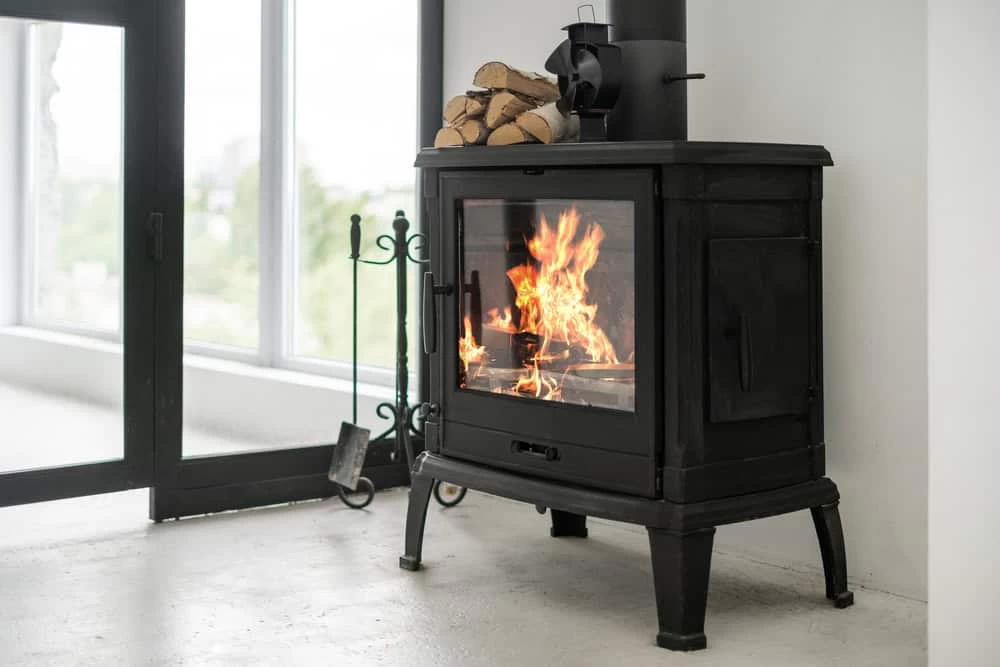
A black wood-burning stove with a glass door, showing a bright, orange fire inside. A stack of firewood is on top of the stove, and a set of fireplace tools is nearby. Large windows in the background let in natural light.

How often should I have my fireplace professionally cleaned?

Most fireplaces should be cleaned annually, but it depends on how much you use yours. If you burn fires regularly throughout the winter, once a year is standard. Light users might get away with every other year, but annual cleaning is still recommended for safety. Gas fireplaces need less frequent cleaning than wood-burning ones, but they still accumulate dust and debris that affects performance. The best approach is to have it inspected annually and cleaned when needed. This prevents small problems from becoming expensive repairs and keeps your fireplace safe to use.
Fireplace cleaning focuses on the firebox, damper, and immediate flue area where you actually burn fires. Chimney cleaning covers the entire vertical structure from your fireplace to the roof. Think of fireplace cleaning as maintaining the part you see and use directly. This includes removing soot from the firebox walls, cleaning the damper mechanism, and clearing debris from the lower flue. Chimney cleaning involves the full height of the flue, the crown, cap, and exterior structure. Many homes need both services, but fireplace cleaning is often more frequent since that’s where buildup happens fastest.
You can handle basic maintenance like removing ashes and debris, but thorough cleaning requires professional equipment and knowledge. Creosote removal, flue cleaning, and safety inspections need specialized tools and training. DIY cleaning often misses dangerous buildup in hard-to-reach areas and can actually create safety hazards if done incorrectly. Professional cleaners know what to look for, have the right equipment, and understand how different fireplace types should be maintained. The cost of professional cleaning is minimal compared to the risk of fire damage or carbon monoxide poisoning from improper maintenance.
Most fireplace cleanings take 1-2 hours depending on the condition and type of fireplace. Gas fireplaces are usually quicker since there’s no creosote buildup to remove. Wood-burning fireplaces that haven’t been cleaned in years might take longer. The process includes setup, inspection, cleaning, testing, and cleanup. Heavy soot buildup or accessibility issues in older Little Italy buildings can add time. We work efficiently but won’t rush through safety checks or thorough cleaning. You’ll know exactly what to expect when we assess your specific fireplace.
Dirty fireplaces become fire hazards and health risks. Creosote buildup in wood-burning fireplaces can ignite, causing chimney fires that spread to your home. Blocked flues cause smoke and carbon monoxide to back up into your living space instead of venting outside. Soot and debris reduce efficiency, making your fireplace work harder and heat less effectively. Over time, neglected maintenance leads to expensive repairs like damper replacement or flue relining. Insurance companies may also deny claims for fire damage if you can’t prove regular maintenance. Regular cleaning prevents these problems and keeps your fireplace safe to use.
Gas fireplaces need less frequent cleaning than wood-burning ones, but they still require regular maintenance. They don’t produce creosote, but they accumulate dust, pet hair, and debris that affects performance and safety. The burner assembly needs periodic cleaning to maintain proper flame patterns and efficiency. Gas connections and safety systems should be inspected regularly. Neglected gas fireplaces can develop carbon monoxide issues or inefficient burning that wastes energy. Most gas fireplaces should be cleaned every 2-3 years or when you notice performance issues like weak flames or unusual odors. Professional cleaning ensures safe operation and optimal performance.

Other Services