Don’t let fireplace troubles dampen your spirits. Ageless Chimney provides expert repair services in Little Syria, NY, to keep your home warm and cozy.
I highly recommend these guys. (Bob/Christian)They came right on time and were extremely neat and professional. They did a great job at a reasonable price.
Tommy Glenn
I have been using Bobby and Sherwood for years. I highly recommend them. They did chimney repair and chimney sweep. Great work, great guys.
Ingrid V.
Highly recommend Ageless chimney. They were polite, professional and got the job done in one day, left my property as clean as they found it. Very happy!
Brian Nolin
Outstanding work, great service, and extremely reliable!!
Fireplace Repair Near Me in Little Syria
Reasons to Choose Ageless Chimney
Enjoy peace of mind knowing your fireplace is safe and hazard-free.
Experience optimal heating efficiency, saving on energy costs.
Extend the lifespan of your fireplace with our meticulous repairs.
Improve your home’s ambiance with a beautifully functioning fireplace.
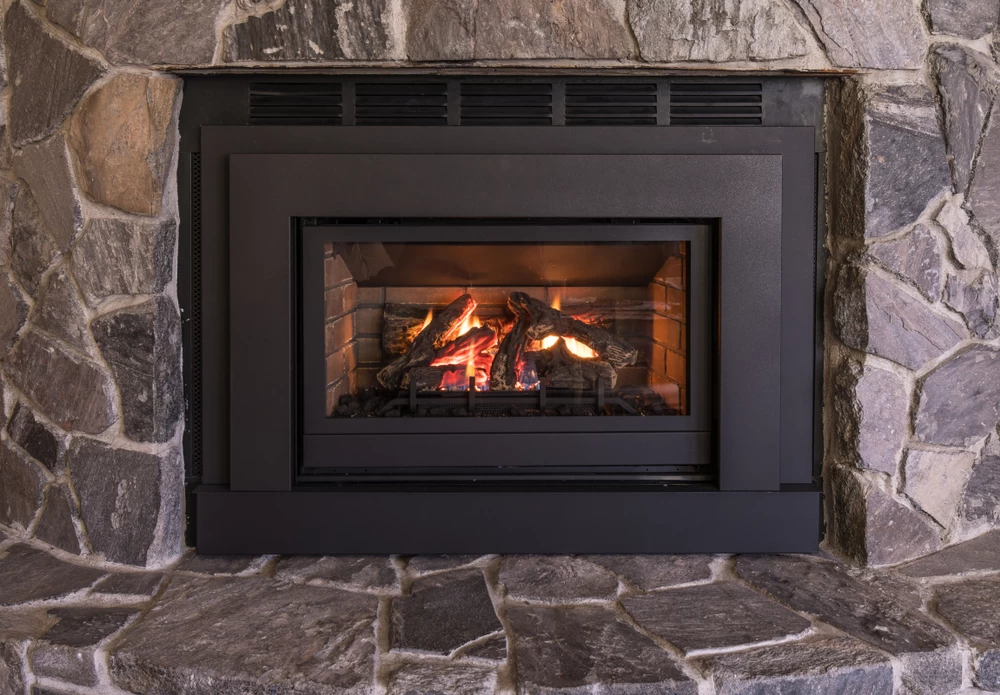
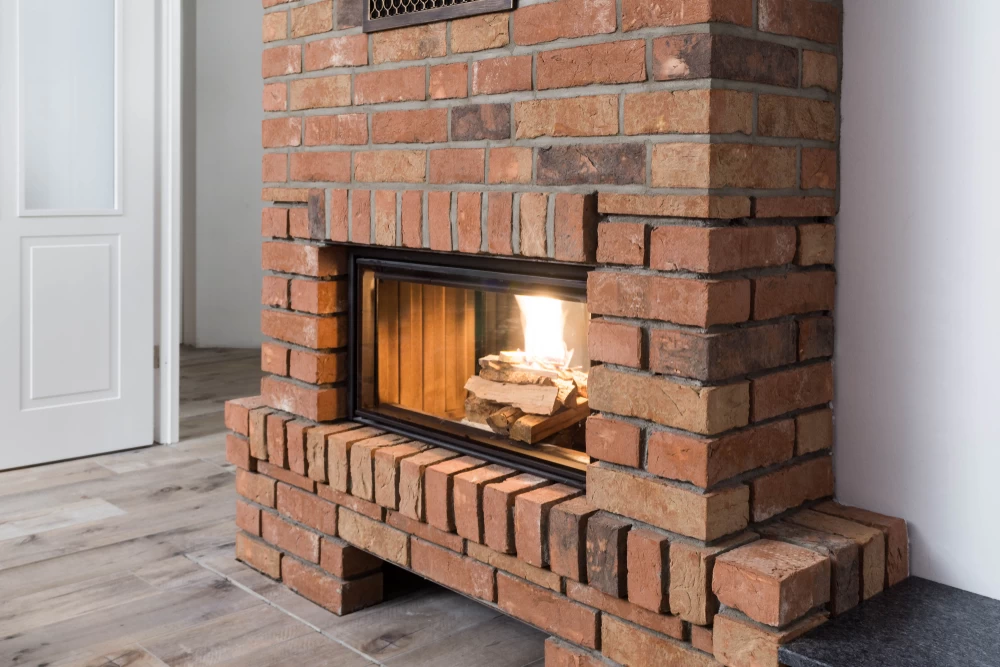
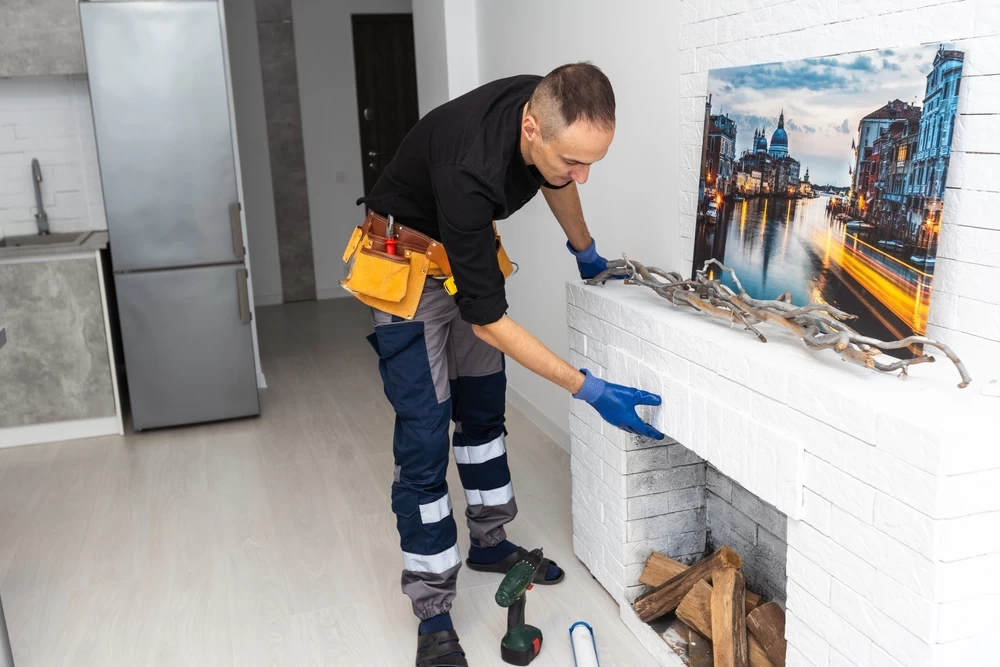
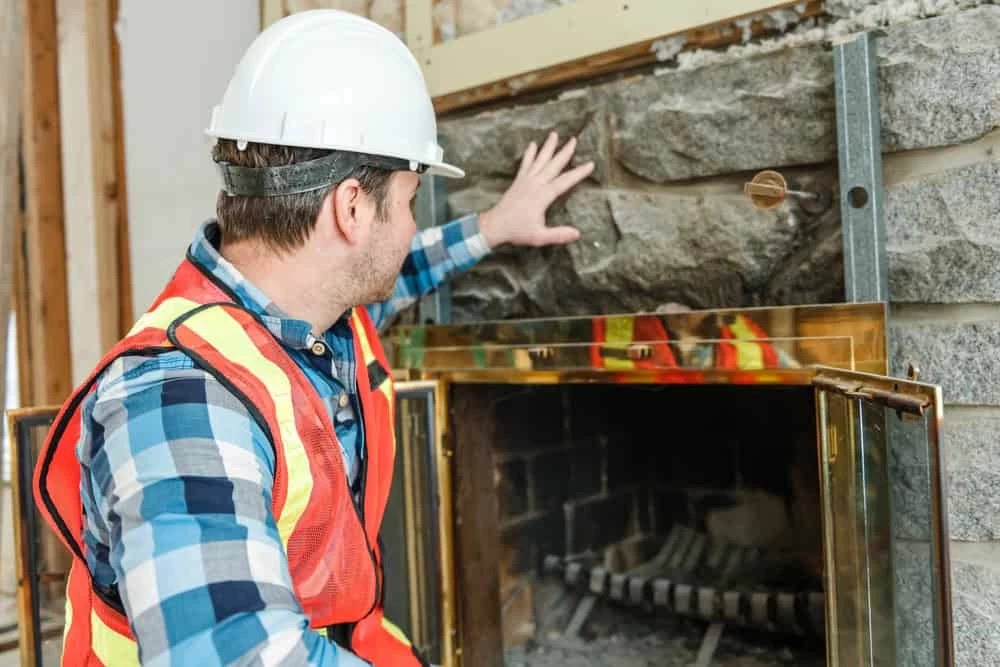
Ageless Chimney is your trusted partner for fireplace repair in New York City. We understand the importance of a well-functioning fireplace, not just for warmth but also for safety and aesthetics. Our team of skilled technicians is adept at diagnosing and resolving a wide range of fireplace issues, from pilot light malfunctions to creosote buildup. We use specialized tools and techniques to make sure your fireplace is restored to its optimal condition.
Fireplaces, like any other home appliance, can experience wear and tear. Common issues include difficulty lighting the pilot light, creosote buildup, chimney obstructions, and cracks in the firebrick. Ignoring these problems can lead to safety hazards and decreased efficiency. At Ageless Chimney, we have the expertise to address these and other issues; moreover, your fireplace is safe, efficient, and aesthetically pleasing. Contact us at 516-795-1313 to schedule a consultation.
The earliest Syrians migrants to arrive in the United States were nearly all men, who came as Presbyterian seminarians between the 1830s and 1880s. Many were converts as a result of the American Protestant mission in Syria and only remained in the U.S. for a few years to complete their studies before returning home. The first wave of permanent Syrian immigrants arrived in Manhattan through the Castle Garden landing docks and registration depot by the start of the 1880s. These were mostly rural Christian merchants from the Mount Lebanon area in Ottoman Syria. The majority of these Christians belonged to the Melkite, Maronite, and Eastern Orthodox denominations, with a few Protestants, who had fled Greater Syria due to religious persecution and poverty following the French intervention after the 1860 Syrian Civil War. During this conflict between the Arab Christian and Druze populations, many militias ended up killing several thousands civilians across the Mount Lebanon area and Damascus. In addition, disruptions to the local silk trade caused by the influx of international competition following the opening of the Suez Canal in 1869 lead many merchants to leave for port cities across Africa, Latin America, and North America, with Manhattan being one. It is estimated that only 5-10% of the area’s Arab residents were Muslims, mostly coming from the area around present day Palestine. This included a minority of Druze, which although a distinct ethnoreligious community in the Levant, are often counted as Muslim.
In New York City many immigrants worked as pack peddlers. They would often carry forty to eighty pounds of notions, which they would sell uptown during the day and further afield in upstate New York during the summer. Other peddlers sold luxury goods and religious objects such as damask cloth, embroideries, rosaries and crosses made from olive wood from the Holy Land. In order to maintain this constant flow of these goods many Syrians also started import-export businesses in order to sell directly to these peddlers. Many women worked as peddlers as well, mainly selling sundry goods, however they also labored as seamstresses, mill workers, factory workers, and entrepreneurs in their own right. Marie el-Khoury, a prominent jewelry designer, was one of the most successful Syrian-born business owners in the city. Originally trained as a jeweler under her father, she moved the business from its original location on the boardwalk in Atlantic City, New Jersey to Manhattan after his death.
The Christians in the neighborhood mainly lived on Washington Street, to the south of the site of the World Trade Center, where they established three churches, including St. Nicolas Syrian Orthodox congregation and St. George Chapel of the Melkite Rite, which as of 2010 survives as Moran’s Ale House and Grill, and which was designated a New York City Landmark in 2009.