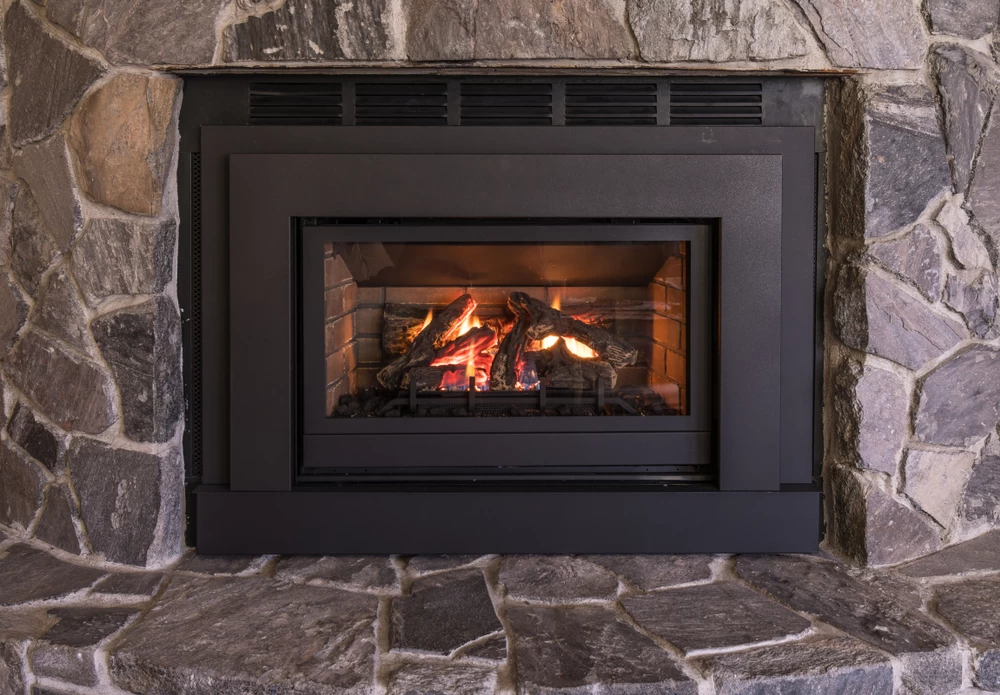
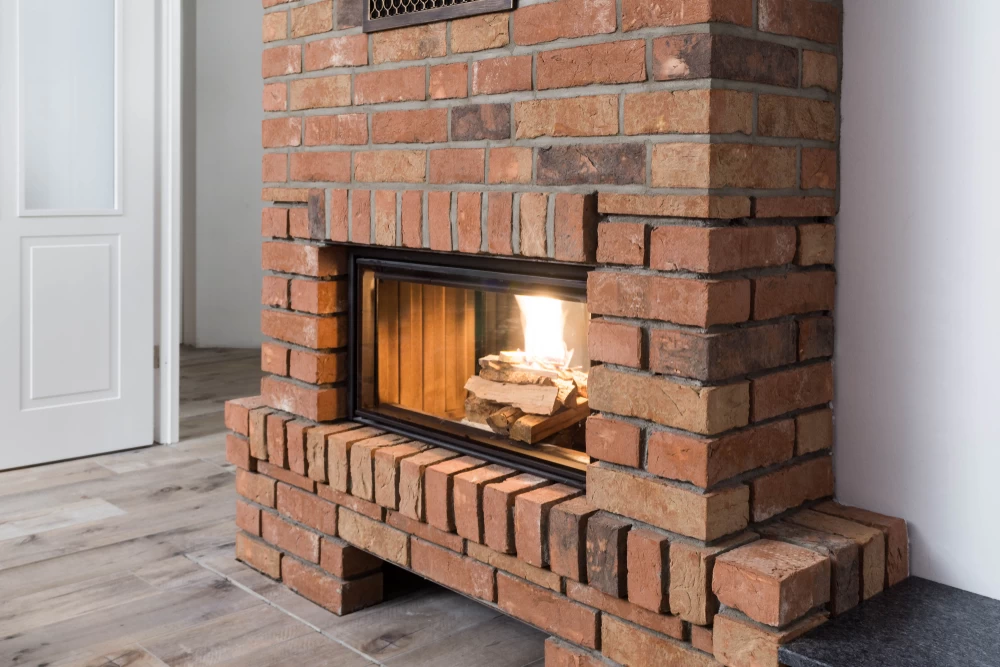
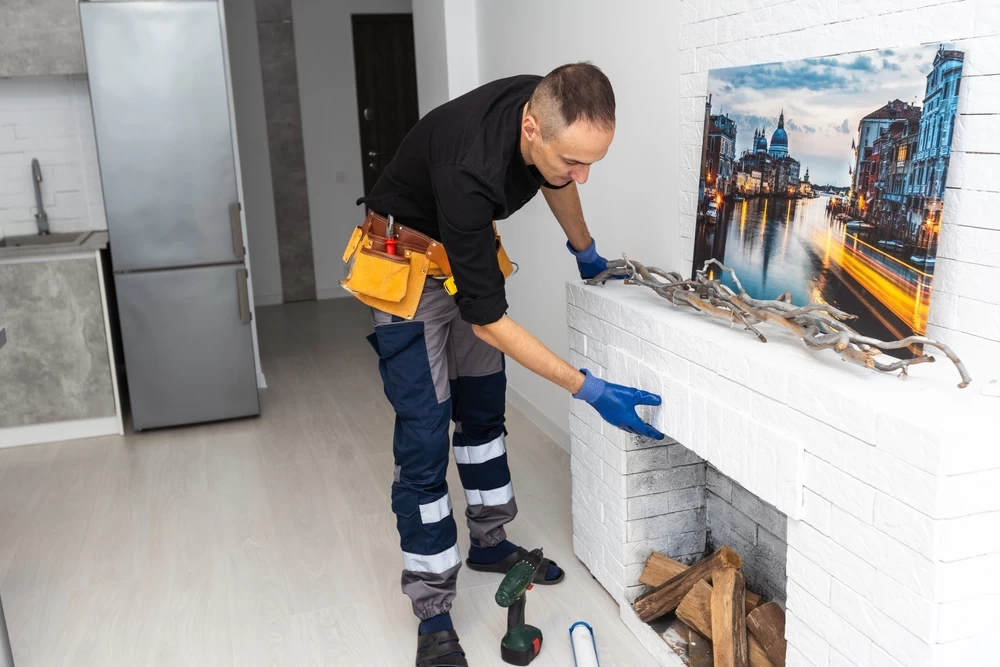
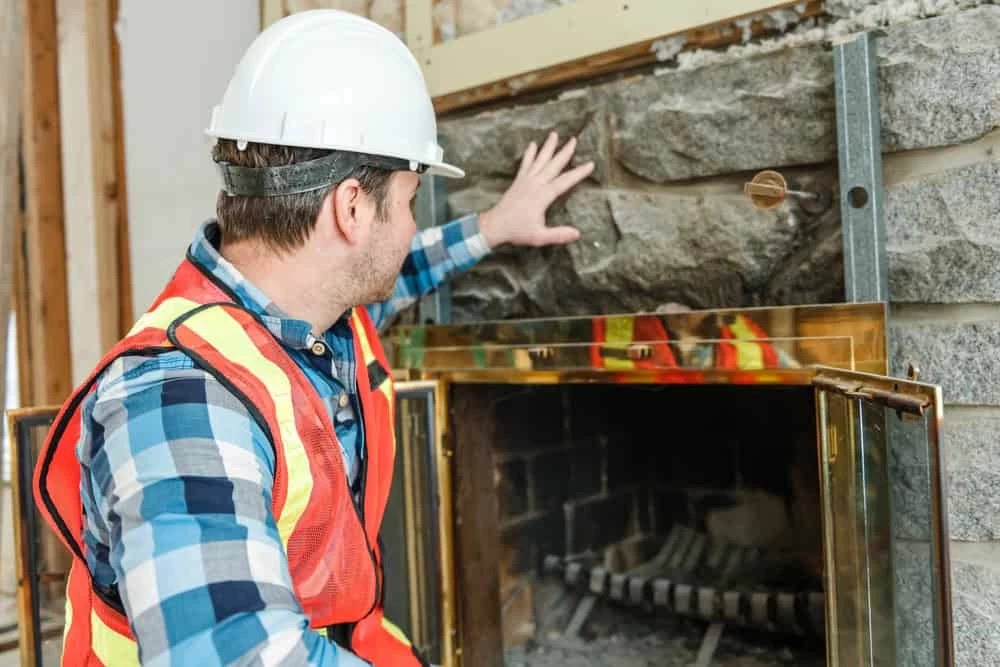
Is your fireplace more flicker than flame? Don’t let a cold hearth chill your spirits. Ageless Chimney in Sutton Place brings the heat with expert fireplace repair.
I highly recommend these guys. (Bob/Christian)They came right on time and were extremely neat and professional. They did a great job at a reasonable price.
Tommy Glenn
I have been using Bobby and Sherwood for years. I highly recommend them. They did chimney repair and chimney sweep. Great work, great guys.
Ingrid V.
Highly recommend Ageless chimney. They were polite, professional and got the job done in one day, left my property as clean as they found it. Very happy!
Brian Nolin
Outstanding work, great service, and extremely reliable!!
Fireplace Repair Near Me in Sutton Place
Ageless Chimney Is Your Answer. Here's Why
Cozy up to a fireplace that’s both safe and sound.
Get back to enjoying those crackling nights without the worry.
We’ll have your fireplace roaring back to life in no time.
From chimney to hearth, consider your fireplace revitalized.
Ageless Chimney isn’t just about fixing fireplaces; we’re about restoring the heart of your home. Our team in New York City knows fireplaces inside and out – from the intricate dance of the damper to the secrets of the firebox. We use durable materials like fire-resistant mortar and premium chimney liners to ensure your fireplace is as safe as it is stunning.
Ageless Chimney in New York City; Your Fireplace Guardian
A fireplace is more than just a heat source; it’s a gathering place, a source of comfort, and a focal point of your home. But a neglected fireplace can become a hazard. When it’s a smoky chimney or a cracked firebrick, Ageless Chimney is here to safeguard your home and restore your fireplace’s charm. Our team in Sutton Place, NY, has the expertise to handle any fireplace project regardless of its scope. Contact us at 516-795-1313 to schedule an inspection and let us rekindle the magic of your fireplace.
The street that became York Avenue and Sutton Place was proposed as an addition to the Commissioners’ Plan of 1811 for Manhattan, which designated 12 broad north-south avenues running the length of the island. The geography of Manhattan left a large area on the Upper East Side east of First Avenue without a major north-south thoroughfare, so Avenue A was added to compensate. Sutton Place, the name that applied to the whole street at the time, was originally one of several disconnected stretches of Avenue A built where space allowed, east of First Avenue.
In 1875, Effingham B. Sutton constructed a group of brownstones between 57th and 58th Streets. The earliest source found by The New York Times using the term Sutton Place dates to 1883. At that time, the New York City Board of Aldermen approved a petition to change the name from “Avenue A” to “Sutton Place”, covering the blocks between 57th and 60th Streets. The block between 59th and 60th Streets is now considered a part of York Avenue.
Sutton Place first became fashionable around 1920, when several wealthy socialites, including Anne Harriman Vanderbilt and Anne Morgan, built townhouses on the eastern side of the street, overlooking the East River. Both townhouses were designed by Mott B. Schmidt, launching a career that included many houses for the wealthy. Very shortly thereafter, developers started to build grand co-operative apartment houses on Sutton Place and Sutton Place South, including several designed by Rosario Candela. Development came to an abrupt halt with the Great Depression, and the luxury apartment buildings on the lower part of Sutton Place South (below 57th Street) and the northernmost part of Sutton Place (adjacent to the Queensboro Bridge) were not developed until the 1940s and 1950s.