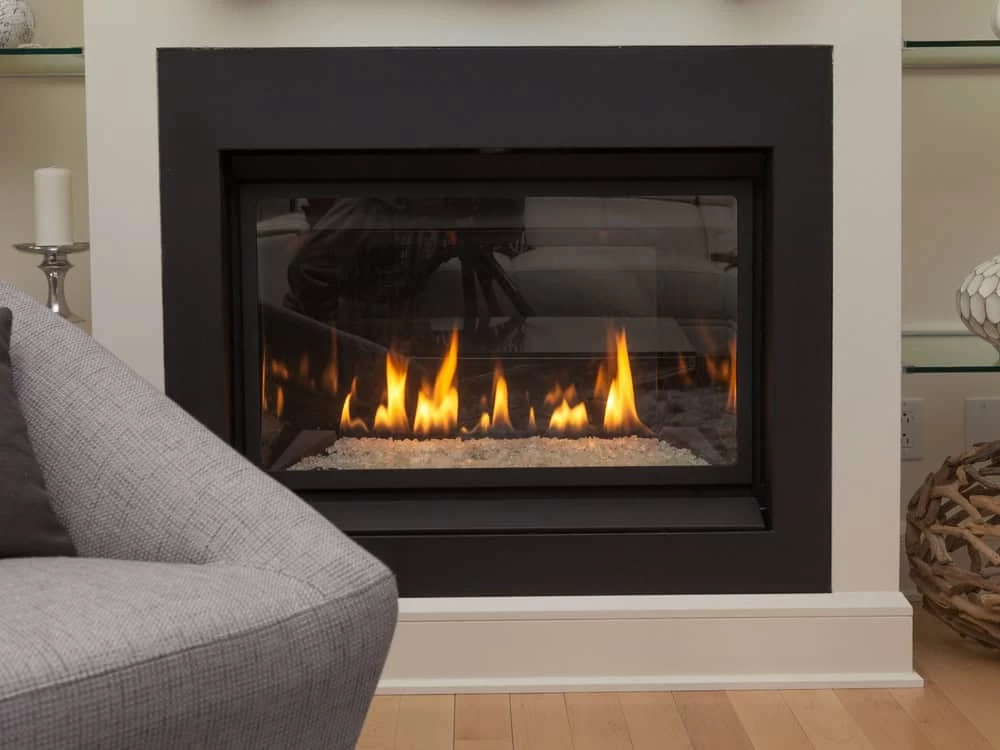
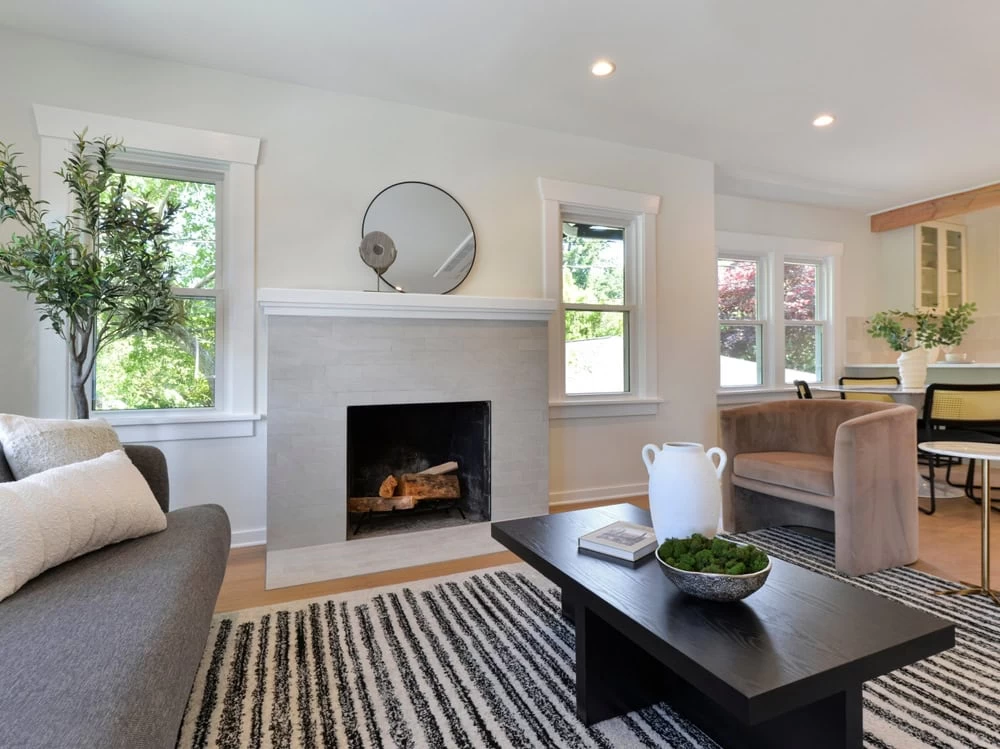
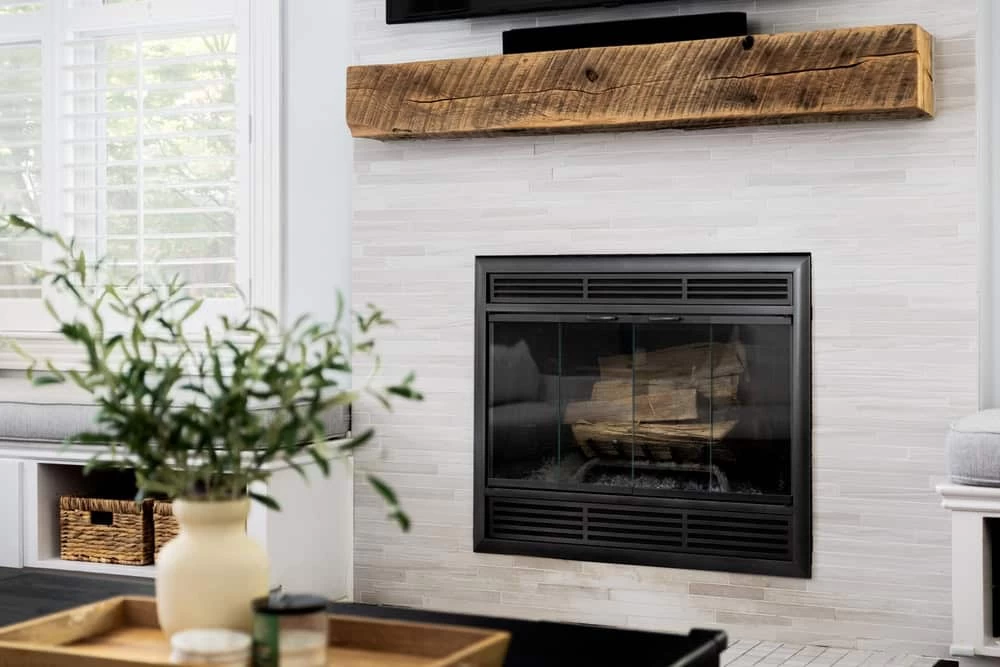
Is your fireplace outdated or needing repair? We breathe new life into New York City fireplaces, creating stunning focal points with Ageless Chimney in Turtle Bay NY homes.
I highly recommend these guys. (Bob/Christian)They came right on time and were extremely neat and professional. They did a great job at a reasonable price.
Tommy Glenn
I have been using Bobby and Sherwood for years. I highly recommend them. They did chimney repair and chimney sweep. Great work, great guys.
Ingrid V.
Highly recommend Ageless chimney. They were polite, professional and got the job done in one day, left my property as clean as they found it. Very happy!
Brian Nolin
Outstanding work, great service, and extremely reliable!!
Fireplace Remodeling Services Offered
Transform Your Fireplace
Custom Fireplace Design: Collaborate with our designers to create a fireplace that reflects your unique style.
Fireplace Upgrades: Improve your existing fireplace with new features, materials, and finishes.
Fireplace Mantel Replacement: Install a beautiful new mantel that complements your home’s décor.
Modern Fireplace Conversions: Update your traditional fireplace with a sleek, contemporary design.
Fireplace Restoration: Preserve the charm of your historic fireplace with careful restoration techniques.
Ageless Chimney is a premier chimney and fireplace company serving Turtle Bay and the surrounding NY area. We specialize in fireplace remodeling, providing craftsmanship and attention to detail that refines your home’s ambiance. Our team of skilled masons and installers uses premium materials.
Fireplace Remodeling in Turtle Bay - Get Started Today
Ready to Redesign Your Fireplace with Ageless Chimney?
A beautifully remodeled fireplace can transform your living space into a cozy haven. Contact Ageless Chimney at 516-795-1313 to schedule a consultation and explore the possibilities for your Turtle Bay home.
Turtle Bay, a cove of the East River, was between what is now 45th and 48th Streets and was fed by a stream that ran from the present-day intersection of Second Avenue and 48th Street. It was probably named after the turtles found in the area. Historical records from the 17th century described an abundance of turtles nearby, with local residents partaking in a “turtle feast”.
The Turtle Bay neighborhood was originally a 40-acre (16 ha) land grant given to two Englishmen by the Dutch colonial governor of New Amsterdam in 1639 and named “Turtle Bay Farm”. The farm extended roughly from what is now 40th to 49th Streets and from Third Avenue to the river. By 1712, “Turtle Bay” was frequently used in property documents for the area.
On a knoll overlooking the cove, near 41st Street, the farmhouse was purchased as a summer retreat by Francis Bayard, and in the early 19th century remained the summer villa of Francis Bayard Winthrop. Turtle Creek, or DeVoor’s Mill Creek as it was known, emptied into the cove at what is now 47th Street. To the south lay Kip’s Bay farm; to the north, on a bluff, stood James Beekman’s “Mount Pleasant”, the first of a series of houses and villas with water views stretching away up the shoreline. After the street grid system was initiated in Manhattan, the hilly landscape of the Turtle Bay Farm was graded to create cross-streets and the land was subdivided for residential development.