I highly recommend these guys. (Bob/Christian)They came right on time and were extremely neat and professional. They did a great job at a reasonable price.
Tommy Glenn
I have been using Bobby and Sherwood for years. I highly recommend them. They did chimney repair and chimney sweep. Great work, great guys.
Ingrid V.
Highly recommend Ageless chimney. They were polite, professional and got the job done in one day, left my property as clean as they found it. Very happy!
Brian Nolin
Outstanding work, great service, and extremely reliable!!
Paver Driveway Contractors Remsenburg-Speonk
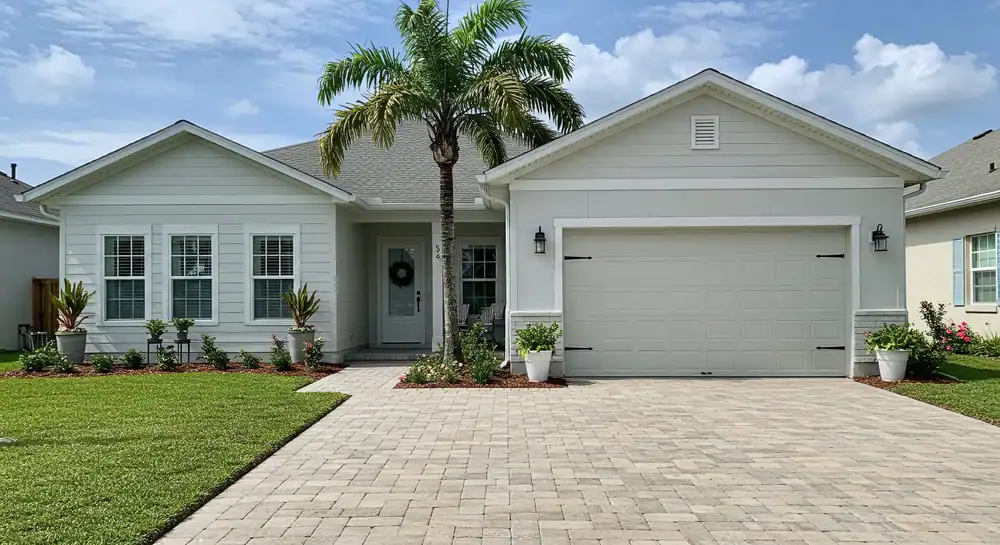
Your Driveway Will Actually Increase Property Value
You’re tired of patching the same cracks every spring. You want a driveway that handles Remsenburg-Speonk’s salt air, freeze-thaw cycles, and daily wear without constant repairs.
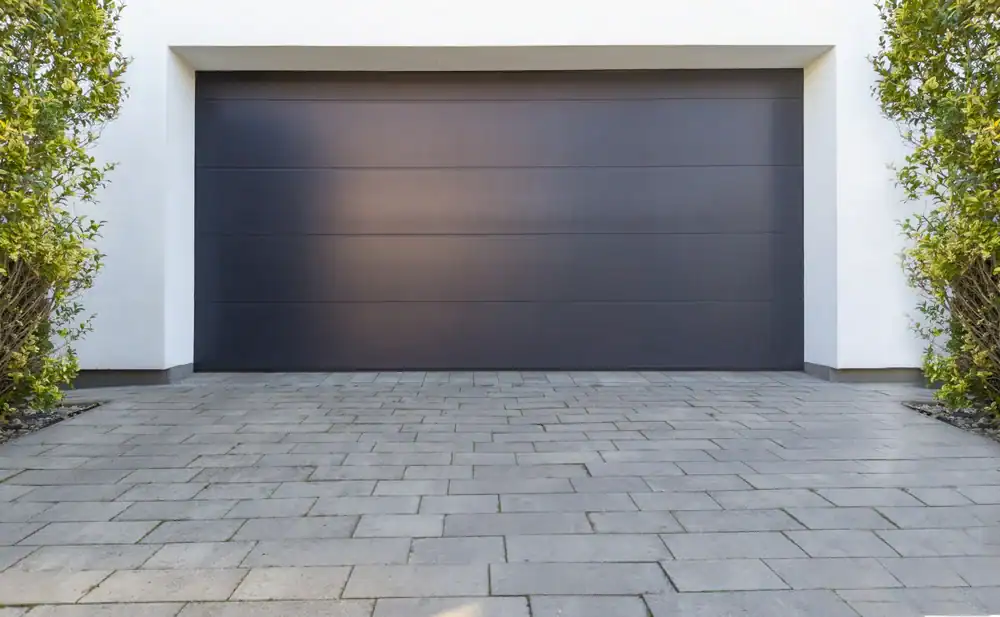
That’s exactly what you get with professional paver installation. These aren’t the basic concrete slabs that crack after two winters. We’re talking about interlocking systems that flex with ground movement, drain properly, and actually look better over time.
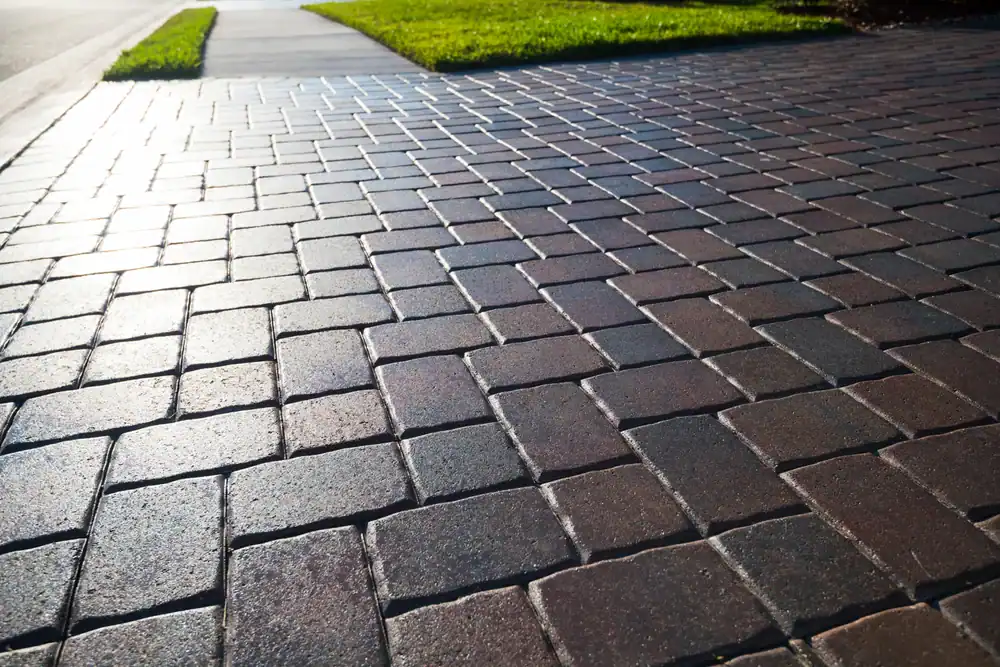
Your neighbors will notice the difference immediately. More importantly, your driveway becomes a selling point instead of something you hope buyers overlook. Quality pavers can add thousands to your home’s value while eliminating the headache of constant maintenance.
Masonry Driveways Long Island Experts
Fifteen Years of Long Island Masonry Experience
We’ve been serving Long Island homeowners since 2006. We understand what coastal properties face because we’ve been fixing the problems that salt air and shifting soils create for over fifteen years.
Our masonry expertise goes beyond basic paving. We know how to build foundations that won’t shift, drainage systems that actually work, and surfaces that stand up to everything from nor’easters to daily family use.
Every project is owner-managed. When you hire us, you’re not getting a crew that shows up unsupervised. You’re working with licensed, insured professionals who take responsibility for the outcome because our reputation depends on your satisfaction.
Driveway Replacement Pavers Long Island
Here's How We Build Driveways That Last
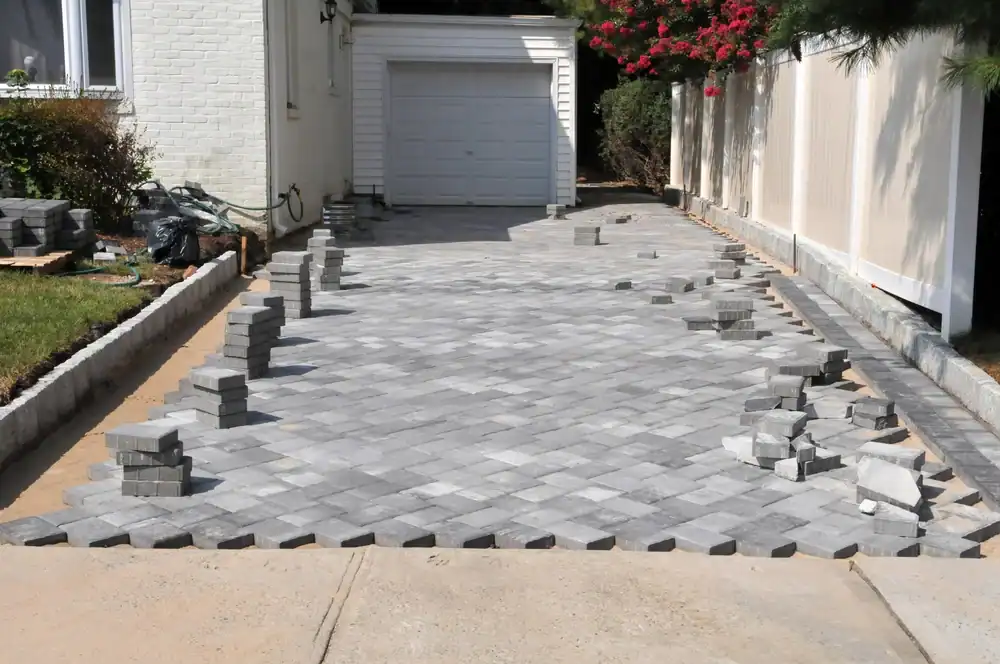
First, we excavate your existing driveway and prepare a proper base. This isn’t just scraping off the old surface. We’re creating a foundation that accounts for Remsenburg-Speonk’s soil conditions and drainage patterns.
Next comes the base layer – compacted stone that provides stability and drainage. Most contractors cut corners here, but we know this layer determines whether your driveway lasts five years or fifty years.
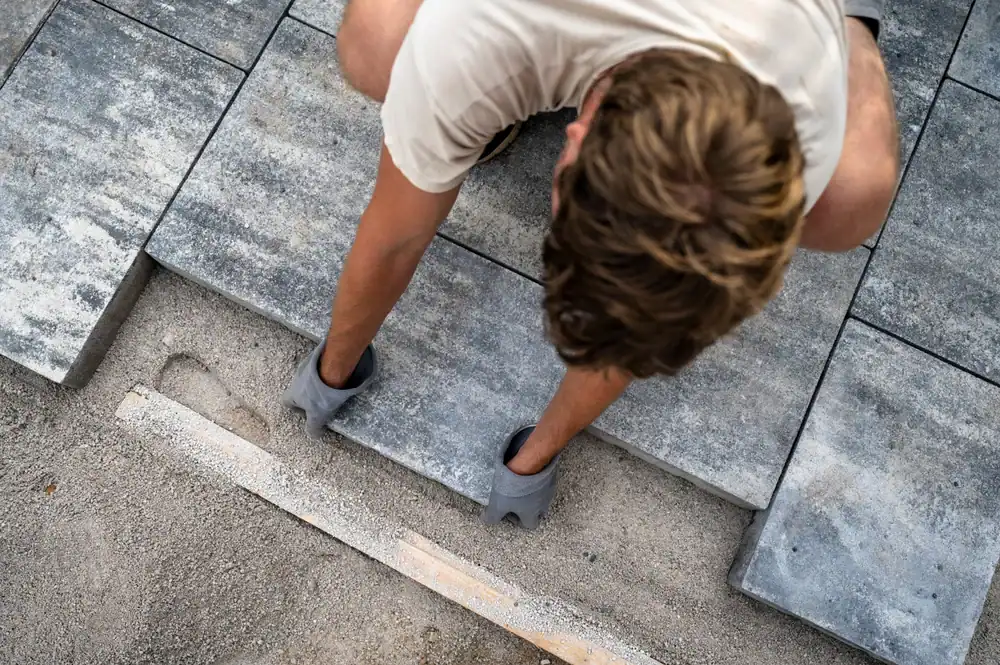
Then we install the pavers themselves, using professional equipment to ensure proper spacing and alignment. Each paver locks with its neighbors, creating a surface that’s actually stronger than poured concrete. Finally, we sweep in joint sand and compact everything for a finished surface that’s ready for immediate use.
Complete Driveway Solutions for Coastal Properties
We handle everything from basic paver installation to custom Belgian block aprons that create elegant transitions from street to driveway. These granite blocks aren’t just decorative – they provide traction, prevent material spillage, and add the kind of curb appeal that makes your property stand out.
Driveway extensions are another specialty. Growing families need more parking space, but most contractors just patch on additional pavement that never matches. We design extensions that integrate seamlessly with your existing driveway or completely replace it with a cohesive paver system.
For Remsenburg-Speonk properties specifically, we account for the coastal environment. That means proper drainage to handle storm runoff, materials that resist salt damage, and installation techniques that prevent the frost heaving that destroys so many Long Island driveways. Your investment is protected against the specific challenges this area presents.
How long do paver driveways last in Remsenburg-Speonk's coastal climate?
Quality paver driveways typically last 25-30 years in coastal Long Island conditions, significantly longer than asphalt or concrete. The key is proper installation and materials selection.
Pavers handle freeze-thaw cycles better because they’re individual units that can move slightly without cracking. Salt air affects the joint sand more than the pavers themselves, and that’s easily refreshed every few years. The biggest factor is the base preparation – if that’s done correctly for local soil conditions, your driveway will outlast most alternatives by decades.
We see properly installed paver driveways from the 1990s that still look great, while concrete driveways from the same era are cracked and stained beyond repair.
What's the difference between regular pavers and Belgian block aprons?
Regular pavers are typically concrete or clay units designed for large surface areas like driveways and patios. Belgian blocks are natural granite cubes primarily used for borders, aprons, and decorative accents.
Belgian block aprons create a transition zone between your driveway and the street. They’re incredibly durable, provide excellent traction, and add significant curb appeal. The granite material is virtually indestructible and improves with age as it develops a natural patina.
Most homeowners use Belgian blocks for the first 8-12 feet of their driveway, then transition to regular pavers for the main surface. This combination gives you the elegance of natural stone where it’s most visible while keeping costs reasonable for larger areas.
Can you extend an existing driveway with pavers to match?
Yes, but the approach depends on your existing driveway material and condition. If your current driveway is in good shape, we can often design a paver extension that complements rather than exactly matches.
For asphalt driveways, we typically create a Belgian block border where the new paver section meets the existing surface. This creates a clean transition that looks intentional rather than patched together. If your existing driveway needs replacement anyway, it often makes sense to do the entire surface in pavers for a cohesive look.
The key is proper base preparation for the extension area and ensuring drainage flows correctly between old and new surfaces. Done right, the extension can actually improve the performance of your entire driveway system.
How do paver driveways handle Remsenburg-Speonk's drainage challenges?
Pavers are naturally better for drainage than solid surfaces because water can infiltrate through the joints. However, proper installation is crucial for coastal areas like Remsenburg-Speonk.
We design the base layer with drainage in mind, often incorporating French drains or other subsurface systems to handle storm runoff. The paver surface itself is graded to direct water away from your house and toward appropriate drainage areas. Joint sand selection also matters – we use materials that allow infiltration while maintaining stability.
Many older driveways in this area fail because water has nowhere to go during heavy rains. Pavers solve this problem naturally while providing a surface that won’t crack when the ground shifts during freeze-thaw cycles.
What maintenance do paver driveways require in coastal environments?
Paver driveways are remarkably low-maintenance, especially compared to asphalt or concrete. The main tasks are occasional joint sand replacement and periodic cleaning.
In coastal areas, you’ll want to rinse the surface occasionally to remove salt residue, particularly after winter storms. Joint sand may need refreshing every 3-5 years, depending on weather exposure and usage. Some homeowners choose to seal their pavers, but it’s optional and mainly for color enhancement.
The biggest maintenance advantage is that individual pavers can be replaced if damaged, unlike concrete where you’d need to replace entire sections. Most of our customers find they spend less time and money maintaining paver driveways than they did with their previous asphalt surfaces.
How much does a paver driveway cost compared to asphalt replacement?
Paver driveways typically cost 2-3 times more initially than asphalt replacement, but the long-term value proposition is completely different. You’re comparing a 25-30 year investment to something that needs significant maintenance or replacement every 10-15 years.
The upfront cost reflects quality materials, proper base preparation, and professional installation. However, pavers add more to your property value than they cost, while asphalt is typically viewed as a maintenance item by appraisers. Factor in the elimination of seal coating, crack filling, and eventual replacement, and pavers often cost less over their lifetime.
For Remsenburg-Speonk properties specifically, the durability advantage is even greater because coastal conditions are so hard on asphalt. Many of our customers wish they’d made the switch years earlier instead of repeatedly repairing failing asphalt driveways.