
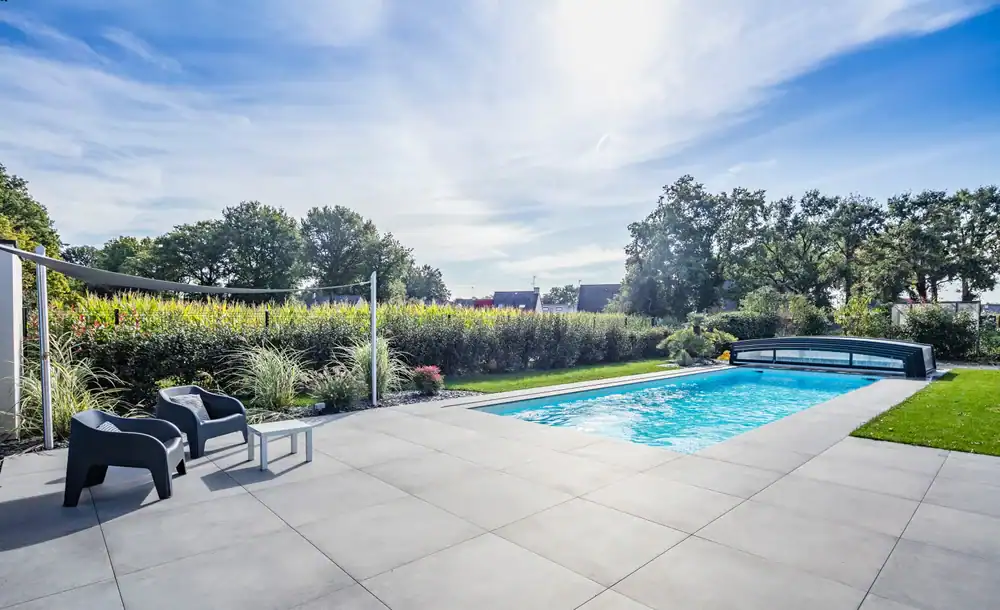

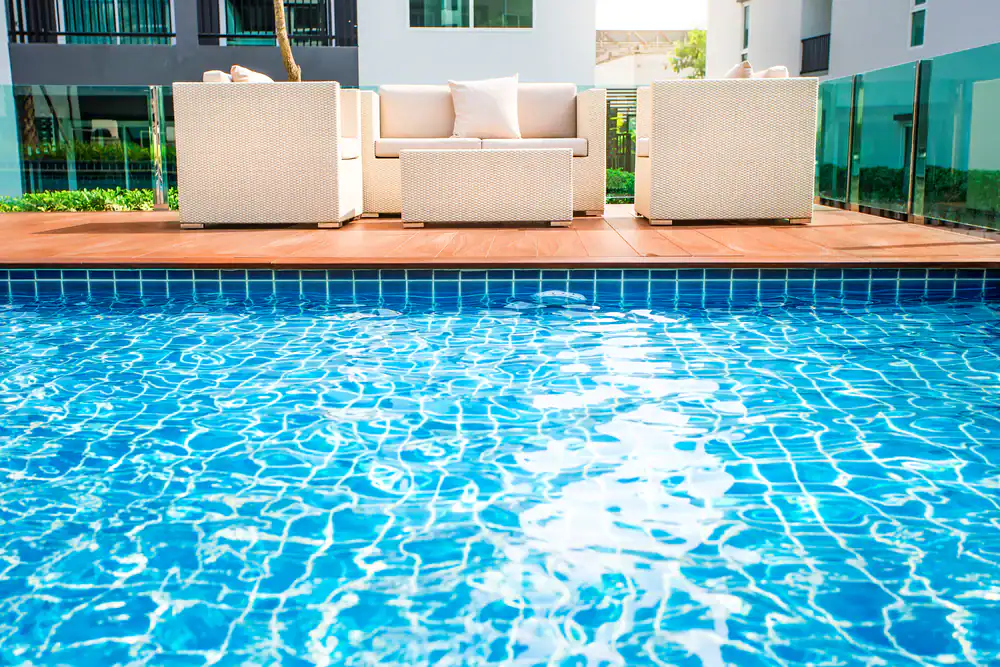
You’ll finally have peace of mind watching your kids play around the pool. Our slip-resistant pavers create a textured surface that stays safe even when wet, while proper drainage prevents those dangerous puddles that turn your pool area into a hazard zone.
Your pool deck becomes the centerpiece of outdoor entertaining instead of a source of worry. Friends and family can move confidently around your pool, and you can focus on enjoying those summer gatherings instead of constantly watching for potential accidents.
The right pavers also mean no more cracked concrete or uneven surfaces that collect water and become breeding grounds for algae and mold. Your investment stays beautiful and functional for decades, not just a few seasons.
We’ve been protecting Glen Cove homes since 2006. We understand how Long Island’s weather affects outdoor surfaces, from harsh winters that crack inferior materials to summer heat that makes some pavers too hot to walk on barefoot.
Our team knows Glen Cove’s unique soil conditions and drainage challenges. We’ve seen what works and what fails after a few seasons, which is why we only recommend materials and installation methods that stand up to everything from nor’easters to summer pool parties.
You’re not just getting contractors – you’re working with neighbors who have to drive past your house and stand behind our work. That’s why one of our owners is present at every job, ensuring the attention to detail that’s made us Nassau County’s trusted choice for pool patio pavers.
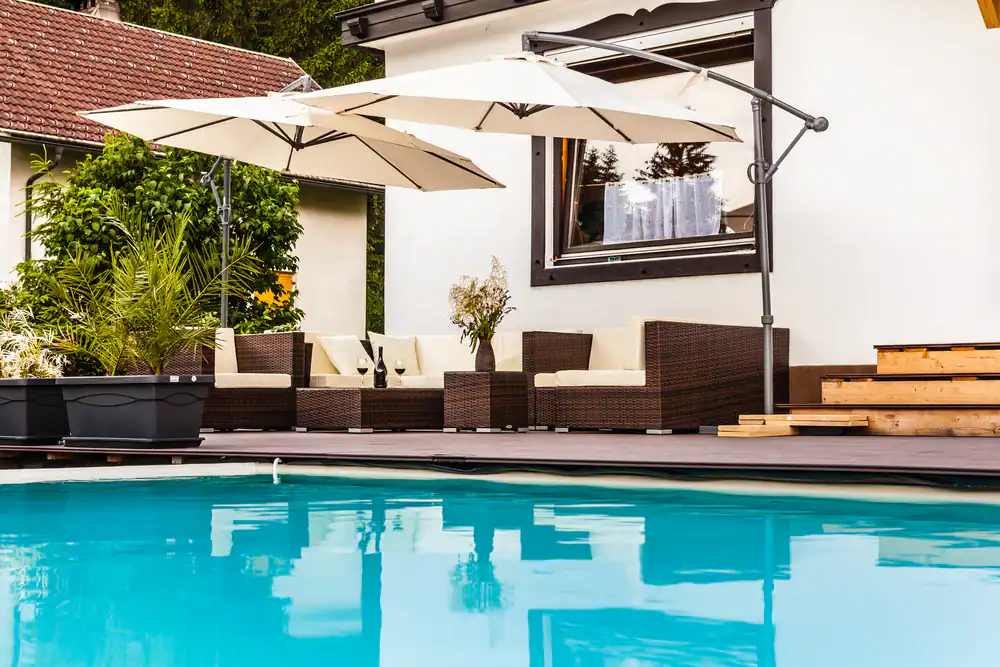
We start with a thorough assessment of your current pool area and drainage situation. Every property in Glen Cove has unique challenges – some have clay soil that doesn’t drain well, others have slopes that create runoff problems. We identify these issues before we start digging.
Next comes proper excavation and base preparation. This isn’t just removing old concrete – we create a foundation that will support your family’s activities for decades. Our base includes the right depth of compacted aggregate and proper grading to direct water away from your pool and home.
The paver installation follows manufacturer specifications exactly. We use non-slip materials specifically designed for pool areas, with joint spacing that enhances grip while allowing for thermal expansion. Every paver is leveled individually, and we finish with polymeric sand that locks everything in place while still allowing for drainage.
Ready to get started?
Your pool deck installation includes slip-resistant pavers specifically chosen for wet environments. We use materials like textured concrete pavers and natural stone that actually provide more grip when wet, not less. This isn’t just about preventing obvious slips – it’s about confident footing when you’re carrying pool equipment or chasing after kids.
Proper drainage is built into every installation. Glen Cove’s clay soil and seasonal weather patterns mean water management isn’t optional – it’s essential. Our installations include proper slope, joint spacing, and base preparation that moves water away from your pool area and prevents the standing water that creates safety hazards and maintenance headaches.
We also handle pool coping installation and repair. Cracked or loose coping isn’t just unsightly – it’s a safety hazard that gets worse with every freeze-thaw cycle. Our coping work integrates seamlessly with your paver installation, creating a unified look that enhances both safety and aesthetics around your entire pool perimeter.
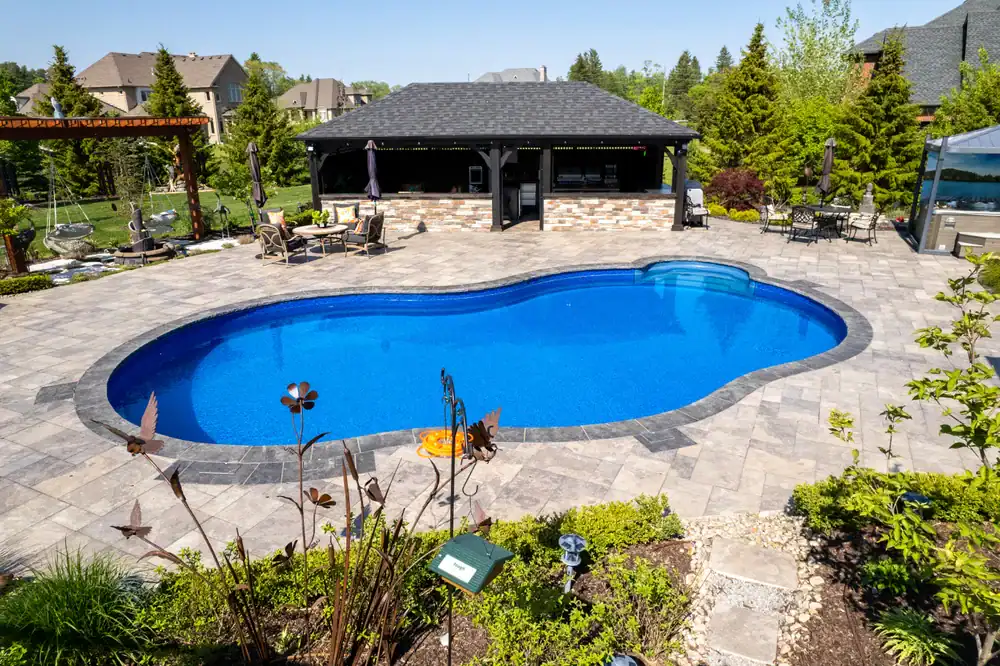
Pool patio pavers offer several safety advantages over concrete, especially in wet environments. The textured surface of quality pavers actually provides more grip when wet, unlike smooth concrete that becomes dangerously slippery. Individual pavers also create natural joint lines that give your feet additional grip points.
Pavers handle freeze-thaw cycles much better than concrete slabs. When concrete cracks from winter weather, those cracks collect water and create trip hazards. Individual pavers can shift slightly with ground movement without creating dangerous surface irregularities.
The real safety advantage comes from proper installation. Our paver installations include drainage systems that prevent water from pooling on the surface. Standing water is the biggest safety hazard around any pool, and properly installed pavers with correct slope and joint spacing eliminate this problem.
Most pool deck paver installations in Glen Cove take 5 to 7 days, depending on the size and complexity of your project. This timeline includes proper excavation, base preparation, paver installation, and finishing work. We don’t rush the process because shortcuts in base preparation lead to problems later.
Weather can affect timing, especially during spring and fall when Long Island experiences more variable conditions. We won’t install pavers in rain or when temperatures are too low for proper base compaction. It’s better to wait a day or two than compromise the long-term performance of your pool deck.
Complex designs with multiple paver types, intricate patterns, or extensive coping work may take longer. We’ll give you a realistic timeline during our initial consultation and keep you updated if anything changes. Most homeowners are surprised how quickly the transformation happens once we begin the actual paver installation.
For Long Island pool areas, we typically recommend textured concrete pavers or natural stone options like travertine. These materials handle our freeze-thaw cycles well and maintain their slip-resistant properties even after years of exposure to pool chemicals and weather.
Concrete pavers offer the best combination of safety, durability, and value. They’re manufactured with consistent thickness and slip-resistant textures, and they come in colors that won’t fade under Long Island’s intense summer sun. They also stay cooler underfoot than darker materials, which matters when kids are running around barefoot.
Natural stone like travertine provides excellent slip resistance and stays naturally cool, but requires more maintenance to prevent staining from pool chemicals. The choice often comes down to your maintenance preferences and budget. We’ll show you samples of different options and explain the long-term performance characteristics of each material for your specific situation.
Glen Cove’s clay soil presents unique drainage challenges that require specific solutions. Clay doesn’t absorb water well, so surface drainage becomes critical. We create proper slope away from your pool and home, typically 1/4 inch per foot, to direct water to appropriate drainage areas.
Our base preparation includes installing a layer of crushed stone that creates a drainage system beneath your pavers. This prevents water from sitting under your pool deck, which can cause heaving during freeze-thaw cycles. We also use joint spacing and polymeric sand that allows water to move through the surface while keeping the pavers locked in place.
In areas with particularly challenging drainage, we may recommend additional solutions like French drains or catch basins. These aren’t always necessary, but when your pool area sits in a natural low spot or you have runoff from neighboring properties, proper drainage infrastructure prevents both safety hazards and long-term structural problems with your paver installation.
Yes, we can replace sections of damaged pool decking, and this is actually one of the major advantages of paver installations over concrete slabs. Individual pavers can be removed and replaced without affecting the surrounding area, making repairs much more cost-effective and less disruptive.
However, we always assess the underlying cause of the damage first. If your existing concrete pool deck is cracking due to poor drainage or inadequate base preparation, simply installing pavers over the problem won’t solve it. We may need to remove the damaged concrete and start with proper base preparation to prevent future issues.
Partial replacement works best when the existing base is sound and the damage is limited to surface issues. We can often blend new pavers with existing materials, though exact color matches can be challenging with older installations. During our assessment, we’ll give you honest advice about whether partial replacement makes sense or if a complete renovation would be more cost-effective long-term.
Pool patio pavers require minimal maintenance compared to other pool deck materials, but some regular care keeps them looking great and performing safely. The main maintenance involves cleaning the surface periodically to remove pool chemicals, leaves, and algae that can make any surface slippery.
Joint sand may need refreshing every few years, especially in high-traffic areas. We use polymeric sand that locks in place better than regular sand, but pool chemicals and freeze-thaw cycles can gradually wash it out. Refreshing joint sand is a simple process that maintains the structural integrity and appearance of your paver installation.
Sealing is optional but recommended every 3-5 years, especially for natural stone pavers. Sealing helps prevent staining from pool chemicals and makes cleaning easier. However, it’s important to use breathable sealers that don’t create slippery surfaces when wet. We can handle this maintenance for you or provide guidance if you prefer to do it yourself.
Other Services we provide in Glen Cove