I highly recommend these guys. (Bob/Christian)They came right on time and were extremely neat and professional. They did a great job at a reasonable price.
Tommy Glenn
I have been using Bobby and Sherwood for years. I highly recommend them. They did chimney repair and chimney sweep. Great work, great guys.
Ingrid V.
Highly recommend Ageless chimney. They were polite, professional and got the job done in one day, left my property as clean as they found it. Very happy!
Brian Nolin
Outstanding work, great service, and extremely reliable!!
Pool Deck Installation Salisbury NY
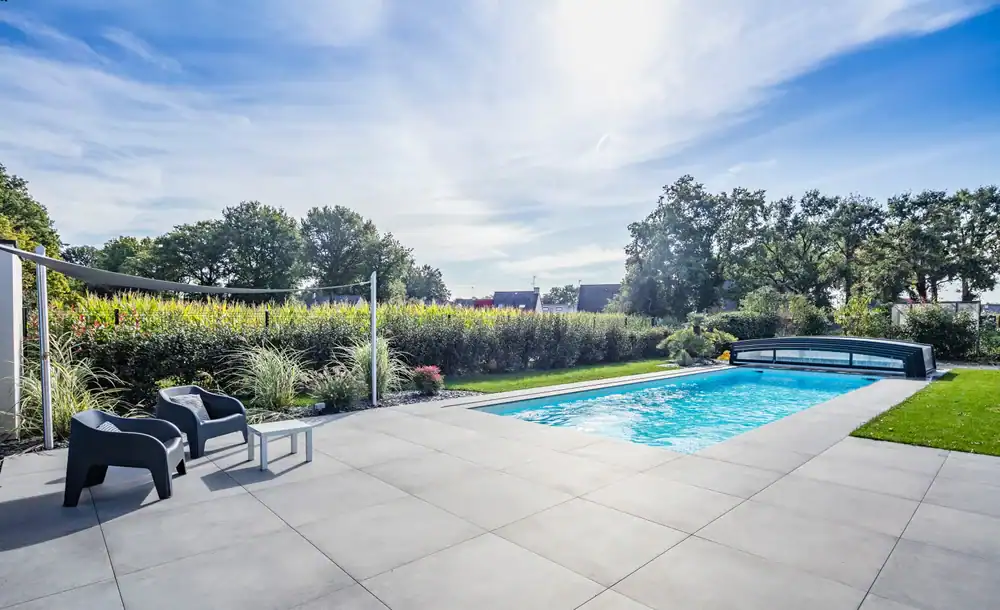
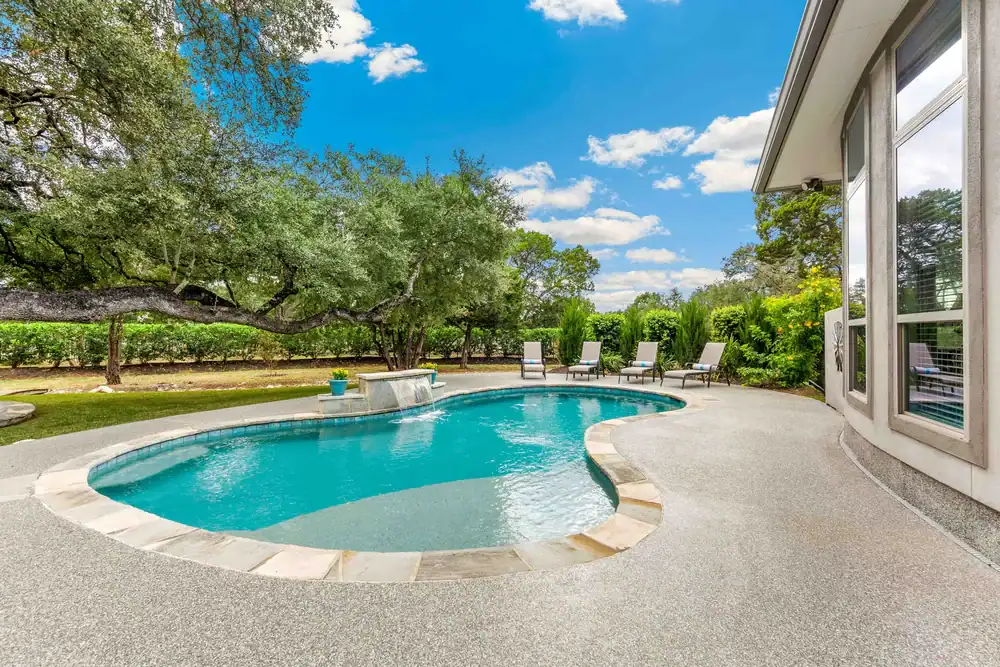
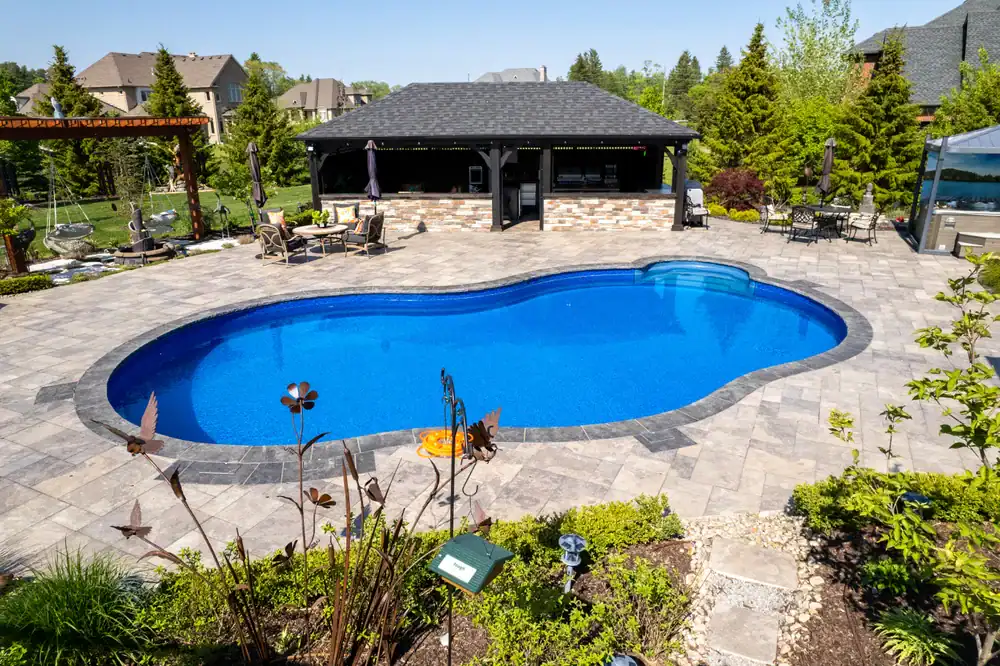
Your Pool Area Becomes the Backyard Centerpiece
No more cracked concrete or slippery surfaces around your pool. You get a stunning patio that stays safe when wet, drains properly during storms, and handles freeze-thaw cycles without cracking.
Your family can enjoy the pool without worrying about slips and falls. The right pavers make all the difference between a basic pool deck and an outdoor living space that adds real value to your home.
Every installation is designed for Salisbury’s climate and soil conditions. That means proper drainage, materials rated for our weather extremes, and installation methods that prevent the settling issues that plague rushed jobs.
Pool Patio Contractors Salisbury NY
We Know Salisbury's Unique Challenges
Ageless Chimney has been serving Nassau County homeowners for years, and we understand what works in Salisbury’s clay-heavy soil and variable weather conditions.
We’re not the cheapest option, and that’s intentional. You’re investing in proper base preparation, commercial-grade materials, and installation methods that prevent the problems we see from rushed jobs.
Our team takes time to explain the process, provides detailed written estimates, and follows up throughout the project. That’s why customers choose us again for additional work and recommend us to their neighbors.
Pool Paver Installation Process Salisbury
Foundation Work That Actually Prevents Problems
We start with a site evaluation to understand your drainage patterns and soil conditions. This isn’t a quick look—we’re identifying potential issues before they become expensive problems later.
Excavation goes deeper than most contractors typically dig, usually 8-10 inches, to create room for a proper gravel base. This foundation work is where most paver failures start, so we don’t cut corners here.
The base gets compacted in layers using professional equipment. Each layer is compacted to specific standards to prevent settling. We incorporate the slight slope needed for water runoff—about 1/4 inch per foot—without creating a noticeable slant that prevents pooling and ice damage.
We use only concrete pavers rated for freeze-thaw cycles and travertine with natural slip-resistance. These aren’t the cheap pavers from big box stores—our materials are designed to handle Long Island’s weather extremes without cracking or fading.
Edge restraints are included in every installation because they’re what keep your pavers from shifting and separating over time. We use commercial-grade restraints that won’t deteriorate like plastic alternatives.
Polymeric sand fills the joints and hardens when exposed to moisture, creating a barrier that prevents weed seeds from taking root. This means less maintenance and a cleaner look that lasts. For Salisbury homeowners, this combination offers the best durability, appearance, and value for pool areas.
What makes pool patio pavers safer than concrete around pools?
Slip-resistant pavers are designed with texture, grip, and drainage specifically for wet conditions. Travertine pavers have a naturally porous surface that provides excellent traction even when wet, while textured concrete pavers can be engineered for optimal grip.
Concrete, especially when smooth, becomes dangerously slippery when wet from pool splashing or rain. Pavers also allow for better drainage between joints, preventing the pooling that makes concrete surfaces hazardous.
The key difference is that quality pavers are manufactured with safety in mind, while poured concrete relies on surface treatments that can wear away over time.
How long do pool patio pavers last in Long Island weather?
Properly installed concrete pavers typically last 25-50 years, while travertine can last 100 years or more with regular maintenance. The key is using materials rated for freeze-thaw cycles and proper installation methods.
Long Island’s weather extremes—from hot summers to freezing winters with ice and snow—demand pavers specifically engineered for these conditions. Cheap pavers from big box stores often crack within a few years because they’re not designed for our climate.
Our installations include proper base preparation and drainage that prevent the settling and ice damage that destroy inferior installations. The investment in quality materials and proper installation pays for itself through decades of trouble-free use.
Why is proper drainage so important for pool patios in Salisbury?
Salisbury’s clay-heavy soil and variable weather create unique drainage challenges that can destroy poorly installed paver projects. Without proper drainage, water pools on the surface and infiltrates behind the pool shell, causing settling and structural issues.
We incorporate a slight slope of about 1/4 inch per foot for water runoff without creating a noticeable slant. This prevents the pooling and ice damage that can destroy paver installations during winter freeze-thaw cycles.
Poor drainage also leads to standing water that becomes slippery and hazardous, defeats the safety benefits of slip-resistant pavers, and can cause algae growth and staining that makes your pool area look neglected rather than beautiful.
What's the difference between concrete and travertine pool pavers?
Concrete pavers are manufactured to precise specifications and offer more color and pattern options. They’re engineered for consistent strength and typically cost less upfront while still lasting 25-50 years with proper installation.
Travertine is natural limestone with inherent slip-resistance due to its porous surface. It stays cooler underfoot in summer heat and has a luxurious appearance, but typically costs $25-60 per square foot compared to concrete’s lower price point.
For most Salisbury homeowners, concrete pavers offer the best combination of durability, appearance, and value. They’re manufactured to handle freeze-thaw cycles better than traditional materials and come in styles that mimic natural stone or classic brick.
How much does pool patio paver installation cost in Salisbury?
Pool patio paver installation typically ranges from $12-25 per square foot, depending on the paver type, site conditions, and design complexity. A standard 300-square-foot pool patio usually runs $3,600-7,500.
The wide range reflects the difference between basic installations and complex projects requiring extensive excavation, drainage work, or intricate patterns. Site access and Salisbury’s clay soil conditions also affect pricing.
We provide detailed written estimates that break down material and labor costs with no surprises or change orders unless you request additional work. The investment in proper installation pays for itself through decades of trouble-free use and increased property value.
Can pool patio pavers be installed over existing concrete?
Yes, pavers can often be installed over existing concrete if the surface is structurally sound and properly prepared. This can save time and money compared to complete concrete removal and replacement.
The existing concrete must be evaluated for cracks, settling, and drainage issues. If these problems exist, they’ll transfer to the new paver surface unless addressed first. Proper preparation includes cleaning, leveling, and ensuring adequate drainage.
However, this approach isn’t always the best solution. Sometimes complete removal and proper base preparation provides better long-term results, especially when dealing with Salisbury’s soil conditions and drainage requirements. We evaluate each situation individually to recommend the most cost-effective approach.