I highly recommend these guys. (Bob/Christian)They came right on time and were extremely neat and professional. They did a great job at a reasonable price.
Tommy Glenn
I have been using Bobby and Sherwood for years. I highly recommend them. They did chimney repair and chimney sweep. Great work, great guys.
Ingrid V.
Highly recommend Ageless chimney. They were polite, professional and got the job done in one day, left my property as clean as they found it. Very happy!
Brian Nolin
Outstanding work, great service, and extremely reliable!!
Pool Deck Pavers Stony Brook University
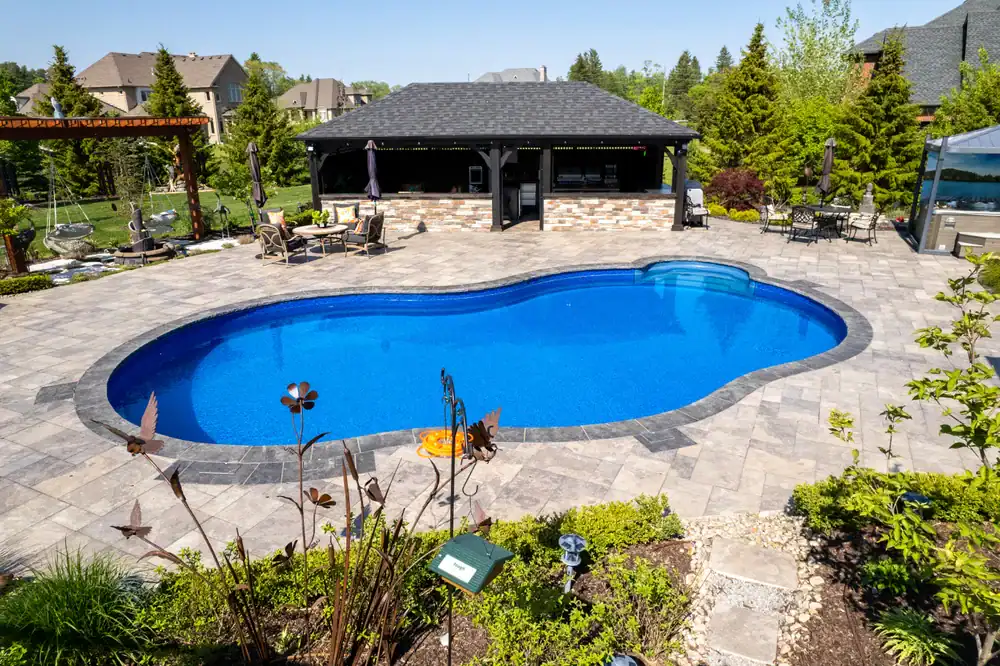
No More Slippery Pool Deck Worries
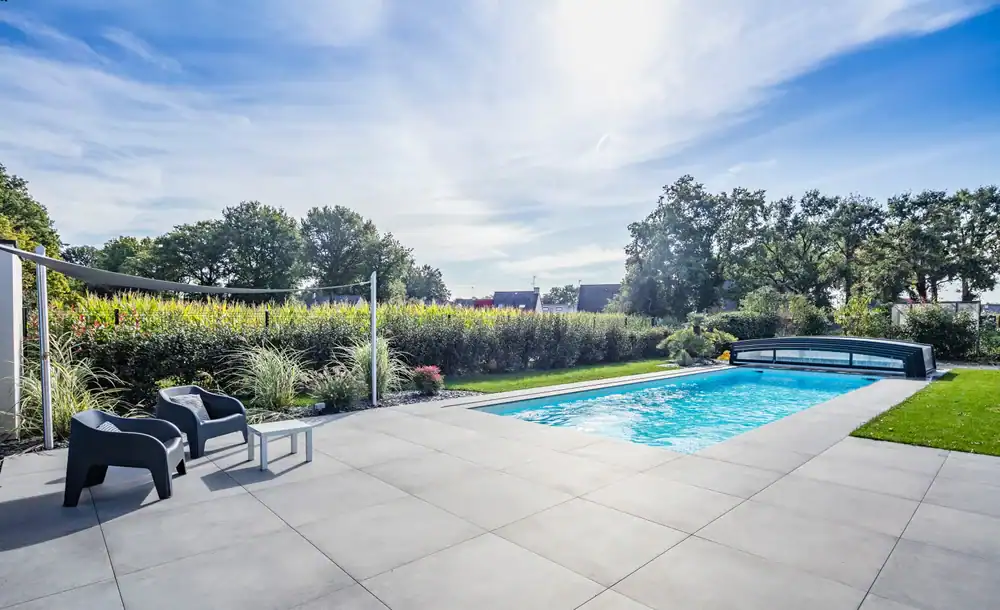
Your pool area becomes the safe haven it should be. No more holding your breath when kids run around wet pavers or worrying about guests slipping after a swim.
You get textured, slip-resistant surfaces that actually grip when wet, not turn into skating rinks. Professional drainage design means water flows away instead of pooling in dangerous spots.
Your investment pays off every time someone walks confidently around your pool instead of tiptoeing like they’re on ice.
Pool Paver Contractors Stony Brook University
15 Years Solving Long Island Pool Problems
We’ve been handling Stony Brook University’s unique challenges since 2009. We understand how sandy soil shifts, how coastal moisture affects materials, and what it takes to build pool decks that handle Long Island’s freeze-thaw cycles.
We’re the Angie’s List Super Service Award winners for six straight years because we do the work right the first time. No shortcuts, no surprises.
Local homeowners trust us because we explain everything in plain terms and deliver exactly what we promise.
Pool Patio Installation Stony Brook University
The Right Way, From Ground Up
We start by properly excavating and preparing your base. This isn’t just digging a hole—it’s engineering a foundation that won’t shift or settle over time.
Next comes the critical drainage work. We create the right slope so water flows away from your pool deck, not toward your house or into problem areas. This prevents the standing water that causes most slip accidents.
Finally, we install your chosen pavers with precise spacing and proper edge restraints. Every piece locks into place for a surface that stays level and secure for decades, not just the first few seasons.
Your pool deck installation includes complete site preparation, professional-grade base materials, and expert installation of slip-resistant pavers designed specifically for pool environments.
We handle all excavation, drainage considerations, and edge restraints to keep everything in place long-term. You get options for concrete pavers, natural stone, and brick pavers, with samples and honest explanations of pros and cons based on your budget and maintenance preferences.
For Stony Brook University properties, we work around existing landscaping and handle the sandy soil conditions that challenge other contractors. Your installation includes proper permits where required and thorough cleanup when we’re finished.
What makes pool patio pavers safer than other pool deck options?
Pool patio pavers are designed with textured surfaces that provide grip even when wet, unlike smooth concrete that becomes slippery. The individual paver design also allows for better drainage between joints, preventing the standing water that causes most pool deck accidents.
High-quality pavers can handle the constant wet-dry cycles around pools without developing the cracks or surface deterioration that create trip hazards. Materials like textured concrete, natural stone, and brick naturally provide the slip resistance that keeps your family and guests safe.
The key is proper installation with the right slope for drainage—something we engineer into every pool deck project in Stony Brook University.
How do you handle drainage around pools in this area?
Long Island’s sandy soil and coastal climate require specific drainage solutions. We create a slight slope away from the pool area to guide water toward proper drainage points, preventing the pooling that leads to slip hazards and structural problems.
For properties with challenging drainage, we integrate French drains or catch basins into the design. The goal is preventing water from saturating the ground beneath your pavers, which could cause settling or shifting later.
We’re familiar with Stony Brook University’s specific soil conditions and design each installation to handle both normal pool splash and heavy rain events without creating safety issues or maintenance headaches.
What types of pavers work best for pool decks here?
For Stony Brook University pool decks, we typically recommend textured concrete pavers, natural stone like travertine, or brick pavers. Each offers excellent slip resistance and handles Long Island’s climate well.
Travertine stays naturally cool underfoot and provides excellent grip when wet. Textured concrete pavers offer the most design options and consistent performance. Brick pavers bring classic appeal with naturally slip-resistant texture.
We’ll show you samples and explain how each material performs in pool environments, including maintenance requirements and long-term durability. The choice depends on your style preferences, budget, and how you use your pool area.
Can you replace just part of a cracked pool deck?
Yes, one major advantage of paver pool decks is that individual pavers can be replaced without tearing up the entire surface. If damage occurs from settling, tree roots, or other issues, we can remove and replace specific sections.
This is much more cost-effective than concrete pool decks, which often require complete replacement when cracks develop. With proper installation and quality materials, most pool deck repairs involve just a few pavers rather than major reconstruction.
We keep detailed records of the materials used in each installation, so matching pavers is never an issue even years later. This repairability is one reason why pavers offer better long-term value than other pool deck options.
How long does pool patio paver installation take?
Most pool patio paver installations in Stony Brook University take 3-5 days, depending on the size and complexity of your project. Simple rectangular pool decks move faster than curved designs or projects requiring extensive drainage work.
The timeline includes proper excavation, base preparation, drainage installation, and paver placement. We don’t rush the critical base work because that’s what determines how your pool deck performs for decades.
Weather can affect the schedule, especially during base preparation. We’ll give you a realistic timeline during your consultation and keep you updated if conditions require adjustments. The goal is doing the work right, not just fast.
Do pool patio pavers require special maintenance?
Pool patio pavers require minimal maintenance compared to other pool deck options. Regular cleaning with a hose or pressure washer keeps them looking great. The textured surfaces that provide slip resistance also hide normal wear and pool chemical exposure.
Occasional joint sand replacement may be needed after several years, especially in high-traffic areas. Sealing isn’t required for most paver materials, but it can enhance color and provide additional stain protection if desired.
The main maintenance advantage is that individual pavers can be easily replaced if damaged, unlike concrete pool decks that require major repairs when problems develop. This makes pavers the most practical choice for long-term pool deck performance.