

You’re tired of looking at that cracked concrete. Tired of water pooling near your foundation. Tired of contractors who show up late, leave a mess, and disappear when problems surface six months later.
A properly installed driveway in Atlantic Beach, NY doesn’t just look better. It drains correctly so water flows away from your foundation instead of toward it. It’s built with materials that resist salt damage from coastal air. It stays level because the base was compacted right the first time.
That means fewer repair calls. No more trip hazards for your family. No more explaining to guests why your driveway looks like a patchwork quilt. Just a clean, durable surface that protects your property value and actually lasts through Long Island winters.
We’ve served Atlantic Beach homeowners for years. We’re a family-owned company that understands what salt air and coastal weather do to exterior surfaces because we work with them every day.
Our crews show up on time. They’re polite, professional, and they clean up when they’re done. We use quality materials because we know you’re not looking for the cheapest option—you’re looking for the one that works.
When you’re investing in a property worth close to a million dollars in a neighborhood where standards matter, you need driveway builders in Nassau County who take the work seriously. We do.
First, we assess your property. That means looking at drainage patterns, soil conditions, and how water currently moves across your driveway and yard. If your old driveway is sinking or cracking, there’s usually a reason—and we find it before we start digging.
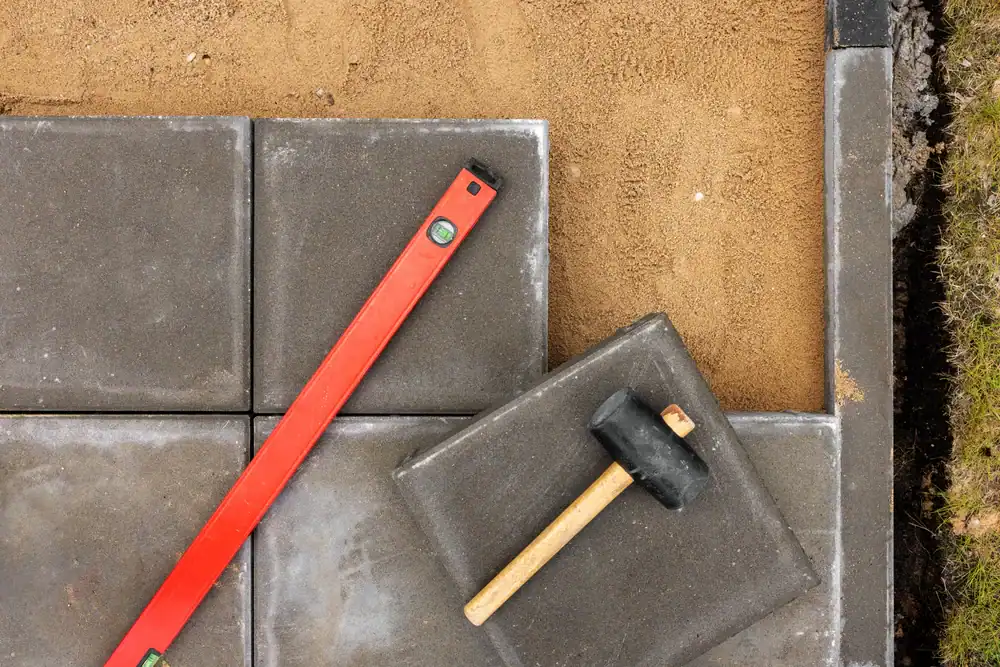
Next, we remove the old surface and prepare the base. This step matters more than most homeowners realize. Poor base preparation is why driveways sink, crack, and fail early. We compact in layers and make sure drainage is built into the foundation, not added as an afterthought.
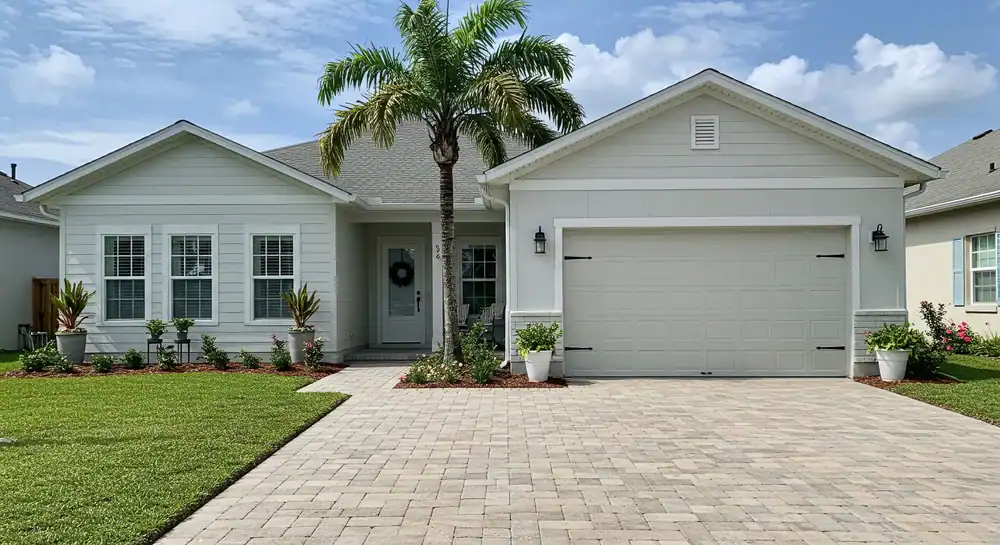
Then we install your new driveway using materials suited to Atlantic Beach conditions. Whether you choose pavers, concrete, or asphalt, we’re selecting options that handle salt exposure and freeze-thaw cycles. We can add Belgian block borders or cobblestone aprons if you want that finished look.
Finally, we clean up and walk you through maintenance. You’ll know exactly what to expect in terms of lifespan, when to reseal, and how to protect your investment. No surprises.
Ready to get started?
Atlantic Beach isn’t like the rest of Long Island. The salt air accelerates wear on protective sealers. Moisture gets into porous materials and freezes. What works inland doesn’t always work here.
That’s why we focus on non-porous materials like granite pavers for coastal properties. Concrete driveway installation in Suffolk County and Nassau County requires different approaches depending on proximity to water. We adjust our mix designs and sealing schedules based on your specific location.
If you’re dealing with sinking driveway repair in Atlantic Beach, NY, we address the underlying cause—usually poor drainage or inadequate base compaction. Fixing cracked concrete driveways without solving the drainage problem just means you’ll be calling someone again in two years.
We also handle the details that matter to Atlantic Beach homeowners: Belgian block borders that define your property line, cobblestone driveway aprons that tie into your landscaping, and driveway drainage solutions for Long Island properties that actually redirect water where it needs to go. You’re not just getting a new surface. You’re getting a system that works with your property, not against it.
It depends on the material and how well it’s installed. A properly installed asphalt driveway lasts 15-20 years with regular sealing every 2-3 years. Concrete can go 25-30 years if the base is solid and drainage is handled correctly. Pavers can last even longer because individual stones can be replaced without redoing the whole surface.
But here’s what matters more than the material: the base preparation and drainage. Atlantic Beach’s coastal location means salt air breaks down sealers faster, and freeze-thaw cycles are brutal. If water pools on your driveway or the base wasn’t compacted properly, even the best materials will fail early.
We’ve seen driveways that looked perfect for years suddenly develop multiple cracks after one harsh winter. That’s usually a drainage issue or poor base work, not a material problem. When we install a driveway, we’re building for Long Island weather—not hoping it holds up.
Water is the biggest culprit. When water pools on the surface, it seeps into tiny cracks and pores. Then it freezes, expands, and breaks the material from the inside out. That’s why drainage matters so much—it’s not just about keeping puddles off your driveway, it’s about preventing structural damage.
Sinking happens when the base wasn’t compacted correctly or when water undermines the foundation. If your driveway slopes toward your house instead of away from it, water flows under the surface and slowly washes away the supporting material. You’ll see low spots, cracks along the edges, and eventually sections that sink or heave.
Atlantic Beach’s salt air makes this worse because it accelerates the breakdown of protective sealers. Once the sealer fails, moisture penetrates faster. Poor installation—skipping base layers, using inadequate materials, or ignoring drainage—turns a 20-year driveway into a 5-year problem. That’s why we focus on getting the foundation right before we ever lay the surface.
Each material has trade-offs, and the right choice depends on your priorities. Asphalt is the most affordable upfront and handles freeze-thaw cycles well, but it needs resealing every few years and shows wear faster in coastal environments. It’s a solid choice if you want a clean look and don’t mind regular maintenance.
Concrete costs more initially but lasts longer and requires less frequent maintenance. It can crack if the base isn’t perfect, but when it’s done right, you’re looking at decades of use. Decorative options like stamping or coloring give you more design flexibility than asphalt.
Pavers are the premium option. They’re the most expensive upfront, but they handle Atlantic Beach’s salt air better than other materials because they’re non-porous. Individual pavers can be replaced if damaged, and they don’t crack the way concrete does. If you want a high-end look that holds up to coastal weather, pavers are worth considering. We walk through the pros and cons based on your specific property and budget—not just what’s easiest for us to install.
Asphalt typically runs $8-15 per square foot installed, depending on the condition of your existing base and any drainage work needed. Concrete is $10-18 per square foot. Pavers start around $15-25 per square foot and go up from there depending on the material and design.
But here’s what affects the price more than the material: the prep work. If your current driveway has drainage issues, we need to fix that first. If the base has settled unevenly, we’re excavating deeper and adding more compacted stone. If you’re in Atlantic Beach and dealing with coastal conditions, we’re using materials and techniques that cost more but actually last.
A 500-square-foot driveway might cost $5,000-7,500 for asphalt, $7,000-10,000 for concrete, or $10,000-15,000+ for pavers. Those are ballpark numbers—every property is different. We give you an honest estimate based on what your driveway actually needs, not what we think you want to hear. Cheaper quotes usually mean someone’s skipping steps that matter.
It depends on what’s causing the problem. If you have a few surface cracks and the base is still solid, repairs might buy you a few more years. We can patch cracks, fill low spots, and reseal to extend the life of an asphalt or concrete driveway.
But if the driveway is sinking, if cracks are widespread, or if water is pooling in multiple areas, repairs are usually just delaying the inevitable. When the base has failed or drainage was never done correctly, patching the surface doesn’t solve anything. You’ll spend money on repairs now and still need a full replacement in a year or two.
We’ll tell you honestly whether fixing cracked concrete driveways in Atlantic Beach, NY makes sense or whether you’re better off replacing it. Some contractors will patch anything because it’s easier than doing the job right. We’d rather give you a realistic assessment upfront than have you call us back in six months because the repair didn’t hold. If the foundation is compromised, replacement is the smarter move.
Drainage isn’t optional in Atlantic Beach—it’s the difference between a driveway that lasts 20 years and one that fails in five. We start by looking at how water currently moves across your property. Where does it pool? Where does it flow during heavy rain? Is it moving toward your foundation or away from it?
Then we build drainage into the base. That means sloping the driveway away from your house, adding a compacted stone base that allows water to percolate down instead of sitting on the surface, and sometimes installing channel drains or French drains to redirect water completely off your property.
For Atlantic Beach properties, we’re especially careful about coastal conditions. Salt air and freeze-thaw cycles mean water infiltration does more damage here than it would inland. We use drainage solutions for Long Island that account for soil conditions, water table levels, and the specific challenges of coastal properties. Getting this right during installation can double or triple your driveway’s lifespan—it’s not an area where you want shortcuts.
Other Services we provide in Atlantic Beach