

You know the signs. Water pools near your foundation after every storm. Cracks spread wider each winter. Your driveway settled in spots, creating trip hazards and an eyesore that drops your curb appeal.
Here’s what changes when it’s done right. Water flows away from your home instead of toward it. Your base stays stable through every freeze-thaw cycle because we excavate 8-10 inches deep and use properly compacted gravel layers. You’re not calling someone back in three years for repairs.
Whether you’re looking at paver driveway contractors in Blue Point, NY or concrete driveway installation in Suffolk County, the foundation matters more than the surface. Skip that step, and you’re replacing the whole thing in five years instead of enjoying it for 25-75.
Ageless Chimney started when two childhood friends decided to build something that lasts. We’re not a crew that shows up, tears out your old driveway, then jacks up the price and leaves you with sand. We’re owner-operated, which means someone who actually cares about the outcome is on your property for every phase.
We’ve spent nearly two decades learning how Blue Point’s soil behaves, how drainage works in Suffolk County, and what materials hold up when winter hits. You’re not getting a sales pitch from someone in a call center. You’re talking to people who know what Belgian block borders cost, why cobblestone driveway aprons crack when installed wrong, and how to fix sinking driveway issues before they become foundation problems.
Blue Point homeowners deal with unique challenges. Properties here average over $740,000, and your driveway is the first thing buyers see. We get that. We also get that you don’t want to deal with this again in ten years.
First, we look at your property. Not just the driveway, but where water goes when it rains, what your soil looks like, and whether you’ve got drainage problems we need to solve. Most issues start because someone skipped this part.
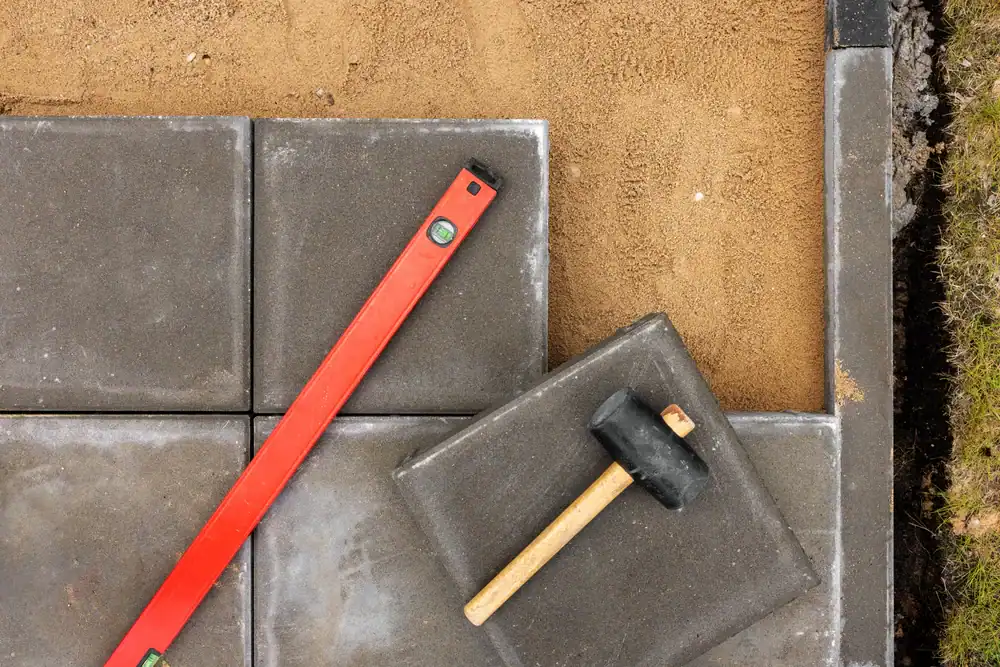
Next, we excavate. That means removing 8-10 inches of unstable soil and replacing it with compacted gravel base layers. This is where cheap jobs fall apart. If the base isn’t right, nothing on top of it matters. We’re not rushing this.
Then we install your surface—pavers, concrete, brick, whatever fits your budget and goals. If you’re going with pavers, we’re setting them so water drains through the joints instead of pooling. If it’s concrete, we’re grading it so runoff moves away from your foundation. We also handle borders, aprons, and any custom work you want.
Last, we clean up and walk you through maintenance. You’ll know what to expect, how long it should last, and what to watch for. We’re not disappearing the day we finish.
Ready to get started?
You’re getting a driveway that’s built for Blue Point’s weather. That means proper drainage solutions, not just a flat slab that looks good for six months. Long Island gets hit with heavy spring rains and brutal freeze-thaw cycles. If water can’t escape, it destroys your base from underneath.
We handle permitting, which most Blue Point towns require to make sure you’re working with licensed and insured contractors. We also handle disposal of your old driveway—that’s typically $2-8 per square foot that other companies bury in the fine print.
You’re also getting materials that match your goals. Brick driveway replacement in Blue Point, NY runs $18-23 per square foot, but it lasts 25-75 years with almost no maintenance. Concrete driveway installation in Suffolk County costs $7-13 per square foot and handles heavy loads. Asphalt is cheaper up front at $5-8 per square foot, but you’re resealing every 2-3 years and replacing it in 15-20.
We’ll walk you through what makes sense for your property, your budget, and how long you plan to stay. If you’re selling soon, that’s a different conversation than if you’re here for the next 20 years.
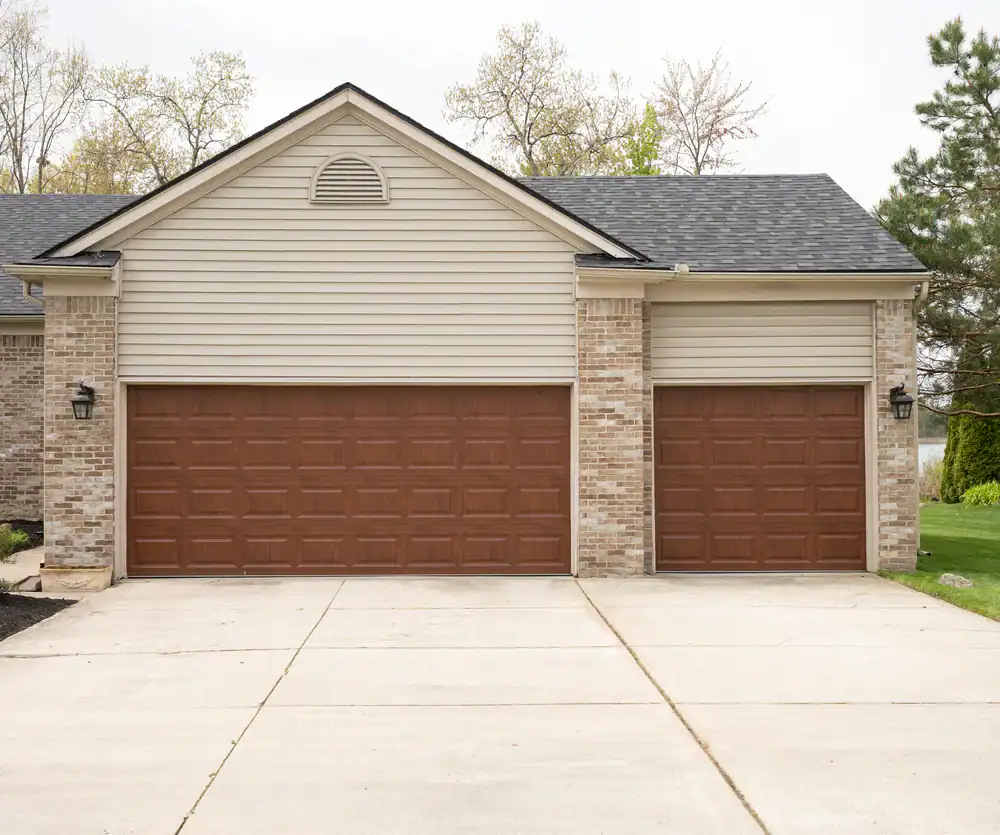
Most driveway projects take 3-7 days depending on size, material, and site conditions. That includes excavation, base prep, installation, and cleanup.
Weather affects timing more than anything else. If we get heavy rain mid-project, we’re not pouring concrete or compacting base layers until conditions are right. Rushing that step causes problems later. Same goes for extreme heat or freezing temps.
Paver driveways take a bit longer than concrete because each stone gets set individually. But you can drive on pavers the same day we finish. Concrete needs 7 days to cure before you put vehicles on it. If you’re in a hurry, that’s worth knowing up front.
Poor base preparation causes most sinking and cracking issues. If the contractor didn’t excavate deep enough or didn’t compact the gravel base properly, your driveway will settle as soon as weight and water hit it.
Blue Point sits on a mix of clay and sandy soil depending on how close you are to the coast. Clay expands when wet and contracts when dry. Sand shifts if it’s not compacted. Both cause movement under your driveway. That’s why we excavate 8-10 inches and use multiple compacted gravel layers.
Drainage is the other big factor. Water that can’t escape sits under your driveway and weakens the base. When winter comes, that water freezes, expands, and creates heaving. Then it thaws and leaves voids. That cycle destroys driveways faster than anything else. Fixing cracked concrete driveways costs more than doing it right the first time.
It depends on your budget, how long you’re staying, and how much maintenance you want to deal with. Asphalt is cheapest up front at $5-8 per square foot, but you’re resealing every 2-3 years and replacing it in 15-20 years. Total cost over 20 years is higher than you think.
Concrete costs $7-13 per square foot and lasts longer with less maintenance. But when it cracks—and it will from freeze-thaw cycles—you’re looking at visible damage that’s hard to fix. It also stains easily and doesn’t handle Long Island winters as well as pavers.
Pavers cost $18-23 per square foot, which is more up front. But they last 25-75 years, they don’t crack like concrete, and water drains through the joints instead of pooling. If one paver gets damaged, you replace that one stone instead of cutting out a whole section. For Blue Point homeowners staying long-term, pavers usually make the most sense.
Yes, most driveway work in Blue Point and surrounding Suffolk County towns requires a permit. That permit process makes sure your contractor is licensed, insured, and following local codes for drainage and setbacks.
Some homeowners try to skip permits to save money or time. That’s a mistake. If the town catches unpermitted work, they can make you rip it out and start over. It also creates problems when you sell because title companies flag unpermitted improvements.
We handle the permitting process as part of the job. It’s not complicated, but it does add a week or two to the timeline depending on how backed up the building department is. Factor that in when you’re planning your project. If you’re trying to get this done before winter, start earlier than you think.
Look for water pooling in the same spots after every rain. That’s the most obvious sign. You might also see erosion along the edges, cracks that run parallel to the slope, or water stains on your foundation after storms.
If your basement gets damp or you’ve had water in your crawl space, check where your driveway drains. A lot of foundation problems in Blue Point start with driveways that slope the wrong way. Water flows toward the house instead of away from it, and you’re dealing with $10,000-$40,000 in foundation repairs.
Driveway drainage solutions on Long Island usually involve regrading the surface, adding French drains, or installing channel drains at the bottom of slopes. Sometimes it’s as simple as adjusting the pitch. Other times you need a full tearout and reinstall. We’ll tell you which one applies to your property after we look at it.
Our estimates include excavation, disposal of old materials, base preparation, installation, grading for drainage, and cleanup. We also include permitting costs if your town requires it. You’re not getting hit with surprise fees halfway through the job.
We break down material costs separately so you can see exactly what you’re paying for. If you want Belgian block borders or cobblestone aprons, those are line items you can add or remove based on budget. Same with sealing or additional drainage work.
What we don’t include: landscaping repairs if we have to dig beyond the driveway footprint, or utility line relocation if something’s in the way. Those situations are rare, but if they come up, we’ll tell you before we start digging. We’re transparent about what’s included and what’s not. If someone’s estimate seems too good to be true, they’re probably leaving things out.
Other Services we provide in Blue Point