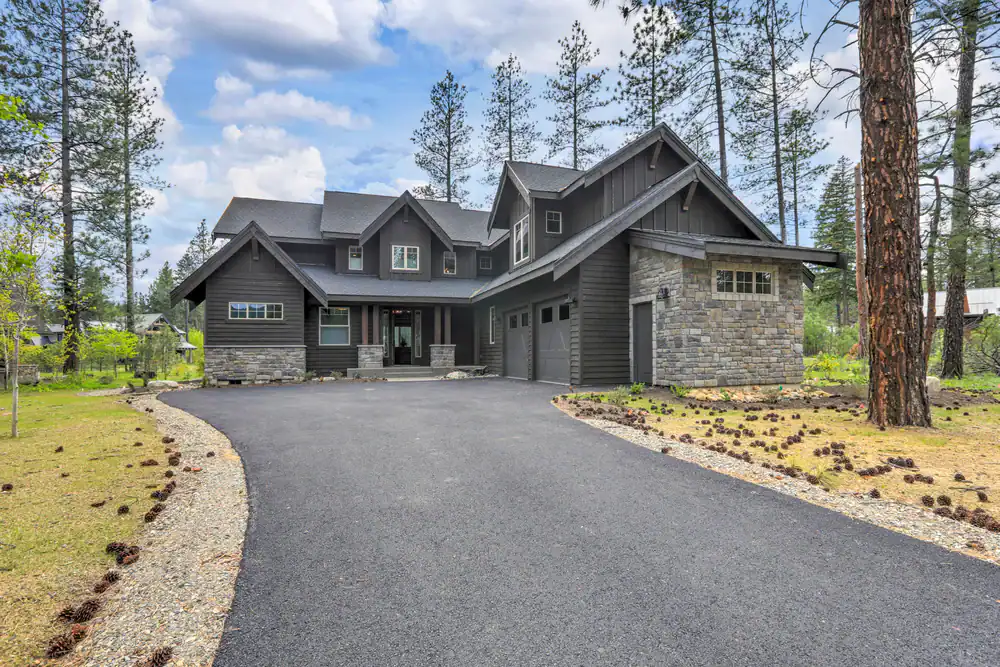

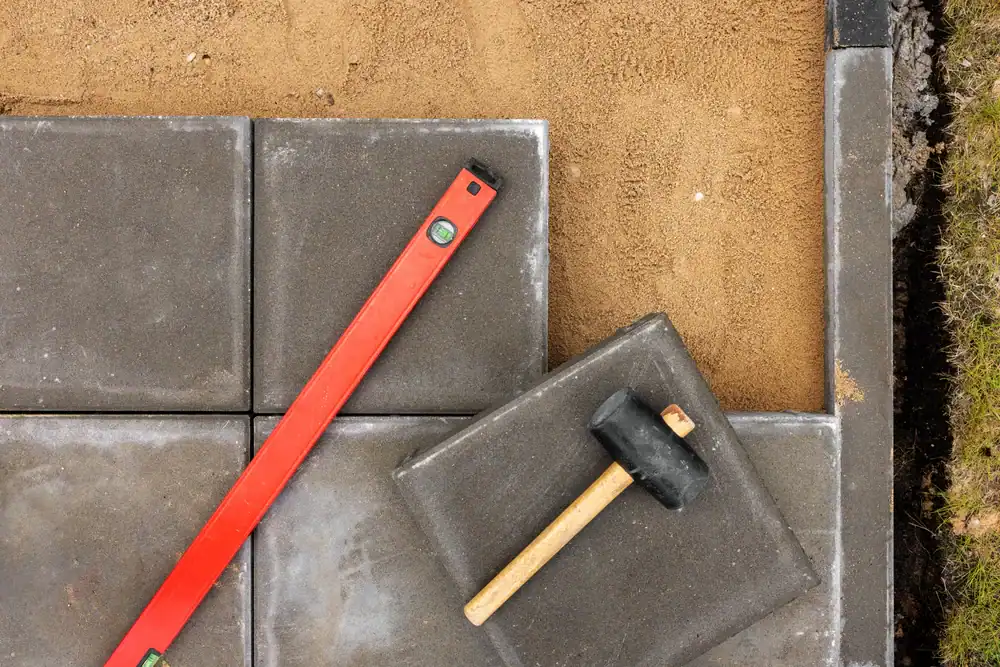
Your driveway stops being a problem. No more puddles that freeze into skating rinks every winter. No more cracks that turn into potholes by spring. No more wondering if you should’ve hired someone else.
When you work with local driveway contractors near you who know what Long Island weather does to concrete and asphalt, you get a surface built to handle it. That means proper drainage so water doesn’t pool near your foundation. It means a base thick enough that freeze-thaw cycles won’t crack everything apart in two years. It means materials chosen for durability, not just the lowest bid.
You also get your property value back. A driveway that looks like it’s falling apart tells buyers you’ve let things slide. A clean, well-installed driveway tells them the opposite. Whether you’re planning to sell or just tired of looking at the mess every time you pull in, fixing it makes a difference you’ll notice immediately.
We’ve been serving Center Moriches, NY and Suffolk County for over 30 years. We’re not new to this, and we’re not trying to figure it out as we go.
We know what works here because we’ve seen what fails. We’ve repaired driveways that were installed wrong the first time, and we’ve replaced surfaces that couldn’t handle Long Island’s weather. That experience matters when you’re choosing between asphalt, pavers, or concrete—and when you’re trusting someone to do the work without cutting corners.
You’ll work with people who show up when they say they will and finish the job the way it should be done. No inflated quotes halfway through. No disappearing after the deposit clears.
First, we come out and look at what you’re dealing with. We measure the space, check the drainage, and talk through what you want. If your driveway is sinking or cracking, we’ll tell you why and what it takes to fix it for good.
Then we give you a quote that won’t change unless you change the scope. No surprises. No “we didn’t realize” excuses later. You’ll know what it costs before we start.
Once you’re ready, we prep the site. That means removing the old surface if it’s too far gone, grading for proper drainage, and laying a compacted base—usually at least three inches of asphalt over gravel, or the equivalent for pavers and concrete. This step matters more than most people realize. Skip it or rush it, and your driveway won’t last.
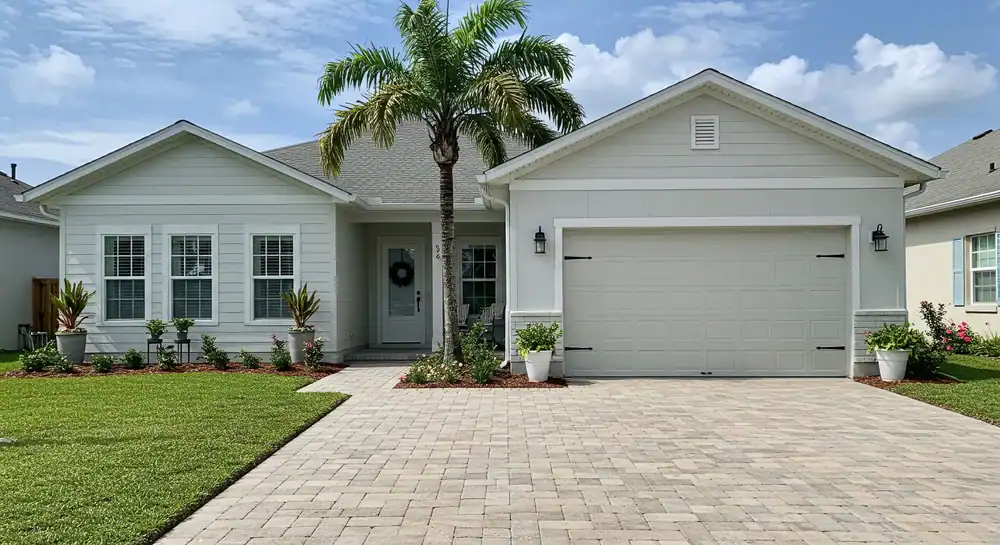
After that, we install your new surface. Whether we’re laying interlock stone pavers or pouring concrete with a smooth finish, the work gets done right. We clean up when we’re finished, and you’re left with a driveway that works.
Ready to get started?
You get a full driveway installation or replacement, depending on what your property needs. That includes site prep, grading, base installation, and the surface material you choose—asphalt, concrete, pavers, or brick driveway replacement in Center Moriches, NY.
If you’re dealing with sinking driveway repair in Center Moriches or fixing cracked concrete driveways in Center Moriches, we handle that too. We don’t just patch the surface and hope it holds. We dig down to the problem—whether that’s a weak base, poor drainage, or settling soil—and fix it so it doesn’t come back.
For homes with drainage issues, we install driveway drainage solutions on Long Island that redirect water away from your foundation and prevent pooling. We can also add cobblestone driveway aprons in Center Moriches or Belgian block borders in Center Moriches if you want a cleaner edge or a more finished look.
Every job is different, but the goal is the same: a driveway that handles traffic, weather, and time without falling apart. Long Island winters are tough on asphalt and concrete. We account for that in how we build.
If you’re seeing a few small cracks or one or two potholes, a repair might hold up. But if the damage is widespread—cracks everywhere, chunks missing, sections sinking—you’re better off replacing it.
Repairs work when the foundation is still solid. If the base has failed or the surface is crumbling in multiple spots, patching it is just buying time. You’ll end up paying for repairs now and a replacement later.
Another sign you need a replacement: if water pools in the same spots every time it rains. That usually means the grading is off or the base has settled unevenly. Fixing that requires tearing it out and starting over with proper drainage and a level base.
Asphalt is the most common because it’s cost-effective and handles freeze-thaw cycles better than concrete. It needs resealing every few years, but it’s durable and straightforward to maintain.
Concrete lasts longer—20 to 30 years if installed correctly—but it cracks more easily in cold climates. It also costs more upfront. If you go this route, make sure we account for Long Island weather with proper thickness and control joints.
Pavers and brick give you more design flexibility and are easier to repair if one section gets damaged. You can pull up individual pavers without redoing the whole driveway. They cost more than asphalt but less than stamped concrete, and they hold up well if the base is installed right.
Most residential driveways take two to five days, depending on size and material. Asphalt is usually faster—prep one day, paving the next. Concrete takes longer because it needs time to cure before you can drive on it.
Pavers take the longest because each stone has to be set individually, but the tradeoff is you can use the driveway sooner. There’s no curing time like with concrete.
Weather affects the timeline too. We can’t pour concrete or lay asphalt in freezing temps or heavy rain. If conditions aren’t right, we’ll reschedule rather than rush a job that won’t hold up.
Not if it’s installed correctly. Most driveways crack because the base wasn’t thick enough, the grading was off, or the contractor skipped steps to save time.
A proper installation includes at least three inches of compacted gravel base, correct thickness for the surface material, and grading that moves water away from the driveway. If those things are in place, your driveway should last 20 years or more without major issues.
Asphalt will develop small surface cracks over time—that’s normal. Sealcoating every few years keeps water from getting in and making them worse. Concrete can crack if the ground shifts or tree roots push up from below, but control joints help manage that. Pavers don’t crack the same way because they’re individual units, but they can shift if the base wasn’t compacted properly.
Asphalt runs about $7 to $15 per square foot depending on thickness and site conditions. A standard two-car driveway is usually between $3,000 and $7,000.
Concrete costs more—around $8 to $18 per square foot. Pavers and brick are higher, typically $10 to $25 per square foot, because of the labor involved.
The final price depends on how much prep work is needed. If we’re tearing out an old driveway, regrading for drainage, or dealing with a soft base, that adds to the cost. We’ll walk you through what’s required and why before you commit to anything.
Yes. We stand behind the work we do, and that includes a warranty on both materials and installation. The specifics depend on the type of driveway and the scope of the project, but you won’t be left guessing if something goes wrong.
If the driveway fails because of poor installation—settling, cracking due to a weak base, or drainage issues we should’ve caught—we’ll fix it. If it fails because a tree root grew under it or you drove a loaded dump truck over fresh asphalt, that’s a different conversation.
We’ve been doing this for over 30 years. We’re not going anywhere, and we’re not hiding behind fine print when a customer has a legitimate problem.
Other Services we provide in Center Moriches