

A driveway that doesn’t crack, sink, or pool water after the first winter isn’t luck. It’s proper base preparation and drainage planning from the start.
Out here between Amagansett and Montauk, you’re dealing with a high water table, shifting sands, and constant exposure to salt air. That means your driveway needs more than a standard installation. It needs someone who understands how coastal conditions affect everything from the sub-base to the surface material you choose.
When drainage is handled right, water moves away from your foundation instead of pooling in your driveway. Your edges don’t crumble. Your surface doesn’t develop those spiderweb cracks that turn into potholes. You’re not calling for emergency repairs every few years because the base failed.
You get a driveway that adds value to your property, handles Long Island winters, and doesn’t become a maintenance headache. That’s what proper installation looks like.
We’ve been handling driveway installation and masonry work across Nassau and Suffolk Counties for over 15 years. That’s enough time to see what holds up in coastal conditions and what fails after the first hard winter.
Our owner is present for every job. Not just the estimate, not just the final walkthrough—every aspect of the installation. That’s how we maintain an A+ BBB rating and six consecutive years winning the Angie’s List award.
We’re licensed, trained, and insured. We know Napeague’s unique challenges—the narrow coastal stretch, the exposure to wind and salt, the drainage issues that come with being sandwiched between the Atlantic and Napeague Bay. We’ve worked in these conditions long enough to know what actually works.
First, we assess your property’s drainage, soil conditions, and how you’ll actually use the driveway. Heavy trucks? Multiple vehicles? That affects material choice and base depth.
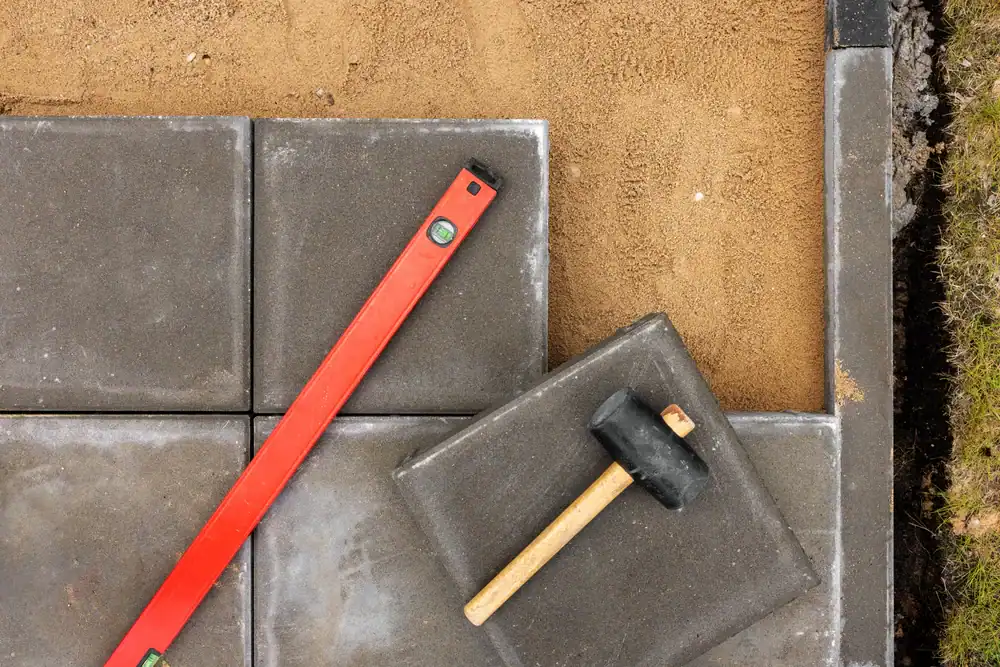
Next comes excavation and base preparation. This is where most driveways fail or succeed. We remove unstable soil, compact the sub-base in layers, and create proper slope for water runoff. In Napeague’s coastal environment, this step matters more than anywhere else on Long Island.
Then we install your chosen material—whether that’s paver, concrete, asphalt, or specialty options like Belgian block borders or cobblestone aprons. Each material gets installed according to manufacturer specs and local conditions, not shortcuts.
Finally, we handle edges and drainage features. Proper edging prevents crumbling. Drainage channels or catch basins keep water moving away from your foundation and driveway base.
You get a final walkthrough with our owner, clear maintenance guidelines for your specific material, and contact information for any questions down the road. No disappearing after the check clears.
Ready to get started?
We install paver driveways, concrete driveways, asphalt, brick, and specialty materials throughout Suffolk County. Each has advantages depending on your budget, aesthetic goals, and how much maintenance you want to handle.
Asphalt is making a comeback because it’s cost-effective, melts snow faster in winter, and holds up well when installed correctly. Concrete gives you more design options with stamped patterns and colors. Pavers offer the most flexibility for repairs—you replace individual pavers instead of repaving entire sections.
For coastal properties in Napeague, material choice matters because of salt exposure and freeze-thaw cycles. We’ll walk you through what holds up best for your specific location and usage patterns.
We also handle sinking driveway repair, fixing cracked concrete driveways, and driveway drainage solutions across Long Island. Sometimes you don’t need full replacement—just proper repair of failed sections or upgraded drainage to stop ongoing problems.
Every estimate includes material options, timeline, and what you’re actually paying for at each stage. No surprises, no upselling materials you don’t need.
Most driveway installations take three to seven days depending on size, material choice, and weather conditions. That includes excavation, base preparation, material installation, and final grading.
Coastal weather affects timelines more than people expect. We can’t pour concrete or lay pavers in heavy rain or when temperatures drop below certain thresholds. Asphalt needs specific temperature ranges for proper compaction. We’d rather delay a day than install something that won’t last.
The base preparation phase takes the most time because it’s the most critical. Rushing this step to meet an arbitrary deadline is how driveways fail in three years instead of lasting twenty. We give you realistic timelines upfront and update you if weather forces adjustments.
Poor drainage and inadequate base preparation cause most driveway failures in Napeague. When water sits under your driveway or doesn’t drain properly, it erodes the base material. Freeze-thaw cycles make this worse—water expands when it freezes, creating pressure that cracks surfaces and shifts the base.
Coastal areas deal with higher water tables and more moisture exposure than inland properties. Salt air accelerates concrete deterioration if the mix isn’t designed for coastal conditions. Shifting sands under the base layer can create voids that lead to sinking.
Edge failures happen when water runs off your driveway and erodes the supporting soil along the perimeter. Vehicles driving too close to edges compound this problem. Proper installation includes edge restraints and drainage features that direct water away from vulnerable areas. Skipping these steps saves money upfront but costs more in repairs later.
Driveway installation in Napeague typically ranges from $8 to $25 per square foot depending on material choice, site conditions, and project complexity. Asphalt runs $8-12 per square foot. Concrete costs $10-18 per square foot. Pavers range from $15-25 per square foot.
These are ballpark figures. Your actual cost depends on how much excavation is needed, whether we’re dealing with drainage issues, and what prep work your specific site requires. Coastal properties sometimes need additional base depth or drainage features that inland driveways don’t require.
We provide free estimates that break down exactly what you’re paying for—materials, labor, base preparation, drainage work, and any specialty features like Belgian block borders or decorative elements. We won’t be undersold, and we’ll beat any written estimate you receive. But we also won’t cut corners on base preparation or drainage to hit a lower price point. That’s how you end up needing repairs in three years instead of getting twenty years from your investment.
There’s no single “best” material—it depends on your budget, maintenance preferences, and aesthetic goals. But some materials handle coastal conditions better than others.
Asphalt performs well in coastal areas because it flexes with temperature changes and handles freeze-thaw cycles better than rigid materials. It’s also the most cost-effective option and melts snow faster in winter. Concrete lasts longer but requires proper mix design for salt exposure and can crack if the base isn’t perfect. Pavers offer the best repair flexibility—you replace damaged sections without redoing the entire driveway.
For Napeague specifically, we see the best long-term results with properly installed asphalt or permeable pavers that allow water drainage. Both handle the constant moisture exposure and temperature swings you get between the ocean and bay. Whatever material you choose, the installation quality matters more than the material itself. A properly installed asphalt driveway outlasts a poorly installed paver driveway every time.
Yes, most driveway installations in Napeague require permits from the Town of East Hampton. Requirements vary based on project scope, property location, and whether you’re replacing an existing driveway or creating a new one.
New driveway installations typically need site plan approval, especially if you’re changing drainage patterns or increasing impervious surface area. Replacement driveways have simpler requirements but still need permits to ensure proper setbacks and drainage compliance. Properties near wetlands or in flood zones face additional restrictions.
We handle permit applications as part of our service. We know what East Hampton requires, how long approvals take, and how to avoid common issues that delay projects. Skipping permits might seem like a shortcut, but it creates problems when you sell your property or need insurance claims. Unpermitted work can force you to rip out a perfectly good driveway and start over. Not worth the risk.
Maintenance depends on your driveway material, but a few practices apply across the board. Keep your driveway clean—sweep off sand, salt, and debris regularly. Seal cracks when they’re small instead of waiting until they become potholes. Address drainage issues immediately when you notice water pooling.
Asphalt driveways need resealing every 2-3 years to protect against salt and UV damage. Concrete benefits from sealing too, though less frequently. Pavers need occasional re-sanding of joints and edge maintenance to prevent shifting. All materials last longer when you avoid heavy vehicles parking in the same spot repeatedly and keep edges clear of soil buildup.
For coastal Napeague properties, pay extra attention after winter storms. Salt exposure accelerates wear on all materials. Rinse your driveway after storms when possible. Check for edge erosion and drainage problems before they undermine your base. Small maintenance steps now prevent expensive repairs later. We provide specific maintenance guidelines based on your material choice and property conditions when we complete your installation.
Other Services we provide in Napeague