

You’re tired of watching water sit on your driveway for hours after it rains. That’s what happens when contractors skip the drainage work or don’t understand Nassau County’s clay soil.
Clay doesn’t drain like sand. It holds water, and when your driveway wasn’t built with that in mind, you get pooling, settling, and cracks within a few years. Then you’re looking at repairs or a full replacement sooner than you should.
A properly installed driveway in North Valley Stream starts below the surface. Deeper gravel bases, correct slope planning, and sometimes French drains when the soil test shows you need them. That’s what keeps water moving away from your foundation instead of sitting there causing problems. You’ll see the difference after the first heavy rain.
We’re Ageless Chimney, and we’ve worked in North Valley Stream and across Nassau County for over two decades. We know what clay soil does to driveways that aren’t installed correctly, and we know how to prevent it.
You’re not getting a crew that learned masonry somewhere else and thinks Long Island soil is the same. We’ve seen what happens when contractors cut corners on base prep or ignore drainage. Those driveways fail early, and homeowners end up paying twice.
We handle the full process: site evaluation, permits when needed, proper base installation, and the final surface whether you want pavers, concrete, or brick. You get a driveway installation company in North Valley Stream that understands local building codes and actually builds for the conditions here.
We start with a site evaluation. That means checking your drainage patterns, testing soil conditions, and looking at how water moves across your property. If you’ve got clay soil issues or grading problems, we catch them before we dig.
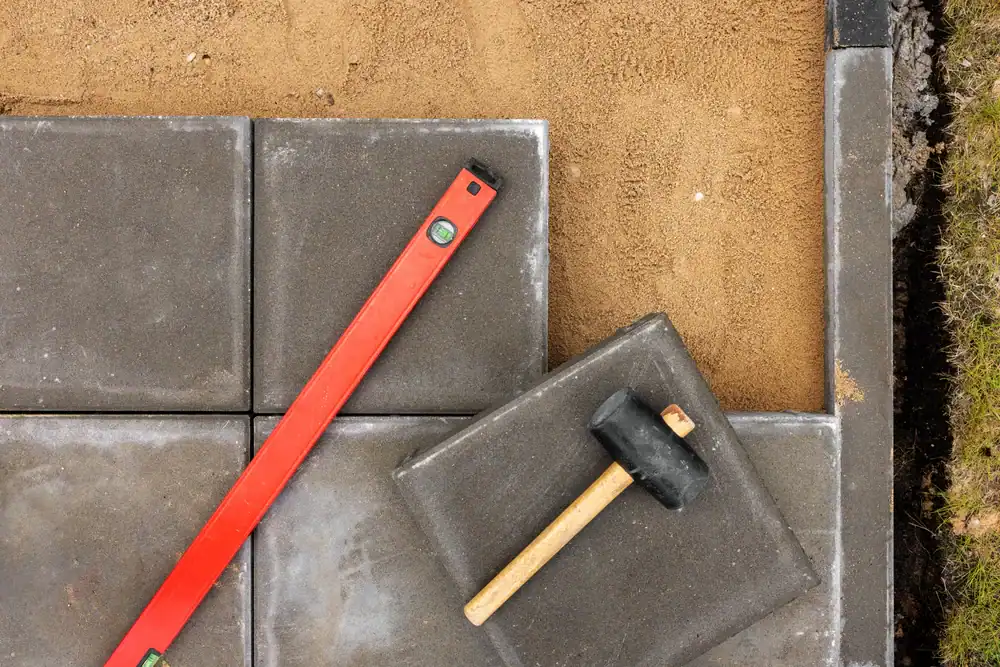
Next is excavation and base prep. We remove the old surface, dig down to stable soil, and install a gravel base that’s deep enough for Nassau County conditions. This is where most driveway failures start, so we don’t rush it. Edge restraints go in to keep everything locked in place.
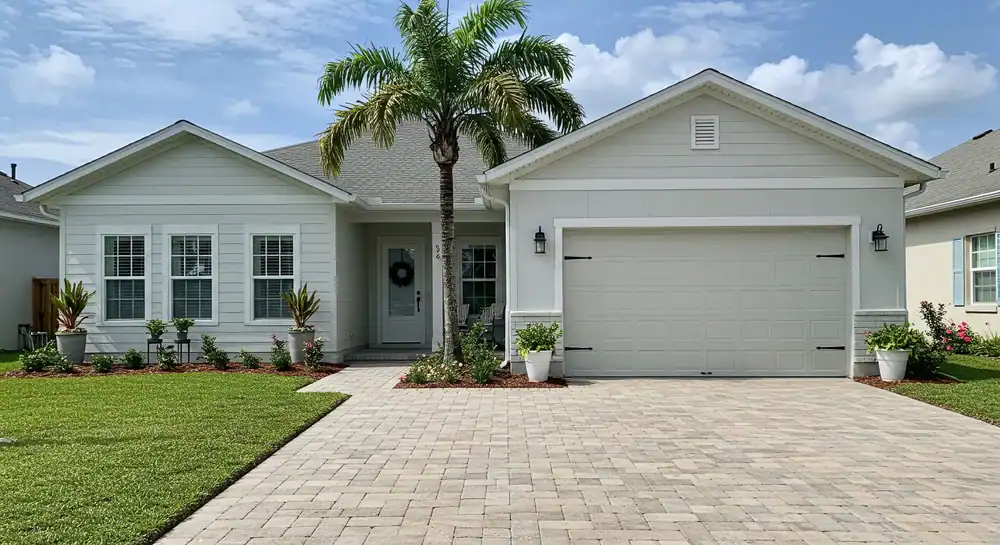
Then we install your surface. Pavers get set with precise joint spacing and pattern alignment. Concrete gets poured with proper slope and control joints. Brick gets laid with attention to drainage and longevity. We finish with joint sand for pavers or proper curing for concrete, and you’re left with a driveway that’s built to last 25-30 years.
Ready to get started?
You get a complete installation designed for North Valley Stream’s clay soil and freeze-thaw cycles. That includes soil testing, drainage planning, proper base depth, and surface installation with materials that hold up to Long Island winters.
We handle concrete driveway installation in Suffolk County and Nassau County, paver driveways with Belgian block borders, brick driveway replacement, and cobblestone driveway aprons. If you need your driveway widened for extra parking or extended to reach a new garage, we do that too.
You also get sinking driveway repair and fixing cracked concrete driveways when replacement isn’t necessary yet. Sometimes the problem is drainage, not the driveway itself. We’ll tell you what actually needs to be done instead of selling you a full replacement if you don’t need one.
Every project comes with warranty coverage for materials and workmanship. You’re not left hoping it holds up. We’ve been doing this for 20+ years in Nassau County, and we stand behind the work.
A properly installed paver driveway in North Valley Stream typically lasts 25 to 30 years or longer with minimal maintenance. The key word there is “properly installed.”
North Valley Stream sits on clay-heavy soil that doesn’t drain like the sandy soil you’ll find in parts of Suffolk County. If your base isn’t deep enough or your contractor skips the drainage planning, you’ll see settling and shifting within a few years. That’s not a paver problem. That’s an installation problem.
When we install paver driveways, we dig deeper, add more base material, and plan for water movement. Pavers themselves handle freeze-thaw cycles better than concrete because they can flex slightly without cracking. If one paver does get damaged, you replace that one piece instead of cutting out a section of concrete. That’s why homeowners here choose pavers when they want something that lasts and stays looking good.
Water pools on your driveway because it’s not draining correctly, and in North Valley Stream, that usually comes down to clay soil and poor grading.
Clay soil holds onto water. It doesn’t absorb it quickly like sand, so if your driveway doesn’t have the right slope or if the base wasn’t installed with drainage in mind, water just sits there. You’ll see it pooling in low spots, and if your driveway slopes toward your house or garage, that water can cause foundation problems over time.
The fix depends on what’s causing it. Sometimes it’s a grading issue where we need to adjust the slope. Other times, the base is too shallow or wasn’t compacted correctly, and water has nowhere to go. In the worst cases, you need a French drain installed to move water away from the driveway entirely. We do a site evaluation to figure out exactly what’s happening and what it’ll take to fix it for good.
Concrete and pavers both work in Nassau County, but they handle our clay soil and weather differently.
Concrete is poured as one solid surface. It’s durable and smooth, but it cracks over time, especially with freeze-thaw cycles. Once it cracks, you’re looking at visible repairs or resurfacing. Concrete also stains permanently, and you can’t just replace one section without it being obvious. The upside is it’s usually less expensive upfront.
Pavers are individual pieces set on a gravel base with joint sand in between. They handle freeze-thaw better because they can flex slightly without cracking. If one paver gets damaged or stained, you replace that piece. Pavers also give you more design options with different colors, patterns, and borders like Belgian block. The textured surface gives you better traction when it’s wet. The downside is they cost more initially, but they last longer with less maintenance.
If you’re in North Valley Stream dealing with clay soil, pavers usually hold up better long-term because they’re more forgiving when the ground shifts slightly.
If your driveway is sinking, the first question is why it’s sinking. That tells you whether repair is an option or if you’re looking at replacement.
Most sinking driveways in North Valley Stream come down to base failure or drainage problems. If the base wasn’t thick enough or wasn’t compacted correctly, it settles over time, especially in clay soil. If water is pooling underneath because drainage wasn’t planned, that washes out the base material and creates voids.
For paver driveways, sinking can often be repaired. We lift the pavers, add base material, recompact everything, and reset the pavers. It’s not cheap, but it’s less than full replacement. For concrete, your options are limited. You can do mudjacking or foam injection to lift sunken sections, but if the slab is also cracked or the problem is widespread, replacement makes more sense.
We’ll come out, look at what’s happening, and tell you honestly whether repair will actually fix it or if you’re just delaying the inevitable. Sometimes spending money on a repair now means you’re still replacing it in two years.
It depends on what you’re doing. If you’re replacing an existing driveway with the same footprint, you usually don’t need a permit in North Valley Stream. If you’re expanding your driveway, changing the drainage, or adding new impervious surface, you likely do.
Nassau County has specific requirements about how much of your property can be covered with impervious surfaces like driveways, and they care about where stormwater goes. If your project affects drainage or adds square footage, the town wants to review it.
We handle permit coordination when it’s needed. That includes submitting plans, working with the building department, and making sure everything meets local codes. We also check for utilities before we dig because the last thing you want is a crew hitting a gas line or water main.
The short answer: we figure out if you need a permit and handle it if you do. You don’t have to deal with the town yourself.
Driveways crack in Long Island’s clay soil because of freeze-thaw cycles, poor base preparation, and water movement. Clay makes all of those problems worse.
When water gets into cracks or under your driveway, it freezes in winter and expands. That expansion pushes concrete apart or shifts pavers. Then it thaws, and the ground settles unevenly. Do that over a few winters, and you’ve got cracks spreading across your driveway.
Clay soil holds water longer than sandy soil, so you’ve got more freeze-thaw action happening under your driveway. If the base wasn’t installed deep enough or if drainage wasn’t planned correctly, water sits under there and does damage every winter. That’s why proper base depth and drainage matter so much here.
The other issue is ground movement. Clay expands when it’s wet and contracts when it’s dry. If your driveway base isn’t thick enough to buffer that movement, the surface cracks. Concrete is rigid, so it cracks visibly. Pavers handle it better because they can shift slightly without breaking. Either way, the fix is building the base correctly from the start.
Other Services we provide in North Valley Stream