

Your driveway takes a beating every winter. Long Island’s freeze-thaw cycles don’t just crack concrete—they destroy poorly installed bases, wash out joint sand, and leave you with sinking pavers by spring. You’re not looking for another temporary fix.
What you need is a driveway installation company in Old Brookville, NY that understands Suffolk County’s clay soil and drainage challenges. One that knows how water sits in your base during temperature swings and multiplies damage with every freeze.
When the installation is done right the first time, you’re looking at 25 to 50 years of durability. Individual pavers can be replaced if damaged—no need to rip out entire sections like you would with cracked concrete. Belgian block borders hold their edges. Proper drainage keeps water moving instead of pooling. And you stop spending money every spring on repairs that don’t actually solve anything.
We’ve worked on over 200 Long Island homes since 2003. Owners Bobby Bruno and Sherwood Adams oversee every project personally—not because we don’t trust our crews, but because estate properties in Old Brookville, NY demand attention to detail that matches the neighborhood.
We’re not just chimney specialists who dabble in driveways. Our masonry division handles everything from paver driveway installation to Belgian block aprons to complete driveway replacements. We understand what quality means to homeowners in communities where properties start at $1.5 million and expectations run even higher.
You’ll work directly with people who live and operate in this area. We know the soil conditions, the drainage issues on rolling terrain, and the climate challenges that come with coastal temperature fluctuations. That local knowledge shows up in how your driveway performs five winters from now.
We start with your property’s specific drainage and grading challenges. Old Brookville’s rolling terrain means water doesn’t always flow where you’d expect. We map out where water goes, how it affects your driveway base, and what needs to happen to keep it moving away from your foundation.
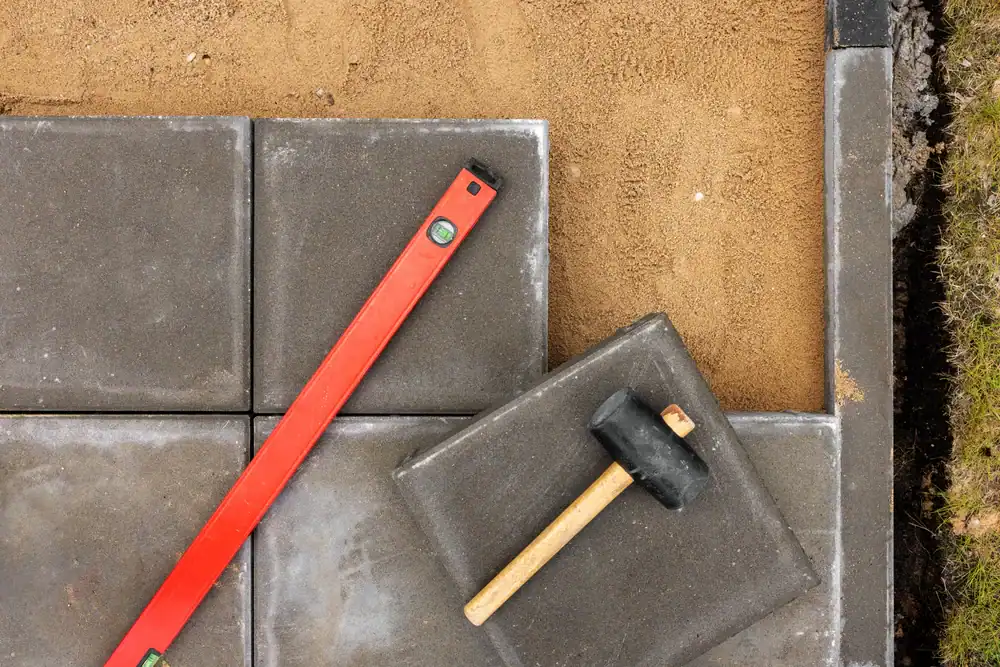
Next comes excavation and base preparation. This is where most driveways fail or succeed. We’re dealing with clay soil that holds water, so the base material and compaction process matters more than the pavers you see on top. Proper edge restraints go in before any surface material gets laid.
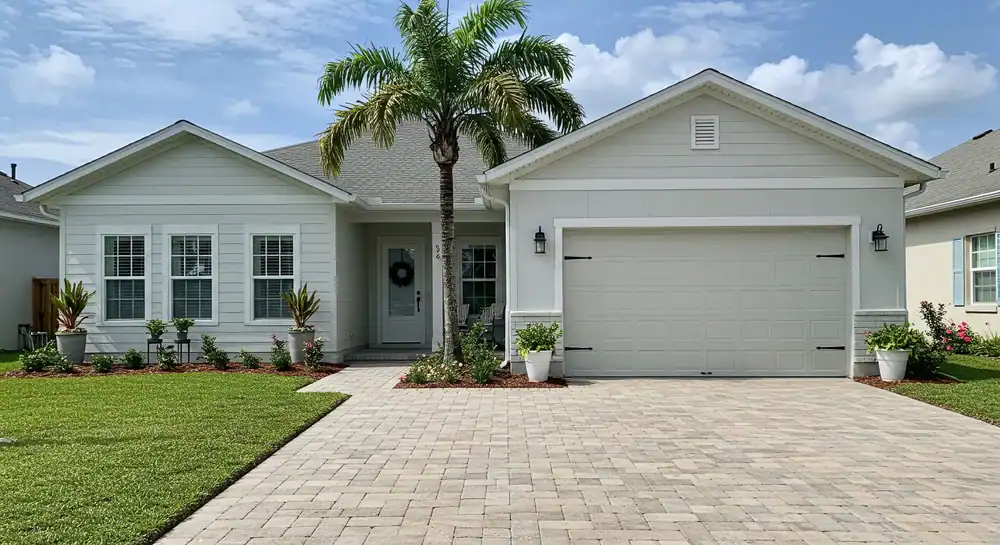
Then comes installation of your pavers, concrete, or Belgian block—whatever matches your home’s architectural style and your functional needs. If you’re extending an existing driveway or adding parking areas, we match materials and integrate new sections so you can’t tell where old ends and new begins. The final step is joint sand application and sealing if needed, which protects against spring washout and keeps everything stable through temperature swings.
Ready to get started?
You’re getting a driveway designed for Long Island’s specific climate conditions. That means base materials selected for freeze-thaw durability, drainage solutions that account for Suffolk County’s clay soil, and installation methods that prevent the spring damage you see on poorly done driveways throughout Old Brookville, NY.
Paver options include traditional brick, modern concrete pavers, and Belgian block borders that add estate-quality curb appeal. Concrete driveway installation in Suffolk County requires different techniques than other regions—we adjust mix designs and control joints based on local conditions. If you’re dealing with sinking driveway repair or fixing cracked concrete driveways in Old Brookville, NY, we assess whether you need spot repairs or full replacement.
The work includes proper grading for water management, which matters more than most homeowners realize. When water can’t drain from your driveway base, it sits there through every freeze-thaw cycle and multiplies damage. We also handle cobblestone driveway aprons and Belgian block borders that define your entrance and hold edges in place. These aren’t just decorative—they’re functional elements that prevent edge failure and add structural integrity to the entire installation.
You’re looking at 25 to 50 years when the base is done right. That’s not marketing language—that’s what happens when you account for Long Island’s freeze-thaw cycles during installation.
The key is base preparation. Suffolk County’s clay soil holds water, which is your enemy during temperature swings. If water can’t drain from the base, it freezes, expands, and shifts everything above it. Do that 30 or 40 times in a winter, and you’ve got sinking pavers by spring.
Quality installations use proper base materials, adequate depth, and correct compaction. Edge restraints keep pavers from shifting outward. Joint sand gets replenished before spring rains wash it away. When individual pavers do get damaged—from a snowplow, heavy equipment, or settling—you replace just those pieces instead of tearing out entire sections like you would with cracked concrete.
Freeze-thaw cycles combined with poor drainage. Long Island’s coastal location creates frequent temperature fluctuations around freezing, which means more freeze-thaw cycles rather than sustained cold. Each cycle does damage.
When water sits in your driveway base because drainage wasn’t planned correctly, it freezes and expands. Then it thaws. Then it freezes again. Multiply that by dozens of cycles each winter, and you get cracks in concrete or sinking sections in paver driveways.
Clay soil makes this worse because it doesn’t drain naturally. Water that should move away from your driveway just sits there, available for the next freeze. Poor installation compounds the problem—if the base wasn’t compacted properly or edge restraints weren’t installed, you’re fighting a losing battle. Most driveways that fail early have foundation issues, not surface problems. That’s why base preparation matters more than the material you see on top.
If you’re seeing multiple cracks, settling, or drainage issues, replacement makes more sense than patching. Here’s why: those cracks are symptoms of base failure, not surface problems.
You can fill cracks with sealant, but that doesn’t fix what’s happening underneath. If water is getting into the base and causing freeze-thaw damage, patching the surface just delays the inevitable. You’ll be back out there next spring doing the same repairs.
Replacement lets you address the actual problem—poor drainage, inadequate base preparation, or soil conditions that weren’t accounted for originally. With paver driveway installation in Old Brookville, NY, you also get the advantage of individual paver replacement down the road. Crack a section with a snowplow? Replace those pavers. With concrete, you’re looking at cutting out and replacing entire sections, which never matches perfectly. If your driveway is relatively new and damage is isolated to one area, targeted repair might work. But if you’re dealing with widespread issues or the driveway is 15-plus years old, starting over with proper installation saves money long-term.
Belgian blocks are granite stones that have been used in European streets for centuries. They’re virtually indestructible and provide a traditional, upscale appearance that fits Old Brookville’s architectural styles.
Regular pavers—whether concrete or clay brick—offer more color and pattern options but don’t have the same durability or historic character. Belgian blocks work especially well for driveway aprons, borders, and estate entrances where you want that classic look and maximum longevity.
The trade-off is cost and installation complexity. Belgian blocks require more labor to install properly because each stone needs individual placement and leveling. They’re also heavier and more expensive than standard pavers. But if you’re maintaining a property where aesthetics and permanence matter, Belgian block borders and aprons make sense. Many Old Brookville homeowners use them as accents—bordering a paver or concrete driveway—to get the visual impact without the full cost of an all-Belgian-block installation.
We start by mapping where water actually goes on your property, not where it should go in theory. Rolling terrain means water follows grades that aren’t always obvious, and Old Brookville’s soil conditions mean it doesn’t absorb the way you’d want.
Driveway drainage solutions in Long Island require planning water movement away from both your driveway base and your home’s foundation. That might mean adjusting grades, installing drainage channels, or creating swales that redirect water to appropriate areas. The goal is keeping water moving, not letting it pool anywhere near your driveway.
Clay soil makes this more critical because water doesn’t percolate down—it runs across the surface or sits in place. During installation, we build proper slope into the driveway itself so water sheds to the sides rather than pooling in the center or near your garage. Edge drains can be added if needed. For properties with significant drainage challenges, we sometimes recommend permeable pavers in specific areas, though these require more maintenance in our climate. The key is designing the solution for your specific property’s topography and soil conditions, not using a one-size-fits-all approach.
Less than you’d think, but the maintenance you do matters. The biggest concern is joint sand replenishment and periodic sealing.
Joint sand keeps pavers locked together and stable. Spring rains wash it away, especially after winter when freeze-thaw cycles have already loosened things up. Check your joints each spring and add sand where needed. This takes a couple hours and prevents bigger problems.
Sealing protects against oil stains, makes cleaning easier, and helps lock in joint sand. You’re looking at resealing every two to three years depending on traffic and weather exposure. Some homeowners skip this, but it extends the life of your driveway and keeps it looking better.
If individual pavers crack or settle, replace them when you notice it. That’s the advantage of pavers over concrete—you fix the specific problem without major reconstruction. Keep edges clear of soil buildup, which can push against edge restraints and cause shifting. And if you’re plowing snow, use plastic or rubber edges on your plow blade to avoid catching paver edges. That’s about it. Compare that to concrete, where you’re dealing with crack sealing, surface degradation, and eventual replacement of entire sections.
Other Services we provide in Old Brookville