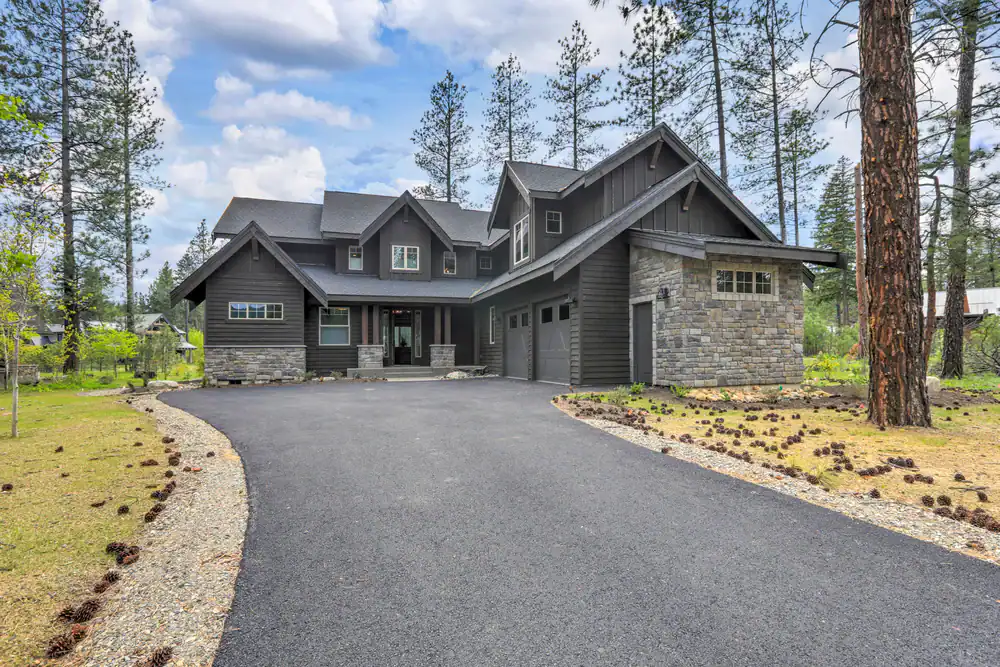
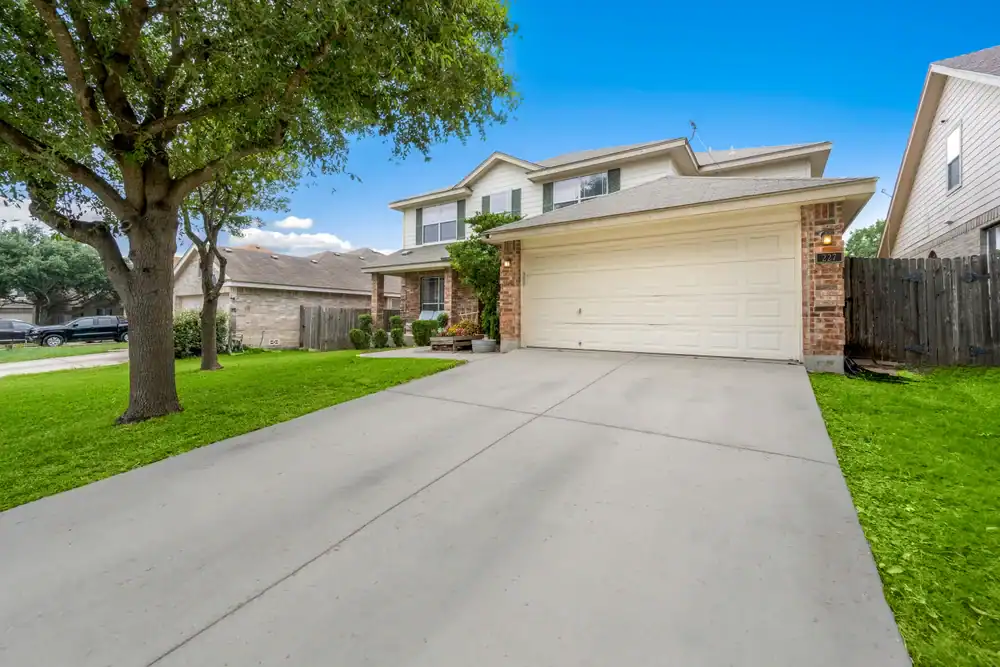
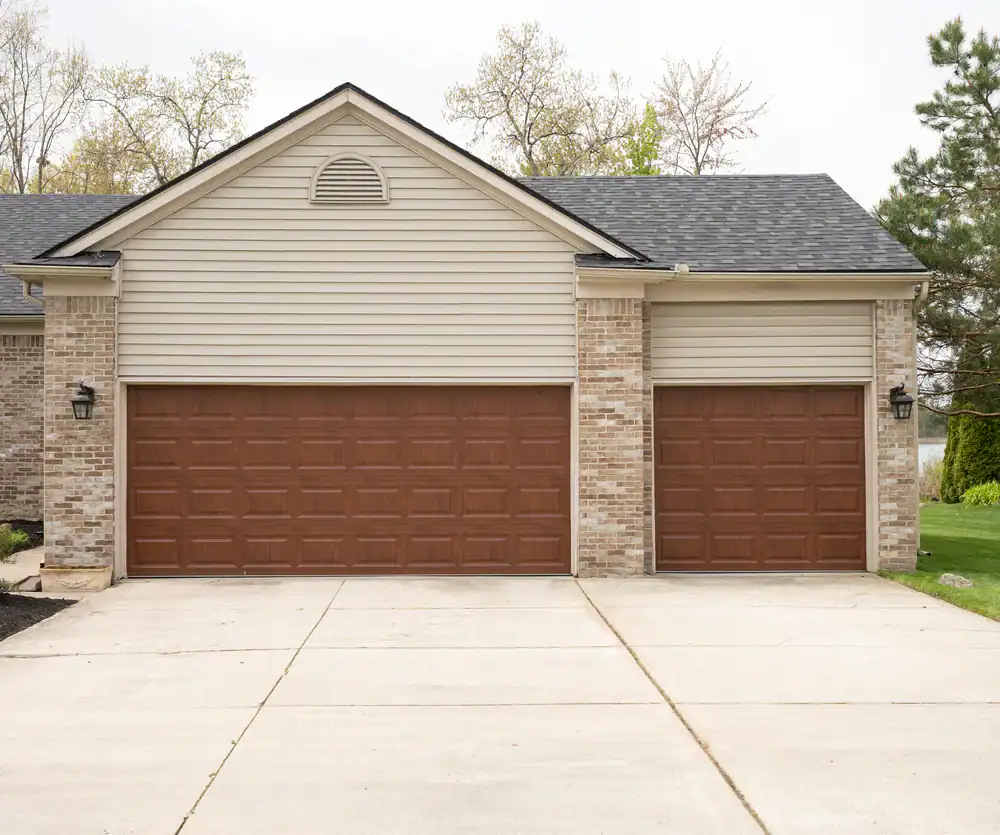
Your driveway takes a beating from freeze-thaw cycles, heavy vehicles, and coastal weather. We build and repair driveways in Riverside, NY that handle it all.
I highly recommend these guys. (Bob/Christian)They came right on time and were extremely neat and professional. They did a great job at a reasonable price.
Tommy Glenn
I have been using Bobby and Sherwood for years. I highly recommend them. They did chimney repair and chimney sweep. Great work, great guys.
Ingrid V.
Highly recommend Ageless chimney. They were polite, professional and got the job done in one day, left my property as clean as they found it. Very happy!
Brian Nolin
Outstanding work, great service, and extremely reliable!!
Custom Driveway Replacement in Riverside, NY
Stop Throwing Money at Temporary Fixes
You’ve probably noticed the cracks getting wider each winter. Maybe water pools near your garage after every storm. Or your driveway looks so worn down that you’re embarrassed when guests pull up.
Here’s what happens when your driveway is actually built right: water drains away from your foundation instead of pooling and freezing. The surface stays level, so you’re not tripping or scraping your car. And you stop budgeting for repairs every spring because the materials were chosen to handle Long Island’s climate from day one.
A properly installed driveway in Riverside, NY doesn’t just look better. It protects your foundation, increases your property value, and gives you one less thing to worry about when the temperature drops below freezing for the third time in a week.
Local Driveway Contractors Near Me
We've Been Doing This Since 2003
We’ve served Riverside, NY and the surrounding Suffolk County area for over 20 years. We’re not a national franchise that rotates crews through your neighborhood. Every project is owner-supervised, which means the person who quotes your job is the same person making sure it’s done right.
We’re licensed, insured, and A-rated with the BBB. Our clients in Riverside know us for chimney work, but they call us back for driveways, patios, and walkways because we understand masonry. We know what materials hold up in this climate and which shortcuts lead to callbacks.
You’re not getting a sales pitch from us. You’re getting straight answers about what your driveway needs and what it’ll cost.
Driveway Installation Company in Riverside, NY
Here's How We Handle Your Driveway Project
First, we come out to look at what you’re dealing with. We check drainage, measure the area, and talk through what’s causing the problem. If it’s a repair, we’ll tell you whether patching makes sense or if you’re better off replacing it. If it’s new construction, we discuss materials—pavers, concrete, or asphalt—and what works best for your budget and how you use the space.
Once you approve the estimate, we prep the base. This is the part most contractors rush, and it’s why driveways fail. We excavate to the right depth, grade for proper drainage, and compact the base material so it doesn’t shift when the ground freezes.
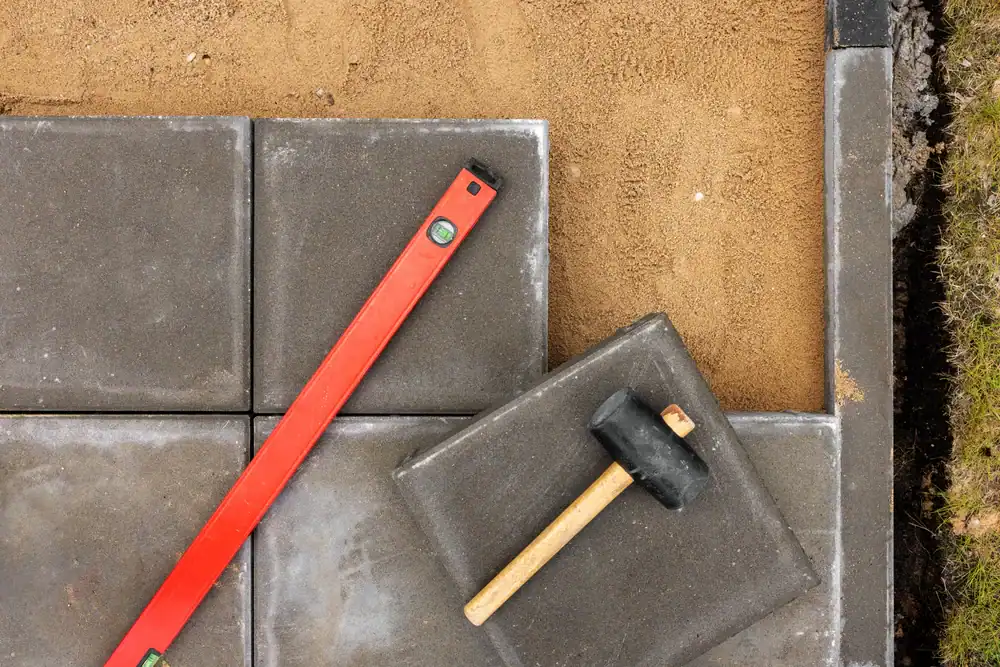
Then we install your driveway. For pavers, that means setting each one level with tight joints. For concrete, it’s forming, pouring, and finishing it so water runs off instead of sitting. We clean up completely when we’re done, and you’re left with a driveway that does its job without needing constant attention.
When you hire us for driveway work in Riverside, NY, you’re getting a crew that knows how to handle Long Island’s conditions. We install paver driveways, pour concrete driveways, and repair existing surfaces that are cracking or sinking.
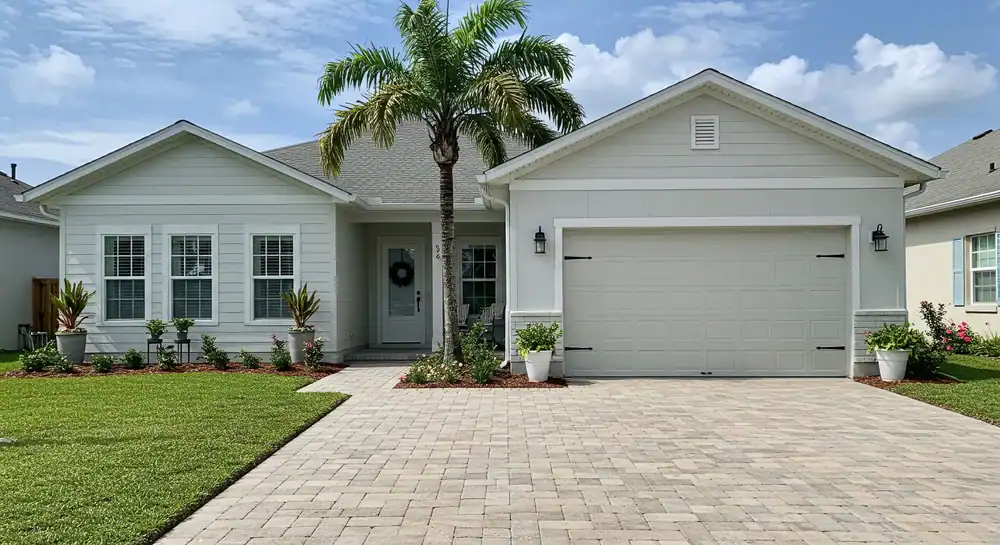
Pavers are popular here because they flex with freeze-thaw movement instead of cracking like a solid slab. We offer concrete pavers in dozens of colors, plus Belgian block borders and cobblestone aprons if you want a more traditional look. For concrete driveway installation in Suffolk County, we focus on proper slope and control joints so the slab doesn’t heave or crack prematurely.
If your current driveway is sinking or has drainage problems, we fix that too. We’ll regrade the area, install drainage solutions if needed, and rebuild the base so the problem doesn’t come back. Fixing cracked concrete driveways in Riverside, NY often means addressing what’s happening underneath, not just sealing the surface.
You’ll also get a written estimate, a timeline, and an owner who’s reachable if something comes up. We’re licensed and insured, and we don’t disappear after the job’s done.
How much does a new driveway cost in Riverside, NY?
It depends on size, material, and site conditions. A standard two-car asphalt driveway runs between $4,600 and $8,100 for a 24×40 area. Concrete costs a bit more, usually $5 to $8 per square foot. Pavers are the premium option, starting around $10 per square foot, but they last longer and handle freeze-thaw cycles better than asphalt or concrete.
If your site has drainage issues or needs significant excavation, that adds to the cost. We give you a written estimate after we see the property, so there’s no guessing. And if the damage is bad enough that repair costs are approaching replacement costs, we’ll tell you—it’s usually smarter to start fresh than to keep patching.
Why does my driveway keep cracking every winter?
Long Island’s freeze-thaw cycles are brutal on driveways. Water gets into small cracks, freezes, expands, and makes the crack bigger. This happens over and over all winter, especially when temperatures swing above and below freezing multiple times per week.
If the base wasn’t installed correctly, that makes it worse. A poorly compacted base shifts when the ground freezes, which creates stress points in the surface. Asphalt and concrete expand and contract as one solid piece, so any weak spot becomes a crack. Pavers handle this better because each unit moves independently.
The fix isn’t just sealing cracks. You need proper base prep, good drainage, and materials that can handle movement. That’s how you stop the cycle of cracking every spring.
Should I choose pavers, concrete, or asphalt for my driveway?
Asphalt is the cheapest upfront but needs resealing every few years and typically lasts 15-20 years. Concrete costs more initially, lasts longer, but when it cracks, repairs are obvious and expensive. Pavers cost the most upfront but handle freeze-thaw cycles better, last 25+ years, and if one breaks, you replace just that paver—not the whole driveway.
For Riverside, NY, pavers make sense if you’re planning to stay in your home and want something low-maintenance. Concrete works if you want a clean, modern look and are okay with occasional crack repairs. Asphalt is fine if you’re on a tight budget and don’t mind regular maintenance.
We’ll walk you through the pros and cons based on your budget, how you use the driveway, and how long you plan to stay in the house.
How do I know if my driveway needs repair or replacement?
If the damage covers less than 25% of the surface and the base is still solid, repair usually makes sense. Small cracks, minor settling, or surface wear can be patched or resurfaced without tearing everything out.
But if you’ve got widespread cracking, multiple sunken areas, or drainage problems causing water to pool, replacement is usually the better investment. Patching a failing driveway is like putting a band-aid on a broken bone—it might look better temporarily, but the problem’s still there.
We’ll tell you honestly which route makes sense. If repair costs are climbing close to replacement costs, or if the base is compromised, starting fresh saves you money in the long run. You’re not just paying for a prettier surface—you’re fixing the underlying issue so it doesn’t keep failing.
How long does driveway installation take in Riverside, NY?
Most residential driveways take 3-5 days from start to finish, depending on size and material. Demo and excavation usually take a day. Base prep and compaction take another day or two—this can’t be rushed if you want it done right. Then installation and finishing take 1-2 days.
For concrete, you’ll need to stay off it for about a week while it cures. Pavers can handle light foot traffic right away, but we recommend waiting a day before driving on them. Asphalt needs a day or two to cool and harden.
Weather affects the timeline. We don’t pour concrete if rain’s coming or if it’s too cold for proper curing. We’ll give you a realistic schedule when we quote the job, and we’ll let you know if anything changes.
Do you handle driveway drainage problems in Riverside, NY?
Yes. Poor drainage is one of the main reasons driveways fail on Long Island. If water pools on your driveway or runs toward your foundation, it’s going to cause problems—cracking, settling, foundation damage, ice buildup in winter.
We fix drainage issues by regrading the driveway so water runs off properly, installing channel drains if needed, and making sure the base allows water to percolate instead of sitting. For paver driveways, the joints between pavers let water drain naturally, which helps a lot.
If your property has serious drainage issues, we might recommend additional solutions like French drains or catch basins. We’ll assess the situation when we visit and explain what’s needed to keep water away from your driveway and foundation. Fixing drainage isn’t optional if you want your new driveway to last.