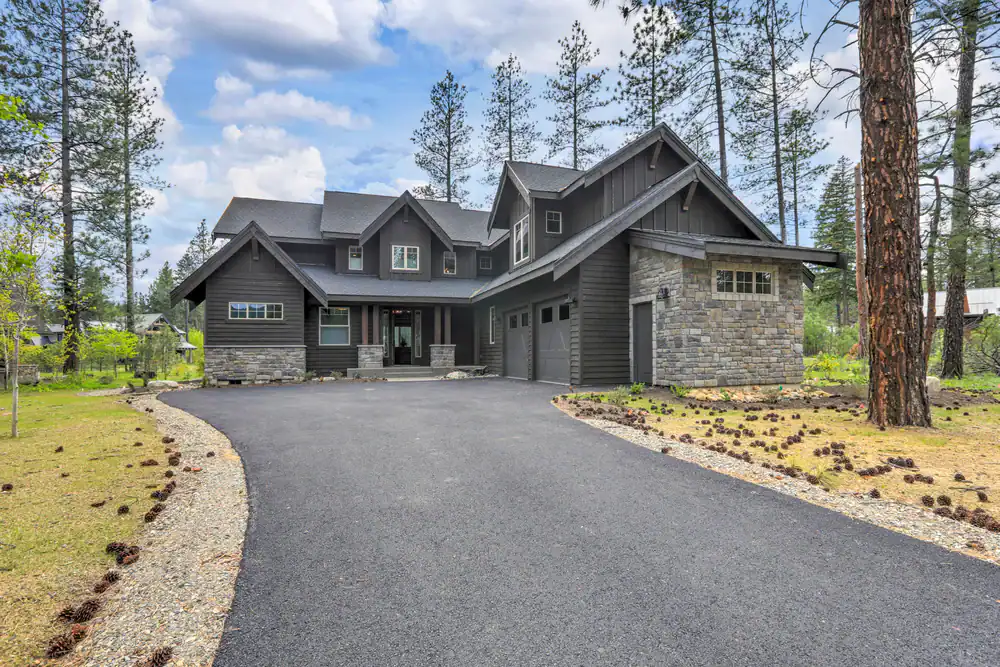

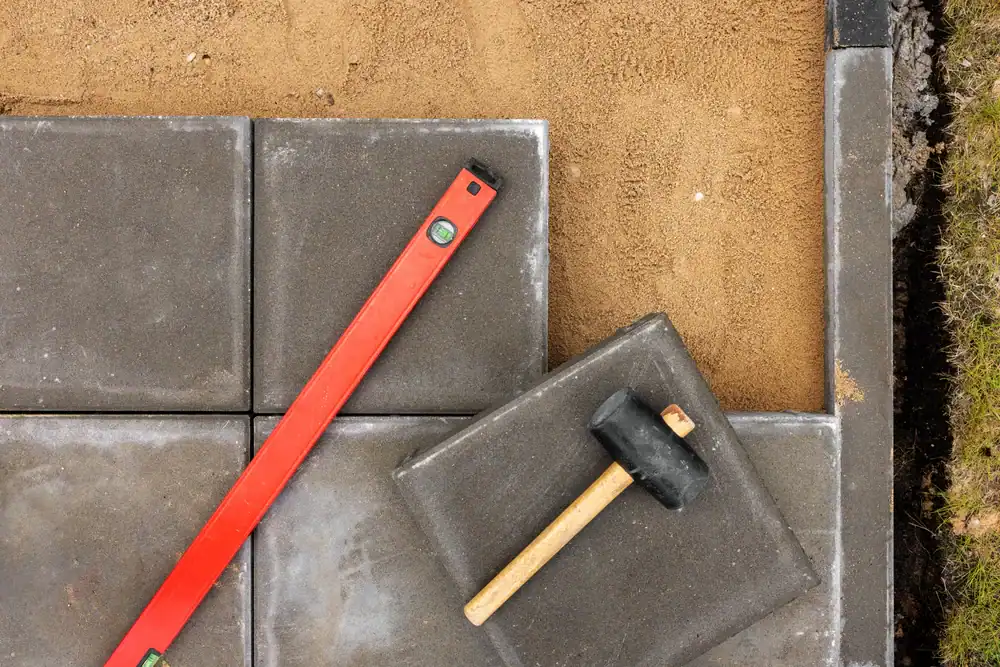
A properly installed driveway doesn’t pool water after rain. It doesn’t sink in sections or crack every winter. It doesn’t make your landscaping look worse or create mosquito breeding grounds in the low spots.
When the foundation is right and drainage is planned before anything gets poured or laid, you get a surface that holds up. One that doesn’t need constant patching. One that actually improves how your property looks and functions instead of dragging it down.
That’s what matters in Nassau County, where home values are high and first impressions count. Your driveway is the first thing people see. If it’s failing, everything else you’ve done to maintain your home gets overshadowed by cracks, stains, and uneven sections that scream “deferred maintenance.”
We serve Searingtown, NY and the surrounding Nassau County area with driveway installation and repair that’s done right the first time. No subcontractors. No surprises halfway through the job.
We own our equipment. We handle grading, drainage, and installation ourselves. That means when something needs adjusting on-site, it gets handled immediately—not after a phone call to someone else’s crew.
Searingtown homeowners deal with specific challenges: older properties with settled foundations, drainage issues from Long Island’s water table, and the need to maintain curb appeal in a competitive real estate market. We’ve seen what fails here and what lasts, and we plan every project around those realities.
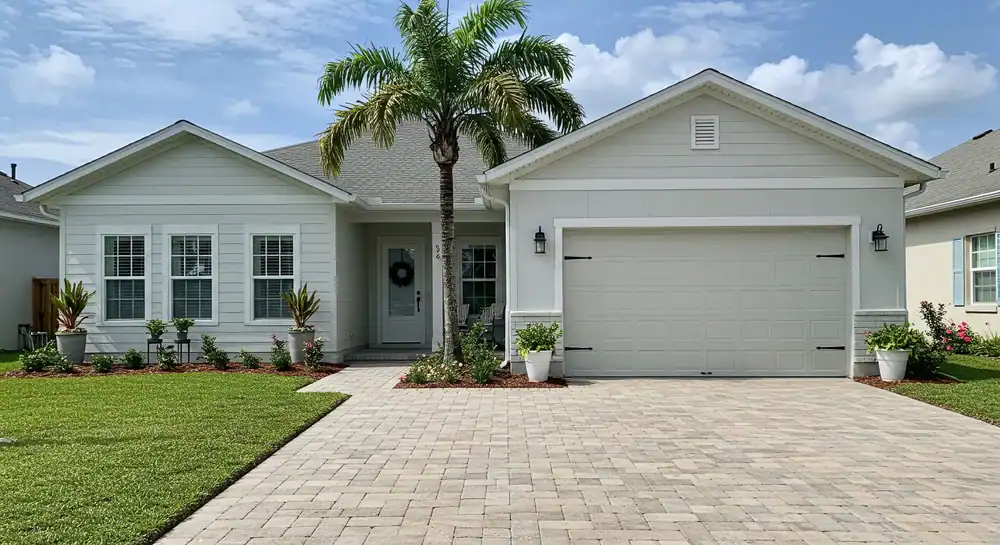
First, we assess your existing driveway and the area around it. That includes checking for drainage problems, looking at how water moves across your property, and identifying any foundation issues that need addressing before new material goes down.
Next, we plan the project. That means choosing the right base material, determining proper grading, and selecting the surface—whether that’s pavers, concrete, brick, cobblestone, or Belgian block borders. Every material has trade-offs, and we’ll walk through what makes sense for your specific situation and budget.
Then we prep the site. Old material gets removed. The base gets graded properly. Drainage solutions get installed where needed—not as an afterthought, but as part of the foundation work.
Finally, we install your new driveway. Most projects wrap up in one to three days, depending on size and complexity. When we’re done, you have a surface that’s built to handle Long Island weather, looks clean, and doesn’t create new problems for your property.
Ready to get started?
Every driveway installation includes full site preparation, proper base material, grading for drainage, and professional installation of your chosen surface material. We handle concrete driveway installation in Suffolk County and Nassau County, paver driveways, brick driveway replacement, and specialty options like cobblestone driveway aprons and Belgian block borders.
If your existing driveway has sinking sections or you’re dealing with fixing cracked concrete driveways, we address the underlying cause—not just the surface symptoms. That usually means foundation work and drainage corrections, which is why we handle those elements ourselves instead of patching over problems.
Nassau County’s real estate market is strong, with median home prices over $800,000 and rising. That means your property is a significant investment, and every element needs to pull its weight. A failing driveway doesn’t just look bad—it signals to buyers that other maintenance has been deferred. A well-executed driveway installation tells a different story.
For Searingtown properties specifically, we often deal with older homes where the original driveway was installed decades ago without modern drainage considerations. Long Island’s water table and seasonal freeze-thaw cycles create specific challenges that require more than just laying down new asphalt or pavers. Driveway drainage solutions need to be integrated into the design, not added later when problems show up.
It depends entirely on the installation quality and material choice. A properly installed paver driveway with correct base preparation and drainage can last 25-30 years or more. Concrete typically lasts 20-25 years if the foundation is right and joints are placed correctly.
Asphalt is cheaper upfront but usually needs replacement or significant repair within 10-15 years, especially with Long Island’s freeze-thaw cycles. The key factor isn’t just the surface material—it’s whether the base was prepared correctly and whether drainage was addressed before installation.
Most premature driveway failures in Nassau County happen because water wasn’t managed properly. When water pools under the surface or along edges, it erodes the base material and causes settling, cracking, and heaving. Fixing that after installation is expensive and often means tearing everything out and starting over.
Sinking happens when the base material underneath wasn’t compacted properly or when water erodes the foundation over time. If the original installation didn’t include adequate base depth or proper compaction, the weight of vehicles will gradually compress the material and create low spots.
Water is the other major culprit. When drainage isn’t planned correctly, water flows under the driveway surface and washes away base material. That creates voids, which eventually collapse under weight and cause sinking sections.
Sinking driveway repair isn’t just about filling the low spot—it requires removing the affected section, addressing the base problem, and reinstalling properly. Trying to patch over it or add material on top just delays the inevitable and usually makes the problem worse. In Searingtown and the surrounding Nassau County area, we see this frequently with older driveways that were installed before modern drainage standards.
Pavers cost more upfront but offer flexibility and easier repairs. If one section settles or gets damaged, you can pull up individual pavers, fix the base, and reinstall them. They also handle freeze-thaw cycles better than concrete because the joints between pavers allow for movement.
Concrete is less expensive initially and provides a clean, uniform look. But when concrete cracks—and it will eventually—repairs are visible and often don’t match the original surface. Concrete also requires control joints to manage cracking, which some homeowners don’t like aesthetically.
For Nassau County properties where curb appeal matters and home values are high, pavers often make more sense despite the higher initial cost. They last longer, maintain appearance better, and give you more design flexibility with colors and patterns. Concrete works well if budget is the primary concern and you’re okay with a more utilitarian look. Either way, the installation quality matters more than the material choice—a poorly installed paver driveway will fail just as quickly as poorly poured concrete.
Drainage gets addressed during the planning phase, before anything is removed or installed. We look at how water currently moves across your property, where it pools, and where it needs to go. That determines grading, slope, and whether additional drainage infrastructure is needed.
Most driveway drainage solutions involve proper grading so water flows away from your home and toward appropriate drainage points—either to the street, a drainage system, or designated areas of your property. Sometimes that requires installing drainage channels, French drains, or catch basins to handle water volume.
The base material and compaction also affect drainage. A properly prepared base allows water to percolate through rather than pooling on the surface or eroding the foundation. In Searingtown and Nassau County, where we deal with Long Island’s water table and seasonal weather, drainage isn’t optional—it’s the difference between a driveway that lasts decades and one that fails within a few years. Most of the cracked concrete driveways and failed installations we see started with inadequate drainage planning.
Cost varies based on size, material choice, site conditions, and how much foundation work is needed. A basic concrete driveway might start around $8-12 per square foot. Pavers typically run $15-25 per square foot depending on the style and complexity. Specialty materials like brick or cobblestone cost more.
But those are just material and installation costs. If your existing driveway has drainage problems, foundation issues, or requires significant grading work, those costs get added. Removing old material, addressing base problems, and installing proper drainage infrastructure can add several thousand dollars to a project.
The real question isn’t what it costs—it’s what you’re getting for that cost. A cheap installation that fails in five years costs more long-term than a properly executed project that lasts 25 years. In Nassau County, where median home values exceed $800,000, your driveway affects property value and buyer perception. Cutting corners on installation to save a few thousand dollars can cost you tens of thousands when you sell. We price projects based on doing the work right, which means proper base preparation, drainage solutions, and installation that lasts.
Yes, heated driveways are an option and they’re becoming more common in Nassau County. A heated system eliminates snow shoveling, reduces salt damage to your landscaping, and improves safety by preventing ice buildup. The system uses either electric heating cables or hydronic tubing installed beneath the driveway surface.
Electric systems are simpler to install and work well for smaller driveways. Hydronic systems cost more upfront but are more efficient for larger areas and can tie into your home’s existing heating system. Either way, the heating elements get installed during the base preparation phase, which is why it needs to be planned from the beginning—not added later.
The main considerations are upfront cost and operating expense. Heated driveways add $15-25 per square foot to installation costs, and you’ll see an increase in your electric or gas bill during winter months when the system runs. For many Searingtown homeowners, especially those with mobility concerns or long driveways, the convenience and safety benefits justify the investment. The system also protects your driveway surface by eliminating the need for salt and harsh chemicals that degrade concrete and pavers over time.
Other Services we provide in Searingtown