

A properly installed driveway in Shelter Island Heights, NY means you’re not calling someone back in two years to fix cracks or settling. The right base preparation accounts for Long Island’s soil conditions. The right materials flex with ground movement instead of fighting it.
Paver driveways last 25 to 30 years here because individual units move independently during freeze-thaw cycles. Concrete cracks when water gets underneath and freezes. Asphalt needs seal coating every few years and still breaks down from UV exposure and salt.
When drainage is handled correctly from the start, water moves away from your foundation instead of pooling under your driveway surface. That’s the difference between a driveway that lasts and one that becomes a maintenance problem.
We’ve been serving Long Island since 2003. Bobby Bruno and Sherwood Adams started Ageless Chimney because they saw too many homeowners getting burned by contractors who didn’t show up or didn’t finish what they started.
Every driveway installation in Shelter Island Heights, NY is managed by an owner. That means the person who quotes your job is the same person overseeing the work. You’re not handed off to a crew that’s never met you.
We’re licensed, insured, and bonded. We’ve earned an A+ rating with the BBB and Angie’s List awards because we show up when we say we will and we handle problems if they come up. Shelter Island Heights homeowners expect quality work, and that’s what keeps us busy here.
First, we come out to look at your existing driveway and talk through what you’re dealing with. Cracks, settling, drainage issues—we need to see it to give you an accurate assessment. We’ll measure the area and discuss material options that make sense for your property and budget.
Once you approve the quote, we schedule the work and pull any necessary permits. Demo and excavation come next. We remove the old surface and dig down to create proper base depth—usually 8 to 12 inches depending on soil conditions and how the driveway will be used.
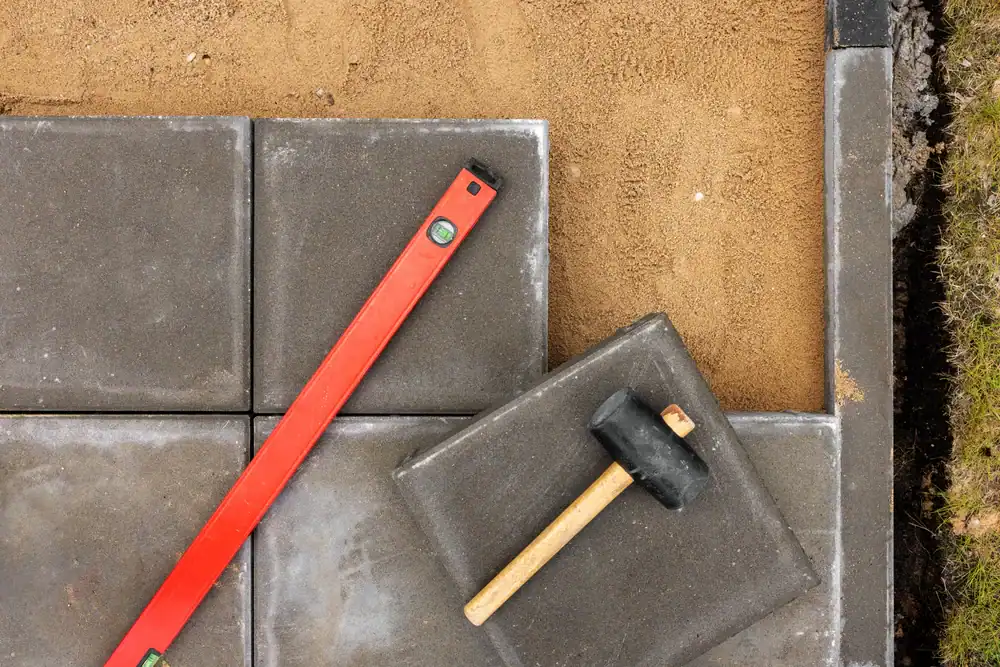
Base preparation is where most driveway problems start, so we compact crushed stone in layers. Each layer gets compacted separately to prevent settling later. Then we install edge restraints to keep pavers or borders from shifting. Finally, we lay your chosen material—whether that’s pavers, concrete, or brick—and finish with Belgian block borders if that’s part of your design.
Ready to get started?
Paver driveways are popular in Shelter Island Heights, NY because they handle coastal conditions better than most alternatives. Individual pavers move with freeze-thaw cycles instead of cracking like concrete slabs. When one paver gets damaged, you replace that piece—not the whole driveway.
Belgian block borders and cobblestone driveway aprons add a finished look, but they also serve a function. Granite blocks handle snow plow contact and heavy vehicle traffic at the street edge where asphalt and concrete typically fail first. These borders last decades without needing replacement.
Concrete driveway installation in Suffolk County requires different techniques than other regions. Our climate demands proper joint spacing, reinforcement, and curing methods. Stamped or colored concrete gives you design options, but the base work and installation quality matter more than the surface finish. If you’re dealing with a sinking driveway, repair starts with addressing what’s happening underneath—not just patching the surface.
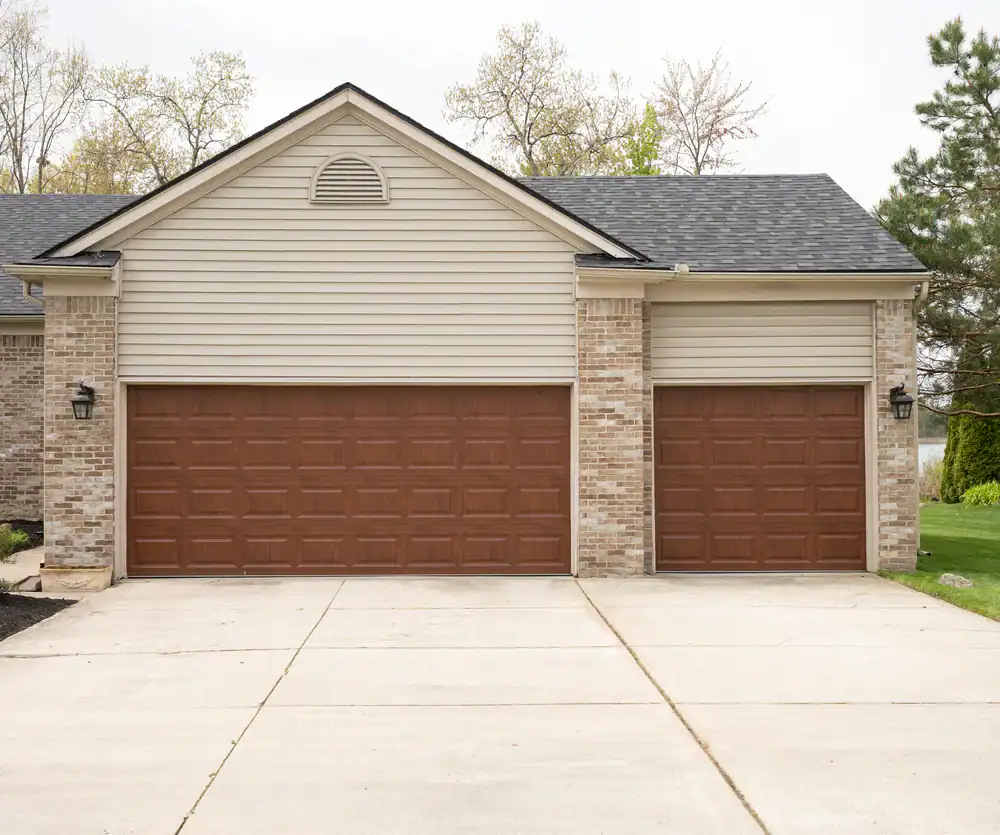
A properly installed paver driveway lasts 25 to 30 years in Shelter Island Heights, NY with minimal maintenance. The key word there is “properly installed.” If the base isn’t compacted correctly or drainage isn’t addressed, you’ll see settling and shifting within a few years.
Pavers handle Long Island’s freeze-thaw cycles better than concrete or asphalt because each unit moves independently. When water freezes under a concrete slab, the whole section cracks. With pavers, individual pieces shift slightly and then settle back without structural damage.
Maintenance is straightforward. Power wash annually to remove salt residue and organic growth. Re-sand joints every few years to keep pavers locked in place. If a paver cracks from a heavy impact, you replace that one piece. Compare that to asphalt, which needs seal coating every two to three years and still breaks down from UV exposure and salt.
Freeze-thaw cycles cause most driveway damage in Shelter Island Heights, NY. Water seeps into small cracks or gets under the surface. When temperatures drop, that water freezes and expands. The expansion pushes concrete or asphalt apart, making cracks wider. When it thaws, the material contracts but doesn’t return to its original position.
Sinking happens when the base material underneath wasn’t compacted properly during installation or when water washes away soil beneath the driveway. Poor drainage accelerates this. If water pools on your driveway or along the edges, it’s finding its way underneath and eroding the base.
Tree roots also cause problems, especially with older driveways. Roots grow under the surface and lift sections as they expand. Heavy vehicles compact soil unevenly over time, creating low spots. Coastal salt air doesn’t directly cause sinking, but it does accelerate surface deterioration in asphalt and can weaken concrete if it wasn’t mixed with proper additives for marine environments.
If cracks are wider than a quarter inch or if you have multiple cracks spreading across the surface, replacement usually makes more sense than repair. Small surface cracks can be filled, but they’re often symptoms of bigger problems underneath—like base failure or drainage issues that repair doesn’t address.
Settling or sinking sections mean the base has failed. Patching the surface might look better temporarily, but the underlying problem continues. You’ll end up paying for repairs repeatedly instead of fixing it once. If your driveway is more than 15 years old and showing significant cracking, you’re likely near the end of its lifespan anyway.
For concrete driveways in Shelter Island Heights, NY, look at the overall condition. If 30% or more of the surface shows damage, replacement is more cost-effective long-term. Asphalt driveways that need their third or fourth seal coating and still look worn out are telling you they’re done. Paver driveways are different—you can often replace individual pavers or sections without redoing everything, which is one reason they make sense here.
Concrete driveways cost less upfront than pavers but crack more easily in Long Island’s climate. A concrete slab is one continuous surface, so when freeze-thaw cycles create stress, cracks spread. Concrete lasts 20 to 25 years if installed correctly, but repairs are visible and often don’t match the original surface. Stamped or colored concrete gives you design options, but the durability is the same as standard concrete.
Asphalt is the least expensive option initially. It handles cold weather reasonably well but breaks down from UV exposure and salt. You’ll need seal coating every two to three years, and even with maintenance, asphalt typically needs replacement after 15 to 20 years. It also softens in extreme heat, which can lead to ruts from parked vehicles.
Paver driveways cost more upfront—usually $17 to $20 per square foot for quality materials—but they last longer and need less maintenance. Individual pavers flex with ground movement, so freeze-thaw cycles don’t cause the same structural damage. When one paver cracks, you replace just that piece. Maintenance is simple: power wash annually and re-sand joints every few years. Over a 30-year period, pavers often cost less than asphalt when you factor in maintenance and replacement.
Belgian block borders protect the edges of your driveway where damage typically starts. The street edge takes the most abuse—snow plows, vehicles turning in and out, water runoff. Asphalt and concrete edges chip and crumble in these high-stress areas. Granite blocks handle that contact without breaking down.
Functionally, Belgian blocks create a solid edge restraint that prevents your driveway material from spreading or shifting over time. Pavers especially need edge support to stay locked in place. Without it, the outside edges gradually work loose and create gaps. Granite blocks also define the transition between your driveway and the street or lawn, which helps with drainage and keeps your driveway looking clean.
The cost runs about $15 to $20 per linear foot installed, but these borders last as long as your driveway—often longer. They don’t need maintenance beyond occasional cleaning. In Shelter Island Heights, NY, where properties command premium value, Belgian block borders and cobblestone aprons add a finished look that matches the quality of homes here. They’re common in historic areas because they’ve been proven to last a century or more.
Most driveway replacement or new installation projects in Shelter Island Heights, NY require a building permit. If you’re changing the driveway footprint, expanding the width, or altering drainage patterns, you definitely need permits. Even replacing an existing driveway with the same dimensions often requires permit approval to ensure work meets current code requirements.
Permit requirements exist because improper driveway installation affects drainage for your property and neighboring properties. The town wants to verify that stormwater runoff is managed correctly and that your driveway work doesn’t create flooding or erosion problems. Setback requirements and impervious surface limits also come into play, especially on smaller lots.
Working with local driveway contractors in Shelter Island Heights who know the permit process saves you time and headaches. We handle permit applications as part of the project because we know what the building department requires and how long approvals typically take. Skipping permits might seem like a shortcut, but it creates problems when you sell your property or if a neighbor complains. Insurance claims can also be denied if unpermitted work contributed to damage.
Other Services we provide in Shelter Island Heights