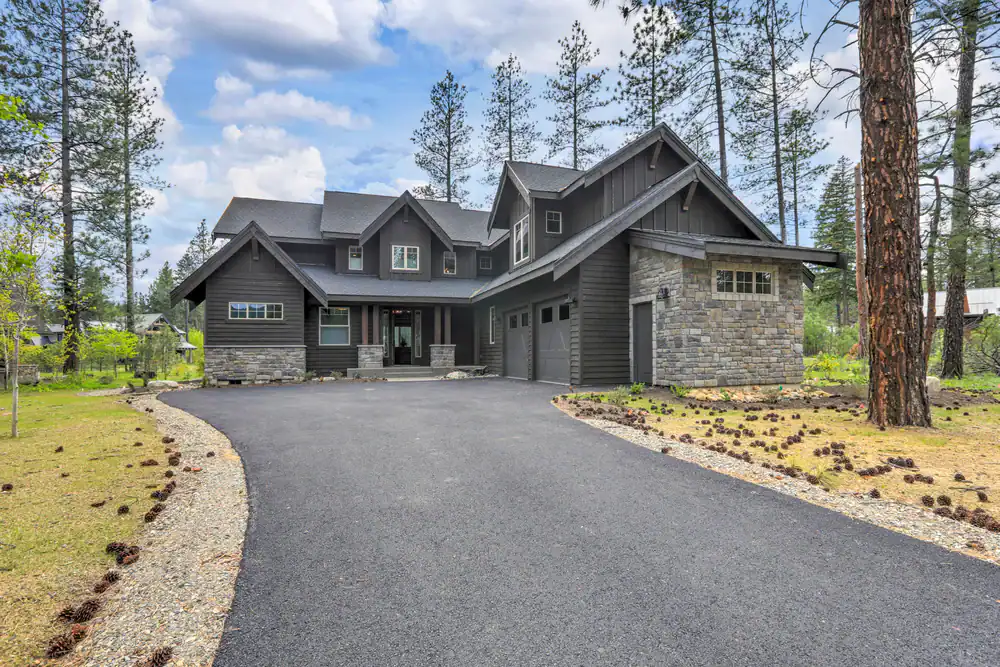

Your driveway stops being something you worry about. No more standing water after rain because the drainage was an afterthought. No more cracks spreading across the surface every winter because someone skipped the base work.
You get a surface that handles Long Island winters without falling apart. Freeze-thaw cycles that destroy most driveways don’t create the same damage when the foundation is built correctly from the start. Proper excavation depth, the right base materials, and grading that moves water away from your foundation.
The curb appeal improvement is immediate. But what matters more is that you’re not calling someone back in three years because the edges are sinking or the surface is crumbling. When we do the prep work correctly, you’re looking at 25 to 30 years of use with minimal maintenance.
We’ve been working in South Valley Stream since 2003. That’s over two decades of dealing with the same soil conditions, weather patterns, and local building requirements you’re facing right now.
Our A+ BBB rating and six consecutive years winning Angie’s List awards didn’t happen by accident. They happened because we show up when we say we will, we clean up completely when we’re done, and we don’t disappear after you write the check. We’re fully licensed, insured, and bonded, which matters more than most homeowners realize until something goes wrong.
Nassau County has specific requirements for driveway work, especially when you’re changing grade or drainage patterns. We handle the permit process so you don’t have to figure out what the Village of Valley Stream needs or how to navigate New York State building codes.
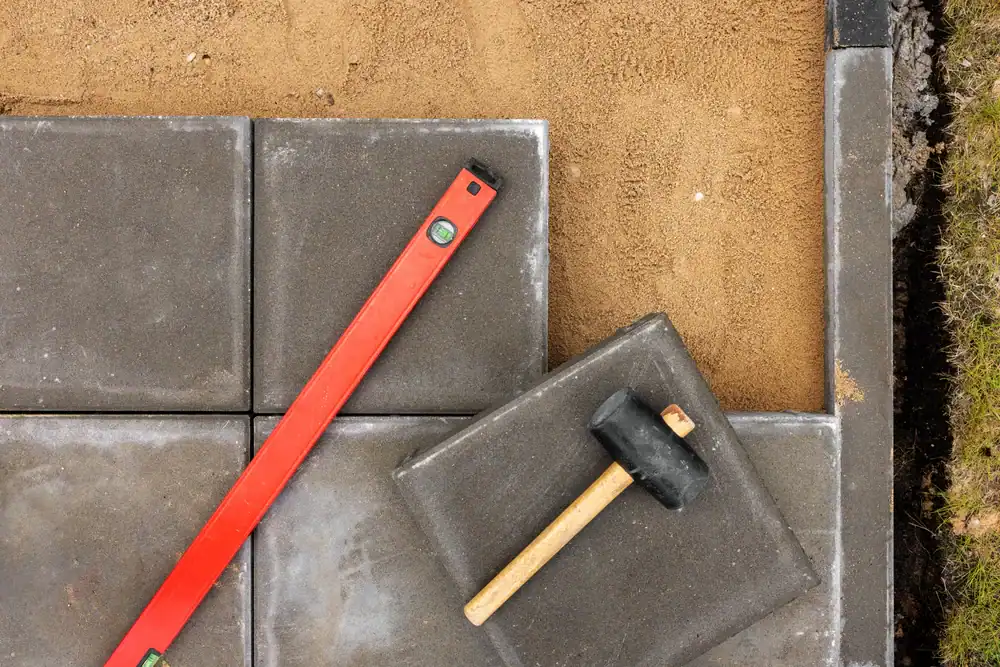
First, we excavate to the correct depth. Most driveway problems start here because contractors don’t dig deep enough or they skip steps to save time. You need proper depth to accommodate base materials that won’t shift or settle.
Then comes the base layer. This is crushed stone, compacted in lifts, creating a stable foundation that handles Long Island’s freeze-thaw cycles. Without this step done right, everything above it eventually fails. We’re installing drainage solutions at this stage too, because water is what destroys driveways over time.
The surface material goes on last, whether that’s pavers, concrete, or asphalt. For paver driveways, we add Belgian block borders that provide edge support and keep everything locked in place. These borders aren’t just decorative, they’re structural, preventing the edges from spreading or sinking over time.
Final grading ensures water moves away from your house and toward proper drainage. We’re not leaving until the site is clean and you can actually use your driveway without tracking mud and stone dust everywhere.
Ready to get started?
You’re getting complete excavation and proper base preparation, not surface work over whatever’s already there. That means removing the old driveway, digging to the right depth for South Valley Stream soil conditions, and building up from a bedrock-stable foundation.
Drainage solutions are built into every project because Long Island weather demands it. We’re grading for runoff, installing drainage where needed, and making sure water doesn’t pool against your foundation or create ice patches in winter.
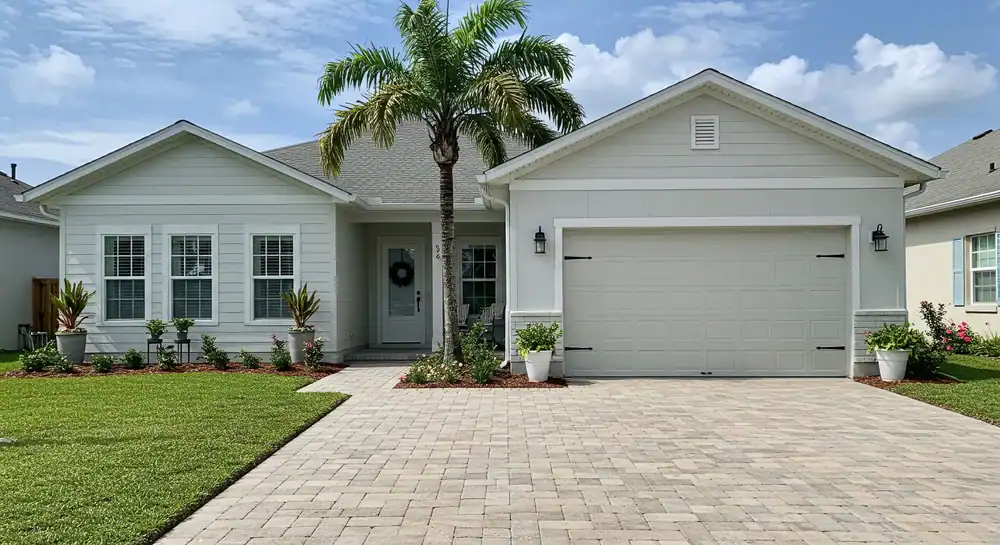
For paver driveway installation in South Valley Stream, you’re getting individual pavers that move slightly with ground movement instead of cracking like solid concrete. We’re adding cobblestone driveway aprons where your driveway meets the street and Belgian block borders that provide the classic Long Island look while serving a real structural purpose.
Concrete driveway installation in Nassau County requires different prep than pavers, but the attention to base work and drainage stays the same. We’re not pouring concrete over questionable foundation and hoping it holds. If you’re fixing cracked concrete driveways, we’re addressing why they cracked in the first place, not just covering up the symptoms.
Depends entirely on the material and how well it was installed. Asphalt driveways typically need replacement every 15 to 20 years, sometimes sooner if the base wasn’t done right or if Long Island winters are particularly harsh.
Paver driveways last 25 to 30 years or more because individual pavers can move slightly with freeze-thaw cycles without creating the large cracks you see in asphalt or concrete. When one paver does get damaged, you can replace just that section instead of resurfacing the entire driveway.
Concrete falls somewhere in the middle, usually 20 to 25 years if it’s installed correctly with proper control joints and a solid base. But concrete is unforgiving when the ground shifts, which happens in South Valley Stream more than people expect. Once concrete cracks, your options are limited and expensive.
The real answer is that your driveway lasts as long as the preparation work allows. Cut corners on excavation depth or base materials, and even the best surface material fails early.
Most driveway replacement projects require a building permit from the Village of Valley Stream, especially if you’re changing the size, grade, or drainage pattern. Even if you’re replacing what’s already there with the same footprint, the village typically wants to review the work to ensure it meets current codes.
Driveway extensions definitely need permits because you’re increasing impervious surface area, which affects stormwater runoff. Nassau County has specific requirements about how much of your property can be paved and where water needs to drain.
We handle the permit process for you. That means pulling the necessary permits, scheduling inspections, and making sure the work meets all local building codes. Most homeowners don’t realize how complicated the permit process can be until they’re in the middle of it, dealing with plan submissions and revision requests.
Working without permits creates problems when you sell your house. Title companies and home inspectors look for unpermitted work, and you could end up tearing out a perfectly good driveway just to get permits after the fact.
Inadequate base preparation causes most sinking driveway issues. When contractors don’t excavate deep enough or they skip proper compaction, the base materials shift and settle over time. You end up with low spots that collect water and sections that sink noticeably compared to the rest of the driveway.
Poor drainage design is the other major culprit. Long Island gets significant rainfall, and if your driveway doesn’t have proper grading or drainage solutions built in, that water has nowhere to go. It pools on the surface, seeps into the base, and gradually undermines everything.
Soil conditions in South Valley Stream make this worse. When water saturates the soil under your driveway, it expands. When it freezes, it expands more. When it thaws, the soil contracts and shifts. This constant movement destroys driveways that weren’t built with adequate base depth and proper drainage from the start.
Tree roots also cause problems, but that’s usually obvious. What’s not obvious is when the grading around your house has changed over time, redirecting water toward your driveway instead of away from it. Fixing that requires more than just repaving the surface.
Pavers handle freeze-thaw cycles better because each piece can move independently without creating visible cracks. When the ground shifts in winter, pavers shift with it and then settle back. Concrete is rigid, so that same ground movement creates cracks that spread and get worse every year.
Maintenance is easier with pavers. If you need to access utilities under your driveway or if one section gets damaged, you remove and replace just those pavers. With concrete, you’re cutting out sections and patching, which never looks quite right and often creates weak points where new cracks develop.
Concrete is typically less expensive upfront, which is why many homeowners choose it. But when you factor in the shorter lifespan and higher repair costs, the price difference shrinks. Concrete might last 20 years in South Valley Stream if conditions are ideal. Pavers routinely last 30 years or more with minimal maintenance beyond occasional re-sanding of joints.
Aesthetically, pavers offer more options. You can create patterns, mix colors, and add borders that give your driveway a custom look. Concrete is concrete—you can stamp it or stain it, but you’re still working with a single solid surface that shows every crack and imperfection as it ages.
Asphalt typically runs $7 to $15 per square foot in Nassau County, depending on thickness and base preparation. For an average two-car driveway around 600 square feet, you’re looking at $4,200 to $9,000. That’s just installation—seal coating every few years adds to the long-term cost.
Concrete driveway installation costs more upfront, usually $8 to $18 per square foot. Same 600-square-foot driveway would run $4,800 to $10,800. Decorative concrete with stamping or coloring pushes that higher, sometimes into the $20 per square foot range.
Paver driveways are the most expensive initially, typically $15 to $30 per square foot depending on the paver style and pattern complexity. But you’re getting a surface that lasts longer and requires less maintenance than either asphalt or concrete. For that same 600-square-foot driveway, expect $9,000 to $18,000.
These numbers assume proper preparation is included. If someone quotes you significantly less, ask what they’re cutting. Usually it’s base depth, drainage work, or proper compaction—the things that determine whether your driveway lasts five years or thirty. The cheapest quote almost never ends up being the best value once you factor in how soon you’ll need repairs or replacement.
Yes, and it’s one of the most common requests we get in South Valley Stream. Most homes here were built when families had one or two cars. Now you need parking for three or four vehicles, and street parking isn’t always available or convenient.
The key is matching the new section to your existing driveway so it looks intentional, not like an obvious addition. If your current driveway is asphalt, we can extend it with new asphalt that blends in once it weathers a few months. If it’s pavers, we match the style and pattern so the extension flows naturally from what’s already there.
Driveway extensions require permits because you’re increasing impervious coverage on your property. The Village of Valley Stream wants to review drainage plans to make sure the additional paved area isn’t creating runoff problems for neighboring properties. We handle that permitting process and make sure the drainage design meets local requirements.
The base preparation for the extension needs to match or exceed what’s under your existing driveway. If we’re connecting to an older driveway that’s starting to fail, sometimes it makes more sense to replace the whole thing rather than adding new work to a deteriorating foundation. We’ll tell you honestly which approach makes more sense for your specific situation.
Other Services we provide in South Valley Stream