

You’ve probably noticed the cracks getting wider each winter. Water seeps in, freezes, expands, and creates bigger problems every season. That’s Long Island’s freeze-thaw cycle at work, and it’s why your driveway keeps deteriorating no matter how many times you patch it.
A properly installed paver or concrete driveway in Southampton, NY changes that equation entirely. Individual pavers move independently when the ground shifts from temperature changes, so you don’t get the large-scale cracking that destroys traditional concrete slabs. The three-layer base we install—geotextile fabric, compacted crushed stone, and leveling sand—handles Suffolk County’s sandy soil and prevents the settling that causes those frustrating dips and pooling water.
You’re looking at 25 to 50 years of durability with minimal maintenance. No sealcoating every few years. No worrying about where you park your vehicles. Just occasional power washing to keep it looking sharp. And if a paver ever does crack from an unusual impact, you replace that one piece instead of tearing up sections of concrete.
We’ve worked on over 200 homes across Long Island, and we’ve seen every driveway problem this climate can create. We’re not a national franchise following a corporate manual. We’re local contractors who understand that Southampton’s soil, weather patterns, and property values require a different approach than you’d use in other parts of the country.
Every job is managed personally by the owner, so you’re not dealing with a rotating crew that disappears when issues come up. We’re licensed, insured, and bonded, and we’ve earned an A+ BBB rating by showing up on time, doing the work right, and leaving your property cleaner than we found it.
When you’re investing in a home worth $2 million on average in Southampton, your driveway isn’t just functional—it’s part of your curb appeal and property value. We get that, and we build accordingly.
We start with excavation, digging down 12+ inches to remove unstable soil and create room for a proper base. This isn’t optional in Suffolk County—the sandy soil here requires deep preparation to prevent settling.
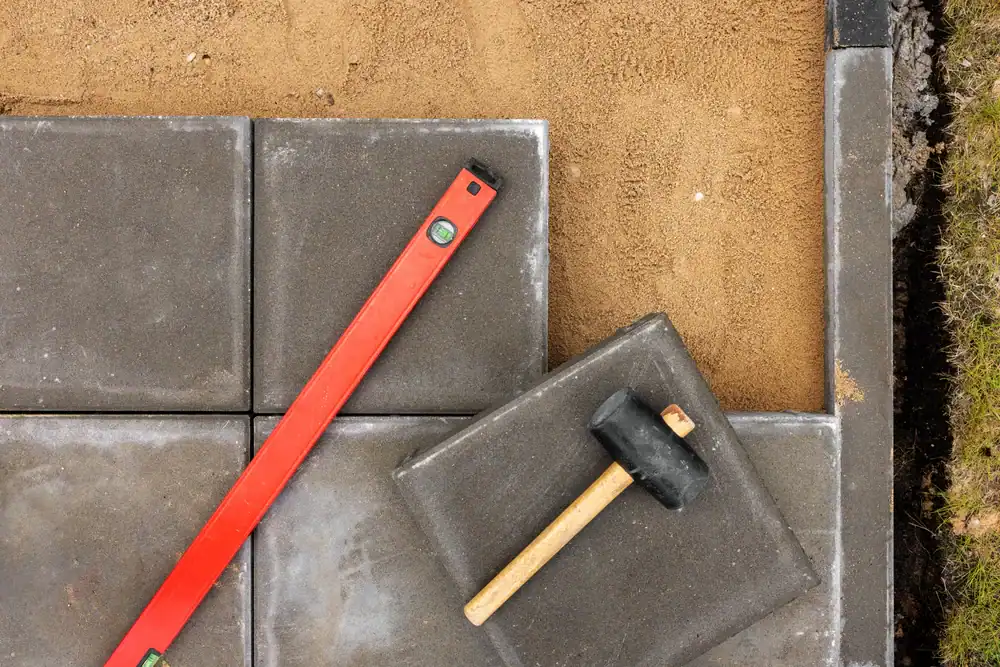
Next comes the three-layer foundation: geotextile fabric to prevent soil mixing with your base, then crushed stone compacted with heavy equipment, then leveling sand on top. Each layer gets compacted separately because shortcuts here mean problems in two years. If your property has drainage issues, we address them now by adjusting grades and installing proper water management before we lay a single paver.
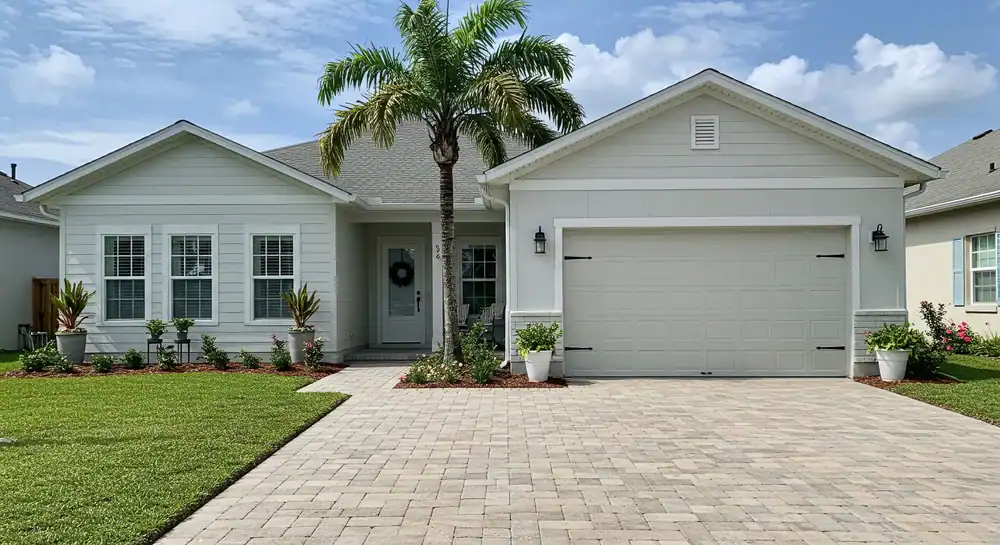
For paver driveways in Southampton, we install your chosen material—concrete pavers, natural stone, or cobblestone—in your selected pattern. Herringbone, basket weave, circular designs, whatever fits your home’s style. For Belgian block borders in Southampton, we use 4-to-6-inch thick quarried granite that handles turning wheel stress and develops a natural patina while staying structurally sound for decades.
Concrete driveway installation in Suffolk County follows similar base prep but uses reinforced concrete poured to specific thickness based on your vehicle loads. Once everything’s set, you can use your new driveway immediately—no waiting weeks for curing with our methods.
Ready to get started?
You’re getting materials engineered specifically for Long Island’s conditions. Concrete pavers designed to handle freeze-thaw cycles. Belgian block aprons that provide better traction in winter and don’t crumble at the edges like asphalt. Premium crushed stone base that won’t wash out during heavy rains.
The installation includes complete site preparation, professional-grade base materials, your choice of paver colors and patterns (we’re talking rich browns, vibrant blues, traditional cobblestone textures), and detailed documentation of what we did and why. You’ll also get maintenance guidance, though honestly, there’s not much to it—power wash when it looks dirty, and that’s about it.
For sinking driveway repair in Southampton, we don’t just lift the surface. We identify why it sank in the first place—usually erosion under the base or poor initial preparation—and fix that root cause. Otherwise you’re paying for a repair that fails again in a year.
If you’re dealing with cracked concrete driveways in Southampton, we evaluate whether repair makes sense or if you’re better off replacing. Sometimes PolyLevel injection can lift and stabilize concrete within a day. Other times, the damage is too extensive and you need a fresh start. We’ll tell you which situation you’re in, because recommending unnecessary replacement doesn’t help anyone long-term.
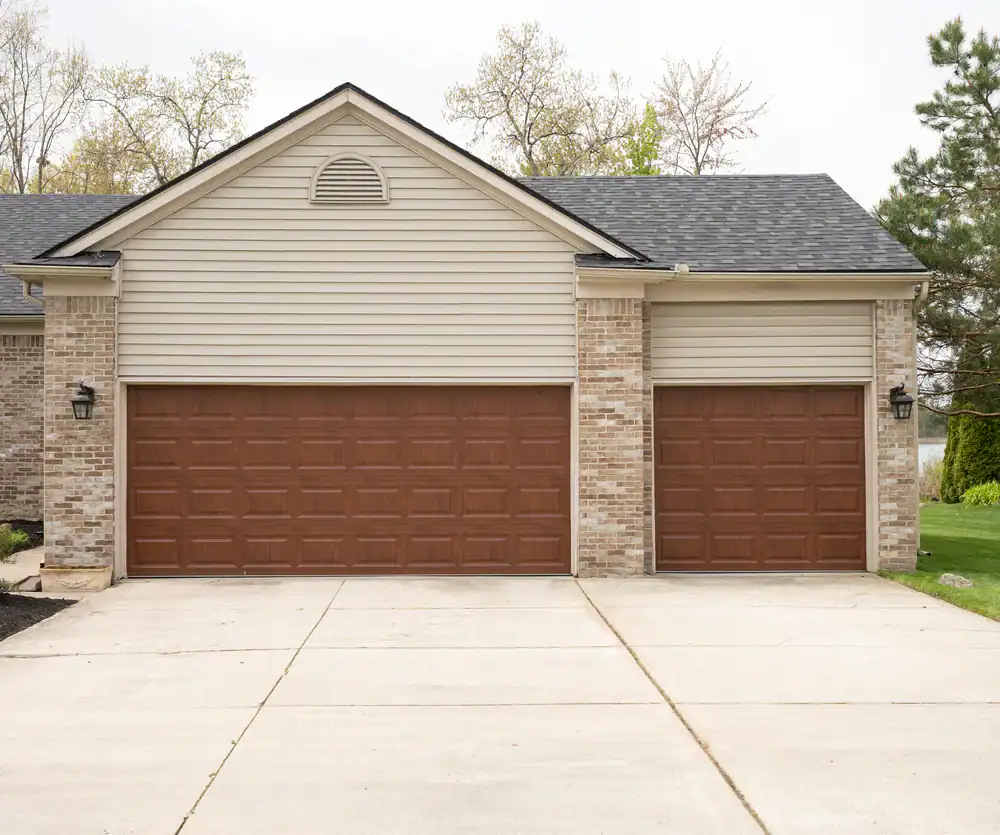
You’re looking at 25 to 50 years with proper installation and minimal maintenance. That’s significantly longer than asphalt, which typically needs replacement every 15 to 20 years under normal Long Island conditions.
The longevity comes from how pavers handle freeze-thaw cycles. Individual units move independently when the ground shifts from temperature changes, so you don’t get the large-scale cracking that destroys poured concrete. Water that seeps between pavers drains through the joints instead of pooling and freezing, which eliminates the expansion pressure that creates cracks.
The base preparation matters just as much as the pavers themselves. Suffolk County’s sandy soil requires deep excavation and a properly compacted three-layer foundation. Shortcuts here mean settling and failure regardless of what material you put on top. When we install paver driveways in Southampton, we’re building a system that works with the local soil conditions instead of fighting them.
Freeze-thaw cycles are the main culprit. Water seeps into small cracks, freezes when temperatures drop, expands with significant force, and creates bigger cracks. This happens repeatedly throughout winter, and each cycle makes the damage worse.
New York’s temperature swings are particularly brutal for driveways. You’ll get warm days where water infiltrates the surface, then freezing nights where that water turns to ice and expands. Traditional concrete slabs can’t flex with this movement, so they crack. The cracks let in more water, which creates more expansion, which creates bigger cracks—it’s a cycle that accelerates once it starts.
Poor drainage makes everything worse. If water pools on your driveway or the soil underneath stays saturated, you’re adding constant pressure to a system that’s already stressed by temperature changes. That’s why driveway drainage solutions on Long Island aren’t optional—they’re essential to longevity. We evaluate your property’s water flow during the estimate phase because fixing drainage issues before installation prevents problems you’d otherwise face in two years.
Costs vary significantly based on material choice, size, and site conditions, but you’re generally looking at $15 to $30 per square foot for quality paver installation, and $8 to $15 per square foot for concrete. A typical two-car driveway runs 600 to 800 square feet, so do the math based on your actual dimensions.
Pavers cost more upfront but last longer and require less maintenance than concrete or asphalt. You’re not sealcoating every few years, you’re not repaving in 15 years, and if a section does get damaged, you replace individual pavers instead of cutting out and repouring concrete. Over a 30-year timeline, the total cost often ends up lower despite the higher initial investment.
Site conditions affect pricing significantly. If your property has drainage issues, we need to address those before installation. If access is difficult for equipment, that adds labor time. If we’re removing an existing driveway, disposal costs factor in. We provide free estimates that account for your specific situation, and we’ll beat any written estimate you receive from licensed, insured contractors doing comparable work. The goal is transparency about what you’re paying for and why it costs what it costs.
It depends on the extent and cause of the damage. If you’ve got minor settling or isolated cracks without underlying base failure, repair often makes sense. If the base has eroded, you’ve got widespread cracking, or the concrete has deteriorated from years of freeze-thaw damage, replacement is usually the better investment.
For sinking sections, we use PolyLevel injection to lift and stabilize concrete. This involves drilling small holes, injecting expanding polyurethane foam underneath to fill voids and raise the slab, then patching the holes. You can use the driveway within a day, and the repair addresses the immediate problem. But if the sinking happened because of poor drainage or base erosion, we need to fix that root cause or you’ll be calling us again in a year.
Fixing cracked concrete driveways in Southampton requires honest evaluation of whether you’re prolonging the inevitable or actually solving the problem. Surface repairs like patching and resurfacing look good initially but don’t address structural issues. If the concrete is still fundamentally sound and the base is intact, repair works. If not, you’re throwing money at something that’s going to fail anyway. We’ll tell you which situation you’re in during the estimate, because recommending unnecessary work doesn’t help either of us long-term.
Late spring through early fall—roughly May through September—gives you the best conditions for driveway installation in Southampton, NY. You need consistent temperatures between 65 and 75 degrees for optimal material performance and proper curing.
Cold weather creates problems with concrete curing and makes base compaction more difficult. The ground can be frozen or too wet, which prevents proper excavation and preparation. Hot summer days above 85 degrees cause concrete to cure too quickly, which can lead to cracking. You want that moderate temperature range where materials behave predictably and we can control the installation process properly.
Weather also affects scheduling and project timeline. Spring and fall tend to have more stable weather patterns on Long Island, which means fewer delays from unexpected rain or temperature swings. Summer works fine if we avoid the hottest stretches. Winter installation is possible in some cases but adds complications that often aren’t worth the risk. If you’re planning a driveway project, reaching out in early spring to schedule for late spring or early summer gives you the best selection of dates and optimal installation conditions.
Belgian block borders in Southampton serve both functional and aesthetic purposes. These are 4-to-6-inch thick quarried granite blocks that handle the edge stress from vehicle tires turning and climbing the curb—something that destroys regular pavers or concrete edges over time.
The functional benefit is durability. Regular driveway edges crumble and crack because that’s where the most stress concentrates. Vehicles drive close to the perimeter, tires climb up slightly when turning, and water runoff erodes the supporting soil. Belgian block handles all of this without deteriorating. The granite develops a natural patina over decades but maintains structural integrity, so you’re not replacing crumbling edges every few years.
The aesthetic benefit is the finished, high-end look that matches Southampton’s property values. Belgian block creates clean lines, defines your driveway clearly, and adds visual interest with the contrast between the border and main driveway material. For cobblestone driveway aprons in Southampton, the Belgian block transition from street to driveway looks intentional and polished instead of like an afterthought. You don’t need them strictly speaking, but they solve a common failure point while improving appearance, which is why most of our Southampton clients include them in the design.
Other Services we provide in Southampton