

A properly installed driveway in University Gardens, NY should give you 25 to 30 years of performance. That’s the difference between doing it once and doing it three times.
You’re not just getting a surface. You’re getting a base that won’t shift, drainage that actually works, and materials chosen specifically for Nassau County’s climate. When the ground freezes and thaws all winter, pavers flex without cracking. When a snowplow clips your apron, Belgian block holds up where asphalt crumbles.
Most driveways fail because of what you don’t see—poor base prep, no drainage plan, corners cut on materials. The ones that last are built with commercial-grade standards from the ground up. That’s what keeps your investment from turning into a recurring expense.
We started in 2006, and every job still gets handled by an owner. That’s not marketing—it’s how we operate. When you’re working with homes in University Gardens where the median value pushes $975,000, you don’t send a crew and hope for the best.
We expanded from chimney work into masonry and paving because the same principles apply: attention to detail, understanding how materials perform long-term, and not cutting corners when no one’s looking. University Gardens homeowners expect quality that matches their investment, and that’s what we’re set up to deliver.
You’ll work with someone who knows the difference between a driveway that looks good at installation and one that still looks good in year 20.
First, we assess your existing driveway and drainage situation. Long Island’s coastal location and freeze-thaw cycles mean we’re looking at soil conditions, water flow, and how the ground moves seasonally. This determines base depth and material choices.
Next comes excavation and base installation. We’re typically going 8 to 12 inches deep, depending on soil and usage. The base gets compacted in layers—not dumped and flattened. This is where most driveway failures start, so it’s where we spend the most time. Proper compaction and grading handle drainage before the surface ever goes down.
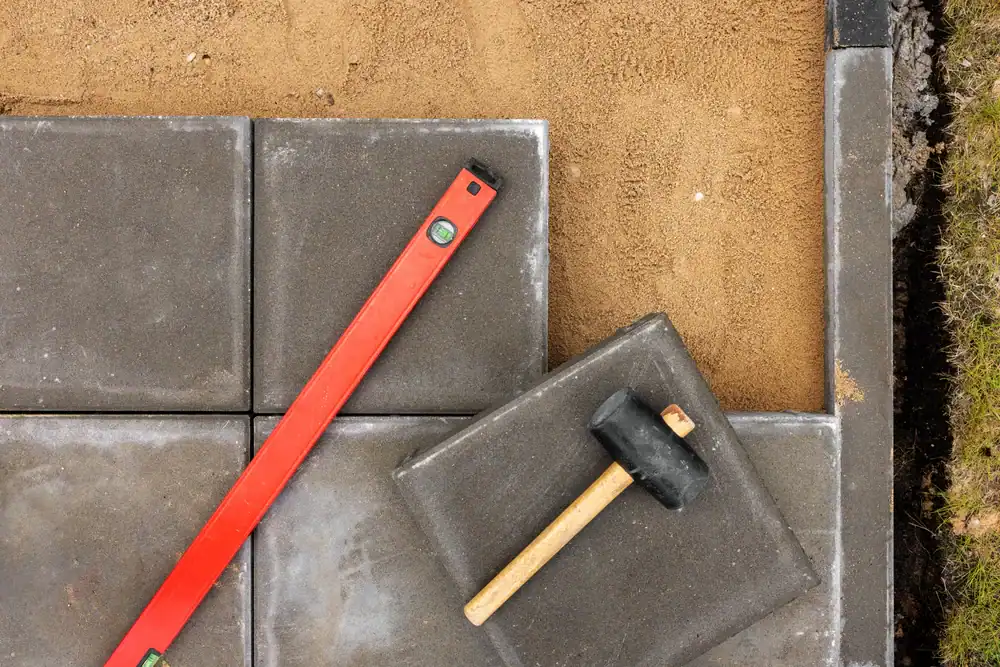
Then we install your chosen material—pavers, concrete, brick, or Belgian block borders. For paver driveways in Nassau County, we’re setting each unit on a sand bed with edge restraints to prevent shifting. Joints get filled and compacted. For concrete driveway installation in Suffolk County, we’re forming, pouring, and finishing in sections with control joints to manage cracking.
You can use it as soon as it’s set. No waiting weeks. No surprise settling six months later if the base was done right.
Ready to get started?
Every driveway installation in University Gardens, NY includes full base preparation, drainage solutions, and material installation. We handle excavation, grading, and removal of old materials. If you’re dealing with a sinking driveway repair or fixing cracked concrete driveways, we address the underlying cause—not just the surface symptom.
For custom driveway replacement in Nassau County, you’re choosing from pavers, stamped concrete, traditional concrete, or brick. We also install cobblestone driveway aprons and Belgian block borders, which are popular here because they handle snow plow contact and heavy traffic better than poured edges. Extensions and widening are common requests when you need more parking or want to match new pavers to existing surfaces.
University Gardens sits in an area where homeowners invest in their properties. The median home value here is nearly $850,000, and most residents own rather than rent. That means you’re thinking long-term. A properly installed paver driveway costs more upfront—typically 20 to 40 percent more than asphalt—but the lifespan is 25 to 30 years versus 15 to 20. You’re also avoiding the recurring seal coating and patch jobs that asphalt demands.
Drainage solutions are part of every project because Long Island’s weather doesn’t give you a choice. Poor drainage creates ice hazards in winter, water infiltration issues, and accelerated surface deterioration. We grade for runoff, install proper slopes, and use materials that let water move where it should.
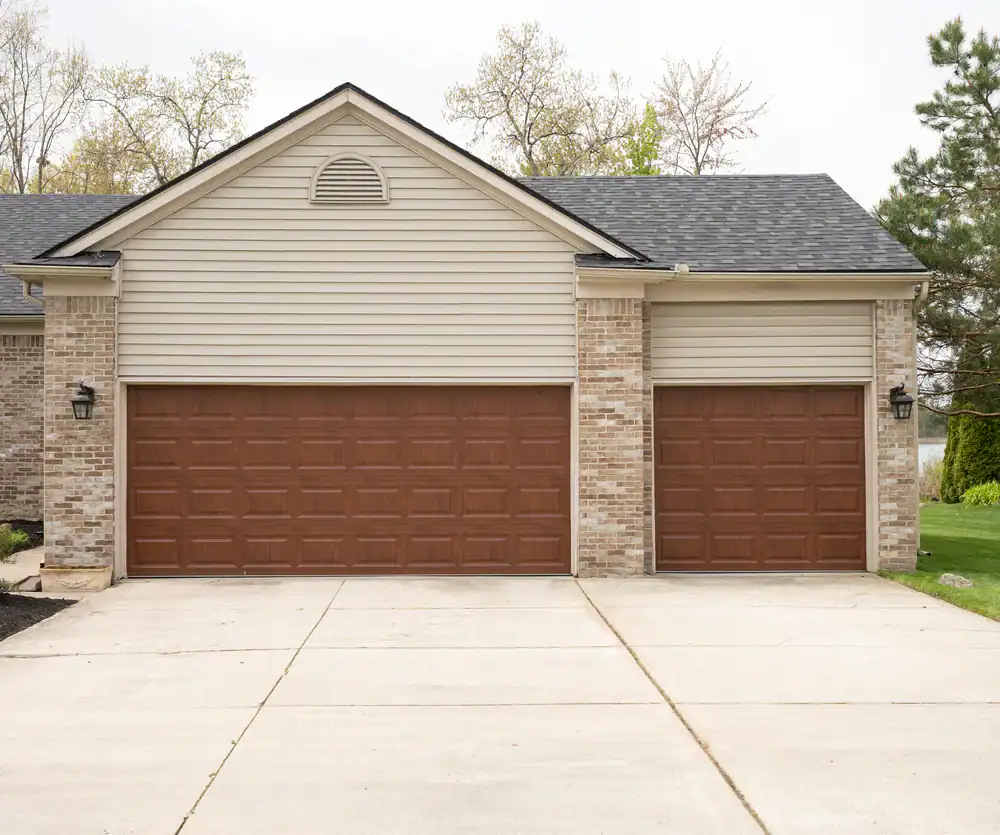
A properly installed paver driveway in University Gardens, NY typically lasts 25 to 30 years. That’s assuming correct base preparation, appropriate material selection for Nassau County’s climate, and minimal maintenance.
The reason pavers outlast asphalt or basic concrete comes down to how they handle ground movement. Long Island goes through freeze-thaw cycles all winter. The ground expands when it freezes, then contracts when it thaws. Pavers are individual units that flex with that movement. Asphalt and concrete are monolithic surfaces that crack under the same stress.
If a paver does get damaged or stained, you replace that unit. You’re not resurfacing the whole driveway or living with an eyesore. That’s a big reason why paver driveways hold their value and appearance decades after installation.
Driveways crack and sink because of base failure, poor drainage, or freeze-thaw damage. In Nassau County, you’re dealing with all three.
Base failure happens when the foundation under your driveway wasn’t compacted properly or wasn’t deep enough for the soil type. When the base shifts or settles, the surface follows. This is the most common cause of sinking driveway repair calls we get. Poor drainage accelerates the problem because water infiltrates the base, weakens it, and creates voids. When that water freezes, it expands and pushes everything around.
Freeze-thaw damage is unavoidable here, but it’s manageable with the right materials and installation. Asphalt and concrete crack because they’re rigid. When the ground moves, they don’t. Pavers handle it better because each unit moves independently. Fixing cracked concrete driveways usually means addressing the base issue first, or you’re just patching a symptom.
If you’re looking at multiple issues—cracks, settling, drainage problems—replacement usually makes more sense than piecemeal repairs. Here’s why.
Repairs address surface symptoms. Replacement fixes the underlying cause. If your driveway is sinking in one area, patching the surface doesn’t fix the base failure causing it. You’ll be back in the same spot within a year or two. Same with cracks. You can fill them, but if the base is compromised or drainage is poor, new cracks will form.
Asphalt driveways that are 15 years old or older are typically at the point where repair costs start adding up fast. Resurfacing, crack filling, and seal coating every few years can rival the cost of a full replacement—especially when you factor in the lifespan difference between asphalt and pavers. If your driveway is past its midpoint and showing multiple problems, replacement gives you another 25 to 30 years of performance instead of limping along with temporary fixes.
Concrete is a single poured surface. Pavers are individual units. That difference affects cost, durability, appearance, and how they handle Long Island’s climate.
Concrete driveway installation in Suffolk County costs less upfront—usually 30 to 40 percent less than pavers. But concrete cracks. It’s not a question of if, it’s when. Control joints help manage where cracks form, but they’re still coming. Repairs mean patching or resurfacing, and matched color is tough. Pavers cost more initially, but they last longer, handle freeze-thaw cycles better, and individual units can be replaced without disturbing the rest of the surface.
Appearance-wise, pavers offer more design flexibility. You’re choosing colors, patterns, and textures. Concrete can be stamped or stained, but it’s still one surface. If part of it stains or damages, the whole thing shows it. Pavers blend repairs invisibly. For University Gardens homeowners where curb appeal and long-term value matter, pavers typically make more sense despite the higher upfront cost.
Belgian block borders create a defined edge that handles impact and traffic better than poured concrete or asphalt edges. They’re especially useful at driveway aprons where your driveway meets the street.
Snowplows are rough on driveway edges. A poured concrete edge chips and crumbles. Asphalt edges break apart. Belgian block is solid stone set in a concrete base. When a plow clips it, the block stays put. That’s why cobblestone driveway aprons are common in Nassau County—they’re built for the abuse that comes with winter maintenance.
Belgian block borders also improve drainage and give you a clean transition between your driveway and lawn or landscaping. They contain your driveway material, prevent edge spreading, and add a finished look that matches the quality of homes in University Gardens. Installation is more involved than a poured edge, but the durability and appearance make it worth it for driveways that need to last decades.
Yes. Driveway drainage solutions are part of every installation we do in University Gardens, NY, because poor drainage destroys driveways faster than anything else.
Water is your driveway’s biggest enemy. When it pools on the surface, it seeps into the base. When it freezes, it expands and creates voids. When it thaws, the base settles into those voids. That’s how you end up with sinking driveways, cracks, and surface deterioration. Long Island gets enough rain and snow that drainage isn’t optional—it’s essential.
We grade every driveway for proper runoff, install slopes that move water away from your home and foundation, and use materials that allow water to drain rather than pool. If you’re dealing with standing water, ice buildup in winter, or water running toward your house, those are all fixable problems. But they need to be addressed during installation or replacement, not patched after the fact. Proper drainage adds years to your driveway’s lifespan and eliminates the safety hazards that come with ice and standing water.
Other Services we provide in University Gardens