

You’ve seen it happen. A neighbor gets a new driveway, looks great for a season or two, then the cracks start. By year three, it’s a mess.
That’s what happens when contractors don’t understand coastal conditions. Salt air accelerates everything. Sandy soil shifts constantly. Water tables rise during storms. Freeze-thaw cycles hit multiple times per week in winter.
Your driveway needs to handle all of that without falling apart. That means proper base preparation, the right materials for your specific property, and drainage that actually works. When we install a driveway in Westhampton Beach, we’re accounting for conditions most contractors ignore. You get a surface that holds up to what living near the water actually means—not just what looks good in the brochure.
Ageless Chimney has been working on Long Island homes for over 20 years. We started with chimneys and masonry, and we’ve completed work on more than 200 properties across Nassau County and Suffolk County.
We’re local. We know what salt air does to concrete. We know how sandy soil behaves under weight. We know the drainage issues that come with coastal properties and high water tables.
When you work with us, you’re not getting a crew that learned about Long Island from a training manual. You’re getting people who’ve been fixing what goes wrong here for two decades. We show up on time, we give you a fair estimate, and we do the work right the first time.
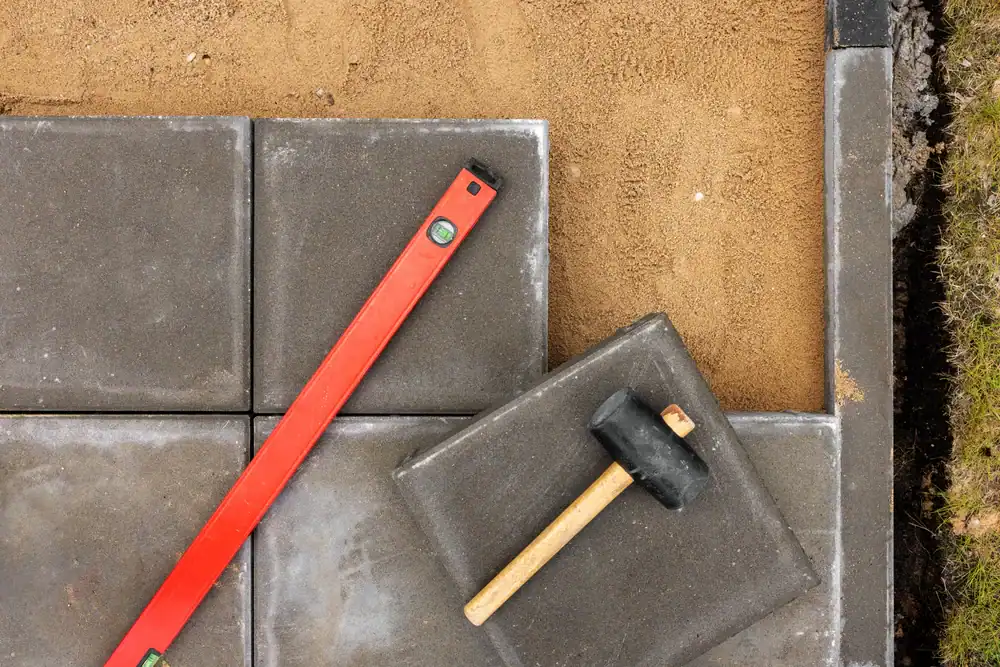
We start with an on-site assessment. That means looking at your soil, your drainage, your property grade, and what’s currently failing. We’re not guessing—we’re measuring and planning based on what your specific property needs.
Next comes excavation and base preparation. This is where most contractors cut corners, and it’s why their driveways fail. We remove unstable material, compact the subgrade, and build a proper base that can handle Long Island’s conditions. For coastal properties, that often means going deeper than standard specs.
Then we install your chosen material—asphalt, concrete, or pavers—with attention to proper slope and drainage integration. Water needs somewhere to go, especially during heavy storms. We make sure it’s not pooling on your driveway or eroding your foundation.
After installation, we walk you through maintenance basics. Different materials need different care, and we want you to know what actually matters versus what’s just marketing.
Ready to get started?
We install three main types of driveways in Westhampton Beach: asphalt, concrete, and pavers. Each has real advantages depending on your budget, your timeline, and how long you’re planning to stay in your home.
Asphalt is the most cost-effective option and handles freeze-thaw cycles better than concrete. It flexes with temperature changes instead of cracking. Most Long Island contractors charge between $3-6 per square foot for professional asphalt installation. It needs resealing every few years, but it’s a solid choice for most homeowners.
Concrete runs $8-12 per square foot and gives you a cleaner look with less maintenance. It’s more susceptible to salt damage and cracking from ground movement, but it lasts longer if installed correctly. Proper base prep is critical here—more so than with asphalt.
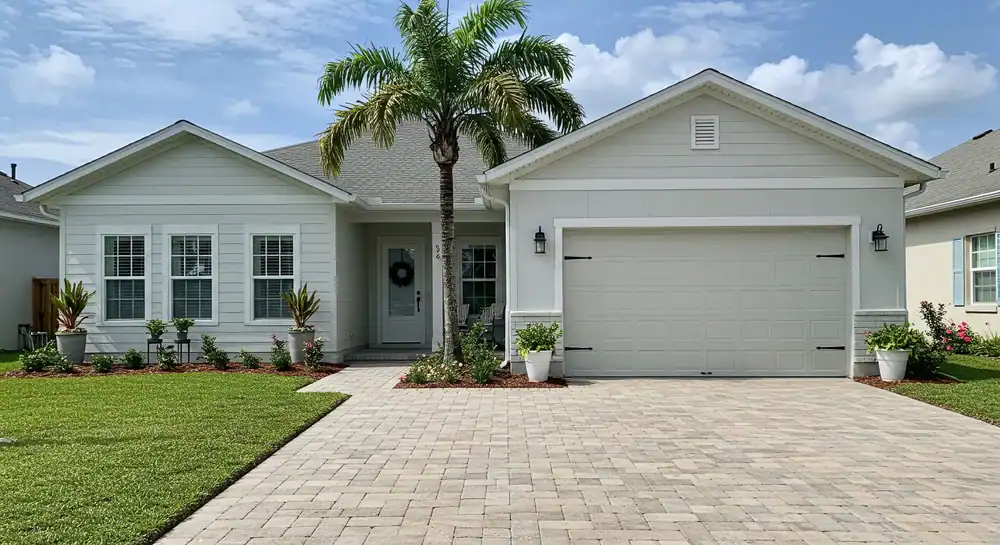
Pavers are the premium option at $17-23 per square foot installed. Individual units move independently during soil shifts and temperature changes, which prevents large-scale cracking. They can last 50+ years with minimal maintenance, and if one paver gets damaged, you replace just that piece—not the whole driveway. For homeowners planning to stay long-term or those wanting maximum curb appeal, pavers are worth the investment.
We also handle brick driveway replacement, cobblestone driveway aprons, Belgian block borders, and concrete driveway installation in Suffolk County. Whatever material you choose, we’re focused on proper installation that accounts for coastal weather, drainage, and the soil conditions specific to your property.
Salt air and freeze-thaw cycles destroy driveways faster here than almost anywhere else. Water seeps into small cracks during the day, then freezes overnight when temperatures drop. Ice expands with serious force, widening those cracks. This happens multiple times per week during Long Island winters.
Salt particles from coastal air accelerate the whole process. They break down the surface of concrete and asphalt, making it easier for water to penetrate. Add in sandy soil that shifts constantly and high water tables that rise during storms, and you’ve got conditions that most driveway materials simply aren’t designed to handle.
The driveways that last are the ones we install with proper base preparation and drainage. That means excavating deeper than standard specs, compacting the subgrade correctly, and making sure water has somewhere to go besides pooling on your driveway. Contractors who skip these steps are the reason you see so many failed driveways around here.
It depends on your budget and how long you’re staying. Asphalt is the most cost-effective and handles freeze-thaw cycles well because it flexes with temperature changes. You’ll need to reseal it every few years, but it’s a solid choice for most homeowners at $3-6 per square foot.
Concrete gives you a cleaner look and lasts longer if installed correctly, but it’s more vulnerable to salt damage and cracking from ground movement. It runs $8-12 per square foot. If you go this route, make sure we prep the base properly for coastal conditions.
Pavers solve most of the problems concrete and asphalt have. Individual units move independently during soil shifts and temperature changes, so you don’t get large-scale cracking. They handle salt exposure better, and if one paver gets damaged, you replace just that piece. They cost $17-23 per square foot installed, but they can last 50+ years with minimal maintenance. For homeowners planning to stay long-term, pavers are worth the upfront investment.
Sinking happens when the base material underneath wasn’t compacted properly or when sandy soil shifts over time. You can’t just patch the surface—you need to address what’s happening underneath.
We remove the affected section, re-excavate to stable soil, and rebuild the base with proper compaction. For coastal properties with sandy soil, that often means going deeper than the original installation and using more base material. We compact in layers to make sure everything’s stable before reinstalling the surface.
If the sinking is caused by drainage issues—water pooling underneath and washing away base material—we fix that too. Sometimes that means regrading, sometimes it means adding drainage pipes. It depends on what’s actually causing the problem on your specific property. The goal is to make sure it doesn’t sink again in two years.
Proper drainage means water moves off your driveway and away from your foundation during heavy rain. That requires the right slope—typically a 2% grade minimum—and sometimes additional drainage solutions depending on your property.
For coastal properties in Westhampton Beach, drainage is critical. High water tables and heavy storms mean water has nowhere to go if your driveway isn’t graded correctly. We see a lot of driveways that pool water in the middle or along the edges, which accelerates cracking and erosion.
Sometimes proper drainage means installing channel drains or French drains to handle water that can’t be managed by slope alone. Sometimes it means regrading the surrounding landscape. We assess your specific property during the estimate and tell you exactly what’s needed. The investment in proper drainage pays off—it’s the difference between a driveway that lasts 10 years and one that lasts 30.
Most residential driveway installations take 3-7 days depending on size, material, and site conditions. That includes excavation, base prep, material installation, and cleanup.
Asphalt is typically the fastest. Once the base is ready, we can lay and compact asphalt in a day for most driveways. You can drive on it within 24-48 hours, though we recommend waiting a week before parking heavy vehicles.
Concrete takes longer to cure. We pour and finish in a day, but you’re waiting 7-10 days before you can drive on it. Full strength takes about 28 days.
Pavers take the longest to install because each unit is placed individually, but you can use the driveway immediately after installation. No curing time required.
Weather affects everything. We can’t pour concrete if it’s too cold or too hot. Heavy rain delays base prep. We’ll give you a realistic timeline during the estimate based on your project and the season.
Yes, but whether repair makes sense depends on how bad the damage is. Small cracks can be filled and sealed. Large cracks, multiple sections of damage, or widespread surface deterioration usually means replacement is the better investment.
Here’s the reality: fixing cracked concrete driveways is often a temporary solution. If the cracking is caused by poor base prep, inadequate drainage, or freeze-thaw damage, those problems don’t go away just because you filled the cracks. You’re buying time, not solving the underlying issue.
We’ll assess your driveway and tell you honestly whether repair or replacement makes more sense. Sometimes patching gets you another few years. Sometimes you’re better off replacing now rather than spending money on repairs that won’t last. We’re not going to sell you a fix that doesn’t actually fix the problem.
Other Services we provide in Westhampton Beach