

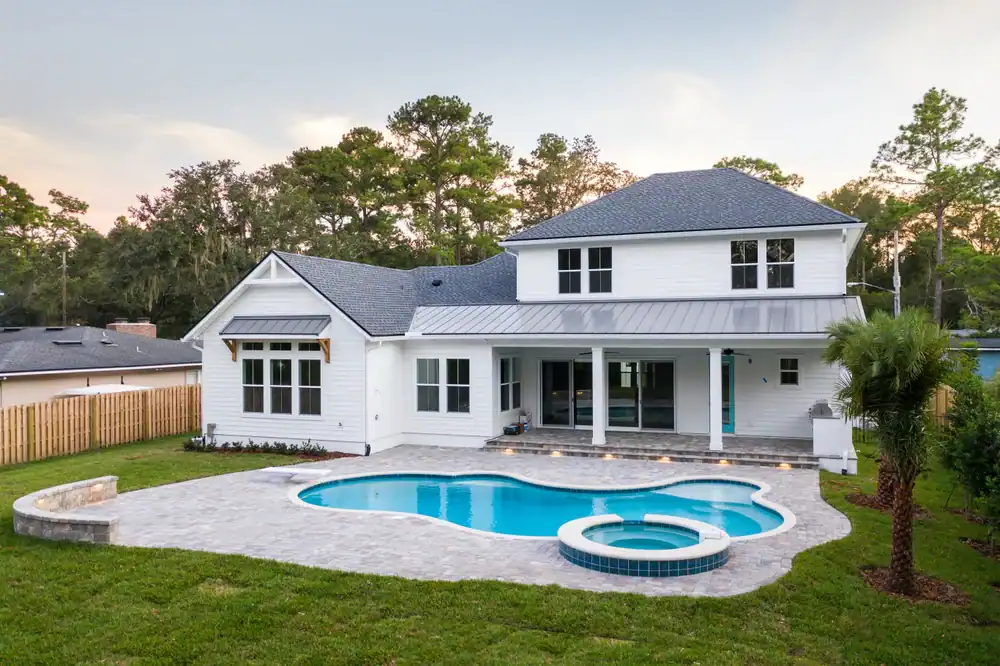
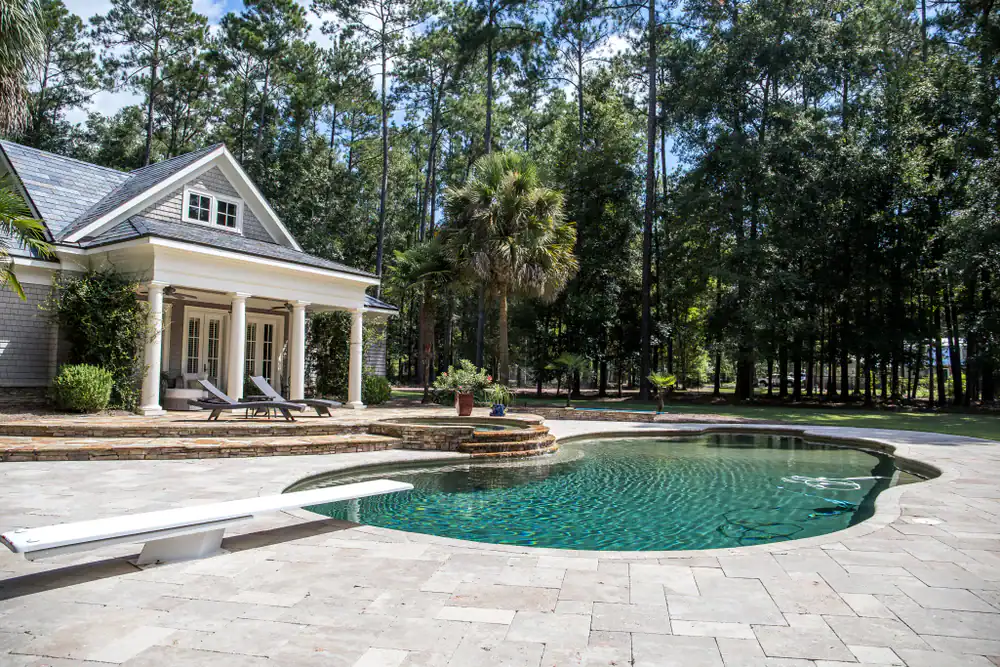
You’re not just getting a hole filled with water. You’re getting a complete backyard poolscape in East Williston, NY that handles drainage properly, stays safe when wet, and doesn’t crack apart after two winters.
The difference shows up in how the deck meets the coping, how water moves away from the foundation, and whether your pavers are still level five years later. Most pool installations fail because the base prep gets rushed or the materials aren’t rated for constant water exposure and chemical contact. You end up with settling, trip hazards, and standing water that turns your investment into a liability.
Proper pool patio masonry in Suffolk County means understanding soil conditions, building for coastal weather, and using materials that can handle what Long Island throws at them. When the installation is done right, you’re not calling someone back to fix sunken pavers or re-level coping. You’re using your pool instead of staring at problems.
We’ve been serving Nassau and Suffolk County homeowners for over 15 years. We started in masonry and evolved into complete poolscape design because property owners kept asking us to fix pool decks that other contractors botched.
East Williston sits in an area where clay soil doesn’t drain naturally and freeze-thaw cycles are brutal on any hardscape. We’ve handled enough pool installations here to know what works and what fails. Every job is managed by the owners, not handed off to a crew you’ve never met.
We’re licensed, insured, and carry an A+ BBB rating because we show up when we say we will and fix problems instead of making excuses. That’s not marketing talk—it’s how we’ve stayed in business this long.
First, we assess your property for drainage, soil type, and how the pool layout affects your yard’s grading. This isn’t a quick walk-through—we’re looking at where water goes when it rains and how the existing grade will impact the pool surround.
Next comes design. We map out the pool shape, deck layout, coping style, and any retaining walls or plantings that complete the space. You see exactly what you’re getting before we break ground. No surprises, no upselling mid-project.
Installation starts with excavation and base prep. For in-ground pool builders in Nassau County, this step makes or breaks the job. We’re building a poured concrete base for pavers, setting proper drainage, and making sure the deck won’t settle below the pool coping. Then comes the pool shell, followed by coping, tile, and deck installation. Finally, we handle grading, plantings, and any masonry features that tie the whole space together.
Most projects take several weeks depending on size and complexity. We keep you updated and handle inspections so you’re not chasing down permits or dealing with town requirements.
Ready to get started?
A complete backyard poolscape in Suffolk County covers everything from excavation to the final paver. That includes the pool shell, custom pool coping and tile in Suffolk County, concrete pool surrounds or paver decks, and proper drainage systems that actually work.
We also handle pool retaining walls and grading when your yard has elevation changes or drainage issues. Long Island properties often need regrading to move water away from the house and prevent pooling around the deck. Skipping this step leads to standing water, erosion, and structural problems down the line.
Material selection matters more than most people realize. Travertine pavers stay cooler underfoot and provide natural slip resistance. Textured concrete works well for larger surrounds. Cambridge pavers are rated for pool environments and handle freeze-thaw cycles without cracking. We’re not upselling premium materials—we’re recommending what lasts in East Williston, NY weather.
You also get warranty coverage on both materials and installation. That includes defects, base failure, and workmanship issues. We’ve been around long enough that our warranty actually means something.
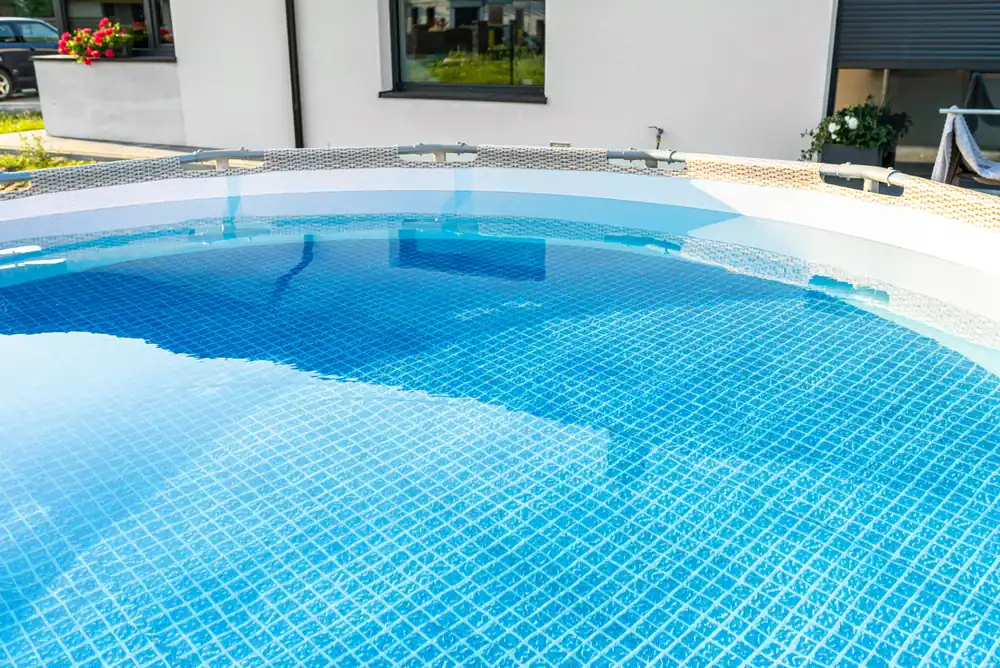
Most custom in-ground pool installations in East Williston, NY take 4-8 weeks from excavation to final walkthrough. That timeline depends on pool size, deck complexity, and whether you’re adding retaining walls or extensive grading work.
Weather delays happen, especially during spring when rain can halt excavation or concrete pours. We build buffer time into schedules so you’re not left wondering when the project will finish. Permit approval can also add a week or two on the front end, depending on how quickly the town processes applications.
The actual pool shell installation takes about a week once excavation and plumbing are done. Coping, tile, and deck work follow, then final grading and cleanup. We don’t rush the base prep or drainage installation to hit arbitrary deadlines—that’s where most pool decks fail.
Pool patio masonry in Nassau County requires different base prep, material selection, and drainage design than a standard patio. You’re dealing with constant water exposure, pool chemicals, and higher safety standards for slip resistance.
The base needs to be poured concrete, not just crushed stone. Pavers around pools experience more movement from water and temperature changes, so a stable base prevents settling and trip hazards. Drainage also has to be more aggressive—you’re moving water away from the pool and preventing it from pooling on the deck where people walk barefoot.
Material choice matters too. Not all pavers are rated for pool environments. You need surfaces that stay cool underfoot, provide slip resistance when wet, and can handle chlorine or salt water contact without deteriorating. Travertine and certain textured concrete pavers work well. Regular brick pavers often don’t hold up.
Pool decks absolutely fail when the installation cuts corners on base prep or uses the wrong materials. We’ve replaced dozens of decks in Suffolk County that were only 3-5 years old because they settled below the pool coping or developed major cracks.
The most common failure is inadequate base preparation. Contractors skip the poured concrete base to save time and use crushed stone instead. That works for regular patios but fails around pools where water and movement cause settling. You end up with pavers that sink, creating trip hazards and gaps where water collects.
Another common issue is poor drainage design. Clay soil in East Williston doesn’t drain naturally, so water sits on the deck or seeps under the base. Freeze-thaw cycles then crack everything apart. Proper grading and drainage prevent this, but it requires more upfront work that some contractors skip.
A properly installed pool deck with correct base prep, drainage, and materials typically costs 20-30% more upfront than a budget installation. But you’re comparing a 25-30 year lifespan to a 5-7 year lifespan before major repairs.
Cheap installations save money by using thinner pavers, skipping the concrete base, and rushing drainage work. You’ll pay $8,000-12,000 less initially. Then you’re spending $15,000-25,000 to rip it out and rebuild it correctly when it fails. Plus you’ve dealt with safety hazards, standing water, and an unusable pool area for years.
The cost difference also shows up in materials. Premium pavers rated for pool use cost more per square foot, but they don’t crack, fade, or become slippery after a few seasons. Resealing every 2-3 years maintains the surface, but that’s minor compared to full replacement. We’re not the cheapest option in Suffolk County—we’re the option that doesn’t need to be redone.
Yes, but it requires more extensive site work to fix drainage and grading before the pool goes in. Properties in East Williston often have clay soil and elevation changes that need addressing or you’ll end up with water problems.
We start by assessing how water currently moves through your yard. If it pools near where the pool will go, we regrade to redirect flow away from both the pool and your foundation. Sometimes that means adding retaining walls to manage elevation changes or installing drainage systems that move water to proper runoff areas.
Pool retaining walls and grading work add to the project cost, but skipping this step creates bigger problems. Water that doesn’t drain properly undermines the pool structure, erodes the deck base, and creates standing water that’s both a safety hazard and a mosquito breeding ground. Fixing drainage issues upfront means your pool installation lasts instead of failing within a few years.
Travertine pavers and textured concrete rated for freeze-thaw cycles hold up best for pool decks in Nassau and Suffolk County. Both handle Long Island’s temperature swings, stay cooler underfoot during summer, and provide slip resistance when wet.
Travertine is natural stone that doesn’t absorb as much heat as concrete, making it comfortable to walk on barefoot. It’s also naturally slip-resistant and handles pool chemicals well. The downside is higher cost and the need for resealing every 2-3 years to prevent staining.
Textured concrete pavers cost less and come in more design options. Look for pavers specifically rated for pool use with a textured surface for traction. Cambridge pavers are a solid choice—they’re engineered for durability and backed by warranties that cover freeze-thaw damage. Regular brick pavers don’t hold up as well and often crack or become slippery after a few seasons.
Other Services we provide in East Williston