
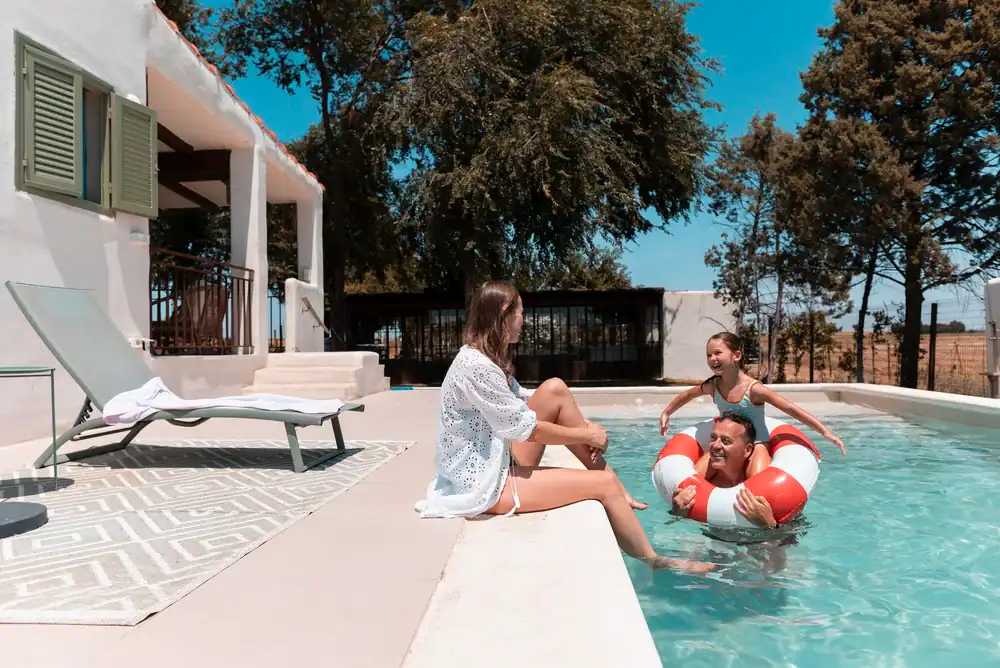

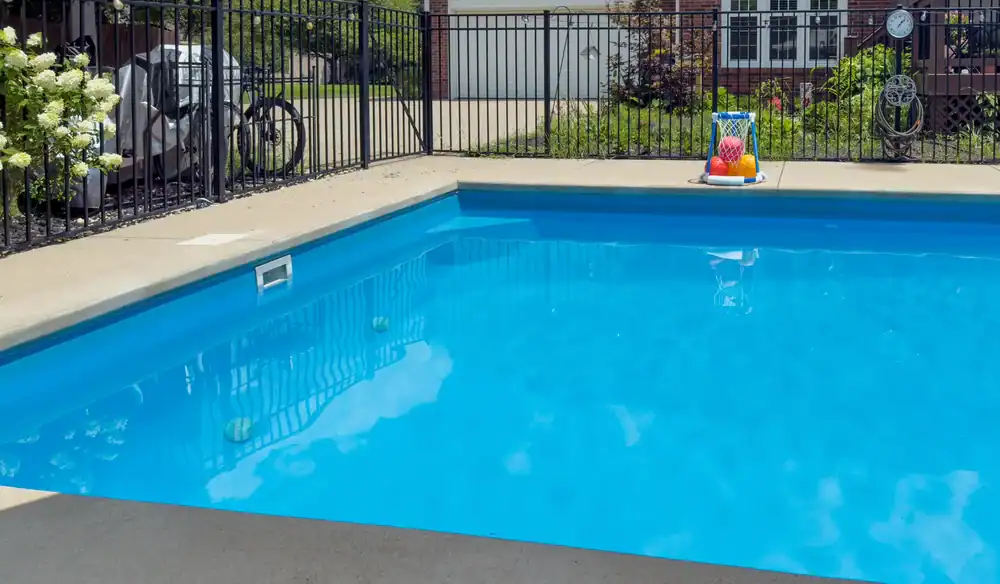
You stop planning vacations around finding a pool. Your kids are outside more. Summer weekends happen at your house, not someone else’s.
An in-ground pool changes how you use your property. It’s not just about swimming—it’s about having a reason to be outside, a place to cool off after work, and a backyard people actually want to spend time in. You’re not renting a cabana or dealing with beach parking. You’re home.
The right pool also adds value. Homes with in-ground pools in Suffolk County consistently sell for more, especially when the installation is done correctly. That means proper grading, quality materials, and a design that fits the space. Not every contractor builds that way. We do.
Ageless started with masonry and outdoor construction, and we’ve been working in Suffolk and Nassau Counties for over 20 years. We know what Long Island soil does to a pool foundation. We know how freeze-thaw cycles affect coping and tile. We know which materials hold up and which ones crack in three years.
We’re licensed and insured in Suffolk County, and we handle the permits. You’re not dealing with a crew that disappears halfway through or a contractor who doesn’t return calls. We show up, we finish the job, and we build it so it lasts.
Nissequogue homeowners deal with specific challenges—coastal weather, high water tables, and strict local codes. We’ve worked through all of it. If your property has drainage issues or rocky soil, we’ll tell you up front what that means for your project and your budget.
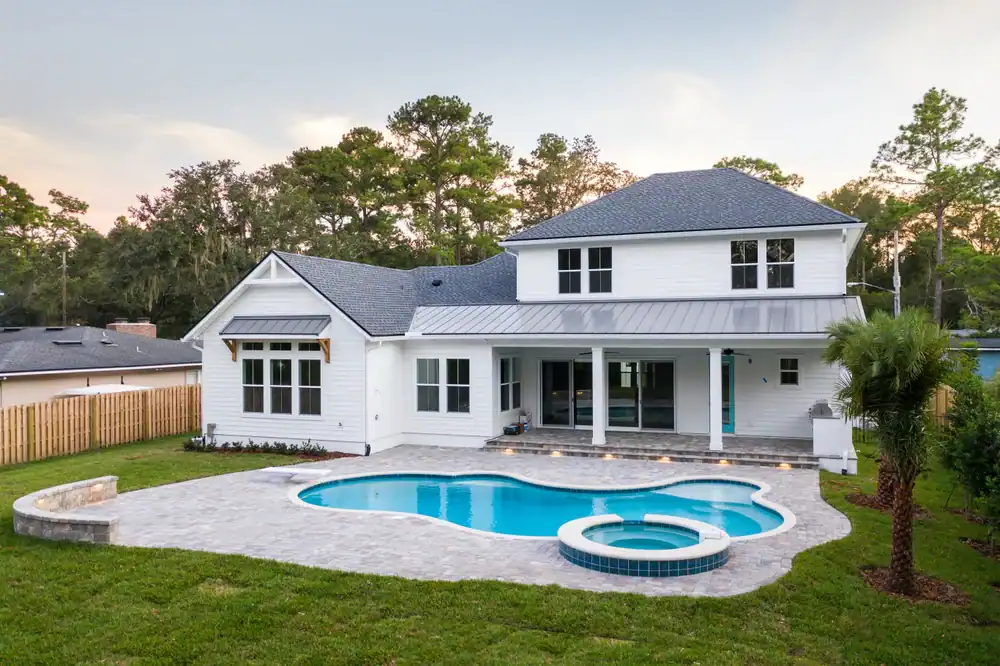
First, we come out to look at your property. We’re checking slope, drainage, soil conditions, and access for equipment. We’ll talk about what you want—size, shape, depth, features—and what actually makes sense for your space and budget.
Once you approve the design, we pull permits and schedule excavation. This is where Long Island gets tricky. Rocky soil or high water tables can slow things down, but we plan for it. After excavation, we install plumbing and rebar, then shoot the gunite shell. That’s the structure of your pool, and it needs to cure properly before we move forward.
Next comes the finish work—tile, coping, decking, and any masonry features like retaining walls or pool patios. We’re not subbing this out. Our crew handles the masonry, so everything ties together. Finally, we fill the pool, balance the water, and walk you through maintenance. You’re swimming in your own backyard, and the work is done right.
Ready to get started?
You’re getting more than a hole filled with water. A complete in-ground pool project includes excavation, gunite shell construction, plumbing and filtration systems, custom pool coping and tile, and your choice of interior finish. We also handle the deck—whether that’s poured concrete, pavers, or natural stone.
If your yard needs grading or retaining walls to make the pool work, we build those too. Pool patio masonry in Suffolk County has to handle freeze-thaw cycles and drainage, so we use materials that won’t shift or crack. We’re also installing steps, benches, sun shelves, or water features if that’s part of your design.
In Nissequogue and the surrounding Suffolk County area, soil conditions vary. Some properties have sand, others have clay or rock. We adjust our approach based on what we find during excavation. That might mean additional drainage work or deeper footings for stability. We don’t skip steps to save time. You’re paying for a pool that lasts 30 years, not one that needs major repairs in five.
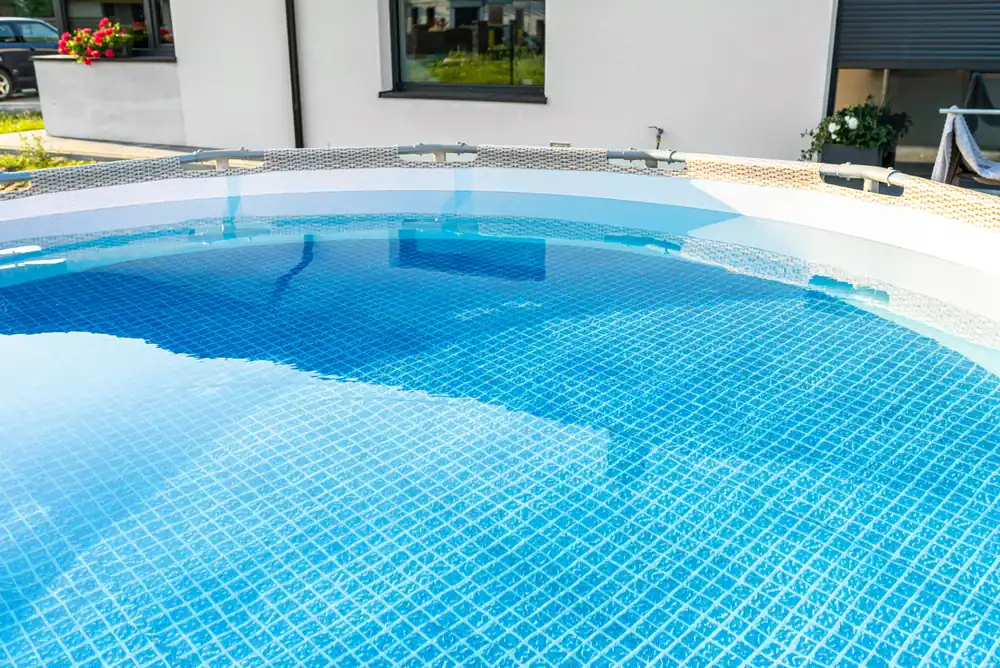
Most custom in-ground pools in Suffolk County run between $50,000 and $90,000, depending on size, features, and site conditions. That includes excavation, gunite shell, plumbing, tile, coping, and basic decking. If you want a larger pool, custom water features, or extensive masonry work, you’ll be on the higher end.
Long Island soil can affect cost. Rocky ground or high water tables mean more excavation time and sometimes additional drainage systems. We’ll know after the site visit. If your property has access issues—narrow gates, tight corners—that can also add to the timeline and labor costs.
Financing is available if you don’t want to pay the full amount up front. We’re not the cheapest option, but we’re also not cutting corners. You’re getting a pool built to last, with proper permits and licensed contractors doing the work.
Plan on 8 to 12 weeks from start to finish, depending on weather, permits, and site complexity. Excavation usually takes a few days. Gunite needs about a week to cure before we can move forward. Tile, coping, and decking take another few weeks, and then there’s final grading and cleanup.
Delays happen. Permits can take longer than expected, especially in Suffolk County. Rain or freezing temperatures can push timelines back. If we hit rock or need to install additional drainage, that adds time too.
We’ll give you a realistic schedule up front, and we’ll keep you updated if anything changes. You’re not going to be left guessing when your pool will be ready. Most of our clients are swimming by mid-summer if we start in spring.
Yes. Suffolk County requires permits for any in-ground pool over 24 inches deep, and Nissequogue has its own local codes you’ll need to follow. That includes setback requirements, fencing, and sometimes drainage plans if your property is in a flood zone or near wetlands.
We handle the permit process. You’re not filling out forms or dealing with the town building department. We submit the plans, schedule inspections, and make sure everything is up to code before we start digging.
Skipping permits is a bad idea. If you sell your house later, an unpermitted pool can kill the sale or force you to tear it out. You could also face fines up to $5,000. It’s not worth the risk. We pull permits on every job, and we build to code so inspections go smoothly.
Gunite is the best option for Suffolk County. It’s durable, handles freeze-thaw cycles better than vinyl or fiberglass, and you can customize the shape and size. Vinyl liners crack in cold weather and need replacing every 7 to 10 years. Fiberglass pools are limited in size and shape, and they can shift in unstable soil.
Gunite pools are built on-site, so we’re working with your property’s specific conditions. We can adjust the design if we hit rock or need to work around trees or slopes. The shell is reinforced with rebar and shot with concrete under high pressure, so it’s solid. Once it cures, it’s not going anywhere.
For finishes, plaster is the most common and affordable option. Pebble or quartz finishes cost more but last longer and resist staining. We’ll walk you through the options based on your budget and how much maintenance you want to deal with.
Yes, but we’ll need to address the drainage before or during construction. Pools built in areas with poor drainage can crack, shift, or develop leaks if water pressure builds up around the shell. We’re not just digging a hole and hoping for the best.
We’ll assess your property during the site visit. If water pools in certain areas or your yard slopes toward the house, we’ll design a drainage solution. That might mean installing French drains, regrading the yard, or adding a retaining wall to redirect water flow.
Long Island has a high water table in some areas, especially near the coast. If that’s the case, we may need to install a dewatering system during excavation or add extra waterproofing to the pool shell. It adds to the cost, but it prevents major problems down the road. You’re not dealing with a flooded pool or foundation issues five years later.
Coping is the cap that sits on top of the pool shell—it’s the edge you grab when you’re in the water. Decking is the patio area around the pool where you walk, set up chairs, and dry off. They’re two different parts of the project, and both matter for safety and durability.
Coping can be natural stone, precast concrete, or brick. It needs to be slip-resistant and able to handle water exposure and temperature changes. We install it so water drains away from the pool, not into it. Poor coping installation leads to cracks and water damage.
Decking options include poured concrete, pavers, travertine, or bluestone. Concrete is the most affordable, but it can crack over time. Pavers and natural stone cost more but last longer and are easier to repair if one piece gets damaged. We’ll recommend what works best for your budget and how much maintenance you want to do. If you’re adding a pool patio with seating or an outdoor kitchen, we’ll tie the decking into that design so everything flows together.
Other Services we provide in Nissequogue