
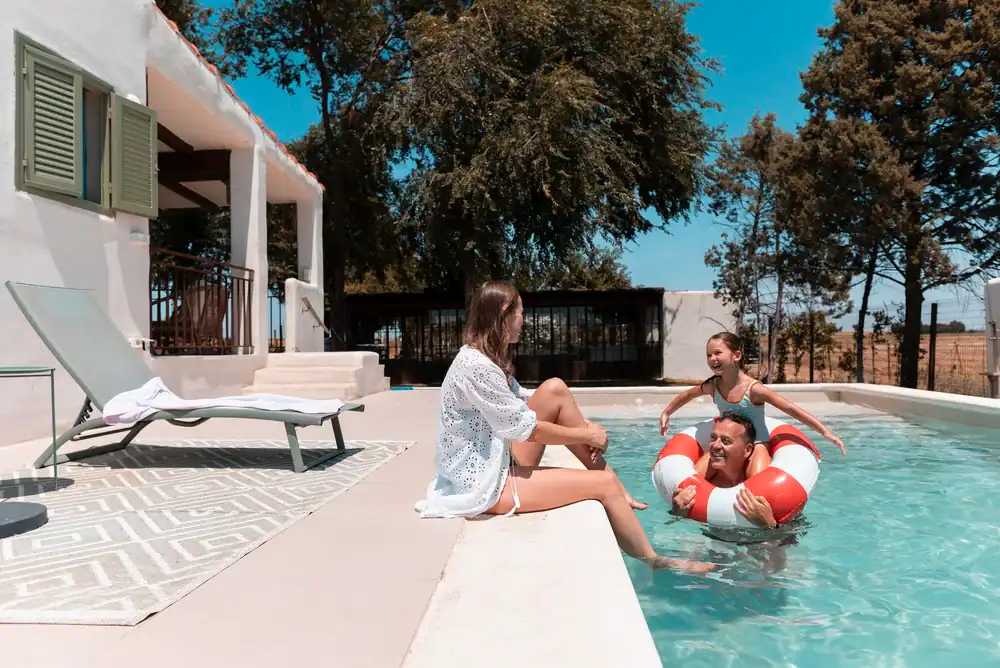

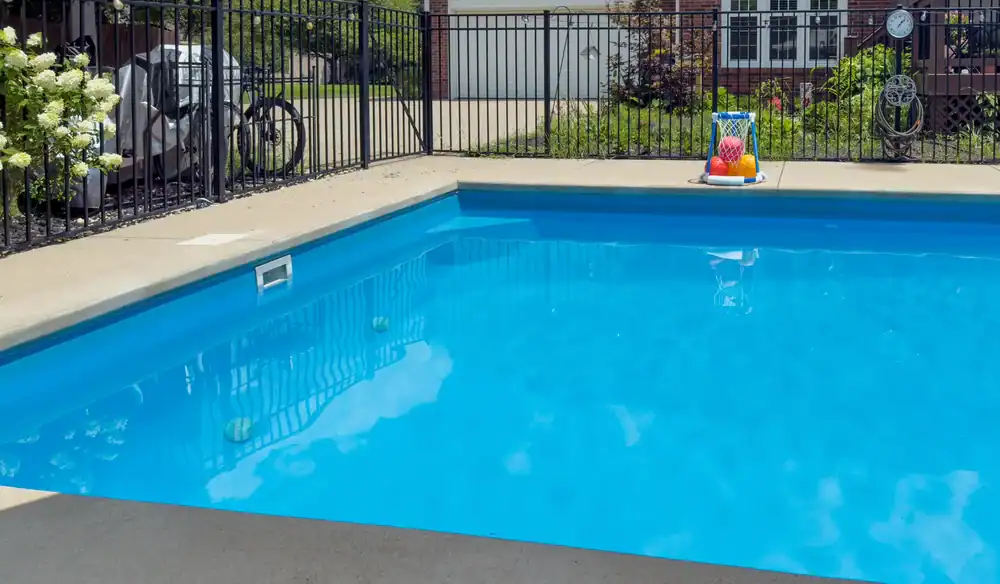
You’re not just adding a pool. You’re creating the spot where your kids will spend every summer, where you’ll host weekend barbecues, and where you’ll actually want to be after a long week.
The difference between a pool that becomes your favorite investment and one that becomes a headache comes down to how it’s built. Long Island soil doesn’t behave like soil anywhere else. Sandy patches shift. Clay won’t drain. The groundwater table sits higher than most contractors expect.
When your pool is built by people who understand Peconic’s soil conditions and Suffolk County’s permit requirements, you get a backyard that works. The patio doesn’t crack after two winters. The drainage system actually handles spring runoff. The coping and tile hold up to freeze-thaw cycles. And you’re not calling someone back six months later because something wasn’t done right the first time.
We’ve been working in Nassau and Suffolk Counties long enough to know that building pools here isn’t like building them anywhere else. The permit process in Peconic takes planning. The soil requires testing before you dig. And the zoning setbacks don’t leave much room for error.
We handle in-ground pool projects from start to finish because we’ve seen what happens when different crews hand off work without talking to each other. You end up with a pool that looks fine until the first heavy rain, or a patio that doesn’t match the coping, or a timeline that drags on for months.
Our crews do the excavation, the masonry, the grading, and the final inspection walkthrough. You work with one team who knows your property and actually answers when you call.
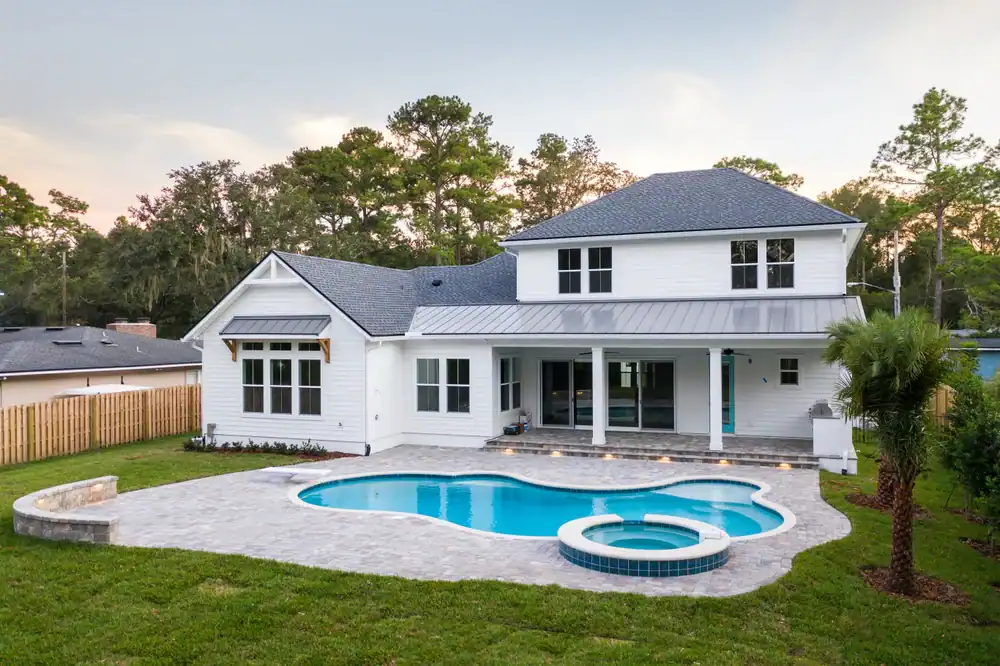
It starts with a site visit. We look at your yard, test the soil, check drainage patterns, and measure setbacks. This tells us what construction method will work best and what permit requirements apply in Peconic.
Once you approve the design, we handle the permits. Building, electrical, plumbing—all of it. This usually takes two to three weeks in Suffolk County, and we stay on top of it so you don’t have to track down inspectors or resubmit paperwork.
Excavation comes next. We dig based on what the soil analysis told us, install the drainage system, and prep the base. If we hit groundwater or clay, we adjust on the spot because we’ve dealt with it before. Then comes the pool structure—gunite, fiberglass, or vinyl liner depending on what you chose—followed by the masonry work. Pool patio, coping, tile, concrete surrounds. Everything gets done by our crew, so it actually matches and holds up.
The whole process typically takes six to eight weeks from the day we break ground to the day you can swim. Weather and inspections can shift that, but we’ll tell you what’s happening and why.
Ready to get started?
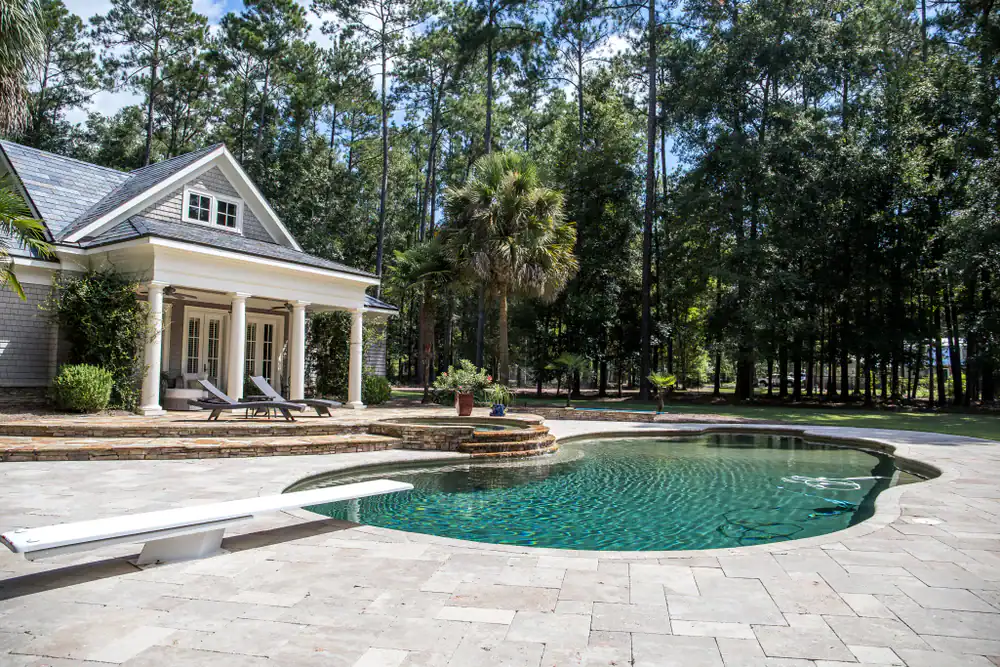
You’re not just getting a hole filled with water. A complete backyard poolscape in Peconic means the pool, the surrounding patio, the coping and tile work, the grading and drainage, and any retaining walls needed to make the space functional.
The pool patio matters more than most people realize. It’s where you’ll walk barefoot, set up chairs, and deal with water splashing out all summer. We use materials that handle Long Island winters and don’t turn into a slip hazard when wet. Custom pool coping and tile get installed to match your style, but also to create a proper edge that keeps water flowing the right direction.
If your yard has any slope, we handle the grading and build retaining walls where needed. This keeps your pool from dealing with runoff and gives you usable space around the water. Concrete pool surrounds get poured to create clean transitions between your patio, lawn, and pool area.
Homeowners in Suffolk and Nassau Counties are leaning toward natural elements and custom liners lately. Less of the bright blue rectangle, more of the resort-style look with integrated stone and softer edges. We can do either, but the trend is moving toward pools that feel less like a public pool and more like a private retreat.
Permit approval in Suffolk County typically takes two to three weeks if everything’s submitted correctly the first time. You’ll need a building permit, electrical permit, and plumbing permit for an in-ground pool in Peconic.
The timeline can stretch if your property has zoning complications or if the plans need revisions. Setback requirements are strict here, and if your pool sits too close to property lines or septic systems, you’ll need to redesign before approval goes through.
We handle the entire permit process, which means we submit the applications, coordinate with inspectors, and make sure everything meets Nassau and Suffolk County building codes. You don’t have to track down paperwork or wait on hold with the building department.
Long Island soil is unpredictable. You’ll find sandy patches that shift, clay sections that don’t drain, and a groundwater table that sits higher than most contractors expect. All of this affects how your pool needs to be built.
In Peconic specifically, you’re dealing with strict zoning setbacks and environmental regulations that don’t exist in other parts of the country. Your pool can’t sit just anywhere on your property. It needs to be a certain distance from property lines, septic systems, and wells.
The construction method that works in one yard might not work three houses down. That’s why soil testing before excavation matters. We test for drainage, groundwater levels, and soil composition so we know whether you need a gunite pool with a robust drainage system or if a vinyl liner with different base prep makes more sense. Most contractors skip this step and hope for the best. That’s how you end up with pools that crack or shift after the first winter.
Most custom in-ground pools in Suffolk County run between $30,000 and $70,000 depending on size, construction method, and how much masonry work you’re adding. A basic rectangular pool with a simple patio sits at the lower end. A resort-style pool with custom coping, tile, waterfalls, and extensive patio work pushes toward the higher end.
Gunite pools cost more upfront but give you the most design flexibility and durability. Fiberglass pools install faster and require less maintenance. Vinyl liner pools are the most budget-friendly option, and about 70% of Long Island pools use this method.
The price also depends on your yard. If we need to remove trees, build retaining walls, or deal with complicated drainage issues, that adds to the cost. We’ll give you a clear estimate after the site visit so you know exactly what you’re paying for and why. No surprises halfway through the project.
You’ll need to balance chemicals weekly during swim season, clean the filter regularly, and vacuum or skim debris. Long Island summers bring pollen, leaves, and plenty of bugs, so you’ll be skimming more often than you’d expect.
Winterizing matters here because of freeze-thaw cycles. You’ll need to drain water below the skimmer, blow out the lines, and cover the pool before temperatures drop. If water stays in the lines and freezes, you’re looking at cracked pipes and expensive repairs come spring.
Saltwater systems and variable-speed pumps reduce some of the maintenance load and cut down on operating costs. Solar heating is becoming more popular in Nassau and Suffolk Counties because it offsets energy costs and extends your swim season without a huge electric bill. We can install any of these options during construction, but retrofitting them later costs more and requires additional work.
An in-ground pool typically increases home value by 8% to 15% according to National Association of Realtors data, but that depends on your neighborhood and how well the pool is built. In areas where most homes have pools, not having one can actually hurt your resale value.
Peconic buyers expect outdoor living spaces, especially in higher-end properties. A well-designed pool with quality masonry work and a functional patio becomes a selling point. A poorly built pool with cracked coping, drainage problems, or outdated finishes becomes a liability that buyers will either negotiate down or walk away from.
The key is building it right from the start. Cheap construction methods and shortcuts might save money now, but they cost you later when the pool needs major repairs or when a buyer’s inspector flags problems during a sale. If you’re thinking of this as an investment in your property and not just a summer amenity, build it like it matters.
Yes, but it requires grading and often retaining walls to make the space functional. A sloped yard doesn’t drain the way you want it to when you add a pool. Water runs toward the pool instead of away from it, which creates erosion problems and puts stress on the pool structure.
We regrade the area around the pool to control water flow and build retaining walls where needed to create level spaces for your patio and pool deck. This also gives you more usable yard space instead of a pool surrounded by slopes you can’t walk on.
Some homeowners in Suffolk County actually prefer a sloped yard because it creates opportunities for more dramatic designs. You can build tiered patios, integrate natural stone retaining walls, or create a pool that looks like it’s built into the landscape. It costs more than a flat yard, but the end result often looks better and functions better long-term.
Other Services we provide in Peconic