

A pool that doesn’t crack in three years. A patio that drains properly when it rains. Coping and tile that hold up through Long Island winters.
You’re not just getting a hole filled with water. You’re getting a complete backyard poolscape in Suffolk County that handles our sandy soil, high water tables, and freeze-thaw cycles. That means proper excavation, drainage systems that work, and materials chosen for this climate.
Most pool problems show up two to five years after installation. By then, the contractor’s moved on and you’re stuck with $10,000 in repairs. The difference is in how the pool’s built from day one—grading, base preparation, plumbing runs, and structural work you’ll never see but will absolutely feel if it’s done wrong.
We’ve been handling pool installations and masonry work across Suffolk and Nassau County for over 40 years. We’re licensed, insured, and we know exactly what Southampton’s building department requires before you break ground.
We’re not a national franchise learning Long Island on your dime. We’ve dealt with every soil condition, every zoning quirk, and every permit office between here and Montauk. That experience matters when you’re six weeks into a project and hit ledge rock or groundwater.
You’ll work with the same crew from excavation to final inspection. No subcontractors we’ve never met. No surprises halfway through when someone realizes they bid it wrong.
First, we walk your property and talk through what you want. Then we handle the survey, engineering, and permits—Suffolk County requires specific setbacks and safety barriers that vary by zone.
Once permits clear, excavation starts. We’re looking at soil composition, drainage patterns, and how your property grades. If there’s ledge or clay, we deal with it then, not after the pool’s half-built.
Next comes the pool shell—gunite, fiberglass, or vinyl depending on your property and budget. Then plumbing, electrical, and backfill. After that, we build your pool patio masonry in Nassau County or Suffolk County: coping, tile, concrete surrounds, retaining walls if needed.
Final grading, landscaping, and inspection. Most projects take eight to twelve weeks start to finish, weather depending. You’ll know where we are every week.
Ready to get started?
Design and engineering. All permits and approvals through Southampton and Suffolk County. Excavation and grading with proper drainage solutions.
Pool installation—your choice of construction method based on your property. Custom pool coping and tile in Suffolk County that matches your home’s style. Concrete pool surrounds in Nassau County built to handle our weather. Plumbing and electrical by licensed tradespeople.
Retaining walls if your yard needs grading work. Patio masonry using materials that last. Final landscaping so you’re not staring at dirt piles all summer.
In Southampton, you’re dealing with coastal conditions and strict building codes. Your pool needs to handle salt air, sandy soil, and winter freeze cycles. We spec materials accordingly—not the cheapest option, the right option for this location. That’s why our pools are still holding up 20 years later while others are cracking and leaking.
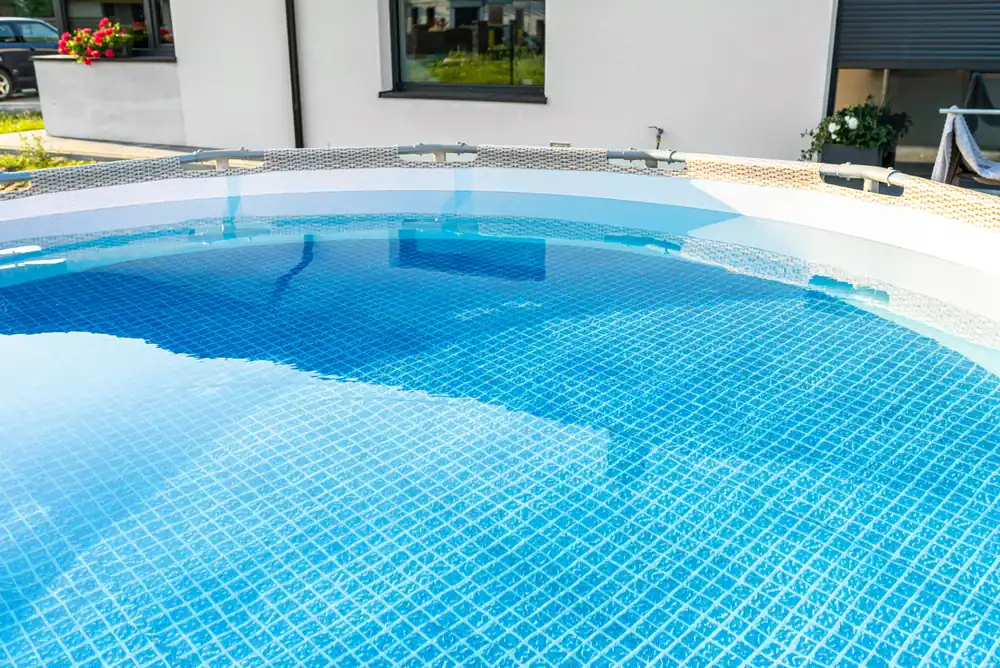
You’re looking at $50,000 to $120,000 for a complete installation in Southampton, depending on size, materials, and site conditions. That’s not just the pool—that’s everything from permits to final landscaping.
Gunite pools run higher but last longer. Fiberglass installs faster but limits your shape options. Vinyl liner is the most affordable upfront but you’ll replace that liner every 7-10 years at $4,000-$6,000 each time.
Site conditions drive cost more than most people expect. If we hit ledge rock, that’s additional excavation. High water table means more drainage work. Tight access means smaller equipment and more labor hours. We’ll tell you what we find during the site visit, not six weeks into the job.
Eight to twelve weeks from excavation to final inspection, assuming normal weather and no permit delays. Permitting adds another four to six weeks before we can start, so plan on three to four months total.
Spring installations get you swimming by summer, but that’s when everyone wants to build. If you’re planning for next year, fall and winter are better times to design and permit so we can start digging as soon as the ground thaws.
Suffolk County inspections happen at specific stages—after plumbing rough-in, before backfill, and at final completion. We can’t skip ahead or rush those. Any contractor promising a four-week install either isn’t pulling permits or isn’t building it right.
Yes. Suffolk County requires a building permit, electrical permit, and often a separate plumbing permit depending on your heating and filtration setup. Southampton has additional zoning requirements for setbacks from property lines and structures.
You’ll also need a barrier permit—that’s fencing, alarms, or safety covers that meet New York State pool barrier law. The town checks this at final inspection and won’t sign off without compliant barriers in place.
If you’re in a historic district or have HOA rules, there are extra approval steps. We handle all of this as part of the installation. Trying to DIY permits or skip them entirely causes major problems when you sell the house or file an insurance claim after an accident.
Depends on what we find when we dig. Southampton has mostly sandy soil, which drains well but doesn’t hold shape like clay. That makes gunite a good choice—it’s sprayed concrete reinforced with rebar that creates its own structure.
Fiberglass shells work fine in sand and install faster, but you’re limited to pre-made shapes and sizes. Vinyl liner pools with steel or polymer walls are the most affordable and handle soil movement well, but the liner itself needs replacement every decade.
The real issue is groundwater. Parts of Southampton sit close to the water table, especially near the coast. If we’re installing in a high water table area, the pool needs a hydrostatic relief valve and proper drainage around the shell, or it’ll literally pop out of the ground when empty. We’ve seen it happen with pools installed by contractors who didn’t know the area.
Weekly during swim season—test and balance chemicals, skim debris, vacuum, clean filters. Spring opening after winter and fall closing before freeze. That’s the baseline.
Long Island adds extra work. Spring pollen is heavy, so you’re skimming daily in May. Salt air if you’re near the coast means more frequent equipment checks and faster corrosion on metal components. Winter freeze-thaw cycles crack concrete if your coping and deck weren’t installed with proper expansion joints.
Budget $1,200-$2,000 per year for chemicals, routine maintenance, and minor repairs if you’re doing the work yourself. Professional service runs $2,000-$4,000 per season. Ignoring maintenance doesn’t just make the water gross—it voids equipment warranties and leads to expensive repairs like pump replacements ($800-$1,500) or heater failures ($2,000-$4,000).
Heating, yes—that’s equipment added to your existing plumbing loop. Waterfalls, lighting, and built-in features need to be planned during construction because they require plumbing lines, electrical runs, and structural work that’s buried under your deck.
Adding a heater after the fact costs $3,000-$6,000 for the unit plus installation. Gas heaters work faster but cost more to run. Heat pumps are more efficient but take longer to warm the water. Solar is cheapest to operate but needs roof or yard space for panels and only works well in full sun.
Retrofitting a waterfall or adding jets means jackhammering your deck, running new plumbing, and patching everything back together. You’ll spend twice what it would’ve cost during the original build, and the repair work never quite matches the original installation. If you think you might want it, build it now.
Other Services we provide in Southampton