
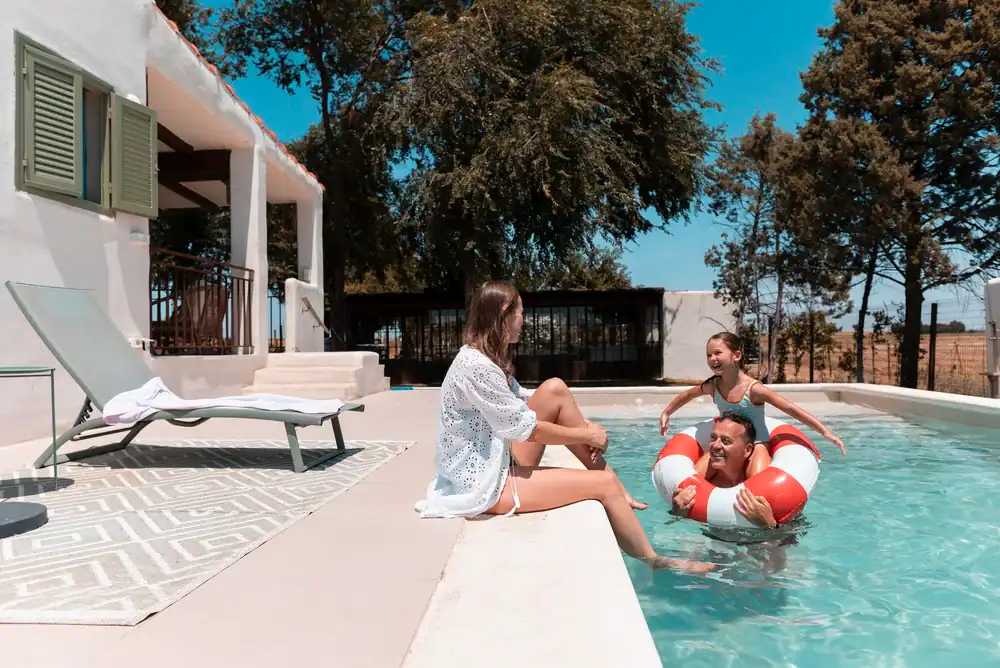

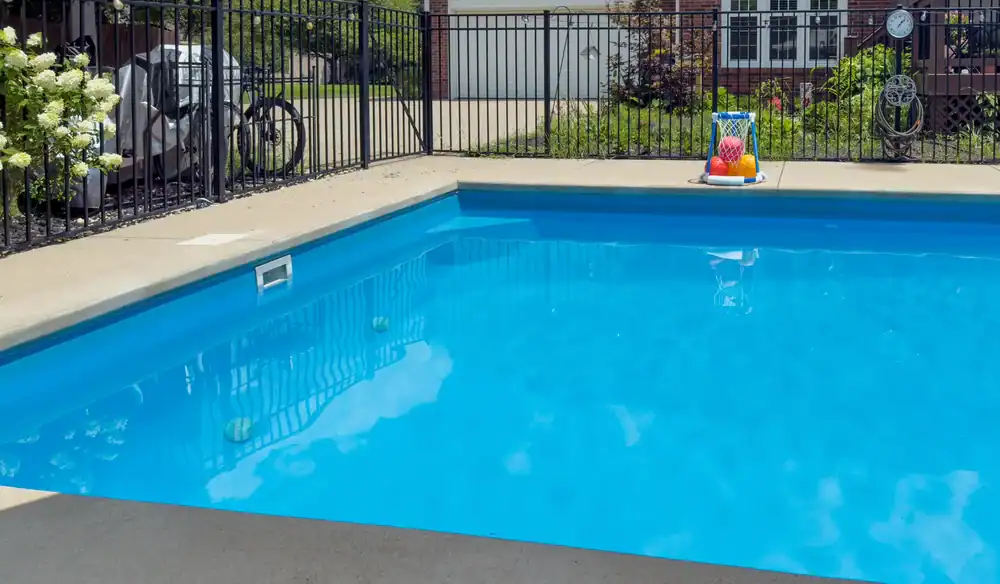
You’re not just getting a pool. You’re getting a backyard that works the way you’ve been picturing it—where the kids actually want to be home, where summer weekends don’t require a beach parking pass, and where your property value reflects the investment you made.
That only happens when the excavation accounts for Southold’s soil conditions from day one. When the drainage system is designed for a high water table, not copied from a job three states away. When the permits clear without delays because someone actually knows Suffolk County’s requirements.
Most pool projects fail in the planning phase. Yours won’t, because we’ve built enough pools on the North Fork to know what works here and what doesn’t.
We’ve been handling in-ground pool construction across Suffolk County and Nassau County for years. That means we’ve worked through Southold’s zoning codes, dealt with the Town’s building department more times than we can count, and figured out how to build pools that last in coastal conditions.
You’re not getting a national franchise that treats Long Island like anywhere else. You’re working with a local crew that knows why your neighbor’s pool cracked after two winters and how to make sure yours doesn’t.
We handle the entire process—design, permits, excavation, installation, and the final inspection. No subcontractors you’ve never met showing up to your property.
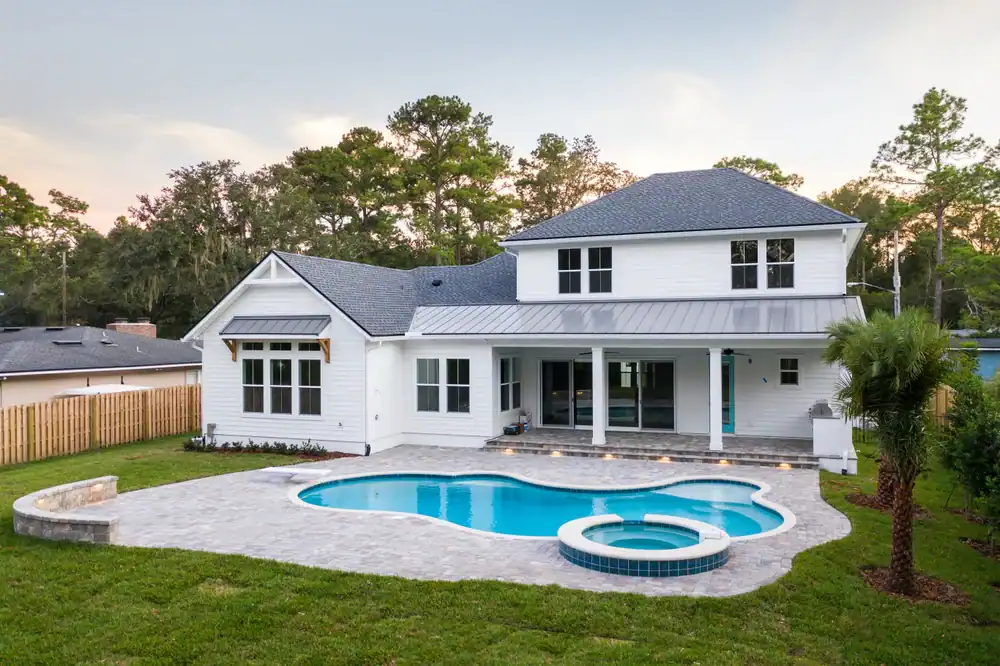
It starts with a site evaluation. We’re looking at your soil composition, drainage patterns, and how close you are to setback lines. That tells us whether you need a dewatering system, how deep we can excavate without issues, and what your permit application needs to include.
Once the design is finalized and permits are approved—which we handle entirely—excavation begins. For most Southold properties, that means dealing with sandy soil that shifts and a water table that sits higher than you’d expect. We install proper drainage before the pool shell goes in, not after problems start showing up.
The pool shell gets installed, whether that’s gunite, fiberglass, or vinyl liner. Plumbing and electrical go in next, followed by decking and any masonry work like custom pool coping and tile or concrete pool surrounds. Then comes the final grading, landscaping, and inspection.
Most custom in-ground pools in Suffolk County take six to eight weeks from excavation to completion. You’ll get updates throughout, not radio silence until we’re done.
Ready to get started?
Your pool project includes complete design services, all necessary permits for Southold and Suffolk County, professional excavation with soil analysis, and installation of the pool shell. Plumbing and electrical work are handled in-house, along with any required drainage systems for high water table conditions.
You also get pool patio masonry in Suffolk County if you want custom stonework, pavers, or concrete surrounds. Pool retaining walls and grading are part of the package when your property needs leveling or erosion control. Custom pool coping and tile in Suffolk County means you’re not limited to builder-grade materials—you pick what fits your vision.
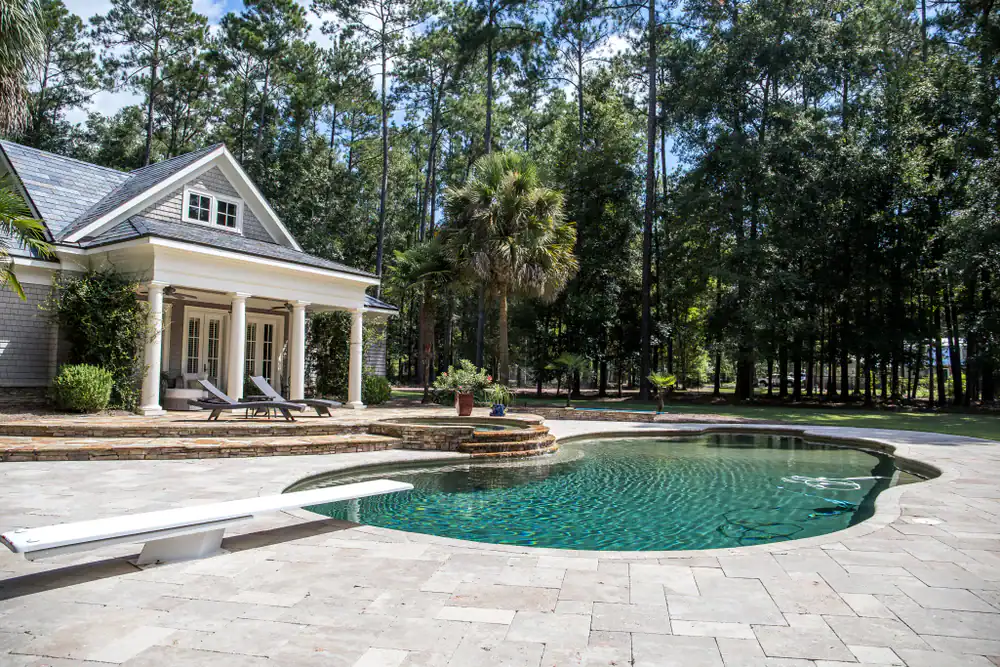
For Southold homeowners, that often means integrating the pool with existing landscaping, working around mature trees, and designing hardscaping that handles coastal weather. We’ve done enough complete backyard poolscapes in Suffolk County to know what holds up and what starts cracking after the first freeze-thaw cycle.
The goal is a finished project that looks like it’s always been part of your property, not something that was dropped in last month.
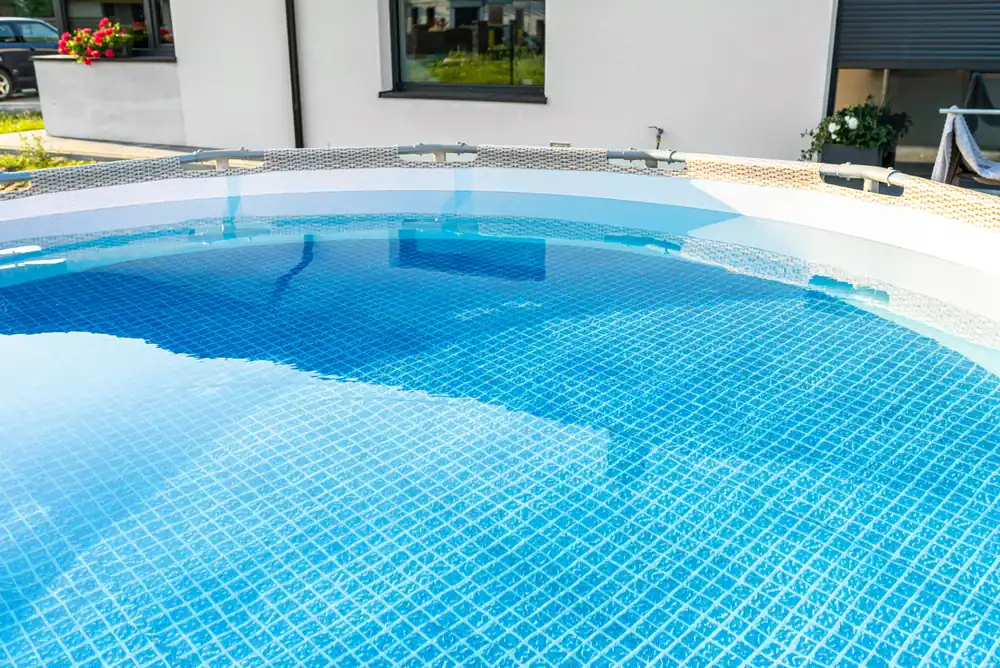
Most custom in-ground pools in Southold run between $50,000 and $90,000 depending on size, materials, and site conditions. That’s higher than the national average because you’re dealing with coastal soil, a high water table, and Suffolk County’s permit requirements.
A standard 12-by-28-foot gunite pool with basic finishes and decking usually starts around $65,000. Add custom tile, upgraded coping, or extensive masonry work and you’re looking at $80,000 or more. If your property needs significant grading, a dewatering system, or retaining walls, expect those costs to increase.
The biggest variable is your soil. Sandy soil requires different excavation and drainage than clay, and properties near the water often need additional foundation work to keep the pool stable. We do a soil analysis before quoting so you’re not surprised halfway through the project.
You’ll need a building permit from the Town of Southold, plus electrical and plumbing permits. Suffolk County also requires a survey showing property lines and setbacks, along with architectural drawings that meet local zoning codes.
Southold has specific setback requirements—your pool needs to be a certain distance from property lines, septic systems, and wells. If you’re in a flood zone or near wetlands, additional permits and environmental reviews come into play. Fencing requirements are strict too: New York State law mandates specific heights and self-closing gates.
We handle the entire permit process. That means preparing the drawings, submitting applications, and dealing with the building department if they request revisions. Most permits in Southold take four to six weeks to clear, assuming everything’s submitted correctly the first time.
Most in-ground pool installations in Southold take six to eight weeks from excavation to final inspection. That timeline assumes normal weather, no permit delays, and no major surprises during excavation.
The process breaks down like this: excavation and drainage installation take about a week, the pool shell installation takes another week, and plumbing and electrical work add another week after that. Decking, coping, and masonry work depend on how much custom work you’re doing—basic concrete surrounds go faster than full stone patios with retaining walls.
Weather is the biggest wildcard. Heavy rain can delay excavation if the site turns into mud, and you can’t pour concrete in freezing temperatures. That’s why most Southold pool projects start in late spring or early summer—you want the work done before fall hits.
A professionally installed in-ground pool typically increases home value by 8% to 15% in Southold and the surrounding North Fork area. That’s higher than the national average because outdoor living space is a major selling point for Long Island properties.
The increase depends on how well the pool fits your property and neighborhood. A well-designed pool with quality masonry, proper landscaping, and updated equipment adds more value than a basic builder-grade installation. Buyers also care about maintenance history—pools that have been properly maintained and haven’t needed major repairs are worth more.
Location matters too. Southold properties near the water or with larger lots tend to see better returns on pool investments because buyers in those areas expect high-end outdoor amenities. A pool that looks like an afterthought or has visible issues with cracking, settling, or outdated equipment can actually hurt your resale value.
Gunite pools handle Southold’s soil conditions and coastal climate better than most alternatives. The concrete shell is flexible enough to handle minor ground movement from sandy soil, and it holds up well against freeze-thaw cycles that crack lesser materials.
Fiberglass pools are an option if you want faster installation and lower maintenance, but they’re more prone to shifting in sandy soil if the excavation and backfill aren’t done perfectly. Vinyl liner pools are the most affordable upfront, but Long Island’s temperature swings are hard on liners—you’ll replace them more often than you would in a milder climate.
About 70% of pools on Long Island are gunite for a reason. The material works with local conditions instead of fighting them, and it gives you more design flexibility for custom shapes, depths, and finishes. If your property has challenging soil or drainage issues, gunite is usually the safest choice.
Most properties in Southold don’t need a permanent dewatering system, but you’ll likely need temporary dewatering during excavation. The water table on the North Fork sits higher than inland areas, especially if you’re close to the Long Island Sound or one of the bays.
Temporary dewatering involves pumping groundwater out of the excavation site while the pool shell is being installed. Once the shell is in and backfilled properly, the system gets removed. That usually adds $2,500 to $5,000 to your project cost.
Properties in low-lying areas or with known drainage problems might need a permanent system to prevent the pool from floating during heavy rain or snowmelt. We test groundwater levels during the site evaluation so you know upfront whether you’re dealing with a temporary fix or a permanent installation. Either way, skipping this step is how pools end up cracking or shifting within the first few years.
Other Services we provide in Southold