

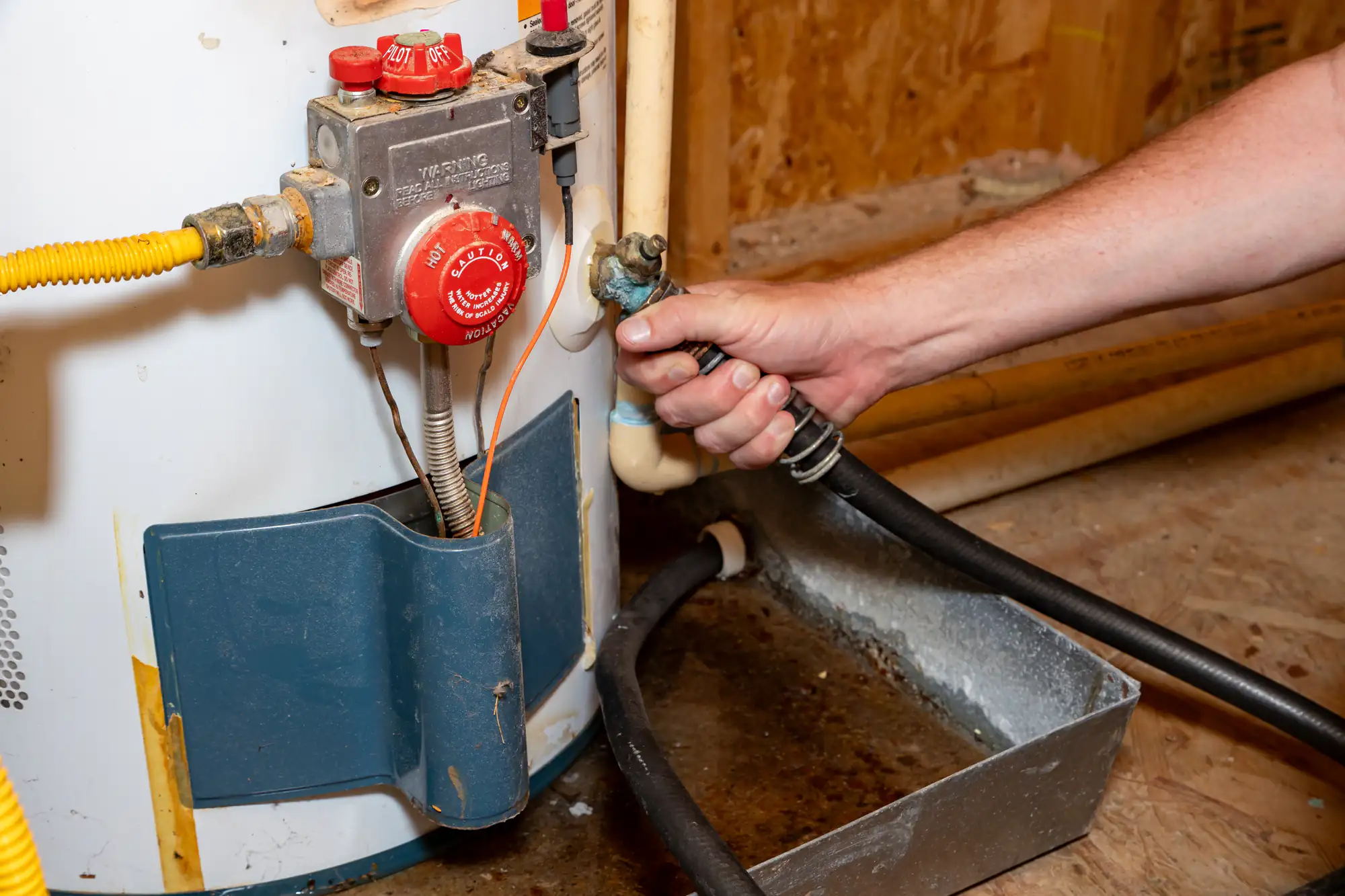
When a boiler has been sitting dormant since spring, the last thing it needs is to be fired up without a professional looking at it first. Soot hardens. Flue liners collect moisture. Birds and small animals find their way into unprotected chimney openings. By the time you’re back on Route 27 heading out for a fall weekend, none of that is visible but all of it matters.
A professionally cleaned boiler runs more efficiently, which means less fuel burned to reach the same temperature. That’s not a minor detail when you’re running an oil system on the East End, where heating costs are already high and the maritime air off Napeague Bay accelerates wear on components that most technicians never even look at. Salt air doesn’t just affect the outside of your home it works on metal flue liners, chimney caps, and exhaust connections year after year.
What you get after a proper boiler cleaning and flue inspection is straightforward: a system that’s ready to run safely, a clear picture of anything that needs attention before it becomes a problem, and documentation you can keep on file whether you manage the property yourself or coordinate through someone else.
We’ve earned an “A” rating with the BBB and an Angie’s List award for six consecutive years. That’s not a single good season it’s a track record you can look up and verify, which matters a lot when you’re booking a service provider for a property you’re not always on-site to supervise.
We’re licensed for Suffolk County and carry full liability insurance and workers’ compensation coverage. Every material we use on an installation is UL listed and up to code. For homeowners and property managers along Abrahams Landing Road and throughout the Amagansett area, that means you’re not taking our word for it the credentials are real and the documentation is there.
What separates us from the HVAC companies serving the East End is scope. Most heating contractors stop at the mechanical unit. We clean and inspect the entire exhaust pathway from the burner through the flue to the chimney top. On older South Fork properties, especially those with original masonry systems, that distinction is exactly what keeps a routine service call from missing something serious.
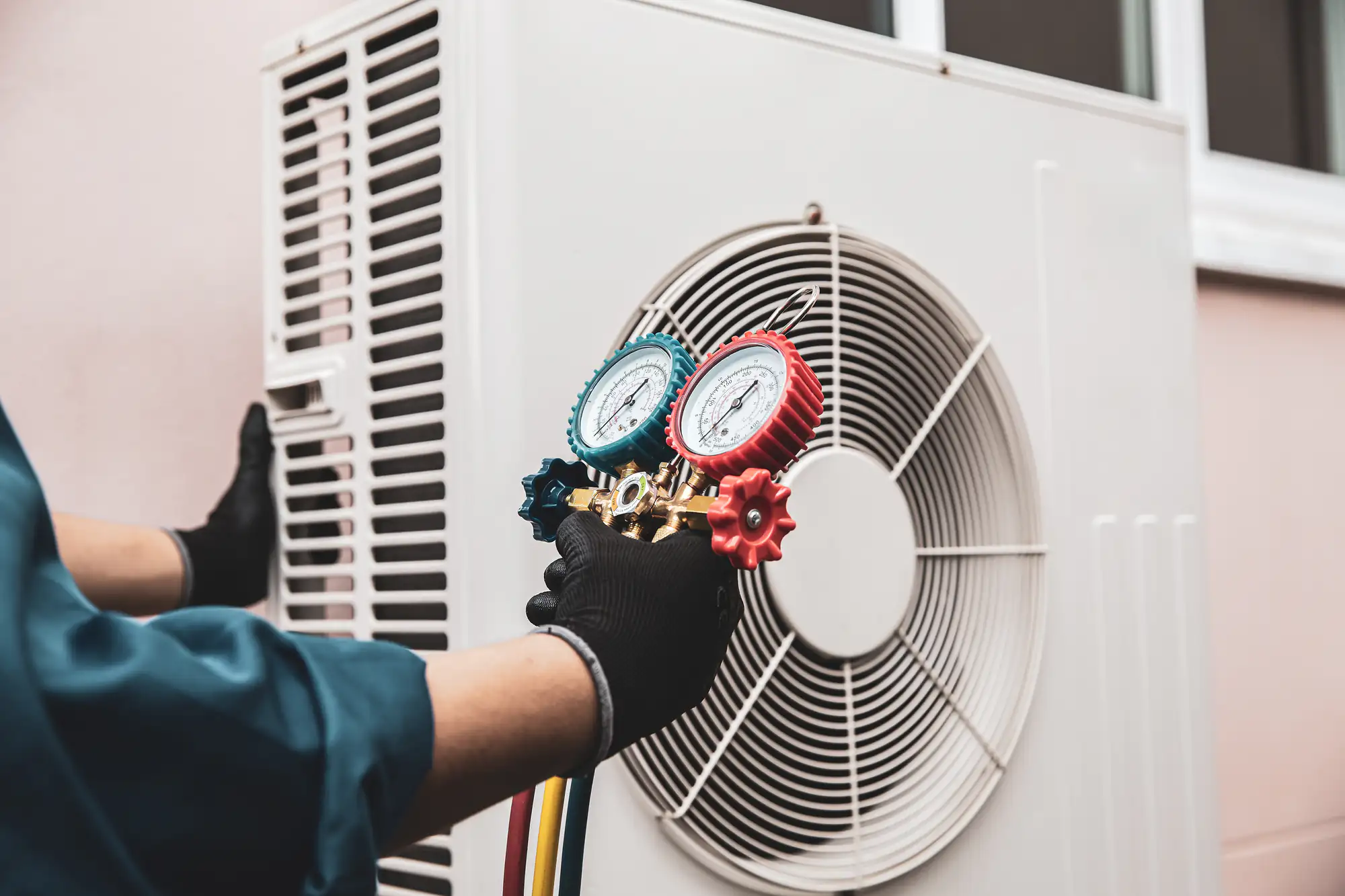
The process starts with a full visual inspection of the boiler, the piping, and all connections checking for corrosion, leaks, and anything that’s changed since the last service. On East End properties that sit vacant for extended periods, this step catches what months of dormancy can create: hardened soot deposits, moisture-related liner damage, or a flue obstruction from a bird or animal that found its way in over the winter.
From there, we clean and check the heat exchanger, burners, and ignition system. A combustion analysis measures and adjusts the air-to-fuel ratio so the system is burning efficiently, not just burning. The flue is inspected for blockages, cracks, and proper venting because a clean burner connected to a compromised flue is still a problem. Safety controls are tested, pressure is verified, and if there’s anything that needs attention beyond the cleaning itself, you’ll hear about it plainly and honestly before any additional work is discussed.
For Suffolk County properties, any structural chimney work liner installation, cap replacement, and related repairs requires permits through the East Hampton Town Building Department. We work within those requirements, and all materials we use meet UL listing standards. The job ends with a clear report of what was found and what was done, so you have a record on file whether you’re managing the property yourself or handing it off to someone else.
Ready to get started?
There’s a meaningful difference between a company that services a boiler and one that understands the full exhaust system connected to it. In Amagansett and along Abrahams Landing Road, where some homes date back to the early 1800s and original masonry chimneys are still in use, that difference isn’t theoretical it shows up in what gets missed and what doesn’t.
We cover the burner, heat exchanger, and ignition system, along with the flue, liner, and chimney from the connection point all the way to the top. That includes checking for salt air corrosion on metal components, inspecting liner joints that coastal humidity works on year after year, and clearing any obstructions that accumulated during a period of vacancy. For properties that see heavy seasonal use, or that sit closed for months at a time, the chimney side of the system is where problems tend to hide.
We offer both residential and commercial boiler cleaning throughout the Abrams Landing area and across Suffolk County. Whether it’s an oil boiler in a historic South Fork home, a gas system in a newer build, or a commercial boiler in a property managed for rental, the scope of work is the same: a full inspection, a thorough cleaning, honest findings, and a system that’s ready for whatever the Long Island heating season brings.

Yes and in some ways, a boiler that sits unused for long stretches needs professional attention more than one that runs regularly. When a system is dormant, soot and residue from the previous heating season harden inside the heat exchanger and flue. Moisture infiltrates aging liner joints. Animals and birds find their way into chimney openings that aren’t protected or regularly checked. None of this is visible from the outside, and none of it announces itself until the system is running again often at the worst possible time.
In Amagansett, where the majority of homes sit vacant for extended periods and the coastal air off Napeague Bay adds humidity and salt exposure to the mix, a dormant boiler system is under more environmental stress than most people realize. Annual boiler cleaning and flue inspection before the heating season is the standard that protects both the equipment and the people using it regardless of how many months the system actually ran.
Your oil delivery company typically services the burner unit the mechanical component that ignites and burns the fuel. That’s a legitimate and important service, but it stops at the boiler itself. It doesn’t include the chimney flue, the liner, the exhaust pathway, or the chimney cap. Those components are separate, and they require chimney-specific expertise, not HVAC expertise.
On the East End of Long Island, where oil heat is common and many homes have older chimney systems that were never designed for modern heating equipment, that gap matters. A burner that’s running cleanly can still be venting combustion gases through a cracked liner or a partially blocked flue. That’s a carbon monoxide risk, not a boiler problem. We cover the full system from the burner through the flue to the chimney top so nothing gets missed because it falls between two different service categories.
Older homes on the South Fork including properties along Abrahams Landing Road with original or partially-updated masonry chimneys were built long before modern oil and gas boilers existed. The flue sizes, liner materials, and draft characteristics of those original systems don’t always match what today’s heating equipment requires. A terra cotta liner that’s been in place for decades may have cracks that aren’t visible without a proper inspection. A chimney that was sized for a coal or wood-burning system may not draft correctly for a modern boiler.
The way to know is a professional inspection that looks at the full exhaust pathway, not just the mechanical unit. If the liner needs to be replaced or a stainless steel liner system needs to be installed to bring the flue up to current standards, that work requires a Suffolk County licensed contractor and East Hampton Town building permits. We carry the appropriate Suffolk County licensing and use UL-listed materials on all installations so if your older home needs an upgrade, the work is done correctly and documented.
Once a year is the standard, and the timing matters more than most people think. The best window for boiler cleaning is summer when the system isn’t in use, service can be done without disrupting heat, and any issues that turn up can be repaired before the heating season begins. For Abrams Landing homeowners and property managers, summer also happens to be the time when you’re most likely to be on-site or have access to the property coordinated, which makes scheduling straightforward.
Waiting until fall when appointment slots fill fast and the first cold snap can arrive with little warning puts you in a reactive position. East Hampton winters bring January lows in the upper 20s and wind chill that pushes it colder. A boiler that hasn’t been serviced going into that kind of weather is a gamble. Scheduling in July or August, while the LIRR Montauk Branch is running full summer service and you’re already out here, is the practical move.
It can, and it does especially over time. The marine environment around Abrams Landing, with the Atlantic to the south and Gardiners Bay and Napeague Bay to the north and east, creates salt air conditions that accelerate corrosion in metal flue components. Stainless steel liner connections, chimney caps, dampers, and flashing are all exposed to that environment year-round. The corrosion process is gradual, which is exactly why it tends to go unnoticed until a joint fails or a cap deteriorates enough to let moisture and debris into the flue.
Annual inspection catches this early. A technician who knows what salt air corrosion looks like on a chimney cap or liner joint can identify the problem before it becomes a safety issue or a costly repair. This is one of the reasons we consistently recommend annual maintenance as non-negotiable for coastal properties in Abrams Landing the environment here is harder on these systems than what inland Long Island homeowners typically deal with.
In Suffolk County, chimney contractors are required to hold a Department of Consumer Affairs license it’s specific to the county, not a blanket statewide credential. That license number should be available if you ask for it. Beyond that, any company working on your property should carry full liability insurance and workers’ compensation coverage. For high-value properties in the Amagansett area, this isn’t a formality it’s the documentation that protects you if something goes wrong during the job.
On the professional side, the Chimney Safety Institute of America certification is the credential that distinguishes chimney specialists from general HVAC technicians. CSIA-certified sweeps have passed a rigorous written exam and are required to maintain continuing education. You can verify certification directly through the CSIA’s online lookup tool. For any structural work liner installation, cap replacement, or chimney repairs East Hampton Town Building Department permits are also required. A licensed, credentialed contractor handles that process as part of the job, so you’re not left managing permit paperwork on your own.
Other Services we provide in Abrams Landing