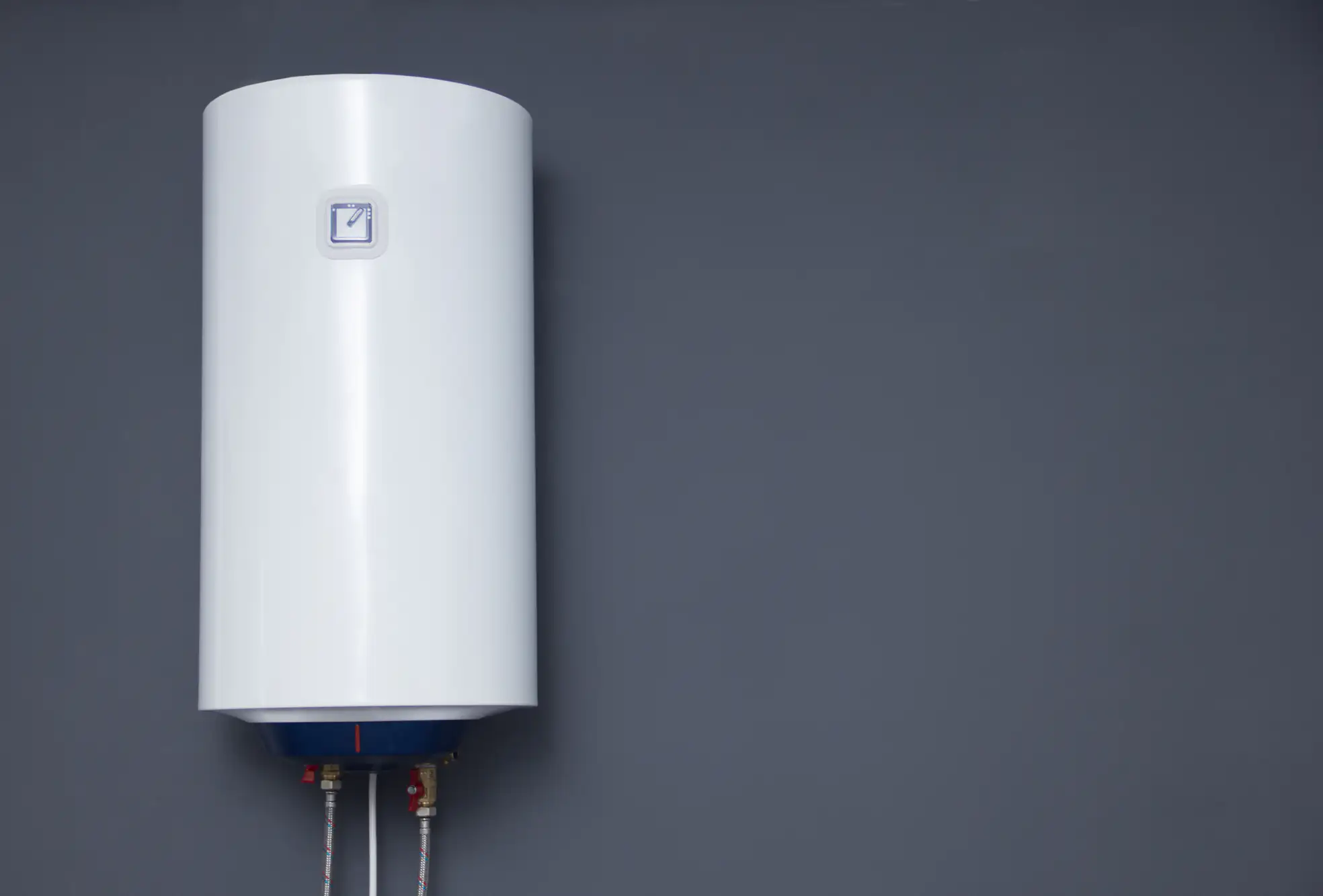

When your boiler’s exhaust pathway is clear, your system runs the way it was designed to. Combustion gases move out efficiently, heat transfer improves, and your boiler isn’t working harder than it needs to. That translates directly to lower fuel consumption which matters in Amityville, where oil heat is the norm and heating oil prices on Long Island aren’t getting any friendlier.
Amityville’s housing stock presents specific challenges. A significant portion of homes here were built in the 1940s through the 1960s, and many still run on the same style of oil boiler system they were built with. Older systems with aging flue liners are more vulnerable to soot buildup, and they’re also more likely to develop cracks or corrosion that only a professional inspection catches.
Sitting on the Great South Bay, Amityville deals with salt air and coastal humidity year-round conditions that accelerate deterioration of chimney components faster than what inland Long Island towns typically see. A clean flue isn’t just about efficiency. It’s about knowing your boiler’s exhaust is actually venting where it’s supposed to go, and that carbon monoxide isn’t finding its way back into your home because of a blockage or a liner that’s seen better days.
We’re based in Bethpage about five to eight miles from Amityville via Sunrise Highway. That’s not a regional company stretching its coverage map. That’s a neighbor who can be at your door quickly, including on the same day you call.
For six consecutive years, we’ve been recognized by both Angie’s List and the BBB with an “A” rating. That kind of sustained track record doesn’t happen by accident. It reflects a consistent approach: show up on time, do the job right, leave the property clean, and tell customers what they actually need not what earns the most on a single visit.
We hold county-specific licensing for Suffolk County, which covers Amityville and North Amityville. Every job is backed by liability insurance and workers’ compensation, and all materials we install are UL listed.

Most residential boiler cleanings take around one to two hours. Here’s what that time covers.
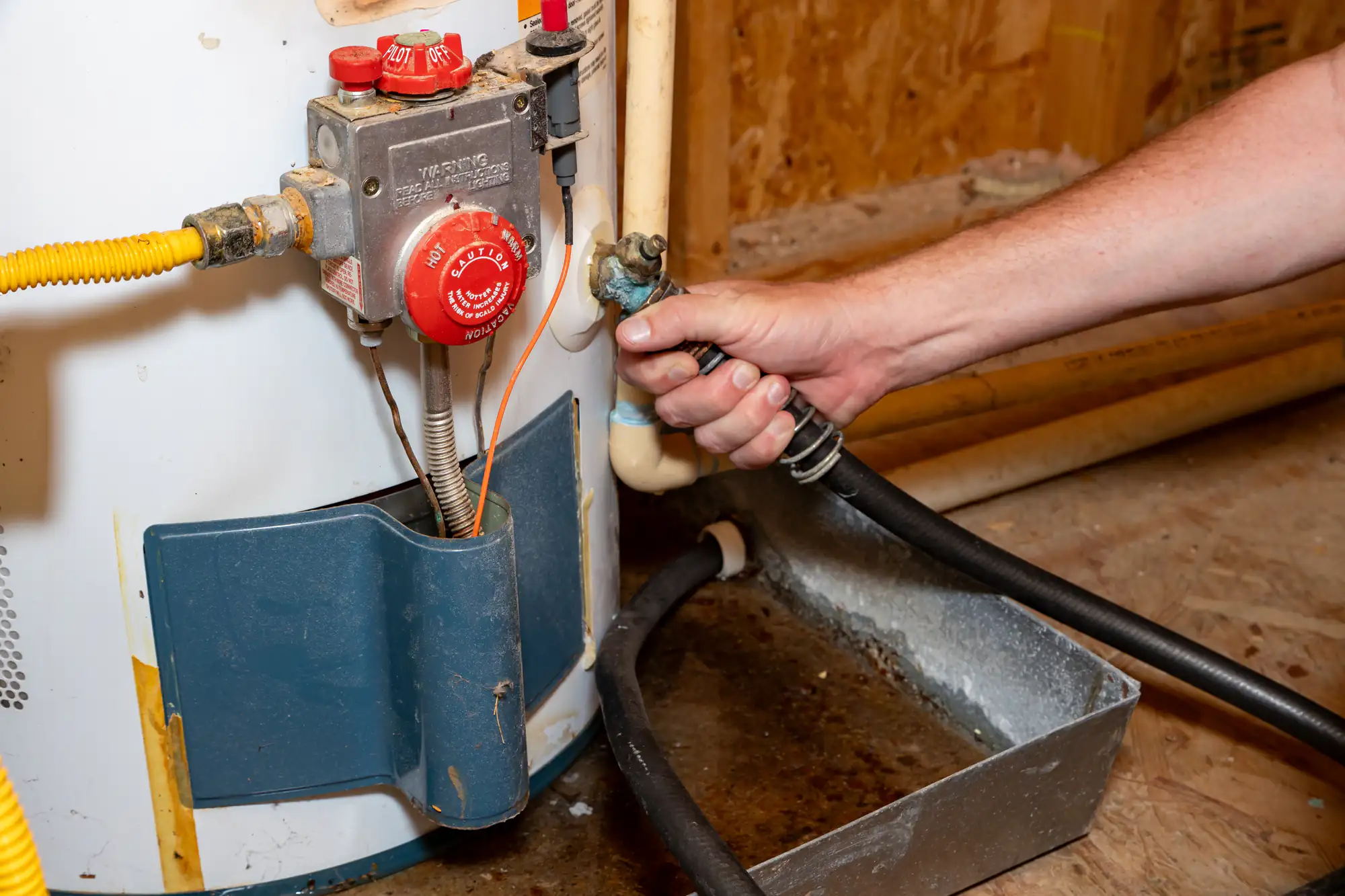
We start with a full visual inspection of the boiler, piping, and connections looking for corrosion, leaks, and anything that’s worn or out of position. From there, the heat exchanger and burners get cleaned, removing the soot and debris that reduce heat transfer efficiency. Even a thin layer of soot about one millimeter can drop your boiler’s efficiency by three to four percent and push flue gas temperatures noticeably higher.
For oil-heat homes, which produce more soot than gas systems, this buildup happens faster and compounds over time if it’s not addressed annually. After the mechanical cleaning, the flue gets inspected and cleaned from the boiler up through the chimney. This is the step that most HVAC and oil service companies skip entirely it requires chimney expertise, not just boiler knowledge.
In Amityville, where coastal humidity and salt air from the Great South Bay can accelerate liner cracking and corrosion, this inspection often catches issues that would otherwise go unnoticed until they become expensive. Safety controls, pressure valves, and seals are all tested before the job is complete, and you’ll get a clear picture of anything that needs follow-up attention.
Ready to get started?
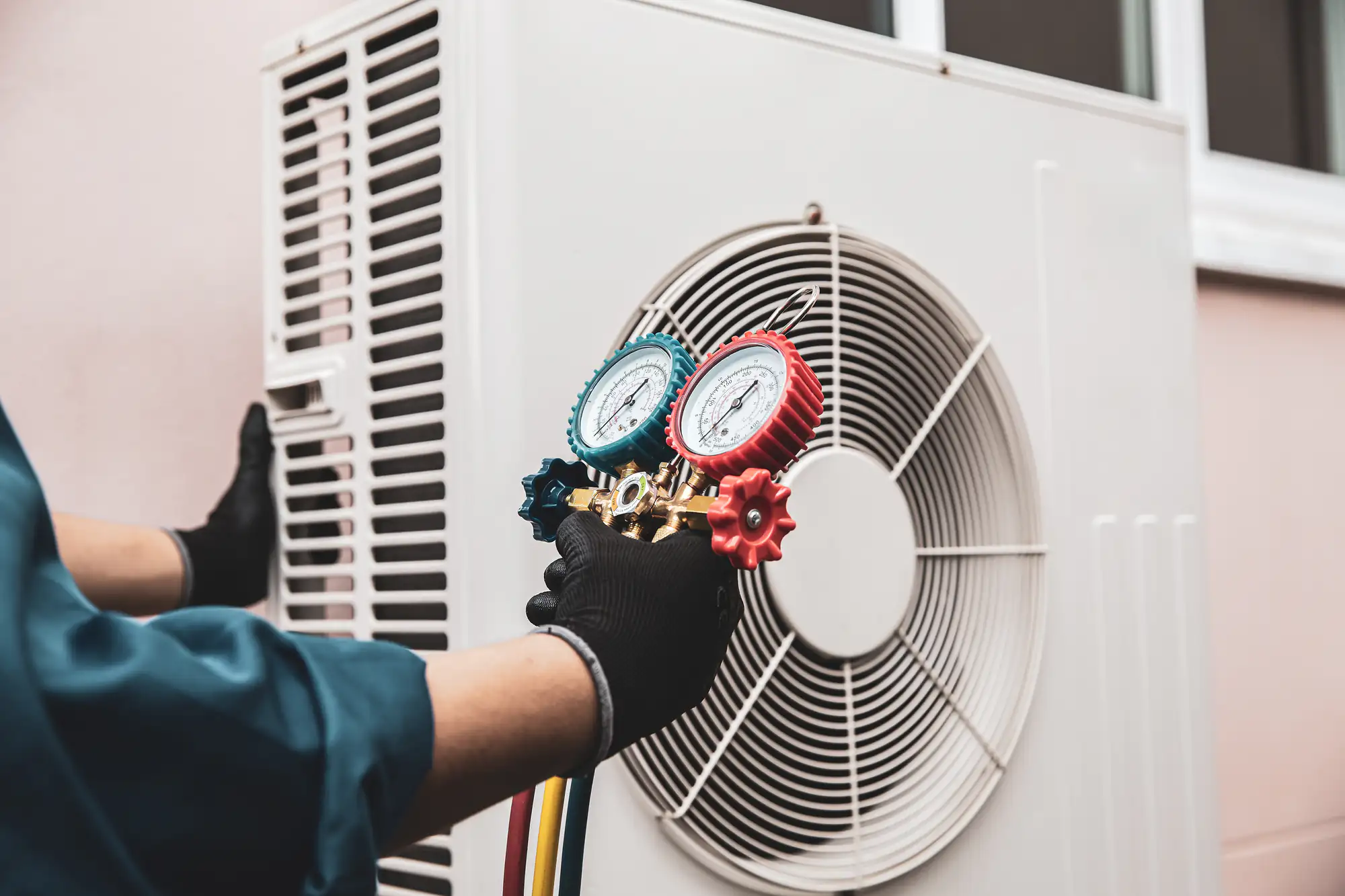
We provide residential and commercial boiler cleaning throughout Amityville and North Amityville, covering both oil and gas systems. Our service covers the complete exhaust pathway burner cleaning, heat exchanger cleaning, combustion analysis, flue inspection and cleaning, safety control testing, and a written summary of any repairs or concerns identified during the visit.
For homeowners in Amityville with older postwar-era homes, this comprehensive approach matters more than it might in a newer development. Many of these homes have chimney liners and flue configurations that were built for a different era of heating equipment. If the boiler has been replaced or modified over the years but the flue hasn’t been updated to match, there’s a real mismatch that affects both efficiency and safety. Our technicians are experienced with exactly this kind of older-system complexity it’s not unusual work for us.
If your oil delivery company flagged a chimney issue during a recent service visit which happens regularly in Amityville, since oil technicians often notice blockages or nest debris they aren’t equipped to address this is the follow-up call to make. We also offer 24/7 emergency boiler cleaning service, which is particularly relevant in Amityville during winter cold snaps when bay winds off the Great South Bay can make a heating failure dangerous within hours.

No. Your oil company’s annual service does not include chimney flue cleaning. What oil service technicians do is inspect and tune the burner unit checking ignition, adjusting the air-to-fuel ratio, replacing filters, and making sure the mechanical side of your boiler is running properly. That’s valuable work, but it stops at the boiler itself.
The chimney flue the exhaust pathway that carries combustion gases from your boiler up through the liner and out the top of the chimney is a separate system that requires chimney expertise to properly clean and inspect. In Amityville, where a large share of homes were built in the postwar era and have been running oil heat for decades, many flues have never been cleaned by a chimney specialist. That gap is exactly what we address. If you’ve been getting annual oil service and assuming the whole system is covered, it’s worth having the flue inspected to find out where things actually stand.
For most residential boilers, annual cleaning is the right interval and that’s true for both oil and gas systems. Oil boilers, which are the dominant heating type in Amityville’s older housing stock, actually need it more urgently because oil combustion produces significantly more soot than natural gas. Soot accumulates on heat transfer surfaces, in the flue, and along the liner, and it doesn’t take much buildup before efficiency starts dropping and carbon monoxide risk increases.
Beyond the practical reasons, most boiler manufacturers require annual professional maintenance as a condition of keeping the warranty valid. For homeowners in Amityville with older systems that are already past their original warranty period, the efficiency and safety arguments carry more weight than the warranty angle, but the principle is the same: annual cleaning is the minimum, not the maximum.
A few things point clearly to a flue that needs attention. If your boiler is running but the house isn’t getting as warm as it used to, or your heating oil consumption has gone up without an obvious explanation, soot buildup reducing heat transfer efficiency is a likely factor. A 1mm layer of soot on your boiler’s heat transfer surfaces can reduce efficiency by three to four percent that adds up fast over a heating season.
Other signs include a visible soot or smoke smell near the boiler or in rooms close to the flue, or a boiler that’s shutting down on a safety fault without a clear mechanical reason. In Amityville specifically, it’s also worth paying attention after major storms. Nor’easters and tropical storm remnants that come through the South Shore corridor can deposit debris, leaves, and animal nests in chimney flues a blockage that prevents proper venting and can cause the boiler to shut down or vent exhaust gases back into the living space. If your oil delivery company mentioned anything about a chimney issue during their last visit, that’s a clear signal to have a chimney specialist take a look.
Routine annual boiler cleaning and maintenance meaning the cleaning, inspection, and tune-up work without any structural changes does not typically require a separate permit in Amityville. However, the contractor performing the work does need to hold the appropriate county-specific licensing for Suffolk County, which is the county that covers Amityville and North Amityville.
If the cleaning reveals that your flue liner needs to be replaced, or that a chimney cap or other structural component requires installation, that work may fall under Town of Babylon building department permit requirements. A licensed contractor will know which work triggers a permit and handle that process correctly. We hold county-specific licensing for Suffolk County and carry both liability insurance and workers’ compensation so if you want to verify credentials before booking, those are the two things to ask for directly.
Yes, and it’s a real factor that often surprises homeowners who moved to Amityville from an inland community. Salt air and the elevated humidity that comes with living on or near the Great South Bay accelerate corrosion of chimney components flue liners, chimney caps, metal flashing, and the boiler’s exhaust fittings all degrade faster in a coastal environment than they would in a town further inland.
A chimney liner that might hold up for several years without issues in a place like Deer Park or Commack can develop cracking or corrosion in Amityville within a single heating season if it’s already showing wear. This is one of the reasons annual inspection matters more here than the general recommendation might suggest. The inspection component of a professional boiler cleaning visit is what catches early-stage corrosion, minor liner cracks, and cap deterioration before they become structural problems or safety hazards. For homes in the southern parts of Amityville closer to Bayview Avenue and the waterfront this is especially worth taking seriously.
On a first visit to an older home in Amityville or North Amityville, we approach the job with the expectation that the flue may not have been professionally cleaned in a long time possibly ever, if the home has only had oil company service over the years. That’s not a judgment; it’s just the reality of what the housing stock here looks like. Postwar Cape Cods and ranches built in the 1940s through the 1960s often have original or near-original chimney liners that were designed for older boiler configurations.
What gets documented on that first visit is a baseline: the condition of the flue liner, the level of soot and debris buildup, whether the cap and crown are intact, and whether the current boiler is properly matched to the existing flue dimensions. If there are repairs needed, you’ll hear about them clearly and specifically. We tell homeowners when they don’t need a service they called about when that’s genuinely the case. That same standard applies when something does need attention you’ll get a straight answer about what it is and why it matters.
Other Services we provide in Amityville