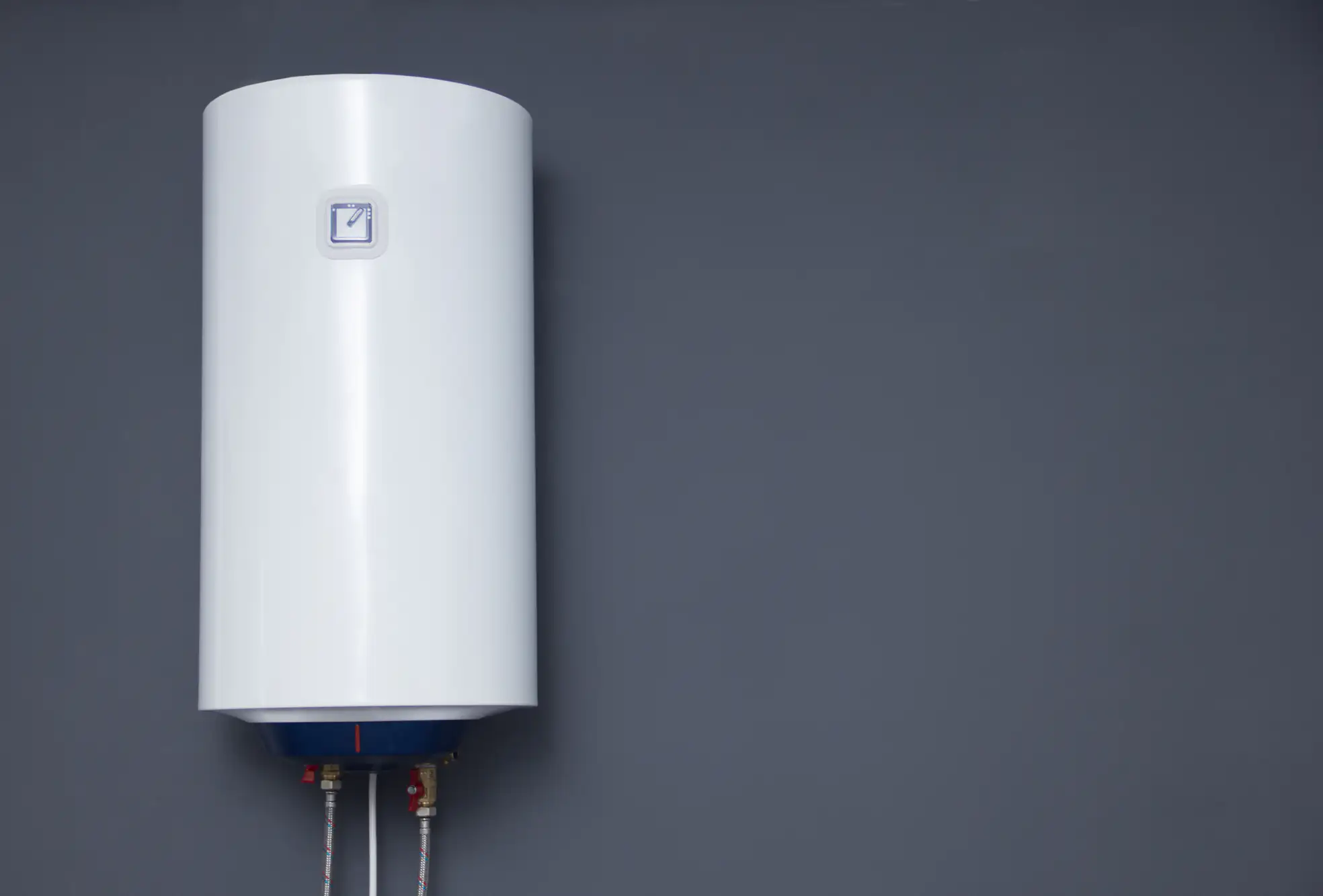


Most homeowners on the island don’t think about their boiler until something goes wrong. Then it’s January, the heat’s out, and the Atlantic Beach Bridge is the only way to get a technician to you. Getting ahead of that situation is exactly what annual boiler cleaning is for and on a barrier island, the stakes are a little higher than they are on the mainland.
Atlantic Beach’s housing stock tells the story. With a median construction year of 1958 and roughly a third of homes built before 1950, most of the village is running on older oil boiler systems connected to masonry chimneys that have been breathing salt-laden air for decades. That combination age plus coastal exposure accelerates the buildup of soot and corrosive residue inside the flue at a rate that no inland Nassau County community deals with in quite the same way.
A single millimeter of soot on a boiler’s heat transfer surfaces reduces efficiency by 3 to 4 percent. On Long Island oil prices, that adds up fast. After a proper boiler cleaning and inspection, your system runs cleaner, burns fuel more efficiently, and gives you something worth having going into a barrier island winter: confidence that it’s actually ready. You’re not guessing. You’re not hoping. You know.
We’re based in Levittown, Nassau County the same county as Atlantic Beach and we hold the Nassau County contractor licensing required to legally perform chimney and boiler flue work in this village. We’ve earned an “A” rating with the BBB and an Angi award for six consecutive years. That’s not a one-time snapshot. It’s a sustained track record across hundreds of jobs, verified by two independent platforms.
What sets us apart from the HVAC companies that show up in your search results is scope. Most of those companies clean the mechanical boiler unit. We clean the whole system including the chimney flue and liner that vents combustion gases out of your home. In an older Atlantic Beach home with a masonry chimney that’s been exposed to ocean air for 50 or 60 years, that distinction matters more than most homeowners realize until someone actually looks inside.
We also carry liability insurance and workers’ compensation, use only UL-listed materials, and offer 24/7 emergency service which, for anyone who’s been stuck on the island with no heat in February, is worth knowing before you need it.
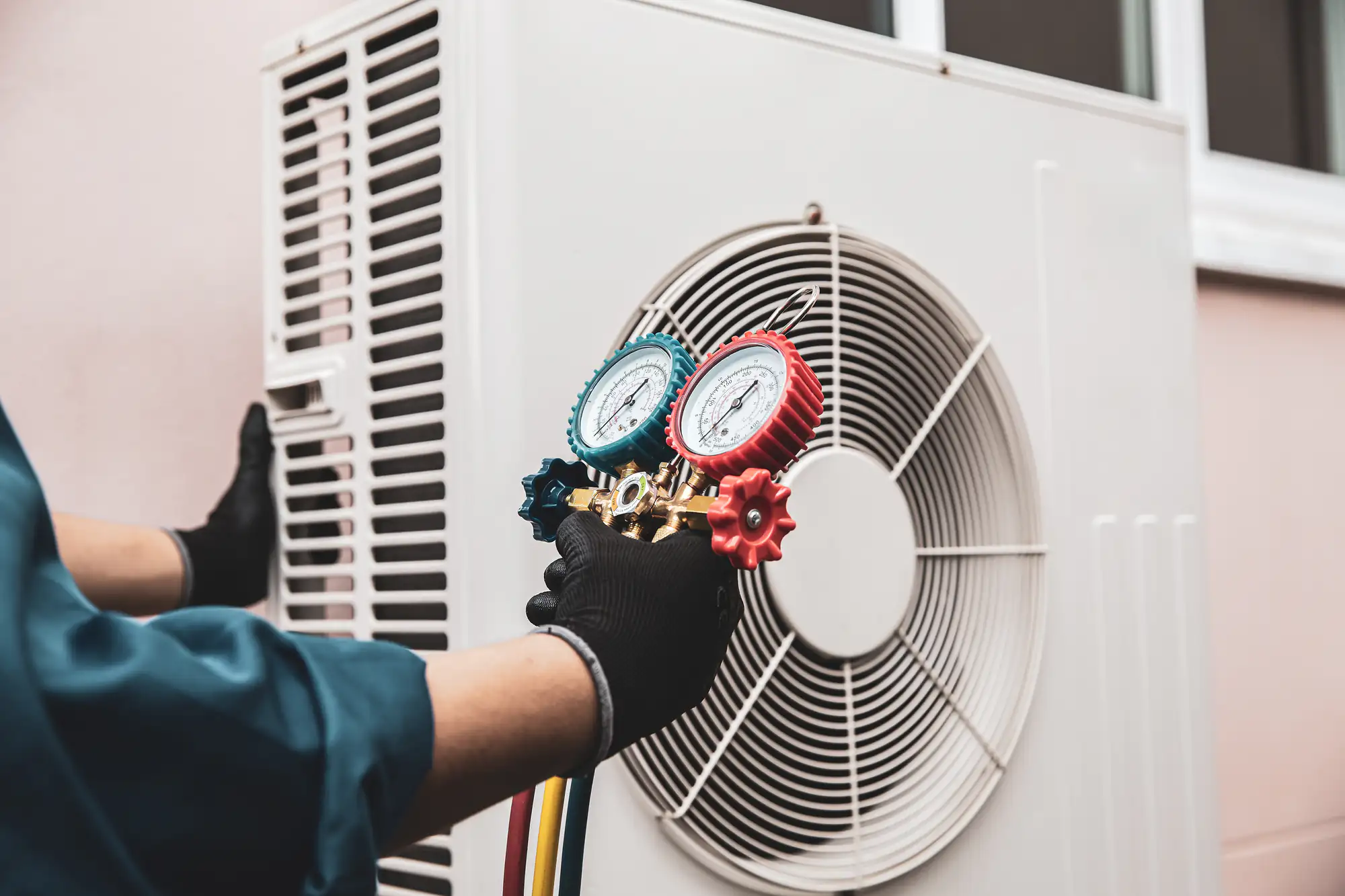
Getting to Atlantic Beach means coming in via Route 878 and the Atlantic Beach Bridge the only road onto the island. We serve the Nassau County barrier island communities and know the logistics. There’s no confusion about how to get there, and no excuses about access when you need someone quickly.
When our technician arrives, the visit starts with a full visual inspection of your boiler, piping, and connections checking for corrosion, leaks, and anything that looks off before any cleaning begins. From there, the heat exchanger and burners get cleaned to remove the soot and debris that reduce heat transfer efficiency. The ignition system is checked, and a combustion analysis is run to make sure the air-to-fuel ratio is dialed in correctly. That step alone can meaningfully affect how efficiently your boiler burns through oil.
Then the flue gets inspected and cleaned this is where our chimney expertise comes into its own. In an Atlantic Beach home with a salt-air environment and an older masonry chimney, the flue is where corrosive buildup concentrates. Safety controls, pressure valves, and seals are all tested before the job is done. Most residential boiler cleanings take about one to two hours. You get a clear picture of where your system stands and what, if anything, needs attention no pressure, no manufactured urgency.

Ready to get started?
Here’s the gap most Atlantic Beach homeowners don’t know about. When an HVAC company services your boiler, they’re focused on the mechanical unit the burner, the heat exchanger, the controls. That’s legitimate and necessary. But your boiler is connected to a chimney flue that vents combustion gases out of your home, and that flue is a separate system that requires chimney expertise to properly clean and inspect. Most HVAC companies don’t do that part. We do.
For a home on the barrier island where salt air accelerates the corrosion of metal flue components and the deterioration of mortar joints in masonry chimneys having someone who addresses both sides of the system isn’t a luxury. It’s the only way to get a complete picture of whether your heating system is actually safe and efficient. Our boiler cleaning service covers the burner, heat exchanger, ignition system, combustion analysis, flue inspection and cleaning, safety control testing, and a written assessment of anything that needs follow-up.
If you replaced your boiler after Superstorm Sandy and a significant number of Atlantic Beach homeowners did, given the three weeks without power the village endured your system is now more than a decade old. That’s the window where consistent annual cleaning becomes especially important. We also handle nest and obstruction removal, chimney cap inspection, and liner assessment as part of a thorough visit. All materials used in any repair or replacement work are UL listed and up to current code.
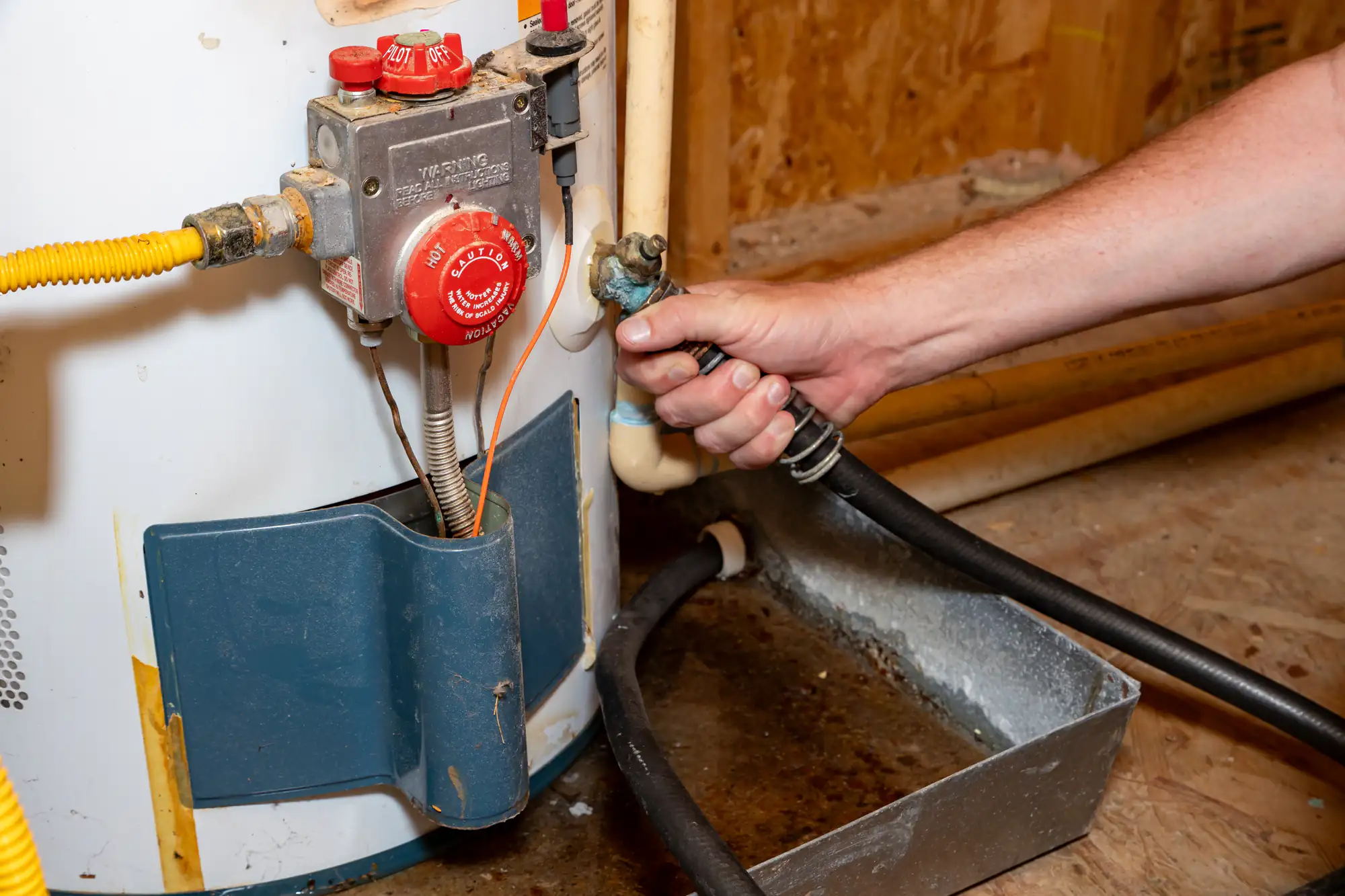
Once a year is the standard recommendation, and for Atlantic Beach specifically, there’s good reason not to stretch that. The barrier island environment means your boiler’s chimney system is exposed to salt air year-round and salt accelerates the corrosion of metal flue components and the breakdown of mortar joints in masonry chimneys at a rate that inland Nassau County homes simply don’t experience. Annual cleaning catches that deterioration before it becomes a safety issue or an expensive repair.
The best time to schedule is late summer or early fall, before you’re relying on the boiler regularly. If your Atlantic Beach home doubles as a summer residence and you’ve been away, fall is when you want to confirm the system is ready before the first cold nights hit. Skipping a year doesn’t just mean double the buildup the following year it means corrosion and soot that compound over time, and a boiler that’s working harder than it needs to every time it runs.
No, and this is one of the most common misunderstandings among Long Island homeowners. Your oil delivery company typically services the burner unit they check the nozzle, the filter, the electrodes, and the combustion chamber. That’s their scope, and it’s valuable. But they don’t clean the chimney flue, inspect the liner, or address the exhaust pathway that carries combustion gases out of your home. That’s a separate service, and it requires chimney expertise, not just HVAC knowledge.
In an Atlantic Beach home with an older masonry chimney, the flue is where salt-air corrosion, soot buildup, and moisture damage accumulate over time. A blocked or deteriorating flue doesn’t just reduce efficiency it can allow combustion gases to back up into the living space. Getting both sides of the system serviced annually the burner by your oil company and the full boiler-chimney system by a chimney specialist is how you cover the whole picture.
A few things are worth paying attention to. If your heating bills have been climbing without a clear explanation, reduced boiler efficiency from soot buildup is a likely contributor. If you’re noticing unusual odors when the heat runs, or if the boiler is cycling on and off more than it used to, those are signals worth investigating. A visible soot stain around the boiler flue connection or near the chimney is a more obvious indicator that cleaning is overdue.
For Atlantic Beach homeowners, there’s an additional layer to watch for. Homes on the barrier island deal with high coastal humidity, especially during the summer months when the boiler sits idle. Moisture inside a flue that hasn’t been cleaned can combine with residual soot to form corrosive acids that attack the liner from the inside damage that builds silently between heating seasons. If it’s been more than a year since your last professional boiler cleaning and inspection, that’s reason enough to schedule one before you need the heat reliably.
For most boiler manufacturers, yes. Annual professional maintenance is a standard warranty requirement, and skipping it gives the manufacturer grounds to deny a warranty claim if something fails. This applies to newer systems just as much as older ones and in some ways, newer boilers with tighter tolerances can be more sensitive to the efficiency losses caused by soot and scale buildup.
If you replaced your boiler after Superstorm Sandy which a significant number of Atlantic Beach homeowners did following the widespread flooding and three-week power outage the village experienced that system is now more than a decade old. Warranty or not, it’s well into the age range where consistent annual cleaning is the difference between a boiler that runs reliably for another decade and one that fails on a cold night in January. The cost of an annual boiler cleaning service is a fraction of what an emergency repair or full replacement runs on Long Island.
The cleaning process itself follows the same professional steps regardless of location inspection, combustion analysis, heat exchanger and burner cleaning, flue cleaning, safety control testing. What’s different in Atlantic Beach is the environment those systems are operating in. Salt air is genuinely corrosive to metal flue components and masonry chimney materials, and homes on the barrier island age differently than homes a few miles north on the Long Island mainland.
The other practical consideration is access. Atlantic Beach is only reachable via Route 878 and the Atlantic Beach Bridge, which is the only toll bridge in Nassau County. Not every contractor is familiar with the island or set up to respond quickly when you need emergency boiler service in the middle of winter. We serve Nassau County and are equipped to reach Atlantic Beach reliably including for same-day and emergency calls when the heat is out and waiting isn’t an option.
Atlantic Beach is an incorporated village within Nassau County, and Nassau County has its own contractor licensing requirements that are separate from a general New York State business license. When you’re vetting a company, ask specifically whether they hold Nassau County licensing not just whether they’re “licensed and insured” in a general sense. You should also ask to see a Certificate of Insurance that includes both liability coverage and workers’ compensation. Verbal assurances aren’t enough.
Beyond licensing, look for industry-specific credentials. The Chimney Safety Institute of America CSIA is the gold standard certification for chimney and boiler flue professionals. A CSIA-certified technician has passed a rigorous written exam and maintains ongoing education in the field. That matters especially in Atlantic Beach, where the chimney flue connected to your boiler is operating in a salt-air coastal environment that requires more than a standard HVAC tune-up to properly assess. We hold Nassau County licensing, carry the required insurance, and align with CSIA standards the credentials that actually protect you as a homeowner in this specific community.
Other Services we provide in Atlantic Beach