

When your boiler is running clean, you feel it immediately. The heat comes up faster, the system runs quieter, and your fuel isn’t burning off into a dirty flue. For Commack homeowners, that last part matters more than most people realize over 22% of homes in this ZIP code still run on heating oil, and a soot-coated heat exchanger is quietly eating into every gallon you pay for.
More than 73% of Commack’s housing was built between the 1940s and 1960s. That’s not a knock on the homes those cast iron boilers were built to last, and many of them still are. But a system that’s been running for 60 or 70 years accumulates decades of buildup on surfaces that were designed to transfer heat, not hold onto it. A single millimeter of soot on those surfaces can drop boiler efficiency by 3 to 4%. That loss compounds quietly, month after month, until it shows up on your fuel bill or worse the system stops working on a February night when temperatures in Commack drop into the single digits.
Annual boiler cleaning isn’t about checking a box. It’s about making sure the system you depend on through a real Long Island winter is actually ready for it. For a home worth $700,000 to $800,000 in one of Suffolk County’s most established communities, that kind of preventive maintenance is just good stewardship.
We’ve earned an “A” rating from the Better Business Bureau and an Angie’s List award six consecutive years running. That’s not a one-time score it’s a track record built across hundreds of jobs, including homes throughout Commack and Suffolk County with exactly the kind of older, complex hydronic systems that are common in this area.
What sets us apart isn’t just the credentials it’s the approach. Our technicians have been documented telling customers they did not need the service they called about. In an industry where upselling is practically the business model, that kind of honesty is rare. Commack homeowners with homes that have been in the family for decades, or that they’ve invested heavily in updating, don’t want a contractor who manufactures problems. They want a straight answer.
We’re licensed for Suffolk County, carry full liability insurance and workers’ compensation, and use only UL-listed materials on every installation. When we leave your home, we leave it exactly as we found it a detail that comes up again and again in customer reviews, and one that matters when your home is your most significant investment.

A lot of homeowners aren’t sure what they’re actually paying for when they schedule a boiler cleaning. Here’s what we do from the moment we arrive.
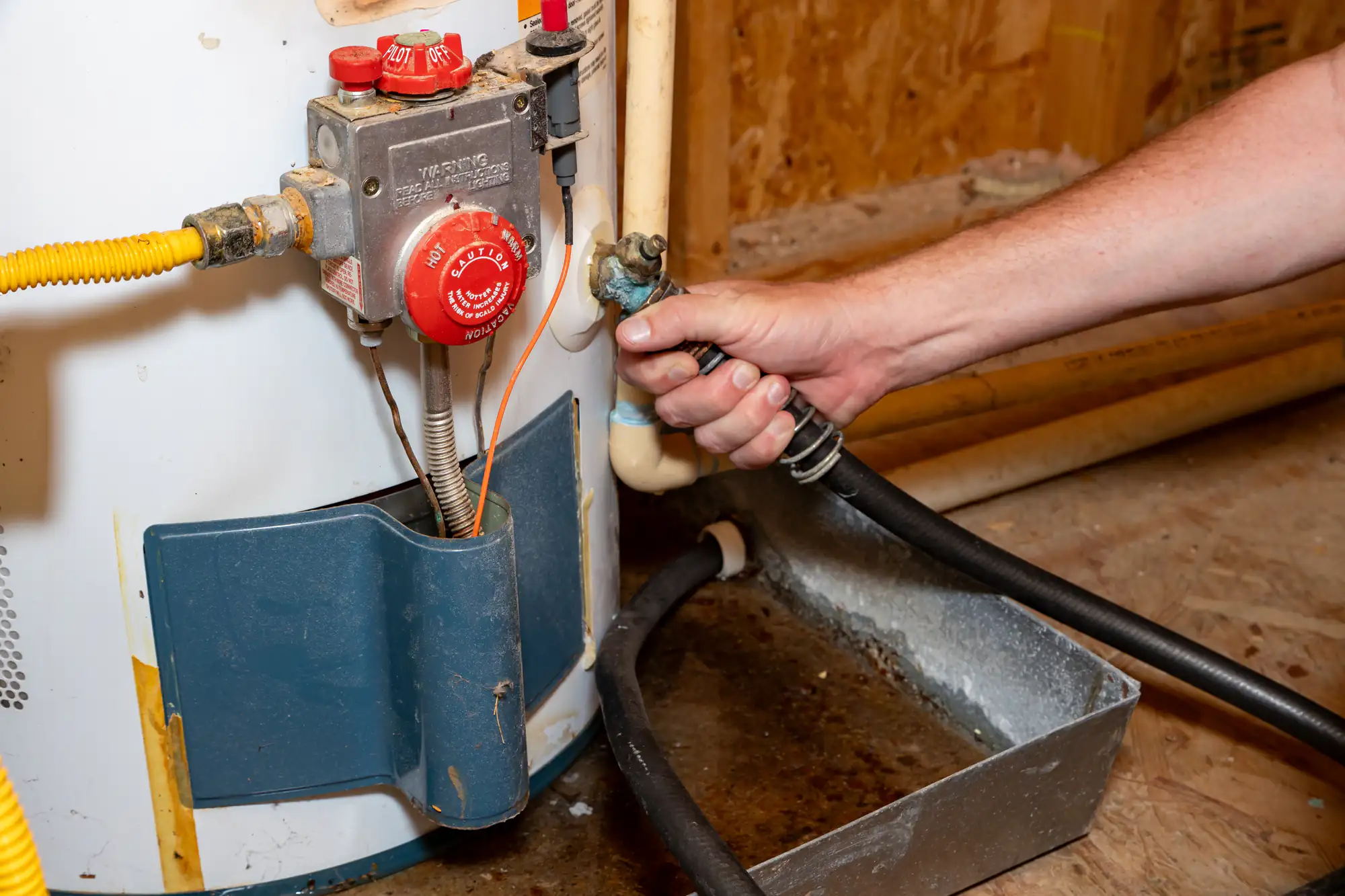
We start with a full visual inspection the boiler itself, the piping, connections, and any visible signs of corrosion or wear. From there, we clean the heat exchanger and burners, removing the soot and debris that build up on the surfaces responsible for transferring heat to your home. This is where the efficiency losses happen in older oil boiler systems, and it’s where a thorough cleaning makes the biggest difference. We follow that with a combustion analysis, checking the air-to-fuel ratio and making adjustments that keep the system burning cleanly and efficiently.
Then comes the part that most HVAC companies skip entirely: the flue. We inspect and clean the exhaust pathway the flue, the liner, and the chimney itself checking for blockages, cracks, and anything that could interfere with proper venting. For homes in Commack built in the 1940s through 1960s, many of which still have original clay tile liners, this step isn’t optional. A blocked or deteriorating flue doesn’t just reduce efficiency it creates a carbon monoxide risk that no burner tune-up will catch.
The job wraps up with safety control testing, pressure checks, and a clear explanation of anything that needs attention. Most residential boiler cleanings take one to two hours. You’ll know exactly what was found and what, if anything, needs to happen next.
We’re licensed for Suffolk County, so any work that goes beyond routine cleaning liner replacement, cap installation, or structural chimney repair is handled with the proper credentials for the jurisdiction covering your side of Commack, whether that’s the Town of Huntington or the Town of Smithtown.
Ready to get started?
The difference between what we do and what most local HVAC or oil burner companies do comes down to scope. Companies like the plumbing and heating contractors you’ll find in Commack search results handle the mechanical unit the burner, the pump, the zone valves. That’s useful work. But none of them clean the chimney flue or inspect the liner that carries combustion gases out of your home. That’s a chimney specialist’s job, and in Commack, we fill that gap.
A complete boiler cleaning from us covers the heat exchanger, burners, and ignition system; combustion analysis and burner adjustment; flue inspection and cleaning; chimney cap and liner inspection; safety control testing including pressure valves and thermostats; and nest or obstruction removal if present. Every component we install liners, caps, or any replacement part is UL listed and up to code. If your oil delivery company from Suffolk Oil, Domino Fuel, or another local provider flagged a problem with your flue or chimney during a recent delivery, this is the service that addresses it.
We also offer 24/7 emergency boiler cleaning and service for situations that can’t wait including the kind of mid-winter heating failures that Commack’s inland winters, with no coastal buffer from Long Island Sound, can produce without much warning. Whether you’re scheduling ahead of the heating season or dealing with a problem right now, the process and the standard of work are the same.

For most Commack homes, once a year is the right interval and the timing matters. The ideal window is late summer or early fall, before the heating season starts. That way, if we find something that needs repair, you have time to address it before you’re depending on the system every day.
For homes built in the 1940s through 1960s which account for the majority of Commack’s housing stock annual cleaning is especially important. Older cast iron boilers and clay tile chimney liners accumulate soot and debris faster than modern systems, and they’re less forgiving when maintenance gets skipped. A system that went two or three years without a cleaning isn’t just less efficient it may have corrosion, blockages, or liner damage that a single cleaning won’t fully resolve. If you’ve been putting it off, it’s worth scheduling sooner rather than waiting for the next fall rush, when appointment availability tightens up across all of Suffolk County.
Your oil delivery company services the fuel side of your heating system they handle delivery, and their technicians may check the burner unit during a tune-up. But the chimney flue, the liner, and the exhaust pathway that carries combustion gases out of your home are a separate system, and they require a chimney specialist, not an HVAC contractor.
When a delivery technician from a company like Suffolk Oil or Domino Fuel flags a flue issue, that’s the point where you call us. We’ll inspect the full exhaust pathway from the boiler connection through the flue to the chimney top identify what’s causing the problem, and clean or repair it with the proper credentials for Suffolk County. This is one of the most common ways Commack homeowners end up scheduling a boiler cleaning: not because something stopped working, but because someone who was already in the house noticed something the homeowner had no reason to look for on their own.
The short answer is that the costs compound in efficiency, in wear, and eventually in repairs. Soot buildup on the heat exchanger doesn’t pause between seasons. Every year without cleaning adds another layer that reduces heat transfer, forces the boiler to work harder, and raises your fuel consumption. Research confirms that just one millimeter of soot on heat transfer surfaces can drop boiler efficiency by 3 to 4%. For a Commack household running on heating oil through a full Long Island winter, that translates directly into more gallons burned for the same amount of heat.
Beyond the efficiency loss, there’s the safety side. A blocked or deteriorating flue doesn’t always announce itself. Carbon monoxide from incomplete combustion can build up gradually, and without annual inspection, there’s no routine check catching it. Many boiler warranties also require documented annual professional maintenance to remain valid skipping a year can void coverage you’d otherwise have if something fails. The math is straightforward: annual cleaning costs a fraction of what emergency repairs or a full boiler replacement costs, and it keeps the system running safely through the winters Commack actually gets.
Routine boiler cleaning and maintenance which is what an annual service visit covers does not require a permit in Commack. You schedule the appointment, we come out, do the work, and that’s it. No paperwork, no town approval needed.
Where permits come into play is when the scope of work goes beyond cleaning. If your boiler cleaning reveals that the chimney liner needs to be replaced, a new cap needs to be installed, or there’s structural chimney work required, that work will need to be permitted. Commack straddles two towns Huntington and Smithtown and which town’s building department you deal with depends on which side of Town Line Road your home sits on. We’re licensed for Suffolk County and familiar with the permit requirements in both towns. If work beyond routine cleaning is needed, we’ll walk you through what’s required before anything gets started, so there are no surprises.
The terms get used interchangeably, but they’re not quite the same thing. A boiler tune-up typically focuses on the mechanical side adjusting the burner, checking the ignition, testing safety controls, and verifying that the system is operating within the right parameters. It’s important work, and it’s what most HVAC and oil burner companies in Commack offer.
Boiler cleaning goes further. It includes the physical removal of soot, scale, and debris from the heat exchanger surfaces, burners, and flue the buildup that reduces efficiency and can create safety hazards over time. A complete boiler cleaning from us includes both: the mechanical tune-up and the physical cleaning of the components that accumulate the most wear in an oil-fired system. Critically, it also includes the chimney flue the exhaust pathway that HVAC companies typically don’t touch. For older homes in Commack, where the boiler and chimney are part of the same aging system, getting both cleaned and inspected together is the only way to know the full picture.
This is a fair question, and it’s one worth asking before you book. In New York, chimney and boiler flue work requires county-specific licensing not just a general contractor’s license. For Commack, that means Suffolk County licensing. Ask any company you’re considering to confirm they hold it. You should also ask whether they carry both liability insurance and workers’ compensation coverage, and request a Certificate of Insurance if you want to verify it. Verbal assurance isn’t the same as documentation.
Beyond licensing, look for credentials specific to the chimney and flue side of the work CSIA (Chimney Safety Institute of America) certification and NCSG (National Chimney Sweep Guild) membership are the industry standards that indicate a technician has been trained and tested specifically on chimney systems, not just HVAC mechanics. We hold these credentials. Add in six consecutive years of BBB “A” ratings and Angie’s List awards, and you have the kind of verifiable, sustained track record that’s worth more than any single review or self-reported claim.
Other Services we provide in Commack