
When your boiler and its flue are properly cleaned, the first thing you’ll notice is that your system runs quieter and your heating bills stop creeping up for no obvious reason. A thin layer of soot even just a millimeter on your boiler’s heat transfer surfaces can drop efficiency by 3 to 4 percent. Over a Long Island winter, that adds up fast.
For Copiague homeowners, there’s a layer to this that doesn’t apply to every town. The salt air coming off the Great South Bay doesn’t just affect your dock or your gutters it works on the metal components inside your chimney system too. Flue pipes, chimney caps, and heat exchanger surfaces all degrade faster in a coastal environment than they would a few miles inland. Annual cleaning and inspection catches that corrosion early, before it turns into a repair bill or a safety issue.
For homes in American Venice or along the canal streets south of Montauk Highway, flood exposure adds another factor. Moisture that gets into a basement mechanical room after a coastal storm doesn’t just go away it sits on boiler components and accelerates rust. A professional cleaning and inspection after any significant flooding event isn’t optional; it’s the responsible call.
We’ve earned an “A” rating with the BBB and an Angie’s List award for six consecutive years. That’s not a one-time result it’s a track record that holds up year after year, across real jobs with real customers on Long Island.
Based out of Bethpage, we’re about ten to fifteen minutes from Copiague. We work throughout Suffolk County and know the South Shore housing stock well the older construction, the oil-heated systems, the chimney configurations that were standard in homes built in the ’40s and ’60s. That familiarity matters when we’re standing in front of a system that hasn’t been touched in a few years.
What sets us apart from the HVAC companies and oil burner services that also show up in local searches is scope. We clean the full system from the boiler itself through the flue and up to the chimney top. That’s a different job than what your oil delivery company does, and it’s a different job than what a general plumbing and heating company does. It’s the complete picture.
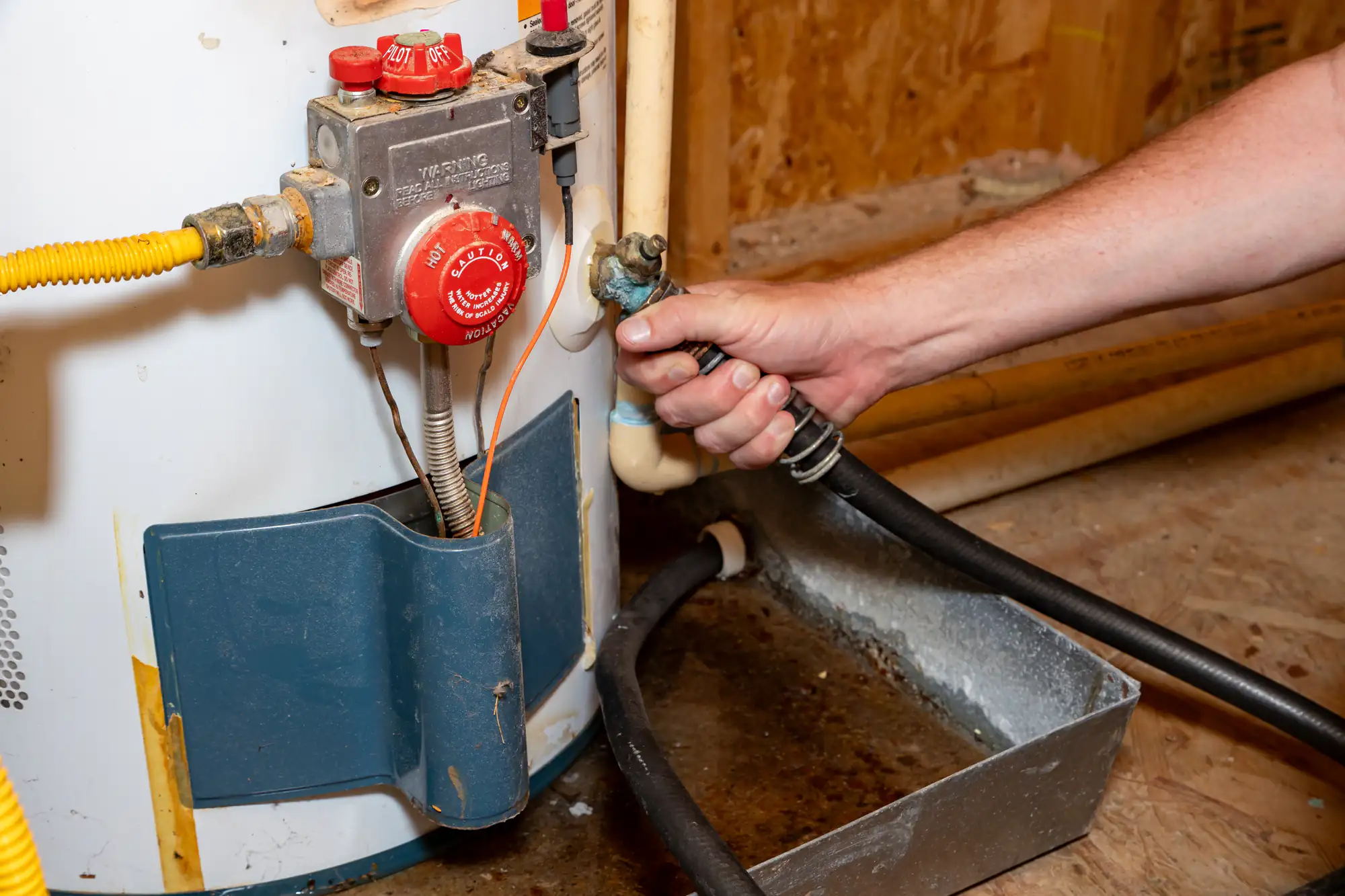
When we come out to your Copiague home, the visit starts with a full visual inspection the boiler itself, the piping, the connections, and the flue. We’re looking for corrosion, leaks, blockages, and anything that’s outside of where it should be. In coastal areas like Copiague, that inspection pays extra attention to salt-air corrosion on metal components, which shows up differently here than it does in inland communities.
From there, the cleaning covers the heat exchanger, the burners, and the ignition system removing the soot and debris that build up over a heating season and slow the whole system down. The flue gets cleaned as well, which is the part most HVAC-only companies skip entirely. If there’s a nest, a blockage, or debris that found its way in during a fall storm, we clear it out. We analyze and adjust combustion so your system is burning efficiently, not just burning.
Most residential boiler cleanings take about one to two hours. We’ll walk you through anything we found and give you a straight answer about what needs attention and what doesn’t. If something doesn’t need to be fixed, you’ll hear that too we have a documented history of telling customers when they don’t need a service, not just when they do. All work follows Suffolk County and Town of Babylon requirements, and any materials we use are UL listed.

Ready to get started?
A lot of companies that show up in local searches for boiler cleaning in Copiague are HVAC or plumbing outfits. They’re good at what they do, but their scope stops at the mechanical unit. We cover the boiler and the chimney the full exhaust pathway from the basement to the rooftop. That distinction matters, especially in a community where a large share of the housing stock is 50 to 80 years old and the chimney systems haven’t always kept pace with mechanical upgrades.
Our service includes a full inspection of the boiler and all connected components, cleaning of the heat exchanger, burners, and ignition system, flue cleaning, combustion analysis, safety control testing, and a check of pressure levels and gas or oil supply. If there’s a liner that needs attention or a cap that’s showing wear from the bay air, we flag it in plain language not buried in technical language designed to confuse you into a bigger job than you need.
For homeowners in Deauville Gardens, Copiague Harbor, or anywhere in the 11726 ZIP code who haven’t had their system serviced in a year or more, this is also the service that keeps your boiler warranty valid. Most manufacturers require documented annual professional maintenance skipping it can void coverage on a system that cost several thousand dollars to install. Our service gives you that documentation, done right.

Once a year is the standard recommendation, and for most Copiague homes, that’s not just a general guideline it’s a practical necessity. The combination of older housing stock, oil-fired boilers, and coastal salt air means that systems here tend to accumulate soot and experience corrosion-related wear faster than you’d see in a newer inland home. Annual cleaning keeps efficiency where it should be, catches developing problems before they become failures, and satisfies the maintenance requirements that most boiler warranties include.
The best time to schedule is late spring or summer, when the boiler is sitting idle. That way, if anything needs to be repaired or adjusted, it can be handled before the heating season starts not on a cold January night when you’re already without heat. If you’ve gone more than a year, or if your oil delivery company recently flagged a chimney or boiler issue, don’t wait for the annual window. Get it looked at now.
Your oil delivery company typically services the burner unit the mechanical side of the system. They’ll check the nozzle, the filter, the ignition, and make sure the burner is firing correctly. That’s valuable work, but it stops at the boiler itself. It doesn’t include the chimney flue, the liner, or the exhaust pathway that carries combustion gases out of your home.
That’s where a chimney-focused boiler cleaning service comes in. We clean and inspect the full system from the boiler through the flue to the chimney top. Blockages, soot buildup in the flue, cracked or deteriorating liner sections, debris from a coastal storm none of that gets addressed in a standard oil burner tune-up. For homes in Copiague where the chimney may be original to a 1950s or 1960s construction, having both sides of the system professionally maintained is the complete picture, not just half of it.
Yes, and it’s one of the more serious risks that comes with deferred boiler maintenance. When a boiler’s heat exchanger or flue is heavily sooted, combustion efficiency drops and the system can produce more carbon monoxide as a byproduct of incomplete burning. If the flue is partially blocked by soot buildup, a bird nest, or debris from a storm those gases have nowhere to go except back into your living space.
Carbon monoxide is colorless and odorless, so there’s no obvious warning until someone is already affected. The risk is real, and it’s not something that only applies to very old or obviously broken systems. A boiler that’s running and heating your home can still be venting poorly or burning inefficiently. Annual professional cleaning and inspection is the most reliable way to verify that combustion gases are exiting the way they’re supposed to and that your family isn’t being exposed to something invisible.
It does, more than most homeowners realize. Salt air from the Great South Bay is corrosive to metal components, and chimney systems have a lot of metal flue pipes, chimney caps, liner connections, and heat exchanger surfaces. In homes along the canal streets of American Venice or on the waterfront side of Copiague Harbor, that salt-air exposure is constant and cumulative. Components that might last 15 or 20 years in an inland community can show significant corrosion in half that time near the water.
Beyond salt air, flood exposure is a factor for properties south of Montauk Highway. When water gets into a basement mechanical room even a few inches it leaves moisture behind on boiler components that accelerates rust and can compromise electrical connections and safety controls. If your home has experienced any flooding, a professional inspection of the boiler and flue system is worth doing before the next heating season, not after something goes wrong mid-winter.
The short answer is that the costs compound. Soot and scale don’t just sit there passively they actively reduce heat transfer efficiency, which means your boiler burns more fuel to produce the same amount of heat. A 1mm layer of soot on heat transfer surfaces can reduce efficiency by 3 to 4 percent. Over a full heating season on Long Island, where oil prices are not cheap, that inefficiency shows up in your fuel bills whether you notice it or not.
Beyond efficiency, deferred cleaning increases the risk of a component failure or a blockage that turns into an emergency. Emergency boiler service in the middle of a cold snap the kind of call that comes in at 8am when the house is freezing and the heat hasn’t come on is always more expensive and more disruptive than a scheduled annual cleaning. And if your boiler is under a manufacturer’s warranty, skipping the required annual professional maintenance can void that coverage entirely, leaving you unprotected on a system that cost thousands to install.
The two things worth verifying are credentials and coverage. On the credentials side, look for CSIA certification the Chimney Safety Institute of America is the recognized professional standard for chimney and boiler flue work, and certified technicians have passed a rigorous exam and completed ongoing training. You can verify a company’s certification directly through the CSIA’s online lookup tool. Beyond that, ask about county-specific licensing. In New York, Nassau County, Suffolk County, and Queens County each have their own licensing requirements a company that’s licensed in one isn’t automatically licensed in another. Copiague is in Suffolk County, so that’s the license that matters here.
On the coverage side, ask for a Certificate of Insurance that shows both liability insurance and workers’ compensation. A verbal assurance isn’t enough you want documentation. We carry a six-year BBB “A” rating, Angie’s List recognition, and serve Suffolk County with the appropriate licensing and insurance those are verifiable facts, not just claims on a website.
Other Services we provide in Copiague