

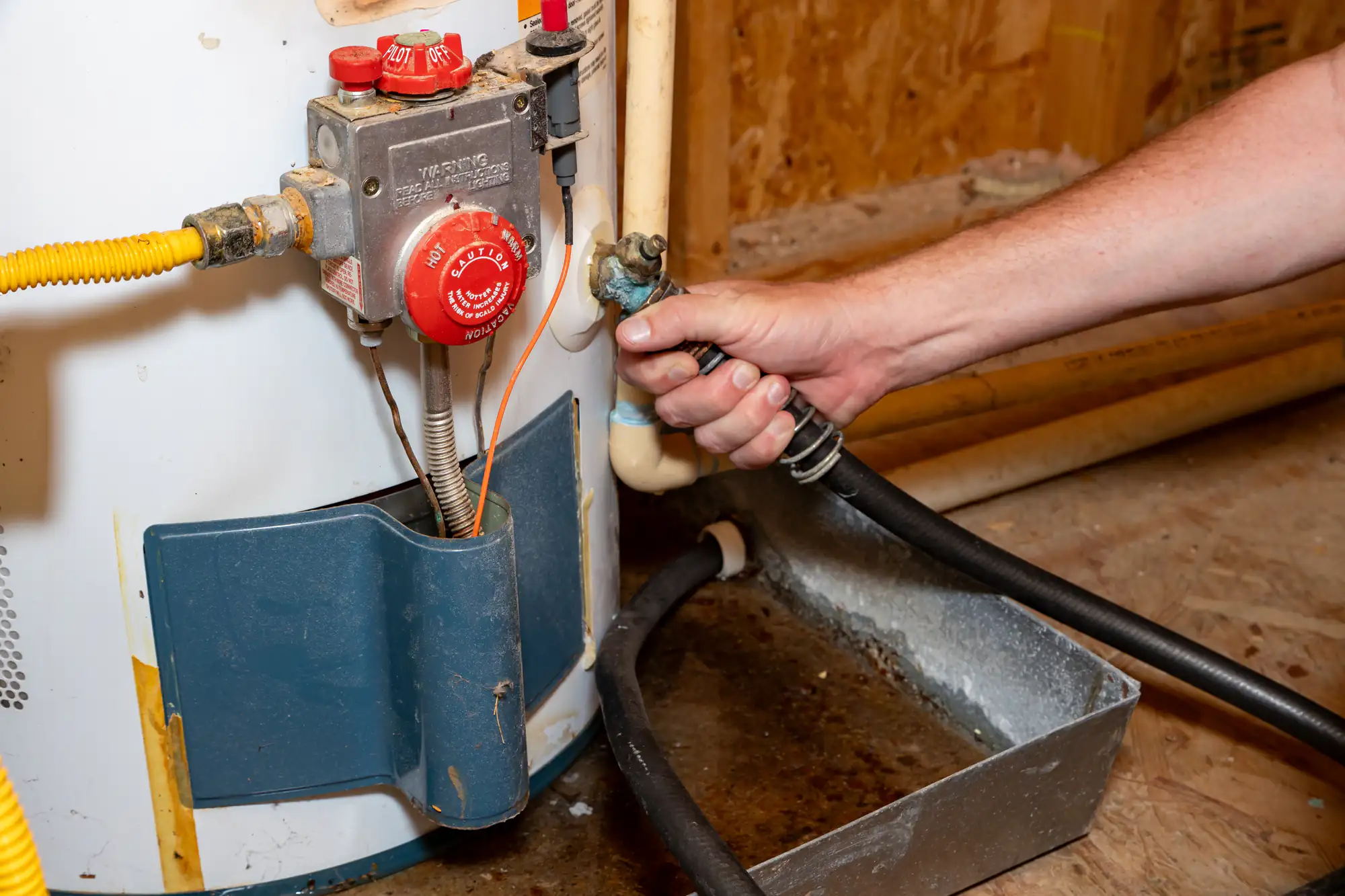
A clean boiler runs the way it’s supposed to efficient combustion, proper draft, no buildup choking the heat exchanger. That means lower fuel consumption, steadier heat output, and a system that isn’t quietly working twice as hard to do the same job. For a home on the East End that runs on heating oil, that efficiency gap shows up directly on your delivery bill.
Here in Ditch Plains, the stakes are a little different than they are in a Nassau County suburb. The salt air coming off the Atlantic doesn’t just affect your siding and your gutters it works on metal flue components, chimney caps, and exhaust connections too. Corrosion builds faster in a coastal environment, and soot combined with moisture from ocean air creates acidic deposits that degrade liner materials over time. Annual boiler cleaning catches that before it becomes a liner replacement or a system failure.
If your property sits vacant for part of the year, there’s another layer to this. A boiler that hasn’t been serviced before a long idle period or before the first cold stretch of fall is being asked to perform on demand with zero preparation. Getting it cleaned and inspected before the season means you arrive to a warm house, not a repair call.
We’re based in Levittown and hold Suffolk County licensing which means we’re authorized to work in East Hampton Town, including Ditch Plains and all of Montauk. That matters because not every company that answers your call is actually licensed to operate this far east. We carry both liability insurance and workers’ compensation, and all materials we install meet UL safety standards.
We’ve earned Angie’s List and BBB awards for six consecutive years. That’s not a one-time rating it’s a sustained track record verified by two independent platforms. In a community where most of your neighbors are seasonal and word-of-mouth referrals are thin, that kind of consistent, verifiable recognition matters more than it does anywhere else on Long Island.
We also provide 24/7 emergency service. When you’re at the far end of NY 27 with no heat and no local repair company willing to make the trip, that availability isn’t a convenience it’s the whole ballgame.

We start with a full visual inspection the boiler itself, the piping, connections, and the flue system running up through the chimney. In a coastal home near Ditch Plains Beach, that inspection includes looking specifically for corrosion, salt deposit buildup, and moisture-related damage that wouldn’t be on the checklist for an inland property. If there’s a nest or debris blocking the flue from a season of non-use, we address that here too.
From there, the heat exchanger and burners get cleaned removing the soot and combustion byproduct buildup that reduces heat transfer efficiency. We perform a combustion analysis, which measures and adjusts the air-to-fuel ratio so the boiler is burning cleanly and not wasting fuel. Safety controls are tested: pressure valves, seals, thermostats, and shutoffs. The flue gets cleaned top to bottom, and we check draft conditions relevant in a location as wind-exposed as Ditch Plains, where Atlantic storms can affect chimney draft in ways that don’t come up in sheltered suburban settings.
Most residential boiler cleanings take around one to two hours. We clean up completely before we leave something multiple customers have specifically called out in their reviews, and something that matters a lot when you’re not always there to see the work yourself.

Ready to get started?
The East End of Long Island runs on heating oil. Natural gas infrastructure doesn’t extend out to Montauk the way it does in Nassau County or western Suffolk, so if you have a boiler in Ditch Plains, it’s almost certainly oil-fired. Oil boilers produce more soot per heating cycle than gas systems which means the flue and heat exchanger accumulate buildup faster, and annual cleaning isn’t just a best practice, it’s genuinely necessary to keep the system running efficiently and safely.
Our boiler cleaning service covers the full system not just the mechanical unit, but the entire exhaust pathway from the burner through the flue to the chimney. That distinction matters. An HVAC company services the boiler itself. We handle the chimney side too, which is where a lot of the real problems in older East End homes actually live: deteriorating liners, blocked flues, corroded caps, and draft issues that a standard burner tune-up won’t catch.
Work performed in East Hampton Town falls under the jurisdiction of the Town of East Hampton Building Department and must comply with New York State building and fire codes. We carry the Suffolk County licensing required to operate legally in this jurisdiction, and all materials used in any installation work are UL listed. If your boiler has a manufacturer warranty, annual professional cleaning is typically required to keep that coverage valid skipping a year can void it entirely.
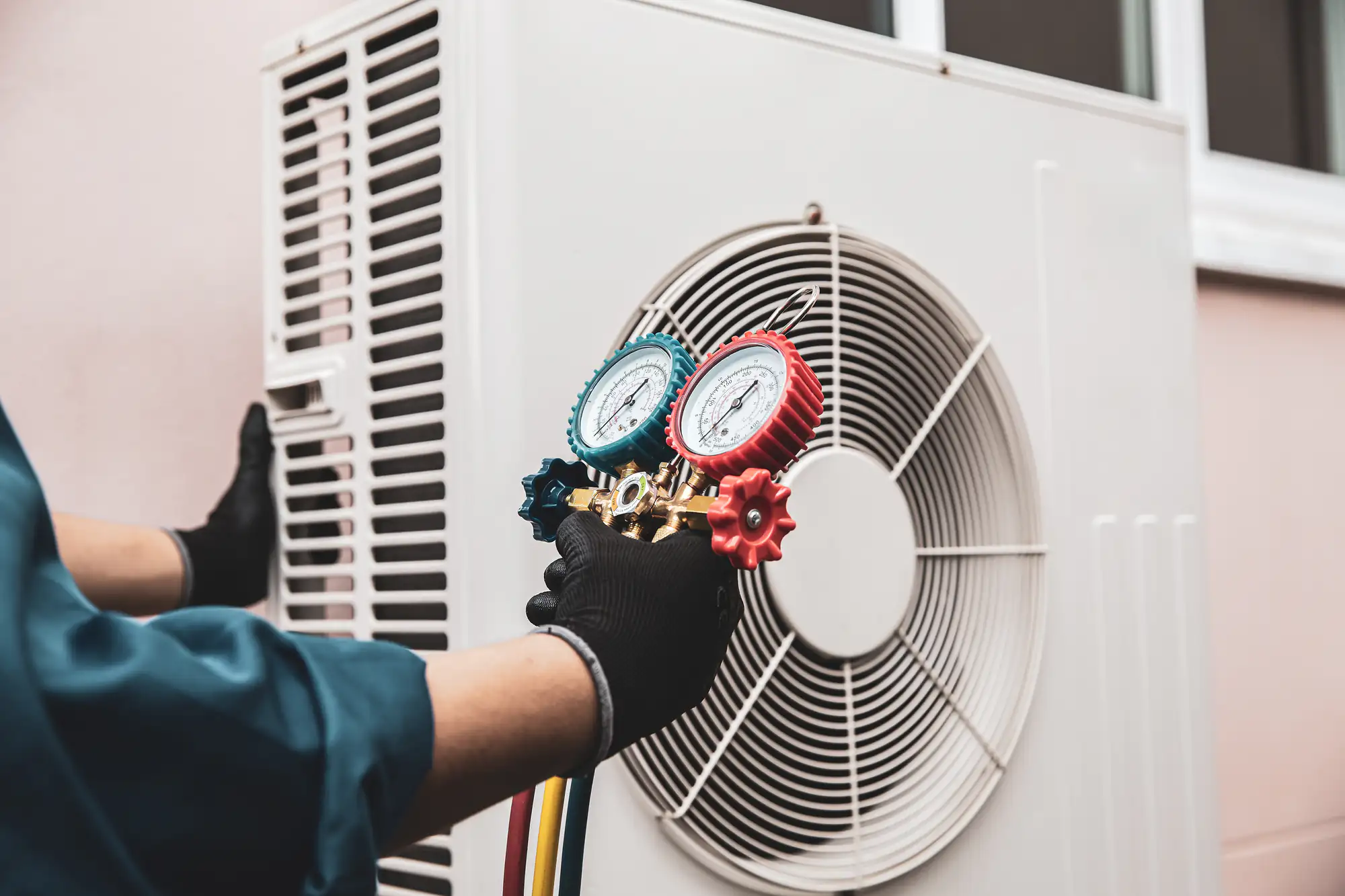
Once a year is the standard recommendation, and it applies here as much as anywhere but in Ditch Plains, there are a couple of reasons it matters more than usual. First, if your property is seasonally occupied, you want the boiler cleaned and inspected before the heating season starts, not after the first cold snap reveals a problem. Second, the coastal environment accelerates wear on flue components and exhaust connections in a way that inland homes don’t experience. Salt air and moisture combine with combustion byproducts to create deposits that degrade liner materials faster than soot alone would.
Annual cleaning also keeps most manufacturer warranties intact. Many boiler warranties require documented professional maintenance each year skipping a cleaning can void that coverage, which becomes a real issue if a component fails and you’re looking at a significant repair bill. Scheduling in late summer or early fall, before the heating season, is generally the best timing for year-round residents and second-home owners alike in Ditch Plains.
No, and this is one of the most common misunderstandings in the boiler maintenance space. When your oil company services the burner, they’re focused on the mechanical unit the burner assembly, nozzle, ignition system, and fuel delivery components. That’s a legitimate and important service. What it doesn’t cover is the chimney side of the system: the flue, the liner, the exhaust pathway, and the chimney cap.
That’s a separate service requiring chimney expertise, not HVAC expertise. Soot, creosote, and debris accumulate in the flue regardless of how well the burner is tuned. A blocked or deteriorating flue affects combustion efficiency, creates carbon monoxide risk, and can cause backdrafting where combustion gases are pushed back into the living space instead of venting out. On the East End, where many homes have older chimney systems and are exposed to coastal conditions that accelerate liner wear, the flue side of the equation deserves just as much attention as the burner side.
A few things are worth paying attention to. If your heating bills have gone up without a clear explanation no change in usage, no spike in oil prices reduced boiler efficiency from soot buildup is a likely contributor. Even a thin layer of soot on the heat exchanger surfaces measurably reduces how effectively the boiler transfers heat, which means it burns more fuel to maintain the same temperature.
Other signs include unusual smells when the boiler fires up, soot or black residue around the flue connection, a boiler that’s cycling more frequently than usual, or a system that takes longer to bring the house up to temperature. If the boiler has been sitting idle through a long off-season which is common for Ditch Plains vacation properties and hasn’t been inspected before being put back into service, that alone is a reason to schedule a cleaning. A system that’s been closed up for months can have nest material, moisture damage, or debris in the flue that isn’t visible without a proper inspection.
For routine annual boiler cleaning and maintenance, no permit is required. The Town of East Hampton Building Department gets involved when there’s a structural change or installation things like replacing a chimney liner, installing a new flue system, or replacing the boiler itself. Those projects require a permit and must comply with New York State building and fire codes, as enforced locally by East Hampton Town.
What does matter for any service work in this jurisdiction is contractor licensing. Suffolk County has its own licensing requirements for chimney contractors, and those licenses are specific to the county a company licensed in Nassau County isn’t automatically authorized to work in Suffolk. We hold Suffolk County licensing, which covers East Hampton Town and the full Montauk area including Ditch Plains. Before any contractor works on your heating system out here, it’s worth asking directly for proof of Suffolk County licensing and a current certificate of insurance showing both liability coverage and workers’ compensation.
The service itself is the same, but the timing and what we’re looking for can be a little different. A boiler in a property that’s been closed up for several months especially through a humid coastal summer may have moisture-related issues that a continuously running system wouldn’t develop. Condensation inside the flue, corrosion on metal components, and the occasional bird or animal nest in a chimney that hasn’t been used are all more likely in a seasonally vacant home.
For Ditch Plains vacation homeowners, the most practical approach is scheduling the cleaning in late summer or early fall, before the property is occupied for the heating season. That way, if there’s anything that needs attention a corroded cap, a liner issue, a blocked flue it gets handled before the first cold night, not during it. It also means you’re not arriving at your property in October to discover the heat isn’t working, with the nearest available service company potentially an hour or more away.
Salt air is one of the most corrosive environments a heating system can be exposed to, and it affects components that most homeowners never think about. The chimney cap, the flue liner, exhaust pipe connections, and the metal components of the boiler’s venting system are all vulnerable. Salt particles carried in the air settle on and into these surfaces, and when they combine with moisture which is constant this close to the Atlantic they accelerate oxidation and corrosion at a rate that inland properties simply don’t experience.
The specific concern with boiler flues is that soot and salt deposits can combine to form mildly acidic compounds that eat through liner materials over time. A stainless steel liner in a coastal home may show wear earlier than the same liner installed in a home ten miles inland. Annual boiler cleaning and inspection in Ditch Plains isn’t just about soot removal it’s about catching that corrosion and salt-related wear before it compromises the structural integrity of the flue or creates a carbon monoxide risk. Homes within close proximity to Ditch Plains Beach are in the highest-exposure zone on Long Island for this kind of accelerated wear, which is exactly why consistent annual service matters here.
Other Services we provide in Ditch Plains