

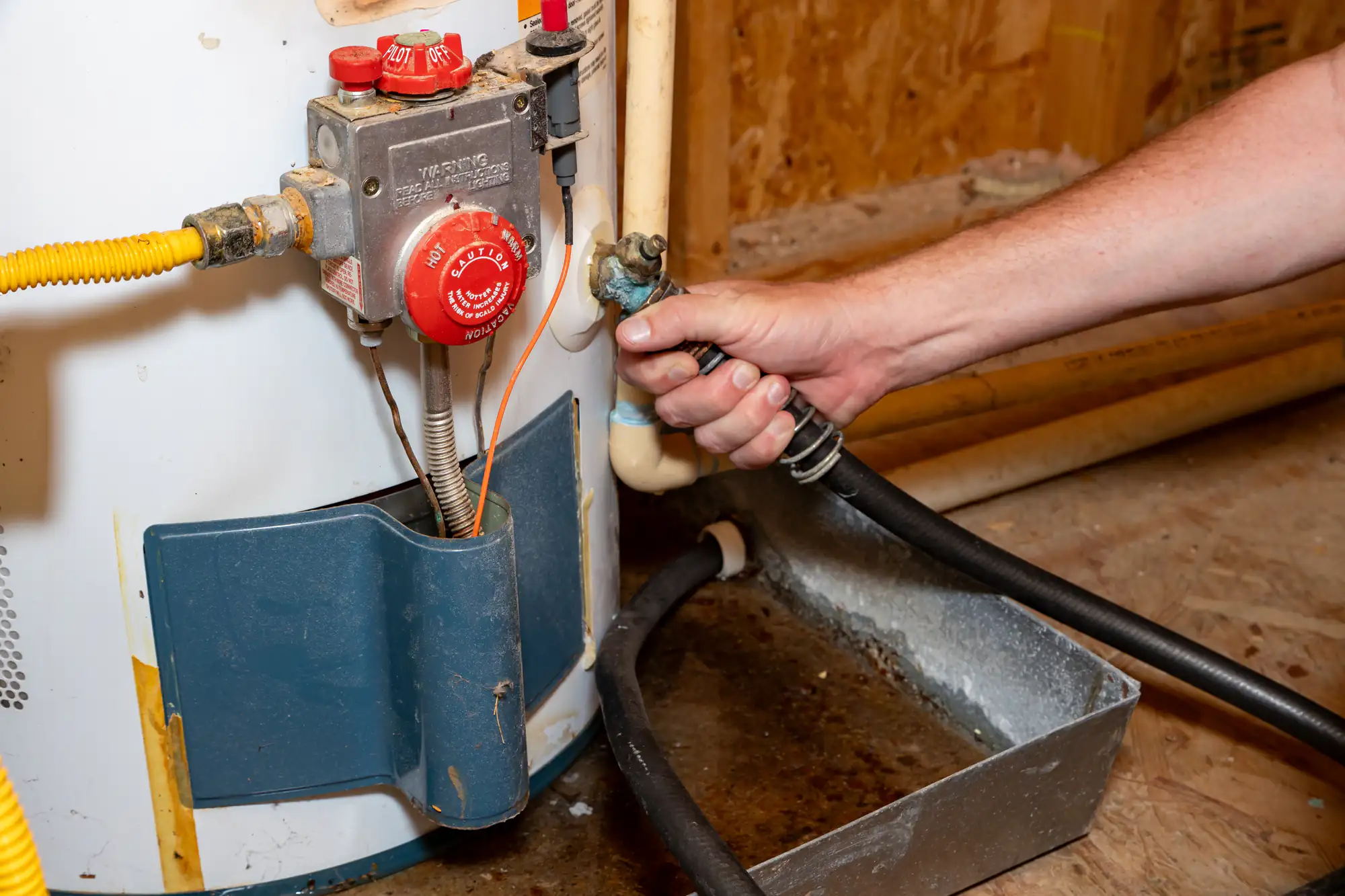
A boiler that’s been sitting since April is not the same boiler you turned off in spring. Moisture works its way into the flue. Residual soot from the last heating season hardens into deposits that choke combustion efficiency. And if there’s been any animal activity near the chimney opening during the warmer months which is common in the wooded and coastal areas around Divinity Hill you may have a blockage you can’t see from inside.
A proper boiler cleaning catches all of that before the first cold night does. For the older homes in Divinity Hill, that matters even more. Much of the housing stock here was built before 1939, which means the chimney systems were designed for a different era of fuel and a different standard of maintenance. Clay tile liners, aging mortar joints, and cast-iron boilers don’t forgive years of deferred attention. After a thorough cleaning and inspection, you get a system that’s actually ready to run not one that’s been crossed off a checklist.
There’s also the coastal factor. Salt air off the Atlantic and the bays doesn’t just affect what you see on the outside of a home it works on chimney caps, metal flue connectors, and exhaust terminals in ways that accelerate corrosion quietly. Annual cleaning is the only way to catch that deterioration early, before it becomes a structural problem or an insurance issue on a property worth protecting.
We’re based in Levittown and hold a Suffolk County license which means we’re credentialed to work in Divinity Hill, East Hampton, and across the East End without exception. We’ve been recognized by both Angie’s List and the BBB for six consecutive years, not because of a single good season, but because our standard of work has stayed consistent year after year. That kind of track record doesn’t happen by accident.
What sets us apart in a market like Divinity Hill isn’t just the credentials it’s the honesty. Our technicians have been documented telling customers they don’t need a service they called about. In a high-value area where contractors often assume the client will pay for anything, that kind of straight talk builds the kind of trust that turns a first call into a long-term relationship.
We also carry full liability insurance and workers’ compensation, which matters when we’re letting a crew into a home worth several million dollars. Whether you’re on-site or coordinating through a property manager, you can expect a clean job, a clear report, and no surprises when we’re done.

The process starts with a full visual inspection not just of the boiler unit itself, but of the entire exhaust pathway from the burner through the flue to the chimney top. This is where we differ from a standard HVAC company. Most heating contractors stop at the mechanical unit. The chimney side of the system the liner, the flue, the cap is where blockages, corrosion, and deterioration actually hide, especially in older Divinity Hill homes where those components may be decades old and exposed to coastal conditions year-round.
From there, our technician cleans the heat exchanger, burners, and ignition system, removing soot and debris that reduce efficiency and strain the system over time. A combustion analysis follows measuring and adjusting the air-to-fuel ratio so the boiler is running at its actual best, not just running. Safety controls are tested, pressure levels are checked, and the flue is inspected for blockages, cracks, and proper venting. If there’s a nest or obstruction in the chimney something that happens more often in seasonal homes that sit unoccupied for months we clear that as part of the job.
For homes in Divinity Hill that are managed by caretakers or property managers, we communicate clearly about what was found and what was done. You get a complete picture of your system’s condition, not just a sign-off that the work is finished. Most residential cleanings take around one to two hours, and routine cleaning and inspection don’t require a permit under East Hampton Town’s building code so there’s nothing to schedule around or wait on.

Ready to get started?
Our boiler cleaning service covers the complete system not just the burner box that most HVAC companies address, but the full exhaust pathway that connects your boiler to the outside world. In Divinity Hill, where many homes were built before modern chimney standards existed, that distinction is significant. Older clay tile liners, deteriorating mortar joints, and aging flue connectors require the kind of attention that only a chimney specialist brings to the job.
The service includes heat exchanger and burner cleaning, combustion analysis, flue inspection, safety control testing, gas or oil pressure verification, and nest or obstruction removal when present. All materials we use in any repairs or installations are UL listed and up to code a standard we hold across every job, regardless of the property. For homes along the coast near Divinity Hill and the surrounding East Hampton area, that also means inspecting chimney caps, flashing, and metal components for salt-air corrosion that accelerates faster here than it does in inland communities.
We provide a thorough, honest assessment of your system and a clear explanation of what was done and what, if anything, needs attention. If something requires follow-up a cracked liner, a compromised cap, a flashing issue you’ll hear about it directly, with no pressure and no inflated scope. That’s the standard we’ve maintained for six years running, and it’s why Divinity Hill homeowners keep calling us back before the season starts.
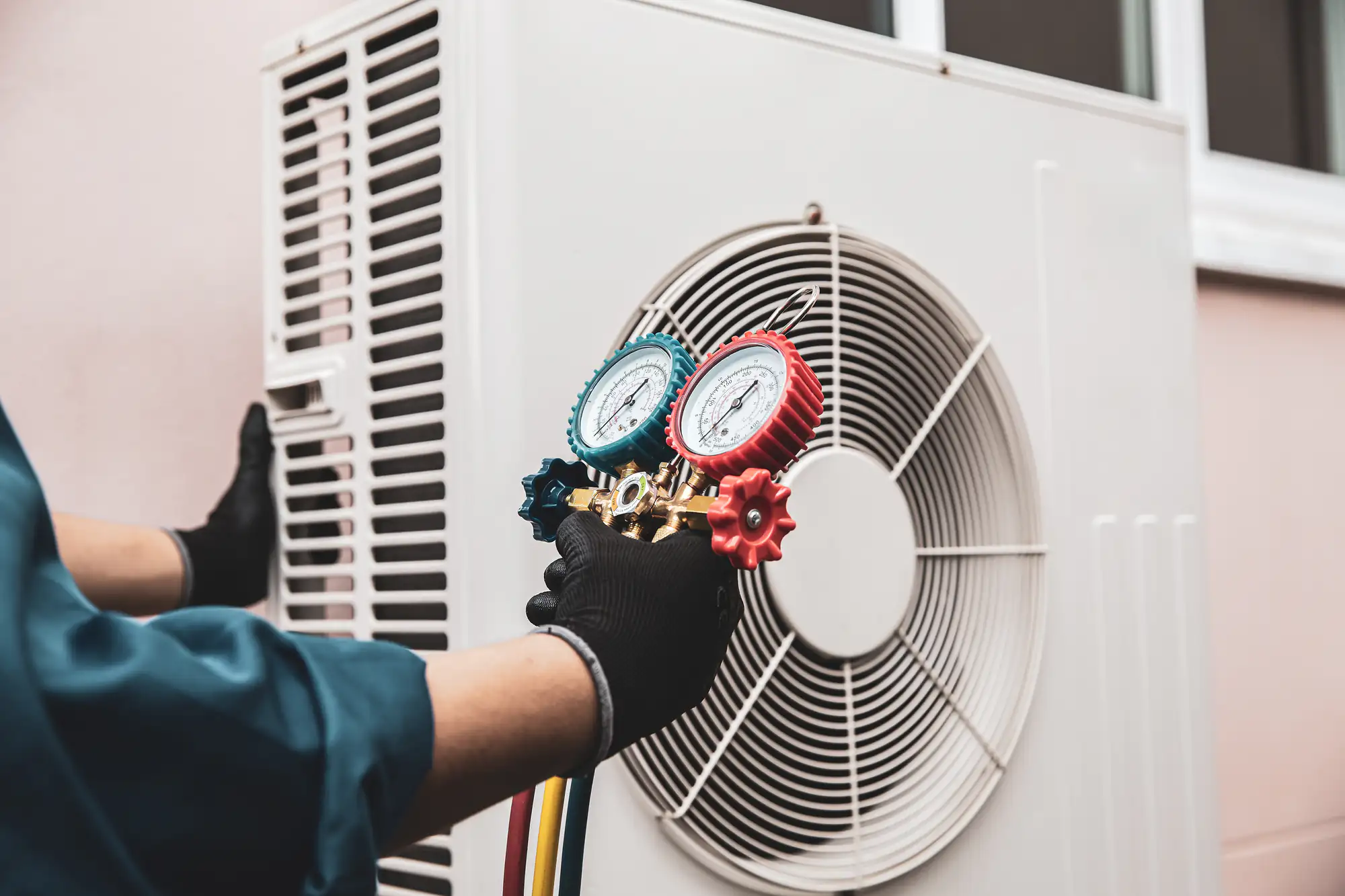
Once a year is the standard recommendation for residential boilers, and for most Divinity Hill homes, that annual cleaning should happen before the heating season begins ideally in late summer or early fall. The reason timing matters here specifically is the seasonal occupancy pattern. Many homes in this part of East Hampton are used heavily through summer and then transition to reduced or caretaker-managed use as the weather cools. By the time the owner returns for Thanksgiving weekend or flips the heat on for the first fall visit, the boiler has been sitting idle for months.
That idle period is when problems develop quietly moisture in the flue, hardened soot deposits from the previous season, potential animal nesting in chimney openings. Catching those issues in September or October, before you need the heat, is far better than discovering them at 10 p.m. on a cold November night. For oil-fired systems, which are common throughout East Hampton, annual cleaning also maintains combustion efficiency and keeps fuel costs in check. Some boiler warranties require documented annual professional maintenance to remain valid so skipping a year can have consequences beyond just comfort.
This is one of the most common points of confusion for Long Island homeowners, and it’s worth clearing up directly. Your oil delivery company typically services the burner unit the mechanical component that ignites and burns the fuel. That’s a legitimate and important service, but it stops at the boiler itself. What they don’t do is clean and inspect the chimney flue, the liner, the exhaust pathway, or the chimney cap. Those are separate systems that require chimney expertise, not HVAC expertise.
In a Divinity Hill home, especially one with a pre-war chimney system, the flue and liner are often the most vulnerable parts of the whole setup. Soot and combustion byproducts accumulate there, salt-air corrosion affects the metal components, and blockages from nesting animals or debris can develop without any visible sign from inside the house. Our boiler cleaning service addresses the full system from the burner through the flue to the chimney top which is why it’s a different service from what your oil company provides, not a duplicate of it. If your oil delivery company flagged a chimney or flue issue during their last visit, a call to us is the right next step.
Yes. A boiler that hasn’t been cleaned accumulates soot on the heat exchanger surfaces, which forces the system to work harder to produce the same amount of heat. That extra strain raises operating temperatures and increases wear on components. But the more serious risk is on the venting side. A blocked or partially obstructed flue from soot buildup, a deteriorating liner, or a nest can cause combustion gases, including carbon monoxide, to back-draft into the living space instead of exhausting safely outside.
Carbon monoxide is colorless and odorless, which is what makes a compromised flue dangerous rather than just inconvenient. In a coastal home like those in Divinity Hill, where salt-air corrosion can quietly degrade metal flue components and older clay tile liners can crack over time, the risk of an undetected venting problem is higher than it would be in a newer, inland home. Annual cleaning and inspection is the only way to confirm the full exhaust pathway is clear and intact.
It matters, and a good technician will account for it. Many homes in the Divinity Hill and Apaquogue area were built before 1939, and the chimney systems in those homes were designed for coal or early oil heat not the modern oil or gas boilers that may have been installed in the decades since. The original clay tile liners, brick flue construction, and mortar joints in those chimneys are now 80 or more years old in some cases, and they’ve been exposed to coastal conditions that accelerate deterioration faster than in inland communities.
What that means practically is that the inspection component of a boiler cleaning in an older Divinity Hill home requires more attention than a quick look. Cracked or spalled clay tiles, deteriorating mortar, and liner gaps are all things that show up in older systems and that can affect both safety and efficiency. We have documented experience working with older, more complex chimney systems customers have specifically noted that our crew handled older homes with issues that a generalist HVAC company would have missed. If your home has an older chimney, that experience is exactly what you want.
The geographic reality of Divinity Hill is that Route 27 Montauk Highway is the only practical route in and out of the East End. When a boiler fails in January with temperatures dropping and wind coming off the Atlantic, you’re not in a position to wait two or three days for a service appointment. The distance and access constraints of the South Fork mean that emergency boiler service here is genuinely different from calling a contractor in a densely served suburban area.
We offer 24/7 emergency service, and our track record of same-day response in freezing conditions is documented in customer reviews including situations where a homeowner had no heat with temperatures around 30 degrees and our crew arrived within hours. That kind of response isn’t standard across the industry, especially for properties at the eastern end of Long Island. The strongest argument for annual preventive cleaning is exactly this: the homeowner who stays current on maintenance is far less likely to be in that situation to begin with. But if you are, we’re the company that will actually make the drive.
New York doesn’t issue a single statewide chimney contractor license licensing is handled at the county level, which means the credential that matters for work in Divinity Hill is a Suffolk County license. That’s the specific authorization required to legally perform chimney and boiler cleaning work in East Hampton and the surrounding East End communities. Before any contractor starts work on your property, ask directly for proof of their Suffolk County license, not just a general business registration.
Beyond the county license, you should also ask for a Certificate of Insurance that confirms both liability insurance and workers’ compensation coverage. This isn’t a formality it’s what protects you financially if something goes wrong during the job. In a home worth several million dollars, the exposure from an uninsured contractor is not a theoretical risk. We carry both, hold a Suffolk County license, and have maintained a BBB “A” rating and Angie’s List award for six consecutive years all of which are independently verifiable before you pick up the phone. If a company can’t produce that documentation when you ask, that’s the answer you need.
Other Services we provide in Divinity Hill