

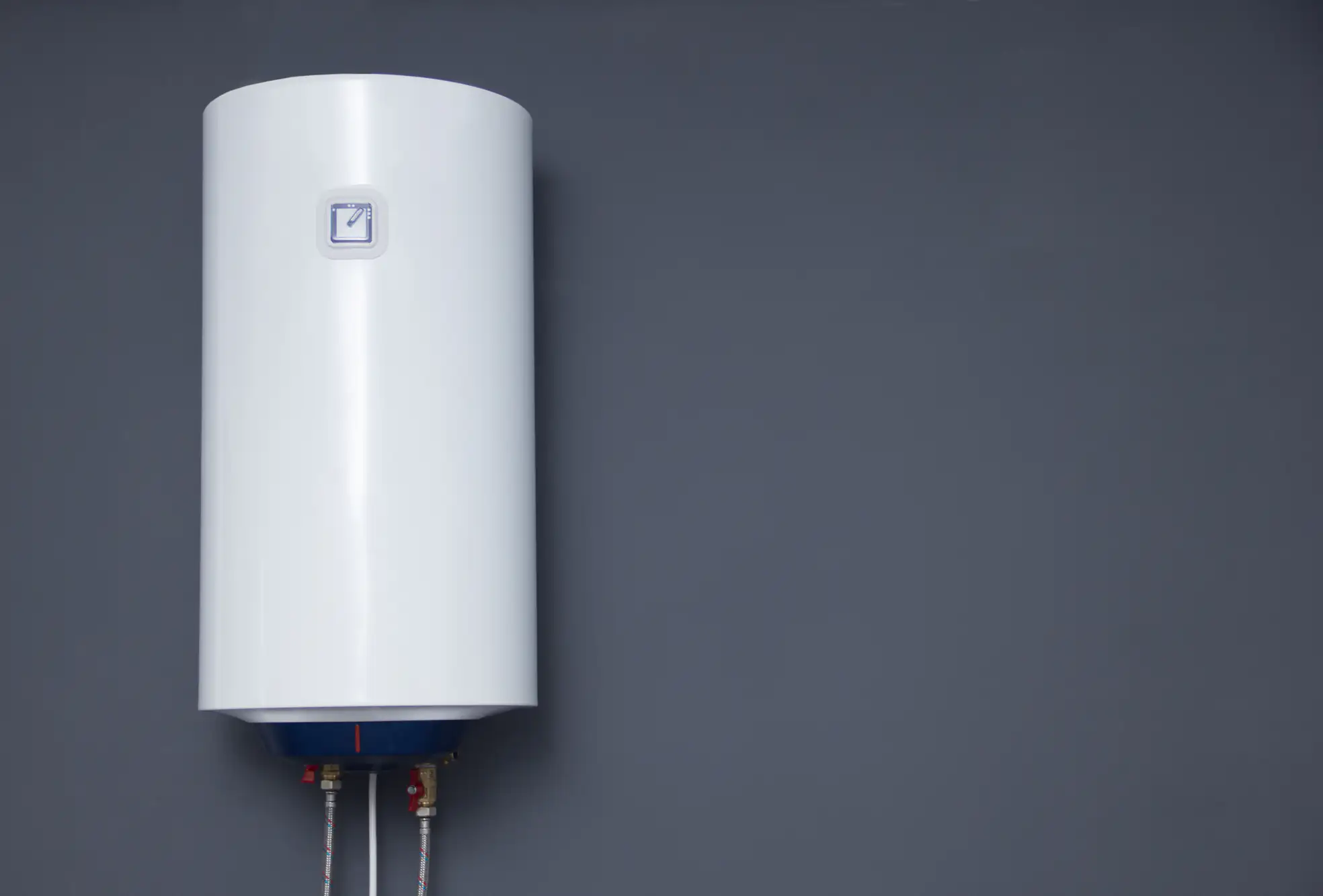
When your boiler is working the way it should, you feel it in your heating bills first. Oil-fired boilers accumulate soot and combustion deposits with every heating season, and just a thin layer of buildup on the heat transfer surfaces is enough to reduce efficiency by 3 to 4 percent. For a household in East Hampton North paying South Fork oil prices all winter, that’s real money going up the flue instead of warming your home.
East Hampton North’s coastal location adds another layer. Salt air off the Atlantic accelerates corrosion inside chimney flues and liner systems in ways that inland Long Island homes simply don’t experience at the same rate. A clean, properly inspected flue isn’t just about efficiency it’s about catching deterioration before it becomes a carbon monoxide problem or a costly liner replacement.
The bigger picture is this: a boiler that gets annual professional cleaning runs longer, burns fuel more completely, and gives you far fewer surprises in January. For a year-round community where a heating failure in the dead of winter isn’t a minor inconvenience it’s a genuine emergency keeping that system clean is one of the most practical things you can do as a homeowner.
We’ve earned an “A” rating with the BBB and an Angie’s List award for six consecutive years. Those aren’t one-time ratings they’re a track record built on showing up, doing the work right, and being straight with customers about what they actually need. We have documented reviews from clients in East Hampton North specifically who noted that our crew arrived on time, left the space clean, and charged a fair price. That’s the standard every visit is held to.
What sets us apart from the HVAC companies serving the East End is specialization. Grant Heating and Weber and Grahn can service your boiler unit, but they’re not chimney specialists. We cover the full exhaust pathway from the burner through the flue and up to the chimney because that’s the complete system, and that’s what needs to be inspected and cleaned by someone who actually knows chimneys.
We’re licensed for Suffolk County, carry liability insurance and workers’ compensation, and use only UL-listed materials. When you’re 90 miles out on the South Fork and need someone you can actually count on, credentials like these aren’t a formality they matter.
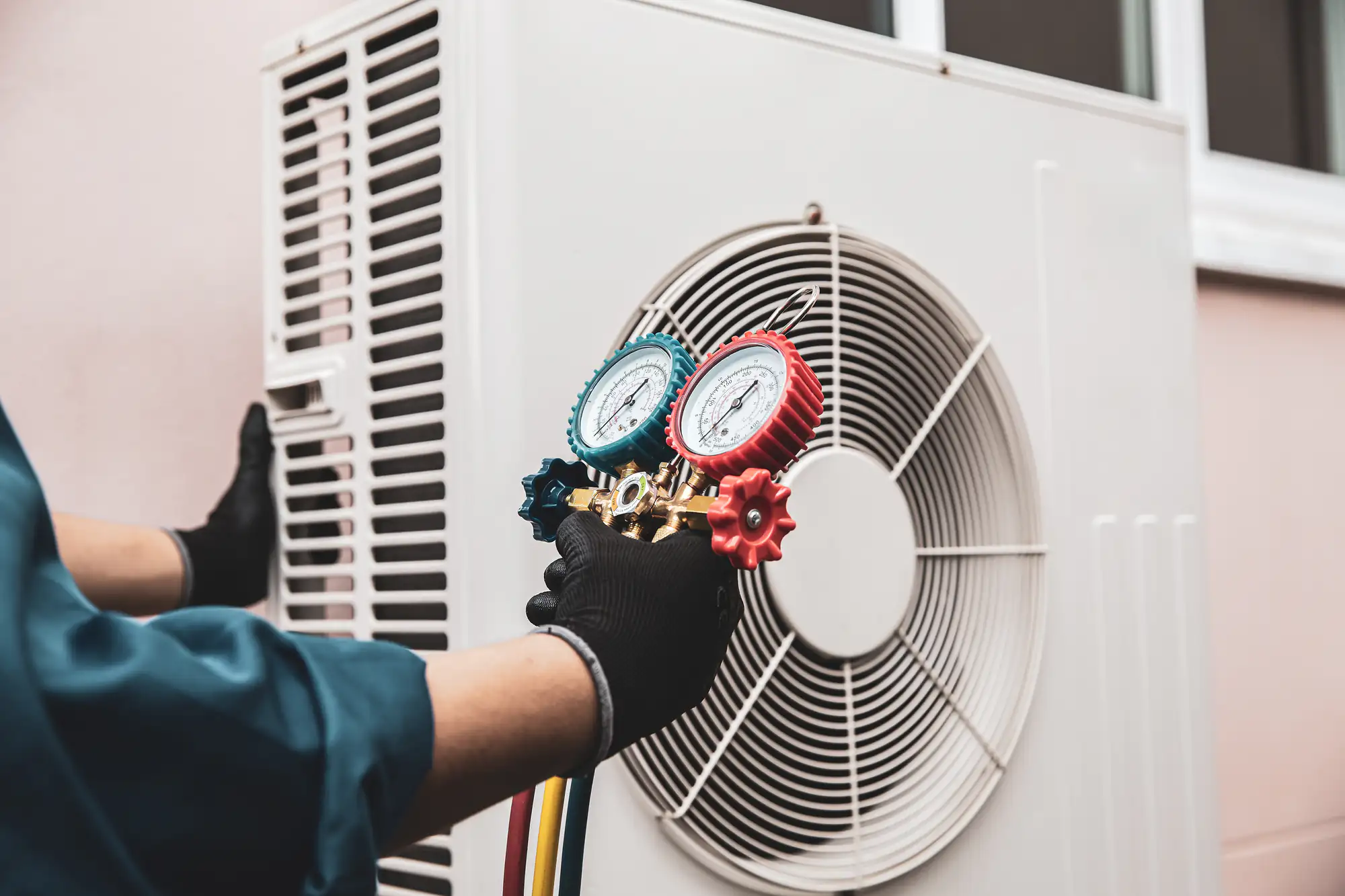
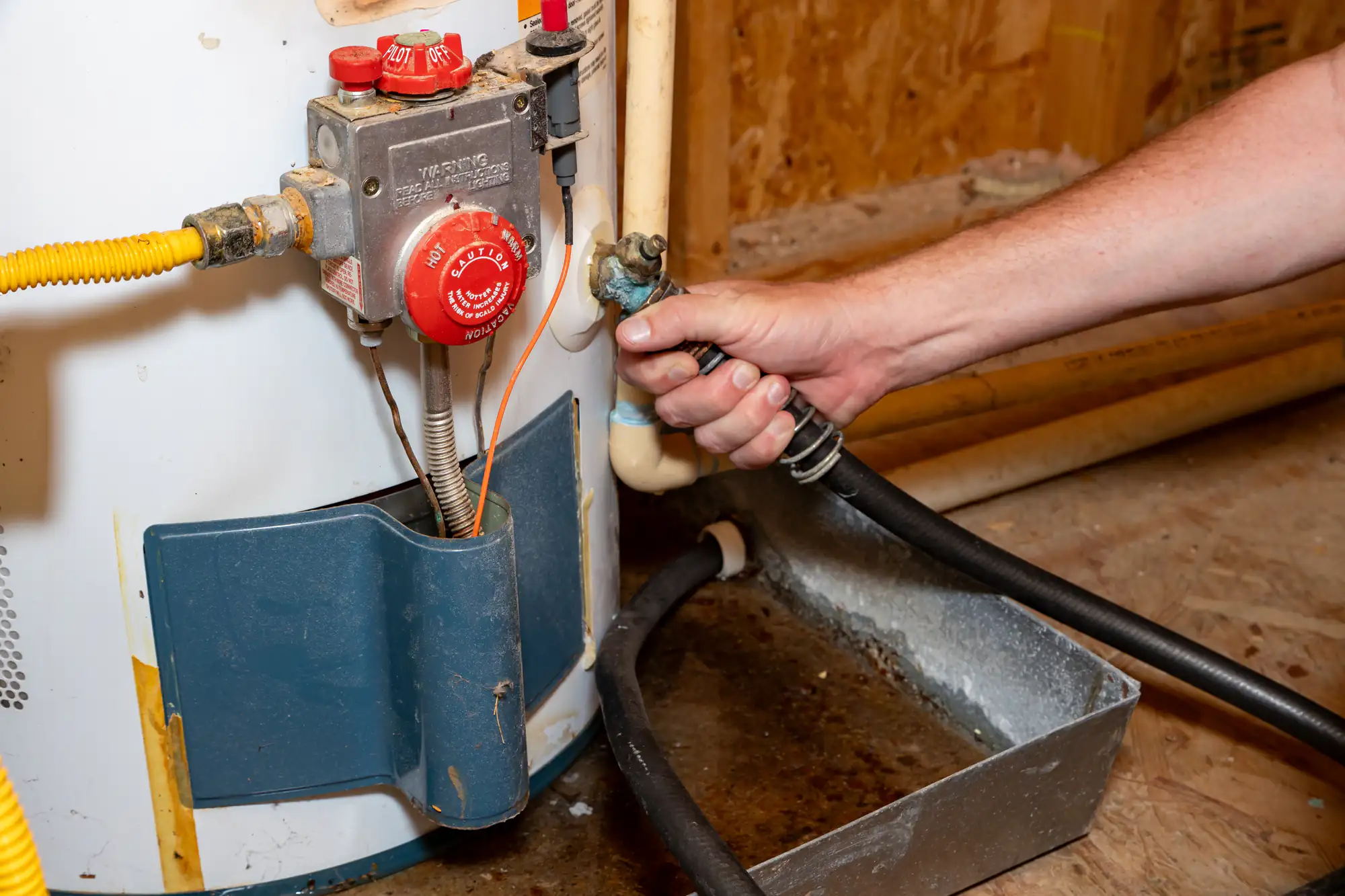
The visit starts with a full visual inspection of the boiler, the piping, and all connections looking for corrosion, leaks, and anything that’s worn or out of place. From there, we clean the heat exchanger, burners, and ignition system to remove soot and combustion deposits that build up over a heating season. This is the part that directly affects how efficiently your boiler burns oil, and it’s the part most homeowners never see.
After the boiler unit itself is cleaned, we inspect and clear the flue. This step matters especially in East Hampton North, where coastal salt air and the older housing stock common in the area can accelerate flue liner wear. If there’s a blockage, a nest, or early signs of liner deterioration, you’ll know about it during this visit not when your boiler stops working in February. We also run a combustion analysis to verify the air-to-fuel ratio is dialed in correctly, which affects both efficiency and emissions.
The whole process takes roughly one to two hours for most residential systems. Before any work begins, we’ll give you a clear explanation of what’s being done and why. If something needs attention beyond the cleaning, you’ll hear about it honestly including whether it’s urgent or something you can plan for later. We leave your home the way we found it.
Ready to get started?
Most HVAC companies that offer boiler cleaning focus on the mechanical unit the burners, the heat exchanger, the ignition system. That’s important work, but it’s only part of the picture. The chimney flue, the liner, and the exhaust pathway connected to your boiler are a separate system that requires chimney expertise to inspect and clean properly. We handle both sides in a single visit, which means nothing gets overlooked.
For oil boiler homes in East Hampton North and the surrounding South Fork area, this matters more than it does in other parts of Long Island. Oil combustion produces more soot than gas, the flues in older workforce housing stock can be in varying states of condition, and the salt air environment here is harder on liner materials than what you’d find in Nassau County or western Suffolk. A chimney specialist who understands these conditions is a different thing than a general HVAC technician who also cleans boilers.
Every boiler cleaning service from us includes the full inspection and cleaning of the boiler unit, flue inspection and clearing, combustion analysis, safety control checks, and a written assessment of anything that needs follow-up. All materials we use in any repair or installation work are UL listed and up to code. We maintain current Suffolk County licensing. If you’re a year-round homeowner in East Hampton North who depends on oil heat to get through winter, this is the service that covers the whole system not just part of it.

For oil-fired boilers which is the dominant heating fuel in East Hampton North and across most of the South Fork annual cleaning is the standard, and it’s not optional. Oil combustion is dirtier than gas, meaning soot and combustion deposits accumulate faster and have a more significant impact on efficiency and safety if left unaddressed. Skipping a year doesn’t just mean double the buildup the following year; it means compounding corrosion, reduced heat transfer, and a higher risk of flue blockages or carbon monoxide issues.
The best time to schedule is either in the fall before the heating season starts or in the spring right after it ends. Fall scheduling in East Hampton North can get competitive the geographic isolation of the South Fork means there are fewer local providers, and appointment slots fill up faster than in Nassau County or western Suffolk. If you’re planning ahead, earlier in the season is the smarter move. Most boiler manufacturers also require documented annual professional maintenance to keep the warranty valid, so staying on schedule protects that investment as well.
This is one of the most common points of confusion for homeowners in East Hampton North, and it’s worth clearing up. When your oil delivery company sends a technician for a tune-up, they’re typically servicing the burner unit adjusting the nozzle, checking the fuel pump, testing ignition, and making sure the combustion side of the boiler is operating correctly. That’s useful work, but it stops at the boiler itself.
What they don’t do is inspect or clean the chimney flue, the liner, or the exhaust pathway that carries combustion gases out of your home. That system from the boiler’s exhaust connection up through the chimney is a separate piece of the puzzle and requires chimney expertise, not HVAC expertise. In a coastal environment like East Hampton North, where salt air accelerates liner corrosion and older homes may have flues that haven’t been properly inspected in years, leaving that part of the system unaddressed is a real risk. A full boiler cleaning from a chimney specialist covers both sides of the system in one visit.
Yes, and the math is straightforward. When soot and combustion deposits build up on the heat transfer surfaces inside your boiler, they act as insulation heat that should be going into your home’s radiators or baseboards instead goes up the flue as wasted exhaust. Industry data shows that just one millimeter of soot buildup on those surfaces can reduce boiler efficiency by 3 to 4 percent and raise flue gas temperatures by 20 to 25 degrees Celsius.
For homeowners in East Hampton North paying South Fork heating oil prices which tend to run higher than in Nassau County or western Suffolk due to the geographic isolation of the area and transportation costs that efficiency loss translates directly into dollars wasted every heating season. A 3 to 4 percent efficiency loss on a household that spends several thousand dollars a year on heating oil is not a trivial number. Annual boiler cleaning restores that efficiency, and for most households the fuel savings alone go a long way toward offsetting the cost of the service.
For most boiler manufacturers, yes and this is something a lot of homeowners don’t find out until they need to make a warranty claim. Most residential boiler warranties include a requirement for annual professional maintenance, and if you can’t document that service was performed, the manufacturer can deny the claim. That’s a significant exposure when you consider that boiler replacement on Long Island can run anywhere from $5,500 to $15,000 installed.
If you’ve recently replaced a boiler in your East Hampton North home, or if you’re planning to in the near future, this is worth paying attention to. The annual cleaning service isn’t just about efficiency and safety it’s also the documentation trail that keeps your warranty intact. We provide a written assessment after every visit, which gives you exactly the kind of record you’d need if a warranty question ever came up. Staying on schedule is a straightforward way to protect what is likely one of the more significant mechanical investments in your home.
There are a few things worth paying attention to between annual cleanings. If your heating bills are noticeably higher than they were the previous winter without an obvious explanation like a stretch of unusually cold weather that’s often a sign the boiler is working harder than it should because of soot buildup or a partially blocked flue. Unusual smells, particularly any hint of sulfur or a heavy fuel odor when the boiler is running, are also worth investigating promptly.
In East Hampton North specifically, the combination of oil heat and coastal salt air creates conditions where flue liner deterioration can happen faster than homeowners expect. If your oil delivery company flags a chimney or flue issue during a service call something that comes up regularly in this area that’s a clear trigger to schedule a full boiler and chimney cleaning with a chimney specialist, not just a follow-up HVAC visit. Any time your boiler is making new or unusual noises, cycling on and off more frequently than normal, or producing visible soot around the exhaust connections, those are all reasons to call sooner rather than waiting for the scheduled annual visit.
We serve Suffolk County, and East Hampton North is part of that service area. We have documented customer reviews from the East Hampton area specifically homeowners who noted on-time arrival, clean work, and fair pricing. The South Fork’s distance from the rest of Long Island is a real consideration for a lot of service providers, and it’s a fair question to ask any company before you book.
What that geographic reality actually means for East Hampton North homeowners is that having a reliable provider who will genuinely show up including for emergency calls matters more here than it does closer to Nassau County. When your heat goes out in January and Route 27 is your only real option for getting someone to your door, you want to know in advance that the company you call will actually make the trip. Our emergency availability is documented, not just advertised, and that track record is part of why homeowners in this part of Suffolk County call us. Scheduling an annual boiler cleaning before the heating season is the best way to reduce the odds of needing that emergency call in the first place.