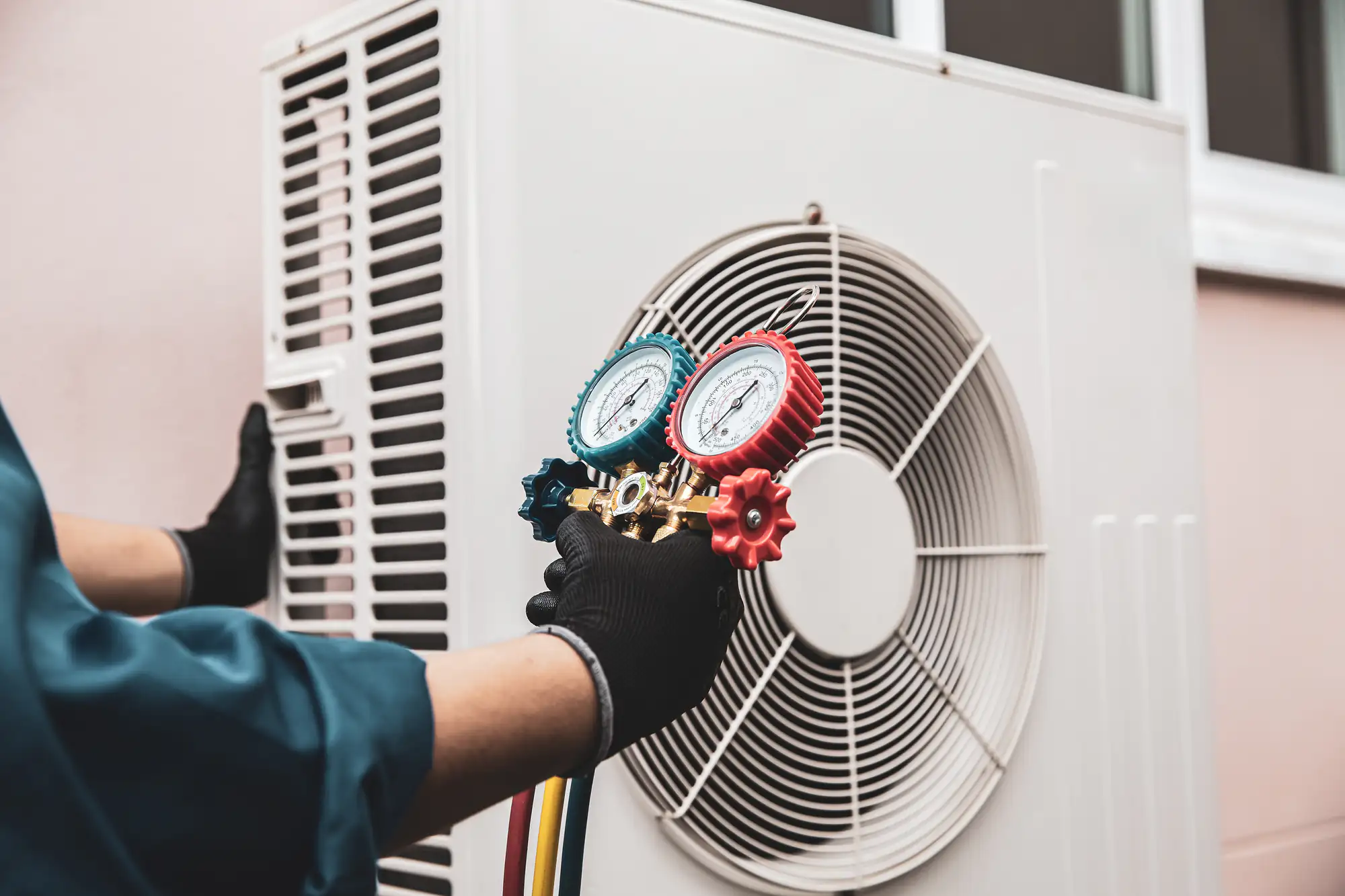


The most immediate thing you notice is reliability. You stop wondering whether the system is going to cooperate when you need it. For Flying Point homeowners who aren’t here year-round, that peace of mind is worth more than almost anything else a service call can deliver because a boiler failure at a vacant property isn’t just an inconvenience, it’s a frozen pipe waiting to happen inside a multi-million-dollar home.
There’s also the efficiency side of this. Oil heat is the norm out here roughly 30% of Water Mill households run on heating oil and oil-fired boilers accumulate soot faster than gas systems. Just a thin layer of buildup on the heat transfer surfaces is enough to noticeably reduce how efficiently your system converts fuel to heat. After a proper cleaning, your boiler runs the way it was designed to, and you’re not burning extra oil to compensate for buildup you can’t even see.
Flying Point’s proximity to the Atlantic also matters in ways most homeowners don’t think about. Salt air accelerates corrosion inside flue systems and chimney liners. What looks intact from the outside can be quietly degrading on the inside. A thorough boiler cleaning paired with a full flue inspection catches that kind of deterioration before it becomes a safety issue or a repair bill that dwarfs the cost of routine maintenance.
We’ve been recognized by both Angie’s List and the Better Business Bureau every year for six consecutive years. That’s not a one-time rating it’s a sustained track record that you can actually verify. For a Flying Point homeowner who vets contractors carefully before letting anyone onto a high-value property, that kind of documented consistency matters.
What also matters is how the work actually gets done. We’re licensed for Suffolk County specifically Flying Point falls within that jurisdiction, and county-specific licensing is a real requirement here, not a formality. Our crew carries both liability insurance and workers’ compensation, and every material we install is UL listed. These aren’t things you should have to ask about. With us, they’re already in place.
One thing that comes up in customer reviews again and again: our technicians tell you what you actually need, not what generates the most revenue. If your system doesn’t require a particular service, we’ll say so. For a community like Water Mill, where properties are significant investments and owners expect straight answers, that kind of honesty is what earns the second call and the referral.
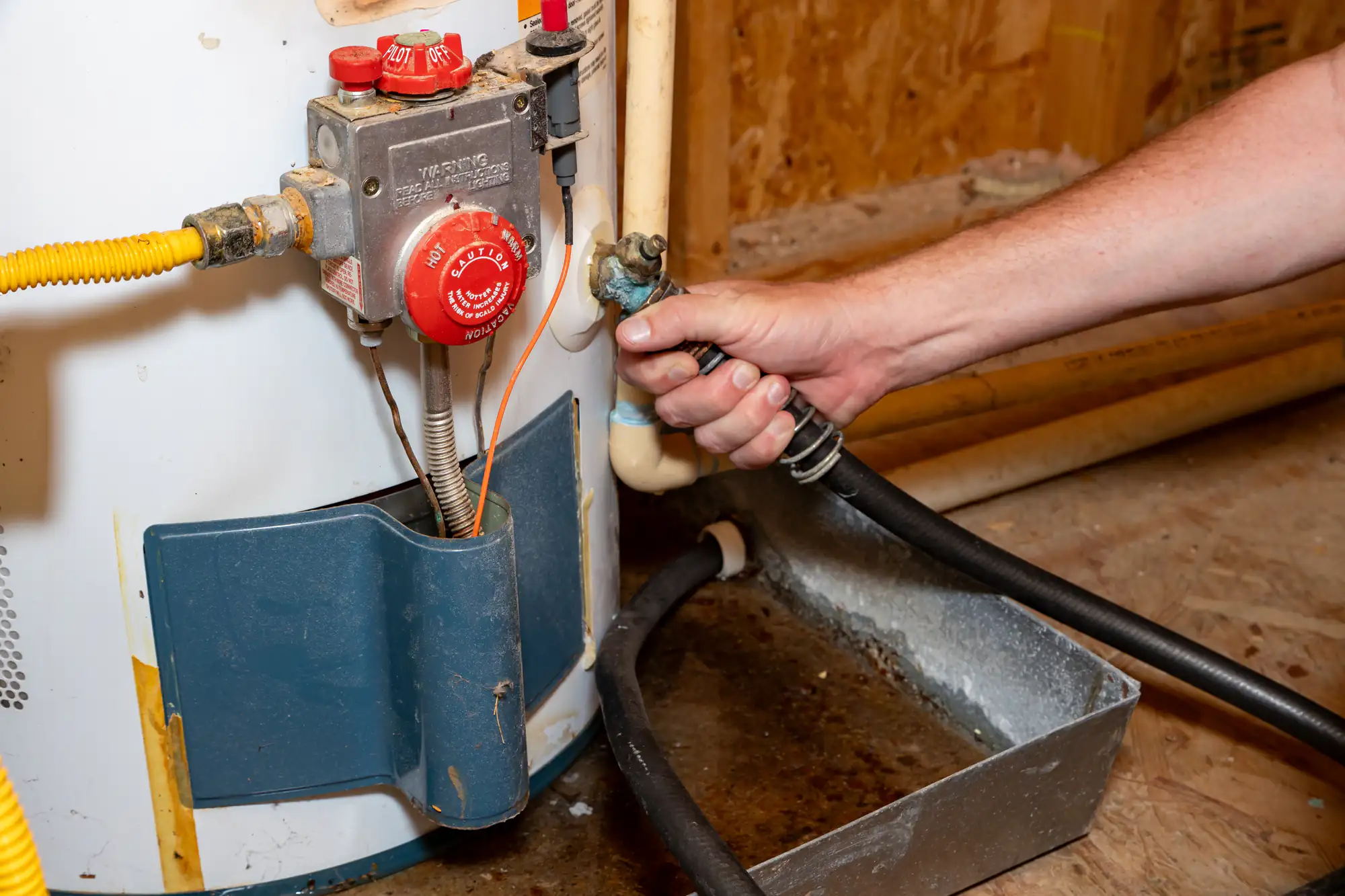
It starts with a full visual inspection the boiler itself, the piping, the connections, looking for any signs of corrosion, leaks, or damage that developed since the last service. For Flying Point properties that sit vacant for extended stretches, this step matters more than it does for a home that’s occupied year-round. Salt air, temperature swings, and months of inactivity can all leave marks on a system that wasn’t showing any issues when you left.
From there, the heat exchanger and burners get cleaned removing the soot and combustion deposits that accumulate with every heating cycle. A combustion analysis follows, which measures and adjusts the air-to-fuel ratio so your boiler is burning cleanly and efficiently. Then the flue gets inspected and cleaned from the fireside all the way up through the chimney. This is the part that most HVAC companies skip entirely, because they’re not chimney specialists. We cover the full exhaust pathway not just the mechanical unit.
Safety controls get tested, pressure is checked, and any issues found during the inspection get documented and explained before any additional work is recommended. The whole process typically takes around one to two hours for a residential system. You’ll know exactly what was done and what, if anything, needs attention next.
Ready to get started?
Flying Point isn’t a typical Long Island neighborhood, and the boiler cleaning service here reflects that. The properties along Flying Point Road running south from Montauk Highway straight down to the beach tend to be large, often complex, and in some cases historic. Older structures throughout the area can have non-standard flue configurations and aging liner systems that require more careful handling than a newer build.
For estate-scale properties with multiple heating zones or larger boiler units, the scope of a cleaning is proportionally more involved. More surface area means more opportunity for soot accumulation, and more complex flue systems mean more points of potential failure. Our approach covers the entire system burner, heat exchanger, flue, and chimney so nothing gets missed because it fell outside someone’s defined scope of work.
Because many Flying Point homes are second properties, we also handle seasonal startup and pre-departure inspections. Whether you’re commissioning the system for fall use after a summer vacancy, or you want the boiler serviced and documented before you close up for an extended absence, the process is the same: a complete cleaning and inspection that leaves you with a clear picture of where things stand. All work is performed under Suffolk County licensing requirements, with UL-listed materials on any components that need replacement.

For most residential boiler systems, once a year is the right interval and that holds whether you’re in the property full-time or only part of the year. What changes for Flying Point homeowners is the timing. If your property sits vacant for several months, the system should be inspected and cleaned either before you leave or before you return and start relying on it again. A boiler that’s been idle in a coastal environment with salt air working on the flue components the entire time shouldn’t just be switched on and trusted without a look.
There’s also a practical reason tied to your boiler’s warranty. Most manufacturers require documented annual professional maintenance to keep the warranty valid. Skipping a year doesn’t just mean deferred maintenance it can mean voided coverage if something goes wrong and you need to make a claim. Annual boiler cleaning is the simplest way to stay ahead of both the maintenance and the paperwork.
This is one of the most common ways Flying Point homeowners end up calling us. The oil delivery driver notices something a buildup issue, a venting concern, a flag on the flue and mentions it during the delivery. That’s a useful heads-up, but it’s worth understanding what the oil company actually inspected and what they didn’t.
Heating oil companies service the burner unit. They’re not chimney specialists, and they’re generally not inspecting the flue, the liner, or the exhaust pathway above the boiler. Those components are a separate system and they’re the ones most affected by soot accumulation, coastal corrosion, and seasonal debris. If your oil company flagged something, the right next step is a full boiler cleaning and flue inspection by a company that covers both sides of the system. That’s what we do and it’s the only way to know the whole picture, not just the part the delivery driver could see.
They’re related, but they’re not the same thing, and most companies only do one or the other. A standard chimney cleaning focuses on the flue, the liner, and the chimney structure removing creosote, soot, and any blockages from the exhaust pathway. A boiler cleaning focuses on the mechanical unit itself the heat exchanger, burners, ignition system, and combustion components.
The problem is that these two systems are directly connected. A dirty boiler flue affects how cleanly the boiler burns, and a poorly maintained boiler deposits more soot into the chimney faster. Treating them as separate problems handled by separate companies means something almost always falls through the cracks. We cover both the full system from the burner through the flue to the chimney top. For Flying Point properties with masonry chimneys, older liner systems, or complex configurations, having one company that understands the whole picture is the only approach that actually makes sense.
Yes, and it’s one of the more underappreciated maintenance factors for properties close to the water. Flying Point Road terminates at the Atlantic Ocean, and the salt air that comes off the beach doesn’t stop at the exterior walls of your home. It works its way into flue systems, chimney caps, and liner components and it accelerates corrosion in metal parts in ways that aren’t visible from the outside.
The practical consequence is that a chimney liner or flue component that looks fine on a surface inspection may have internal degradation that’s compromising both drafting performance and safety. Corroded liners can allow combustion gases including carbon monoxide to migrate into the home rather than exhaust properly. This is exactly why a full flue inspection, not just a boiler unit cleaning, matters for properties in this part of Water Mill. Stainless steel liner systems are the right long-term solution for coastal environments, and we install them with UL-listed materials to code.
Skipping a year isn’t catastrophic on its own, but the effects are cumulative and they compound. Soot and combustion deposits don’t stay static they build on top of each other, and as they do, your boiler works harder to produce the same amount of heat. That shows up in your fuel consumption before it shows up in any visible symptom. For a Flying Point home running on heating oil, that inefficiency translates directly to higher costs on every delivery.
Beyond efficiency, there’s the safety dimension. A blocked or deteriorating flue doesn’t announce itself. Neither does a cracked liner or a corroded heat exchanger. These are things that get caught during a professional inspection and they don’t get caught when that inspection doesn’t happen. For a second property that may sit vacant for months at a time, the stakes of missing a problem are higher than they would be in a home where someone’s there every day to notice something’s off. Annual boiler cleaning is the mechanism that keeps those risks visible and manageable.
Yes. Flying Point falls within the Town of Southampton in Suffolk County, and we’re specifically licensed for Suffolk County not just a general statewide license, but the county-level credential that New York requires for this type of work. That distinction matters because county licensing in New York is separate from state registration, and not every contractor serving the East End actually holds it.
Beyond licensing, we carry both liability insurance and workers’ compensation coverage. For a Flying Point homeowner with a high-value property, that’s not a minor detail it’s the difference between being protected and being exposed if something goes wrong on the job. Before any contractor works on your property, you’re entitled to ask for a Certificate of Insurance. With us, that documentation is already in place. We also install only UL-listed materials, which means every component that goes into your chimney or flue system meets a verified, independent safety standard not just an industry convention.
Other Services we provide in Flying Point