


When your boiler and its entire exhaust pathway are properly cleaned, the difference shows up quickly. Your system runs more efficiently, your fuel isn’t being wasted fighting through soot-coated heat exchanger surfaces, and the air your family breathes isn’t competing with combustion byproducts that have nowhere clean to go.
For homes in Fort Hill and the broader Lloyd Harbor area, those outcomes carry extra weight. The homes here aren’t typical Long Island houses with properties averaging nearly 6,000 square feet and many running well past 10,000, your heating system works harder and longer than most. A thin layer of soot that costs a smaller home a few percentage points of efficiency can translate to hundreds of dollars in wasted heating oil per season at the consumption levels these estates require.
There’s also the chimney side of the equation, which most HVAC companies never touch. Lloyd Harbor’s median home was built in 1967, and the most prominent properties near Fort Hill Drive date back to the late 1800s. Older chimneys original masonry, clay tile liners, flue sizing from another era deteriorate in ways that a burner technician simply isn’t trained to find. Getting the full system cleaned and inspected means you actually know what you’re working with before the cold arrives.
We’ve been serving Long Island homeowners in Fort Hill, Lloyd Harbor, and throughout the Town of Huntington in Suffolk County with boiler cleaning, chimney cleaning, and the full range of chimney repair and maintenance services. We hold an “A” rating with the Better Business Bureau and have earned Angie’s List awards for six consecutive years. That’s not a one-time snapshot it’s a sustained track record that holds up year after year across thousands of jobs.
What sets us apart from the HVAC and oil delivery companies that also service Fort Hill is specialization. We’re chimney experts first, which means when we clean your boiler, we don’t stop at the mechanical unit in the basement. We follow the exhaust pathway all the way through the flue and up to the chimney the part of the system that most other companies never look at, and the part that causes the most problems in older homes.
We carry Suffolk County contractor licensing, liability insurance, and workers’ compensation coverage. Every material we install is UL listed. And if something goes wrong in the middle of January, we offer 24/7 emergency service including documented same-day response in freezing temperatures.

When we arrive at your Fort Hill home, the process starts with a full visual inspection the boiler itself, the piping, the connections, and the chimney flue. Nothing gets cleaned before it gets looked at. That matters more than most people realize, especially in a community where homes range from mid-century construction to properties that predate the 20th century entirely. The inspection tells you what you’re actually dealing with before any work begins.
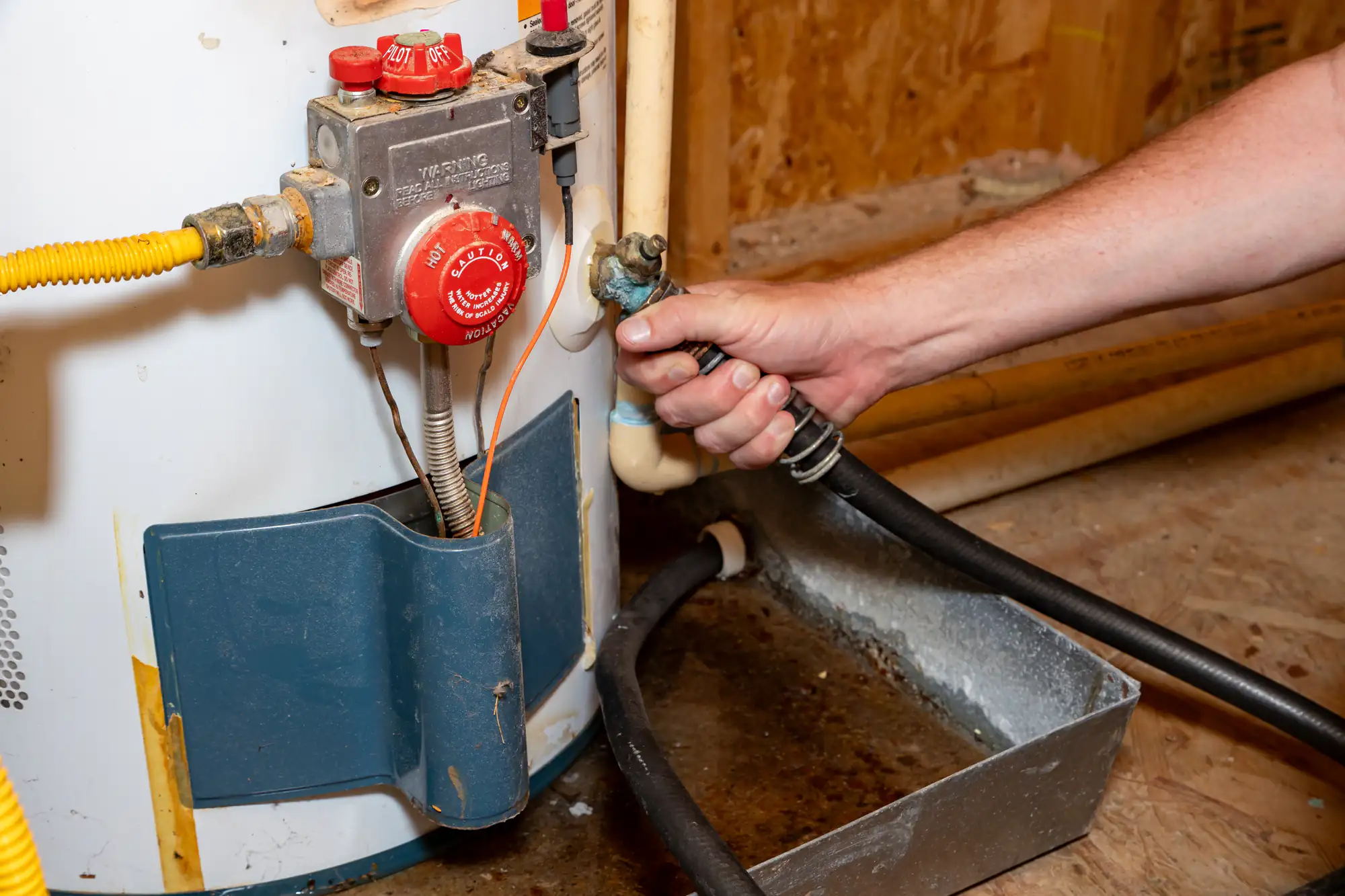
From there, the cleaning covers the heat exchanger, burners, and ignition system removing the soot and scale that reduce efficiency and force your boiler to burn more fuel to produce the same heat. A combustion analysis follows, checking the air-to-fuel ratio and making sure the system is burning cleanly. Then the flue gets inspected and cleaned from the boiler connection up through the chimney. This is the step most HVAC companies skip entirely, and it’s the step that matters most for older homes in Lloyd Harbor, where original masonry chimneys and aging clay tile liners are common.
The visit wraps up with safety control testing pressure valves, seals, thermostats, electrical connections, and shutoffs and a written summary of anything that needs attention. Most residential boiler cleanings take one to two hours. The best time to schedule is July through September, before the heating season begins and before fall appointment slots fill up. If you’re dealing with an emergency mid-season, our 24/7 availability means you’re not waiting days for a callback.
Ready to get started?
Most boiler cleaning companies in the Lloyd Harbor area are HVAC contractors or oil delivery services. They do good work on the mechanical unit burner cleaning, pressure checks, safety control testing. But they stop at the boiler itself. The chimney flue, the liner condition, the crown, the cap, any obstructions in the exhaust pathway that’s outside their scope. For a standard 1,400-square-foot house, that gap might not matter much. For a 6,000 or 10,000-square-foot estate home with an original chimney stack that’s been in place for 80 or 100 years, it’s a significant blind spot.
Our boiler cleaning service covers the entire system. That includes the heat exchanger and burner cleaning, combustion analysis, flue inspection and cleaning, safety control testing, and a full assessment of the chimney structure itself liner condition, mortar, cap, and crown. If there’s a nest or animal obstruction (a real consideration given how close Fort Hill properties sit to Caumsett State Historic Preserve and its 1,520 acres of woodland), we address that too. All materials we use in any repairs or installations are UL listed and up to code for Suffolk County.
We don’t use named service tiers or published package pricing. What you get is a complete professional assessment and cleaning, with an honest written report of what was found and what, if anything, needs follow-up. If we determine that a specific service isn’t necessary, we’ll tell you that and that’s been documented in real customer experiences.
Because your boiler doesn’t exhaust into thin air it vents through a flue that runs up through your chimney, and whatever accumulates in that flue affects how well your boiler operates and how safely it vents combustion gases. A dirty or deteriorating chimney flue restricts airflow, forces your boiler to work harder, and in the worst cases, can allow carbon monoxide to back-draft into your living space.
In Fort Hill and Lloyd Harbor, this matters more than in most Long Island communities. Many of the homes here have original masonry chimneys that were built for older, hotter-running heating systems. Modern high-efficiency boilers run cooler, which means their exhaust gases condense more readily inside an oversized, older flue accelerating soot buildup and acidic moisture damage to the liner. An HVAC technician who cleans your burner and leaves won’t catch that. A chimney specialist who follows the full exhaust pathway will.
Once a year is the standard recommendation, and for most homes in Fort Hill, it’s not optional in any practical sense. Most boiler manufacturers require annual professional maintenance to keep the warranty valid skip a year and you may find that warranty coverage is gone if something goes wrong. Oil delivery companies often include language in their service contracts that assumes annual boiler maintenance has been performed.
For large estate homes in Fort Hill that burn significant volumes of heating oil through a Long Island winter, the efficiency argument alone makes annual cleaning worthwhile. Soot accumulation on heat exchanger surfaces reduces efficiency measurably and at the consumption levels of a 6,000 to 10,000-square-foot home, even a modest efficiency loss adds up to real money over a heating season. The best time to schedule is during the summer months, when the boiler isn’t running and any issues found can be repaired well before the cold arrives.
Your heating oil delivery company typically handles the burner unit cleaning the nozzle and filter, checking the igniter, adjusting the fuel pump, and making sure the combustion side of the boiler is operating correctly. That’s valuable maintenance and it’s worth doing. But it stops at the boiler itself. The chimney flue, the liner, the exhaust pathway from the boiler connection up through the stack that’s not their scope, and most oil company technicians aren’t trained or equipped to assess it.
That gap is exactly where we operate. The chimney side of your boiler system is a separate, specialized service that requires different tools, different training, and different credentials specifically the kind of chimney expertise that CSIA certification represents. For Fort Hill homeowners whose oil company has flagged a chimney issue or whose older chimney hasn’t been inspected in years, we’re the follow-up call that completes the picture.
It matters quite a bit, and it’s one of the more common issues in Lloyd Harbor’s housing stock. When a modern high-efficiency boiler is installed in an older home, the original chimney often stays in place. The problem is that older chimneys were sized and built for the higher-temperature exhaust of older heating systems. A modern boiler runs cooler, and its lower-temperature exhaust gases condense inside an oversized, older flue rather than venting cleanly. That condensation is acidic, and over time it deteriorates clay tile liners, erodes mortar joints, and creates the kind of structural damage that goes unnoticed until it becomes a serious problem.
This is a chimney-specialist issue, not an HVAC issue. Identifying condensation-driven deterioration in an older flue requires inspecting the liner, checking the flue sizing relative to the boiler’s output, and assessing the overall condition of the chimney structure all of which fall within our scope and outside the typical oil company or HVAC contractor’s service range.
The short answer is that the problems compound. Soot doesn’t reset between seasons it accumulates. A layer of buildup that costs you three or four percent in efficiency during year one becomes a thicker layer that costs more in year two, and by year three you’re looking at potential corrosion, liner damage, and a boiler that’s working significantly harder than it should be to heat your home.
For a large Fort Hill estate home burning thousands of gallons of heating oil per season, that efficiency loss isn’t trivial. Beyond the fuel costs, skipping annual maintenance can void your boiler’s manufacturer warranty, leaving you fully exposed if a component fails. And the repair costs for a neglected system pump replacement, zone valve work, or a full boiler replacement run significantly higher than what annual preventive cleaning costs. The math is straightforward: regular professional cleaning is a fraction of the cost of what happens when you don’t do it.
Yes. Fort Hill is located within the Village of Lloyd Harbor, in the Town of Huntington, Suffolk County. We hold Suffolk County contractor licensing the specific county-level credential that applies to work performed here. That’s not a generic statewide registration; it’s the jurisdiction-specific license that a knowledgeable homeowner in this area should ask for before any contractor begins work on their property.
Beyond licensing, we carry both liability insurance and workers’ compensation coverage. For Fort Hill homeowners with high-value properties, that insurance coverage matters it protects you from any liability if something happens on-site during the job. We also hold CSIA certification and NCSG membership, which are the industry credentials that distinguish trained chimney professionals from general contractors who happen to offer chimney-adjacent services. If you want to verify any of these credentials before booking, you can and we have no problem with that.
Other Services we provide in Fort Hill