

Living on Jones Beach Island means your boiler isn’t dealing with average Long Island conditions. The salt air that rolls in off the Atlantic deposits moisture and corrosive particles on every surface it touches including your chimney cap, your flue liner, and the exhaust components connected to your boiler. When those deposits build up unchecked, your system works harder, burns more fuel, and gives you less heat in return. A thorough annual boiler cleaning removes that buildup before it quietly drains your efficiency and your wallet.
There’s also the matter of what a blocked or soot-choked flue actually means for your home. Combustion gases need a clear path out. When that path gets narrowed by soot, moisture-laden residue, or debris that found its way in after a nor’easter, you’re not just losing efficiency you’re creating a situation that no homeowner on a barrier island wants to deal with in January, especially when Ocean Parkway is the only road connecting you to the mainland.
Annual boiler cleaning near Gilgo Beach isn’t a box to check. For homes in this specific location many of them older cottages converted to year-round use, all of them exposed to coastal conditions that accelerate wear it’s the maintenance that keeps your system running reliably through every heating season.
We’re based in Bethpage, with direct access to Gilgo Beach via the Wantagh Parkway to Ocean Parkway the same route you take every time you head to the mainland. That proximity matters when you need someone who can actually get to you, including in an emergency.
We’ve earned Angie’s List and BBB awards for six consecutive years. That’s not a one-time rating it’s a track record built across hundreds of real jobs, and it reflects what customers consistently say: our technicians show up on time, do the work thoroughly, leave the property clean, and tell you what you actually need instead of what earns the most on a ticket.
We’re licensed for both Nassau County and Suffolk County, which is directly relevant in Gilgo Beach. West Gilgo Beach sits on the county line, and having a contractor who’s properly credentialed on both sides of that border removes any ambiguity about who’s qualified to work in your home.
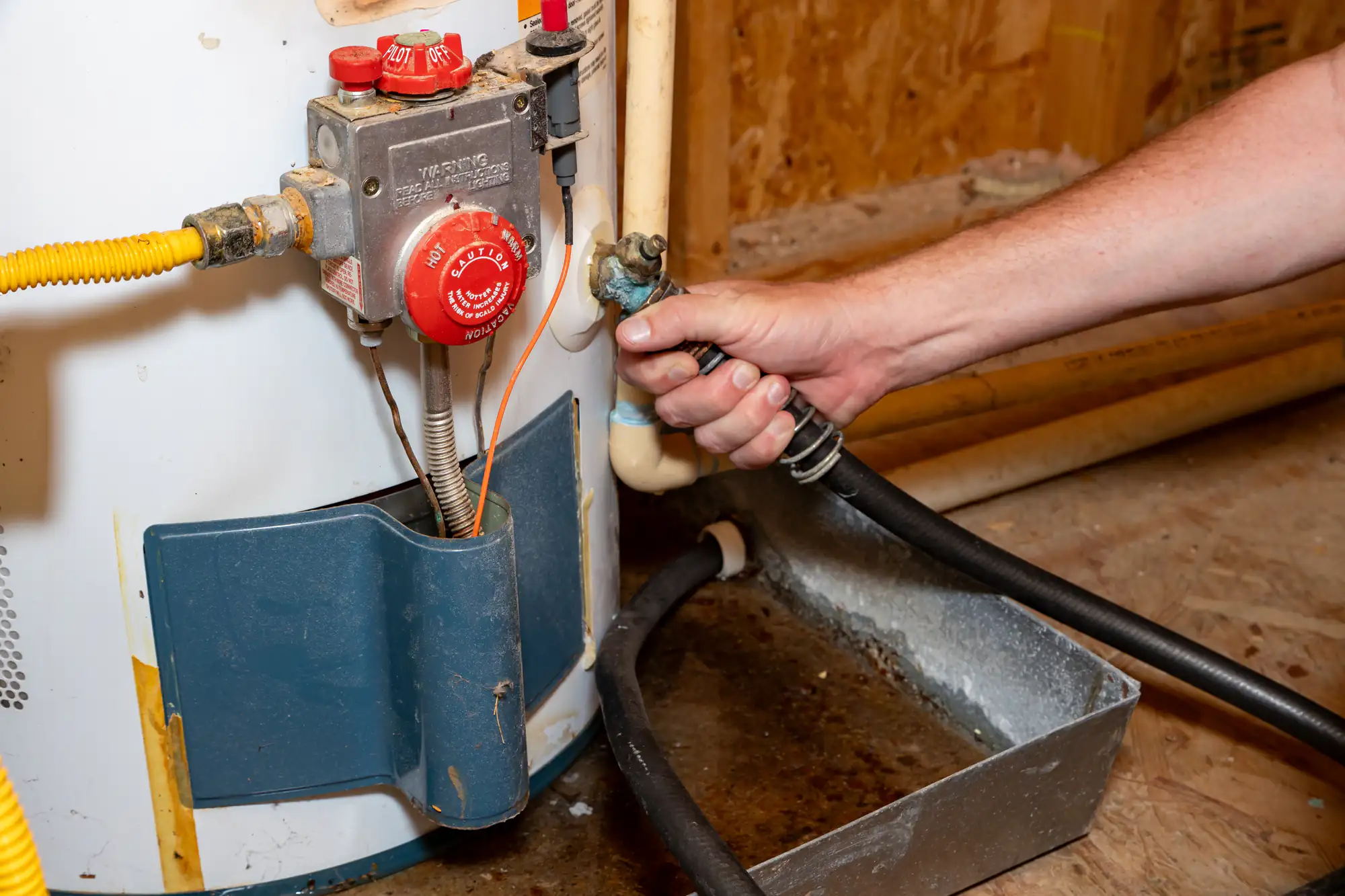
When we come out to your Gilgo Beach home, the job starts with a full visual inspection the boiler unit itself, the connected piping, and the exhaust pathway leading up through the flue and chimney. In coastal homes like those on Jones Beach Island, that inspection often turns up salt-accelerated corrosion or moisture intrusion that wouldn’t show up in an inland property. Finding it early is the point.
From there, we clean the heat exchanger and burners, removing the soot and combustion deposits that reduce how efficiently your system transfers heat. A combustion analysis follows this checks the air-to-fuel ratio and makes sure your boiler is burning cleanly and not producing excess carbon monoxide. We test pressure levels, safety controls, and electrical connections. Then the flue itself gets cleaned: brushed out, inspected for blockages, and checked for any storm debris or nesting material that may have worked its way in.
For homes in Gilgo Beach that have sat vacant through part of the winter, or that took the brunt of a coastal storm, that flue inspection carries extra weight. The whole visit typically takes one to two hours for a standard residential system. You get a clear picture of what was found, what was done, and whether anything needs follow-up attention no pressure, no guesswork.

Ready to get started?
Many of the homes in Gilgo Beach and West Gilgo Beach started as summer cottages. Some of the structures in West Gilgo Beach were physically moved by barge in 1939 when the community was established. Homes approaching 90 years old, exposed to salt air and coastal storms for their entire lives, carry a different set of maintenance needs than a newer build in an inland suburb. Our boiler cleaning service is well-suited to older systems in older homes the kind of equipment that requires a more experienced eye and a more thorough approach.
We service both oil and gas boilers, which matters in a community where heating oil delivery is the documented primary fuel source. Suffolk Oil serves West Gilgo Beach directly, and many residents rely on oil heat through the winter. Oil-fired systems produce more combustion residue than gas, which means soot accumulates faster and the case for annual cleaning is even stronger.
We hold the Suffolk County licensing required for this work, and all materials we install caps, liner components, hardware are UL listed and up to code. If your oil delivery company has flagged a chimney or flue issue, or if your system simply hasn’t been serviced in a while, this is the call to make. We also offer emergency boiler cleaning around the clock, because a heating failure on a January night in Gilgo Beach is not a situation that can wait until Monday morning.

The standard recommendation for most Long Island homeowners is annual boiler cleaning, and that applies here too but the conditions in Gilgo Beach make it more important to actually follow through on that schedule rather than let it slip. Salt air off the Atlantic deposits corrosive particles on exterior components continuously, and moisture intrusion into chimney flues is more common in oceanfront homes than in inland properties. That combination accelerates the buildup of soot and residue inside the flue and on the heat exchanger, which means your system degrades faster between cleanings than it would in a home ten miles inland.
If your home has been vacant for part of the winter, or if you’ve had a significant coastal storm come through, it’s worth having the flue inspected even if you had it cleaned recently. Debris, displaced sand, and wind-driven moisture can compromise a flue between scheduled service visits in ways that just don’t happen in sheltered suburban neighborhoods. Annual cleaning is the baseline your specific situation in Gilgo Beach may call for more attention than that.
This is one of the most common points of confusion for homeowners on Long Island who use heating oil. When your oil delivery company services your system, they’re typically focused on the burner unit the mechanical components that ignite and burn the fuel. That includes things like the nozzle, electrodes, and the burner head itself. It’s important work, but it stops at the boiler box.
A professional boiler cleaning service covers the full exhaust pathway: the heat exchanger, the combustion chamber, the flue, the chimney liner, and the chimney cap at the top of your roof. In a home on Jones Beach Island, where salt air and storm exposure put real stress on that entire system, cleaning only the burner unit and leaving the rest uninspected is leaving a significant part of the job undone. We handle the complete system from the boiler itself through to the top of the chimney which is the scope of work that a chimney specialist brings that a general HVAC or oil company typically doesn’t.
A few things are worth paying attention to between annual service visits. If your heating bills have gone up noticeably without a corresponding change in how you’re using heat, that’s often a sign that soot buildup on the heat exchanger is reducing efficiency your boiler is burning more fuel to produce the same amount of heat. A yellow or flickering burner flame instead of a steady blue one is another indicator that combustion isn’t happening cleanly.
You might also notice unusual smells when the system kicks on, or more soot than usual around the boiler or near vents. In Gilgo Beach specifically, it’s worth paying attention after any major coastal storm. If a nor’easter has come through and you notice any change in how your system is drafting odors, smoke backing up, or the system cycling differently that’s a signal to have the flue inspected before continuing to run the boiler. Blockages from storm debris can develop quickly and create both efficiency and safety issues that aren’t always obvious until the problem is significant.
It does, and the math makes the case pretty clearly. A layer of soot just one millimeter thick on your boiler’s heat transfer surfaces can raise flue gas temperatures by 20 to 25 degrees Celsius and drop your boiler’s efficiency by 3 to 4 percent. That’s not a rounding error that’s real money leaving through your exhaust pipe every time the system runs, and it compounds the longer the buildup sits there.
Beyond efficiency, there’s the warranty question. Most boiler manufacturers require documented annual professional maintenance to keep the warranty valid. Skip a year and you may find that a repair or replacement that should have been covered isn’t, because the maintenance record has a gap. For homeowners in Gilgo Beach with older systems in older homes, the cost of a full boiler replacement on Long Island runs from $5,500 to $15,000 installed. Annual cleaning is a fraction of that. Skipping it doesn’t save money it just moves the cost further down the road and makes it larger when it arrives.
Yes, and emergency availability is something we take seriously. We offer 24/7 emergency service, and that’s been documented in real customer situations including same-day response when temperatures were around 30 degrees and a homeowner had no heat. For residents of Gilgo Beach, that kind of responsiveness carries more weight than it might for someone in a mainland suburb.
When your boiler goes out in January and Ocean Parkway is the only road connecting your home to the rest of Long Island, you need to know that the company you’re calling can actually get to you and quickly. We’re based in Bethpage, with direct access to Gilgo Beach via the Wantagh Parkway to Ocean Parkway. That’s not a long dispatch from across the island. If you’re dealing with a heating emergency on the barrier island, that proximity and our proven emergency track record are exactly what you want in a service provider.
Absolutely, and older homes are where experience with complex systems matters most. Many of the homes in West Gilgo Beach date back to 1939 or earlier the original cottages were moved by barge when the community was established, and some structures are approaching 90 years old. Homes that have been converted from seasonal summer use to year-round occupancy over the decades often have heating systems that were upgraded piecemeal, with older chimney liners, aging flue components, and equipment that has been carrying the weight of salt air exposure for a very long time.
We have documented experience with older, more complex Long Island heating systems, and that experience translates directly to the housing stock in this community. The inspection process for an older home goes deeper than a quick visual sweep it accounts for the kinds of wear patterns and corrosion that accumulate over decades in a coastal environment. If you have an older home in Gilgo Beach or West Gilgo Beach and you’re not sure what condition your boiler and chimney system are actually in, a professional cleaning and inspection is the right place to start.
Other Services we provide in Gilgo Beach