

Most Hampton Bays homes were built in the mid-20th century and run on oil heat. That combination—older systems plus oil combustion—means soot and buildup accumulate faster than most homeowners realize. Even a thin layer of soot on the heat exchanger forces your boiler to burn more fuel to produce the same heat. You feel it in your heating bill before you ever notice anything else.
What makes Hampton Bays different from inland Long Island is the coastal environment. Peconic Bay to the north, Shinnecock Bay and Tiana Bay to the south—the salt air that surrounds this hamlet on three sides doesn’t just affect your gutters and car. It accelerates oxidation on metal flue pipes, chimney liners, and boiler components in ways that simply don’t happen in places like Hauppauge or Bethpage. Annual boiler cleaning here isn’t just a maintenance checkbox. It’s how you stay ahead of what the coast quietly does to your heating system year after year.
When we complete the cleaning, you get more than efficiency back. You get a system that’s been fully inspected, a flue cleared from the boiler to the chimney cap, and a straight answer about anything that needs attention. No guesswork. No surprises when January arrives.
The Hamptons attract a wave of contractors every summer. Some are excellent. Some you never hear from again after the season ends. Ageless Chimney has been recognized by both Angie’s List and the BBB as an award winner for six consecutive years—not a one-time rating, but a sustained track record that holds up year after year. That consistency matters when you need someone you can actually call back next fall.
We hold Suffolk County licensing and carry both liability insurance and workers’ compensation—the specific credentials required for work in Hampton Bays and throughout the Town of Southampton. Our team has completed verified jobs here, including work along the South Fork that required same-day scheduling and left properties exactly as clean as they were found. That’s not a promise—it’s what customers have described in their own words.
Whether you’re a year-round resident off Ponquogue Avenue or managing a property near the Shinnecock Canal from a distance, you deserve a company that shows up, does the job, and tells you exactly what we found.

We start with a full visual inspection—the boiler itself, piping, connections, and visible components—looking for corrosion, leaks, or wear. In a coastal environment like Hampton Bays, where salt air accelerates oxidation on metal surfaces, this step matters more than it does inland. Catching a corroded flue pipe or deteriorating liner section early is far less expensive than addressing it after a failure.
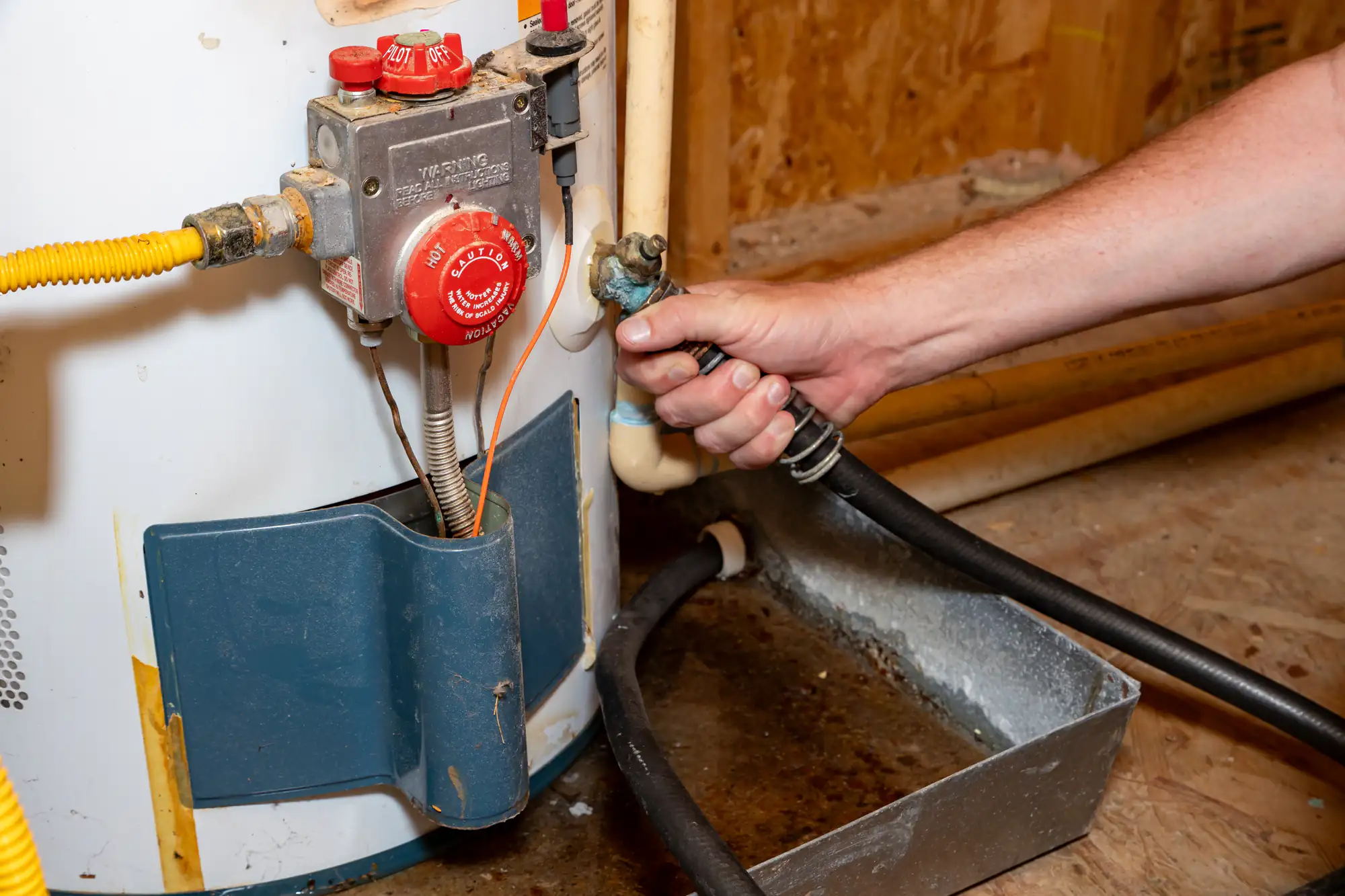
From there, we clean the heat exchanger and burner, removing soot and combustion deposits that reduce heat transfer and force your system to work harder. For oil-fired boilers—the norm in most Hampton Bays homes—this step is especially important because oil combustion leaves more residue than natural gas. We then clean the flue from the boiler through to the chimney, clearing any blockages, soot accumulation, or debris that could restrict exhaust flow or create a carbon monoxide risk.
We finish with a check of safety controls, pressure valves, and electrical connections—and you get a straight report on what we found. If something needs attention, you’ll hear about it clearly and honestly. If everything looks good, you’ll hear that too. Most residential boiler cleanings take one to two hours, and we clean up completely before leaving.
Ready to get started?
Here’s where we’re different from a standard HVAC company. Local heating companies in Hampton Bays—even established ones—service the mechanical boiler unit. What they don’t do is clean the chimney flue, inspect the liner, or clear the exhaust pathway from the boiler all the way to the chimney cap. That’s a chimney specialist’s job, and it’s the part of the system that oil-heat homes depend on most for safe, efficient operation.
When you book boiler cleaning through Ageless Chimney, the scope covers the full system: burner and heat exchanger cleaning, flue cleaning, chimney inspection, nest and obstruction removal if present, and a check of all safety components. Every material we use or install—liner sections, caps, replacement components—is UL listed and meets current code requirements. For older Hampton Bays homes with legacy clay tile liners or unlined masonry chimneys, that code compliance matters for your insurance coverage and peace of mind.
Suffolk County requires that chimney contractors carry county-specific licensing—not just a general contractor’s license. We hold that Suffolk County credential, which means the work done on your home meets the legal and safety standards required for this area. If your oil delivery company has flagged a chimney issue or blockage, this is the follow-up call to make.

For most Hampton Bays homes, once a year is the right interval—and the reasoning is specific to this area. Oil-fired boilers, which power the majority of homes here, produce more combustion byproduct than gas systems. Soot accumulates faster, and the flue needs clearing more regularly to maintain safe exhaust flow and efficient heat transfer.
The coastal environment adds another layer. Salt-laden air from Peconic Bay, Shinnecock Bay, and Tiana Bay accelerates corrosion on metal components throughout the system. An annual cleaning gives our technicians the chance to catch that wear early—before a corroded flue section or deteriorating liner becomes an emergency. Most manufacturers also require annual professional maintenance to keep boiler warranties valid, so skipping a year doesn’t just risk the system—it can void the coverage you’re counting on.
Your oil delivery company services the burner unit—the mechanical side of the boiler. They check the nozzle, filter, ignition, and fuel system. That’s important work, and it’s worth doing. But it stops at the boiler itself. The chimney flue, exhaust liner, and the pathway from the boiler to the chimney cap are not part of a standard oil company tune-up.
That’s the gap that causes problems. Soot and debris accumulate in the flue independently of how well the burner runs. A blocked or partially obstructed flue restricts exhaust flow, reduces efficiency, and—more seriously—can allow combustion gases to back up into the living space. In Hampton Bays, where most homes run on oil heat and many have older clay tile or masonry flue systems, chimney-side cleaning is a separate and necessary service. We handle that side of the system—the part your oil company doesn’t touch.
This is one of the most common reasons people put off scheduling—the system seems fine, so why spend the money? The problem is that early signs of soot buildup and flue deterioration are almost invisible from inside the house. Your boiler runs, heat comes on, and nothing seems wrong. Meanwhile, a thin layer of soot on the heat exchanger is quietly forcing the system to burn more fuel to produce the same output. Research on boiler combustion shows that even a 1mm layer of soot on heat transfer surfaces can reduce efficiency by 3 to 4 percent and raise flue gas temperatures measurably.
In Hampton Bays, where heating oil prices on Long Island are among the higher fuel costs in the region, that efficiency loss adds up over a full heating season. The longer it goes unchecked, the more the buildup compounds. By the time something actually fails, you’re often looking at a repair—or a replacement—that dwarfs what annual cleaning would have cost across several years.
Yes, and this is actually one of the more common scenarios for Hampton Bays properties. A meaningful share of homes in this hamlet are owned by people who aren’t on-site year-round—whether that’s a seasonal rental, a second home, or an investment property managed remotely. Gradual boiler wear doesn’t announce itself loudly. Soot accumulates, a liner section starts to deteriorate, a flue begins to restrict—none of it triggers an obvious alarm until something fails.
Our approach is straightforward: we do the job, document what we found, and give you an honest report—including anything that needs follow-up attention and anything that’s in good shape. There’s no pressure to approve additional work on the spot. You get the information you need to make a decision, whether you’re in Hampton Bays or back in the city. Suffolk County licensing and full insurance coverage mean you’re protected regardless of whether you’re physically present during the visit.
Hampton Bays sits east of the Shinnecock Canal—which means when something goes wrong in January, you’re dealing with a geographic reality that most of Long Island doesn’t face. All road and rail access to the eastern Hamptons funnels through those canal crossings. During a winter storm or cold snap, that chokepoint matters. You need a service provider who has already demonstrated they can reach you quickly, not one you’re calling for the first time during a crisis.
Ageless Chimney offers 24/7 emergency service. We have a documented customer experience of a technician arriving within hours on a night when temperatures hovered around 30°F—same-day response, job completed, heat restored. The best way to avoid that scenario entirely is annual cleaning before heating season starts, which is why late summer and early fall are the ideal scheduling windows for Hampton Bays homeowners. But if the emergency happens anyway, we’re the call to make.
Hampton Bays falls under Suffolk County jurisdiction, and Suffolk County has its own licensing requirements for chimney contractors—separate from Nassau County, separate from a general New York State contractor’s license. When you’re vetting a company, ask whether they hold a Suffolk County consumer affairs or trade license specifically, not just whether they’re “licensed and insured” in general terms. Those are different things, and the distinction matters legally and for your homeowner’s insurance.
Ageless Chimney holds Suffolk County licensing and carries both liability insurance and workers’ compensation. You can ask for documentation of both before any work begins—a reputable company will provide it without hesitation. Beyond licensing, look for sustained recognition from independent platforms. We’ve been an Angie’s List and BBB award winner for six consecutive years, which signals meaningful credibility in a market like the Hamptons where seasonal contractors come and go. Credentials that hold up year after year are worth more than a single rating earned once.
Other Services we provide in Hampton Bays