



Most Hampton Beach homeowners don’t think about their boiler until something goes wrong. That’s understandable when the house sits empty from May through October, the heating system is the last thing on your mind. But that six-month stretch of dormancy is exactly when problems quietly develop.
Soot from last winter’s heating season is still sitting on the heat exchanger. The flue that ran all season and then went cold has had months to accumulate condensation and corrosion. And if your home borders the Double Dunes Preserve or sits near the wildlife refuge, there’s a real chance something has nested in your chimney stack over the summer.
After a thorough annual boiler cleaning and inspection, you get a system that actually fires up reliably when you arrive for that first cold-weather weekend. Burners are clean. The flue is clear. The heat exchanger is free of the soot buildup that forces your boiler to work harder and burn more fuel to reach the same temperature. For an oil-heated home in Hampton Beach where natural gas pipelines don’t reach and heating oil is your only option that efficiency matters every single season.
The other thing that changes is your peace of mind. You’re managing a significant property, often from a distance. Knowing that a credentialed, insured team has physically inspected every component of your heating system and told you honestly what they found is worth more than any generic maintenance plan.
We’ve earned Angie’s List and BBB awards six consecutive years running. That kind of sustained recognition doesn’t come from one good season it comes from consistently showing up, doing the work right, and being honest with customers about what they actually need.
We serve Suffolk County, including the East End communities like Hampton Beach and the broader Amagansett area. We understand what oil heat systems in coastal homes require more frequent attention, more thorough flue inspection, and the difference between routine maintenance and a system that’s quietly deteriorating from salt-air exposure.
We carry full liability insurance and workers’ compensation, hold county-specific licensing for Suffolk County, and use only UL-listed materials on every job. When we tell you your boiler doesn’t need a particular service, we mean it. That kind of honesty is documented in our customer reviews and it’s the reason people call us back year after year.
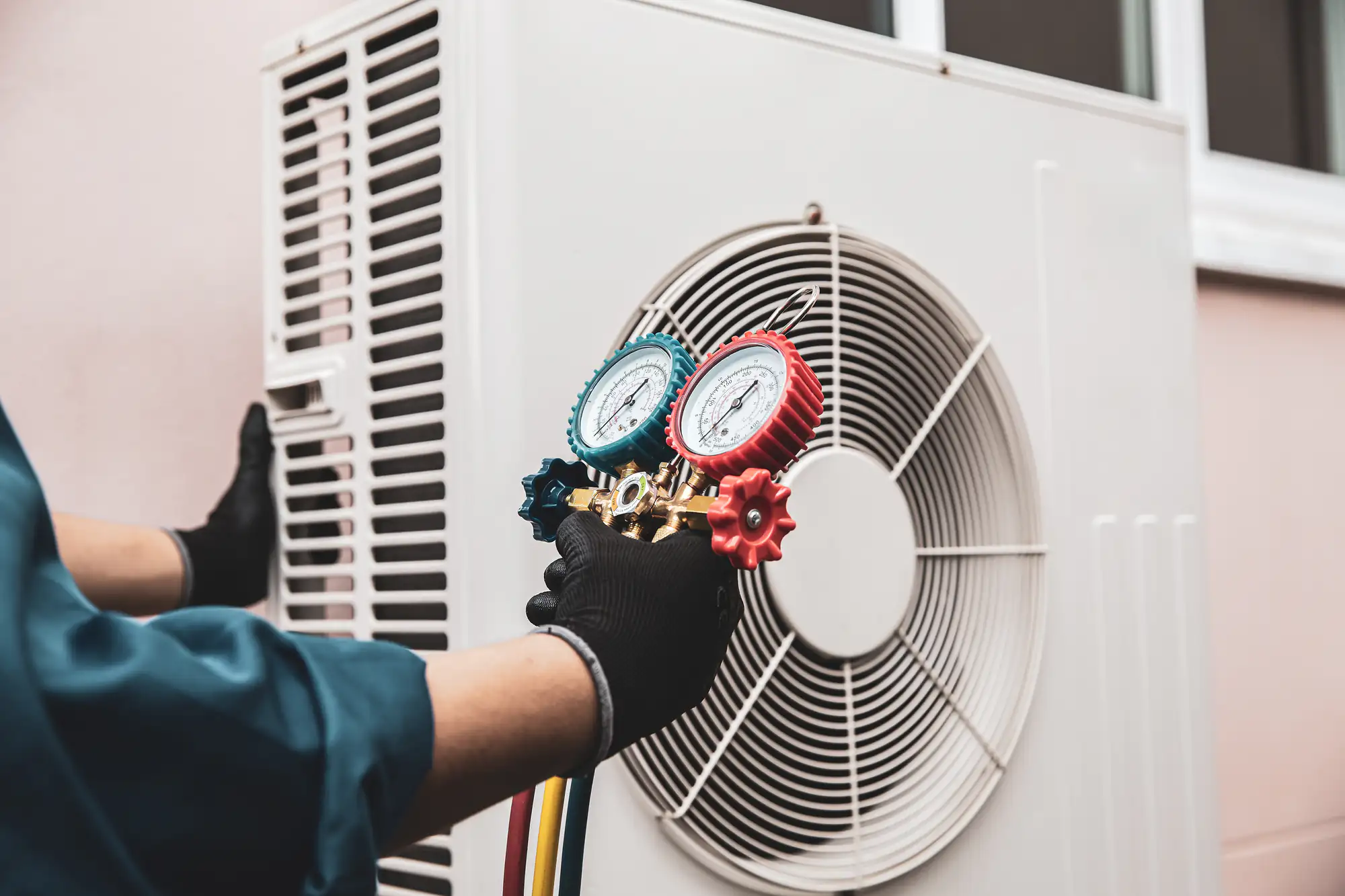
When we come out to a Hampton Beach property for a boiler cleaning and inspection, the process covers the full system not just the mechanical unit. That distinction matters, because most HVAC companies stop at the boiler itself. The chimney flue, the liner, the exhaust pathway from the combustion chamber to the chimney top that’s the part that general heating contractors don’t touch, and it’s the part most likely to show problems in a coastal home that’s been sitting unused.
The visit starts with a full visual inspection of the boiler, the connections, and the flue. We’re looking for corrosion, blockages, and any signs of deterioration that salt air and seasonal vacancy tend to accelerate. From there, the heat exchanger and burners get cleaned removing the soot buildup that’s been sitting since the last heating season.
A combustion analysis follows, checking that the air-to-fuel ratio is dialed in correctly for your oil system. Then the flue gets cleaned and inspected for obstructions. If there’s a nest and with the wildlife activity around the Amagansett National Wildlife Refuge and Double Dunes Preserve, it’s not uncommon that gets removed too.
The work typically takes one to two hours for most residential systems. Before we leave, you’ll know exactly what was found, what was done, and whether anything needs attention. No vague reports, no pressure just a clear picture of where your system stands.

Ready to get started?
The boiler cleaning service we provide in Hampton Beach covers everything from the burner to the chimney cap. That means cleaning the heat exchanger, burners, and ignition system; checking and adjusting combustion for your oil-fired system; inspecting and cleaning the flue; testing safety controls and pressure valves; and removing any obstructions including animal nests from the exhaust pathway. Every component gets looked at. Nothing gets skipped because it’s inconvenient to access.
For Hampton Beach homes specifically, the inspection pays particular attention to the chimney liner and flue components. Salt-laden ocean air accelerates metal corrosion at a rate that inland homeowners simply don’t deal with. A liner that might hold up for two decades in a western Long Island community can show significant deterioration in half that time in an oceanside environment. Catching that early before it becomes a safety issue or a system failure is exactly what the annual inspection is designed to do.
All materials we use in any repair or installation are UL listed and meet Town of East Hampton building code requirements. We also handle commercial boiler cleaning for properties in the area. Whether it’s a year-round residence, a seasonal home, or a commercial building along the Route 27 corridor through Amagansett, the scope of service is the same: a complete, honest assessment and a clean system you can rely on.
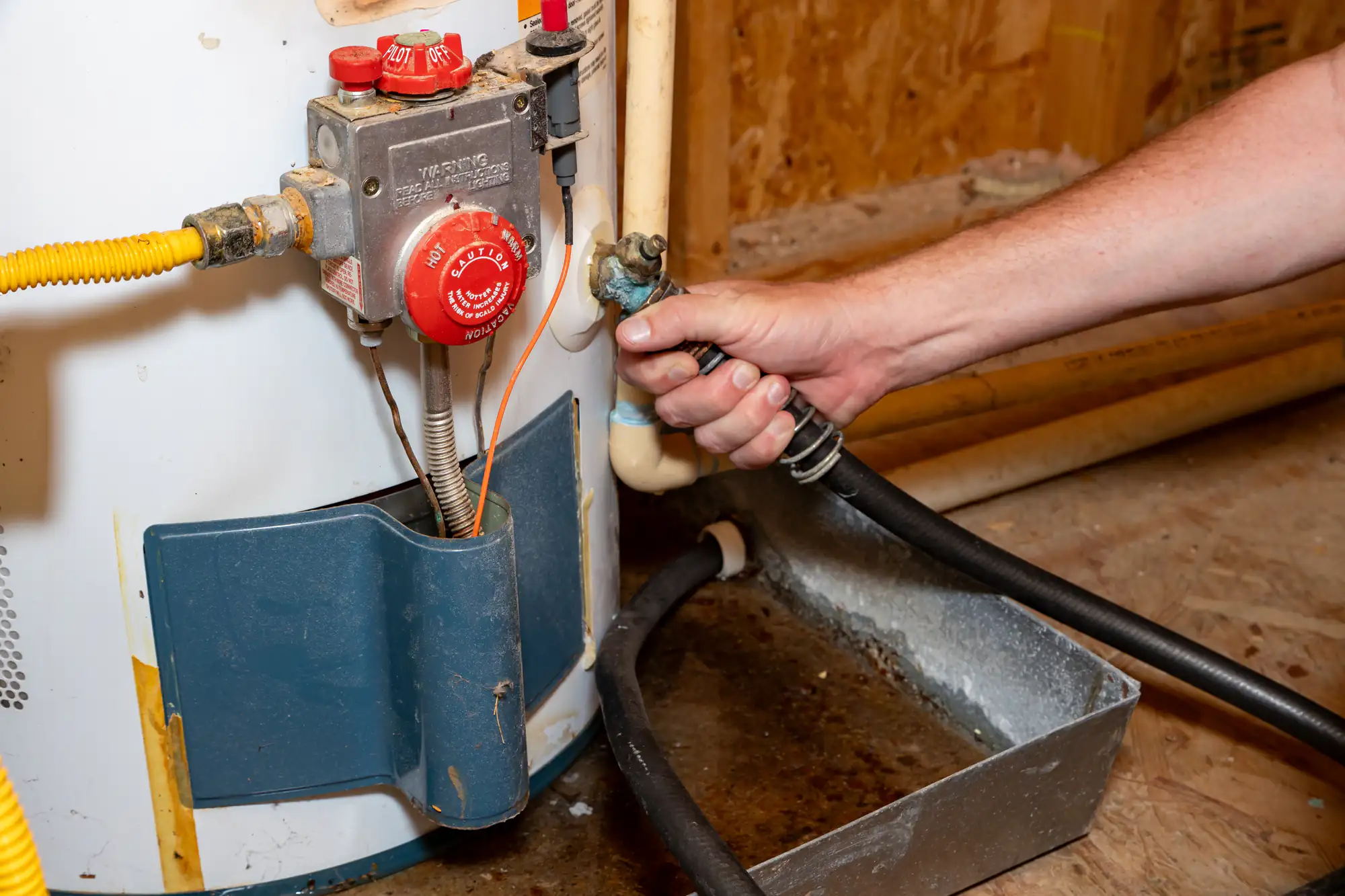
Yes and honestly, a boiler that’s been dormant for several months may need more attention than one that ran all winter. When an oil-fired system sits unused, the soot and combustion residue from the previous heating season stays exactly where it settled. That buildup doesn’t dissipate on its own. Meanwhile, the flue that was venting hot combustion gases all winter goes cold and collects condensation, which accelerates corrosion in the liner and exhaust components.
For a Hampton Beach home that’s only used seasonally, there’s an additional layer to consider: wildlife. The Amagansett National Wildlife Refuge and the Double Dunes Preserve border this community, and an unused chimney flue is prime nesting territory for birds and other animals from late spring through early fall. A blocked flue on an oil boiler isn’t just an efficiency problem it’s a carbon monoxide risk. Getting the system cleaned and inspected before your first cold-weather visit isn’t optional maintenance. It’s how you make sure the heat actually works when you need it.
Salt air is hard on metal and a boiler flue or chimney liner is exposed to it constantly in Hampton Beach. The corrosive effect of ocean air on metal components is well documented, and it doesn’t take decades to show up. A chimney liner that might last twenty years in an inland Suffolk County community can show significant deterioration in ten years or less when it’s sitting in a coastal environment with consistent salt air exposure.
What this means practically is that annual inspection isn’t just a routine box to check it’s genuinely necessary to catch salt-accelerated corrosion before it compromises the integrity of the flue or the liner. During a boiler cleaning visit, we inspect the liner and exhaust components specifically for this type of deterioration. If a stainless steel liner replacement is needed, we use only UL-listed materials that meet Town of East Hampton code requirements. Catching a liner problem early before it becomes a safety hazard or a full system failure is far less disruptive and far less expensive than addressing it after the fact.
This is one of the most common points of confusion for homeowners in Hampton Beach and across the East End. Your oil delivery company or the technician they send for a burner tune-up services the mechanical burner unit. They check and adjust the burner, replace the nozzle and filter, and make sure the combustion side of the unit is operating. That’s valuable, but it stops at the boiler itself.
What they don’t do is clean the chimney flue, inspect the liner, or clear the exhaust pathway from the boiler to the chimney top. That’s a separate service requiring chimney expertise not just HVAC credentials. The flue is where soot accumulates, where obstructions form, and where corrosion from salt air and condensation develops over time. A boiler can be perfectly tuned at the burner and still have a partially blocked or deteriorating flue that’s reducing efficiency and creating a safety risk. We cover both sides of the system the boiler unit and the full chimney exhaust pathway which is what a complete annual boiler cleaning service actually looks like.
For a seasonal home in Hampton Beach, annual boiler cleaning is the right interval and the timing matters. The best window is fall, ideally before you start relying on the heat for weekend visits or extended stays. September through November is when our schedule fills fastest on the East End, so booking early in that window gives you the most flexibility.
If your property sits completely unused from late spring through early fall, you’re dealing with a system that hasn’t run in six or more months by the time you need it. That’s a longer dormancy period than most year-round homes experience, which means more opportunity for soot to harden, condensation to cause corrosion, and wildlife to take up residence in the flue. Annual service before the heating season addresses all of those issues at once. Some Hampton Beach homeowners who use their properties year-round choose to schedule in late summer instead the boiler isn’t running, so there’s no disruption to service, and any issues can be addressed before the cold weather arrives.
Yes, and it’s one of the more serious risks associated with skipping annual boiler cleaning. When the flue is partially blocked whether from soot buildup, a collapsed liner section, or a nest in the exhaust pathway combustion gases don’t vent properly. Instead of exiting through the chimney, they can back-draft into the living space. Carbon monoxide is colorless and odorless, so there’s no warning before it becomes dangerous.
Oil-fired boilers, which are the dominant heating system in Hampton Beach given the East End’s lack of natural gas pipeline infrastructure, produce more combustion byproducts per season than gas systems. That means soot accumulates faster, and the risk of a partially blocked flue develops more quickly if the system goes without cleaning. New York State requires carbon monoxide detectors in residential properties, and that’s a meaningful layer of protection but a functioning detector doesn’t fix a blocked flue. It just alerts you after the problem has already developed. Annual boiler flue cleaning is how you prevent the blockage from occurring in the first place.
For most homeowners, skipping a year feels low-stakes. The boiler still runs, the heat still comes on, and nothing dramatic happens. But what’s happening inside the system tells a different story. Research on boiler combustion efficiency shows that just one millimeter of soot on the heat transfer surfaces can raise flue gas temperatures by 20 to 25 degrees Celsius and reduce efficiency by 3 to 4 percent. In an oil-heated home in Hampton Beach where you’re paying for every gallon of fuel delivered by truck that efficiency loss shows up directly in your heating costs every season.
The compounding factor in a coastal seasonal home is that a skipped year often becomes 18 months or more between cleanings, because the system was dormant for half the year before and after the gap. That’s a longer accumulation window than most year-round homes experience. Soot and corrosion don’t reset between seasons they build on whatever was left from the year before. The cost of an annual boiler cleaning is a fraction of what an emergency repair call or an early system replacement costs, and for a property of the value that Hampton Beach homes carry, that’s a straightforward calculation.
Other Services we provide in Hampton Beach