
Living on a barrier island surrounded by Reynolds Channel means your home takes on salt air from every direction, every single day. That constant coastal exposure doesn’t just affect your siding or roof it works its way into metal components throughout your heating system, accelerating corrosion in places you can’t easily see.
We catch that wear before it turns into a failure at the worst possible time. A thorough annual boiler cleaning removes the soot and combustion deposits that build up with every heating cycle. A layer just 1mm thick on your boiler’s heat transfer surfaces can reduce efficiency by 3 to 4 percent and in a home that relies on oil heat, that inefficiency shows up directly in your fuel costs every month you let it go.
For Harbor Island residents who replaced their heating systems after Hurricane Sandy, a lot of those systems are now 10 to 13 years old and entering the phase where annual maintenance isn’t optional anymore. It’s what separates a boiler that runs reliably for another decade from one that gives out mid-January when you need it most.
We’ve been recognized by both Angie’s List and the BBB with an “A” rating for six consecutive years. That’s not a one-time snapshot it’s a track record built on showing up on time, doing the work right, and leaving the property exactly as clean as we found it.
We already serve Island Park and Long Beach, the communities right next door to Harbor Island. We know the barrier island geography, the access patterns off Long Beach Road, and the specific challenges that coastal properties face. We’re Nassau County licensed, fully insured, and carry workers’ compensation the credentials that any homeowner should verify before letting a contractor through the door.
When we tell you that you don’t actually need a service you called about, that’s the kind of honesty that earns long-term trust in a tight-knit community like Harbor Island.

It starts before we even touch the boiler. A full visual inspection of the system covers the boiler itself, the piping, and the connections looking for corrosion, leaks, and anything that’s showing wear. In a coastal environment like Harbor Island, where salt air accelerates metal deterioration, this inspection step matters more than it does in an inland home.
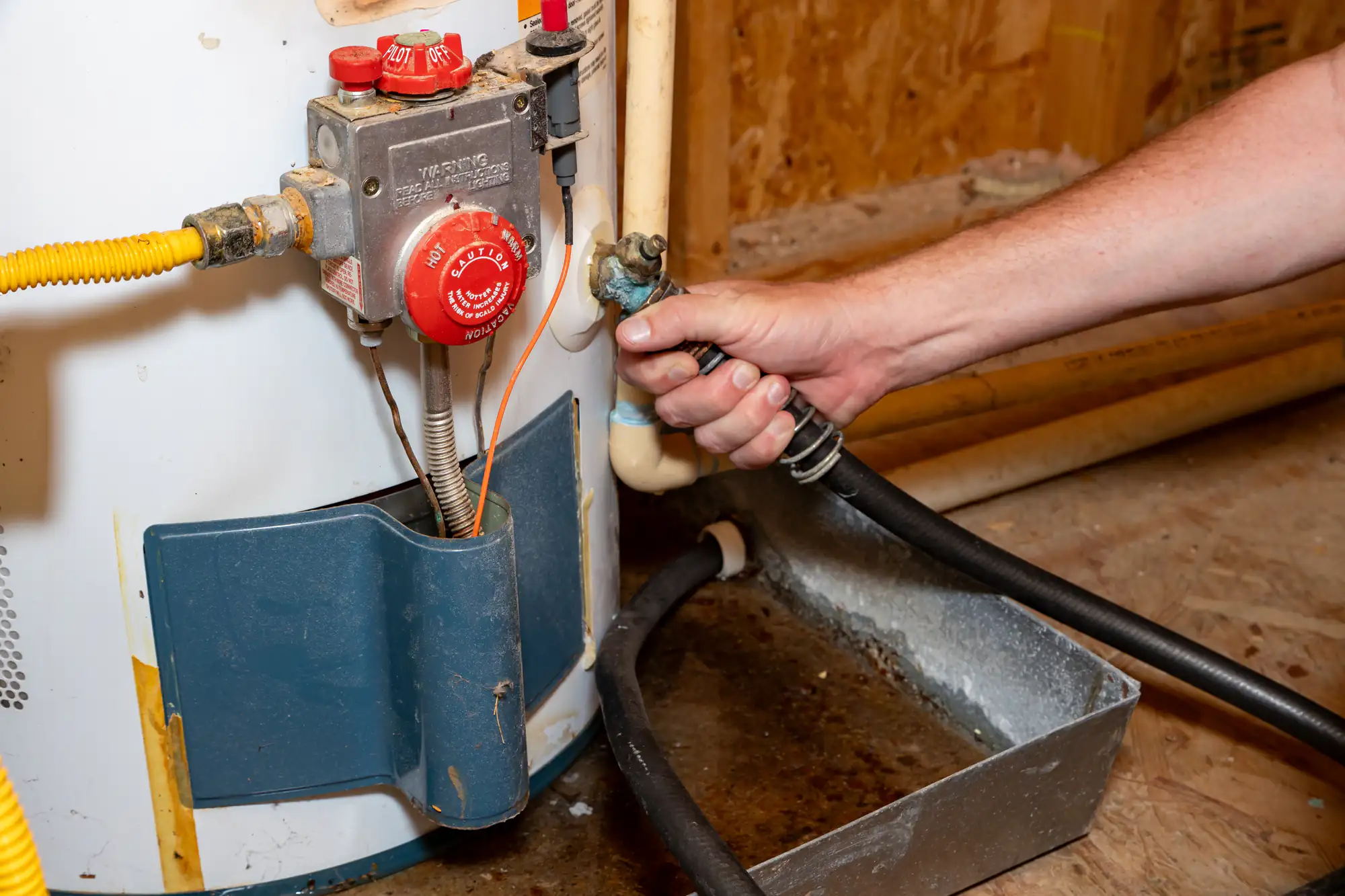
From there, we clean the heat exchanger, burners, and ignition system removing the soot and combustion deposits that reduce how efficiently your system transfers heat. We work through the entire exhaust pathway, from the burner box up through the chimney, because a blocked or deteriorated flue is just as much a problem as a dirty burner.
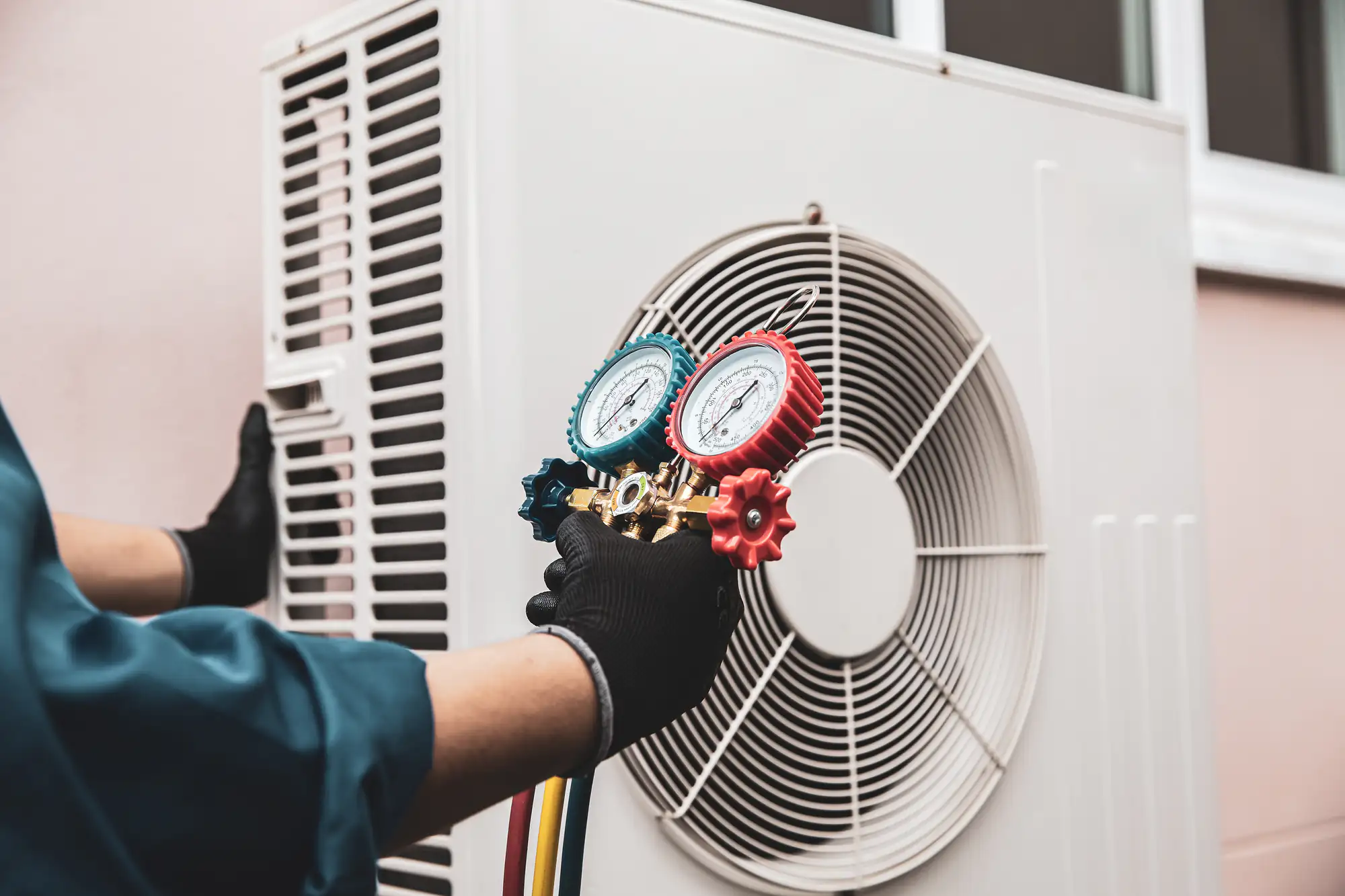
The visit wraps up with a combustion analysis to confirm the air-to-fuel ratio is dialed in, a check of all safety controls including pressure valves and shutoffs, and a written summary of anything that needs attention. Most residential jobs take about one to two hours.

Ready to get started?
Most heating companies clean the mechanical unit and call it done. We cover the complete system burner cleaning, heat exchanger cleaning, flue inspection, chimney cleaning, safety control testing, combustion analysis, and a check of gas or oil pressure levels. Every component that affects how your boiler runs and how safely it vents combustion gases gets attention in a single visit.
For Harbor Island specifically, that full-system approach matters more than it would in an inland Nassau County town. The chimney caps, flashing, and liner systems on barrier island homes take direct weather exposure wind off Reynolds Channel, salt spray, and the kind of coastal moisture that degrades materials faster than a standard Long Island winter would. An inspection that only looks at the burner misses the part of the system that coastal conditions hit hardest.
All materials we use in any repairs or installations are UL listed and meet Nassau County code requirements. We hold the county-specific licensing required for work in Nassau County not a generic statewide credential, but the actual county-level license that the Town of Hempstead jurisdiction requires. If your oil delivery company flagged a chimney or flue issue during a recent service visit, we’re the call you make next.
Once a year is the standard recommendation, and for Harbor Island homes it’s genuinely the minimum rather than a conservative suggestion. The combination of oil heat which is still common throughout the Island Park and Harbor Isle corridor and year-round salt air exposure from Reynolds Channel means your system is dealing with two different sources of buildup and corrosion simultaneously.
Oil boilers accumulate soot and combustion deposits with every heating cycle, and the coastal environment accelerates wear on metal components in the flue and chimney system. Most boiler manufacturers require annual professional service to keep the warranty valid. Skipping a year doesn’t just mean deferred maintenance it can void your coverage entirely.
Scheduling in late summer or early fall, before the heating season starts, gives you the best appointment availability and makes sure any issues get resolved before you actually need the heat.
This is one of the most common points of confusion for homeowners, and it’s worth being direct about. When your oil delivery company services your system, they’re typically focused on the burner unit the mechanical component that ignites and burns the fuel. That’s useful, but it’s only part of the picture.
A full professional boiler cleaning covers the heat exchanger, the combustion chamber, the flue, and the chimney exhaust pathway. Those are the components that accumulate soot, develop corrosion from acidic combustion byproducts, and in a waterfront home like those on Harbor Island take the added stress of salt air and coastal moisture. If your oil company flagged a chimney issue, a blocked flue, or unusual soot buildup during their visit, that’s because they found the edge of what they handle.
The chimney and flue side of the system is a separate, specialized service, and it’s exactly what we’re set up to address.
Yes, and it’s worth understanding why rather than just accepting it as a warning. When soot and combustion deposits accumulate in a boiler’s heat exchanger or block the flue pathway, the system can’t vent combustion gases properly. Carbon monoxide which is produced any time fuel burns has nowhere to go except back into the living space. It’s colorless and odorless, so there’s no way to detect it without a working CO detector or a professional inspection.
A partially blocked flue is particularly concerning because the system may still appear to be running normally. The boiler fires, the heat comes on, everything seems fine but the exhaust pathway is compromised. In a tightly insulated home, which describes a lot of the renovated and rebuilt properties on Harbor Island post-Sandy, that risk is more acute because there’s less natural air exchange to dilute what’s accumulating.
Annual cleaning and flue inspection is the most direct way to keep that risk off the table.
Absolutely, and the timing actually makes this question especially relevant for Harbor Island. A lot of the systems that were replaced in 2013, 2014, or 2015 following Sandy damage are now between 10 and 13 years old. That’s the phase of a boiler’s lifecycle where annual maintenance stops being a manufacturer recommendation and starts being what keeps the system running reliably versus what leads to an expensive failure.
Newer systems can also create a false sense of security. The boiler was replaced, it ran fine for several years, and it’s easy to assume it’s still in good shape. But soot builds up regardless of system age, and a boiler that’s been running through Long Island winters for a decade has accumulated real wear especially if the chimney liner or flue system wasn’t fully evaluated when the boiler was installed.
If you’re not sure when the last professional cleaning was done, that’s reason enough to schedule one now.
Annual boiler cleaning and service in the New York area generally runs between $200 and $500, depending on the scope of work, the type of system, and what the inspection turns up. That range covers a full cleaning of the burner and heat exchanger, flue inspection, combustion analysis, and safety control checks the complete service, not just a surface-level visit.
The more useful comparison isn’t between cleaning companies it’s between the cost of annual maintenance and the cost of what happens when you skip it. Boiler component repairs on Long Island can run $400 to $900 for a pump replacement or $350 to $700 for a zone valve. A full boiler replacement runs $5,500 to $15,000 installed.
Against those numbers, a yearly cleaning is straightforward math. We provide a clear estimate before any work begins, so there are no surprises when the job is done.
New York doesn’t operate on a single statewide contractor license for chimney and boiler work. Nassau County has its own licensing requirements, and so does Suffolk County and Queens. Harbor Island sits within the Town of Hempstead in Nassau County, which means the contractor you hire needs to hold Nassau County credentials specifically.
This matters beyond the paperwork. A Nassau County license requires carrying both liability insurance and workers’ compensation two things you should verify before any contractor enters your home. If something goes wrong during the job and the company isn’t properly licensed and insured for Nassau County, you’re the one left holding the liability.
We hold the county-specific licensing for Nassau County, carry both forms of coverage, and use only UL-listed materials on every installation. Those aren’t extras they’re the baseline for work done correctly and legally in Harbor Island.
Other Services we provide in Harbor Island