


When soot builds up on the heat transfer surfaces inside your boiler, your system works harder to produce the same amount of heat. Research shows that just a millimeter of soot can drop boiler efficiency by three to four percent and push flue gas temperatures up by as much as twenty-five degrees.
For a home in Hardscrabble running on oil heat which is the norm out here on the East End, where natural gas infrastructure is limited that inefficiency shows up directly on your fuel bill every single month. The homes in the Wainscott area have a median build year of 1990, which means a lot of boilers and chimney systems in this community are thirty-plus years old.
At that age, annual professional cleaning isn’t optional maintenance it’s the difference between a system that keeps running and one that fails on a January night when the temperature is dropping toward the twenties. The coastal exposure along Route 27 doesn’t soften those nights much.
What you get after a proper boiler cleaning is straightforward: better heat output, lower fuel consumption, and a system that’s been checked by someone who knows what they’re looking at. You also get documentation that your boiler was professionally serviced which matters if you ever need to make a warranty claim, or if your property is used seasonally and you want proof the system was inspected before you handed over keys.
Ageless Chimney has earned Angie’s List awards and a BBB “A” rating for six consecutive years. That’s not a one-time snapshot it’s a track record built across hundreds of jobs, verified by two independent platforms, and sustained year after year.
In a market like Hardscrabble and the broader East Hampton area, where homeowners have high expectations and long memories, that kind of consistency carries real weight. What separates us from the HVAC and plumbing companies serving Wainscott is scope. Companies like Weber & Grahn and Hardy Plumbing are solid at what they do, but they service the mechanical boiler unit. They don’t clean chimney flues, inspect liners, or address the exhaust pathway that runs from your boiler through your chimney system.
We do. That full-system approach licensed for Suffolk County, carrying both liability insurance and workers’ compensation is what makes the difference for homes out here. We also have a documented reputation for honest diagnosis. If a technician shows up and your system doesn’t need a particular service, we’ll tell you. That’s not a small thing in a market where some contractors treat Hamptons zip codes as an invitation to expand the scope of work.
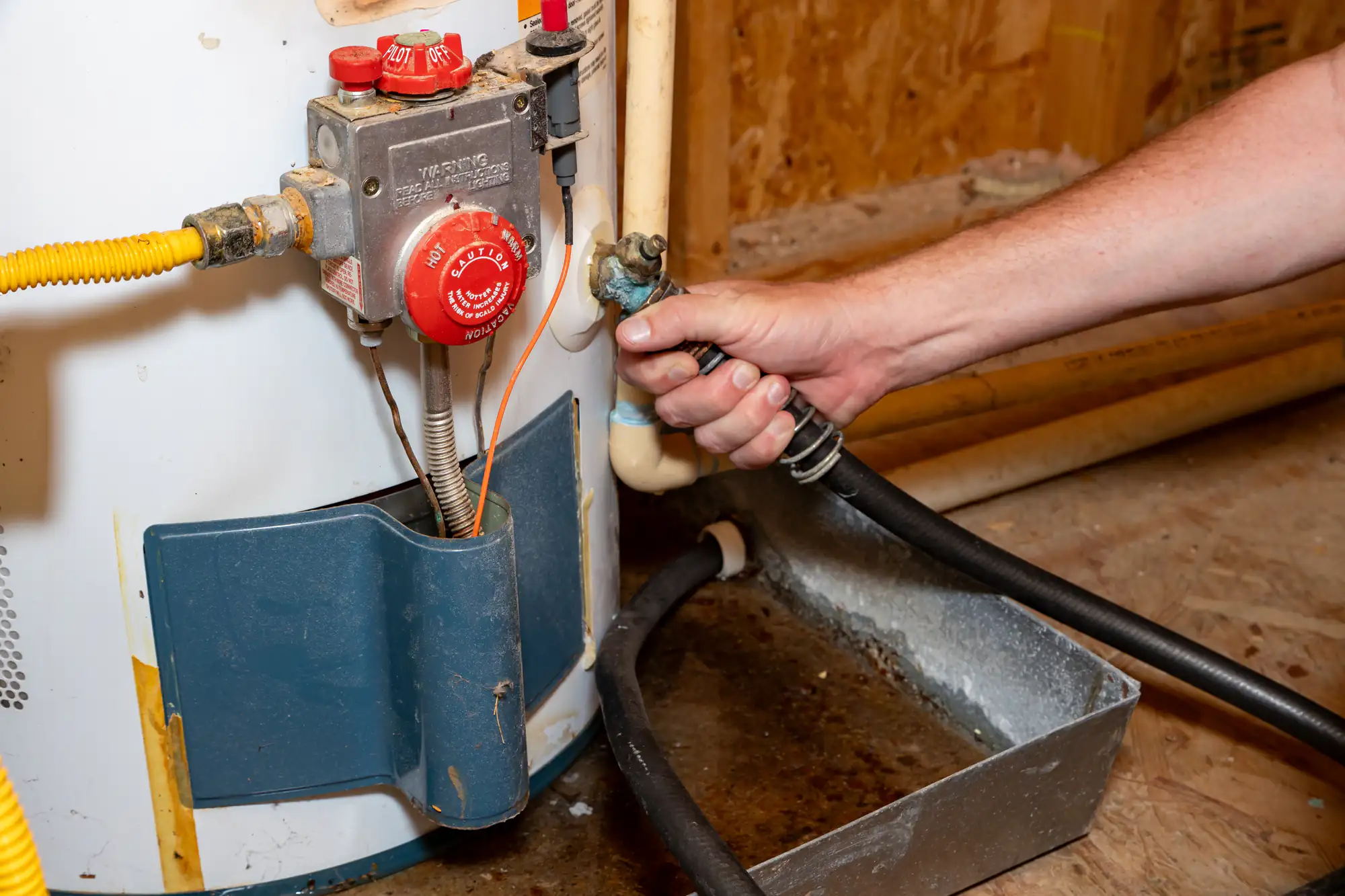
When our technician arrives at your Hardscrabble property, the first thing that happens is a full visual inspection the boiler, the piping, the connections, and the chimney system. This isn’t a quick glance. It’s a systematic check for corrosion, leaks, blockages, and anything that could affect safe operation or efficiency.
For homes in the Wainscott area with systems built in the late eighties or nineties, this inspection step often surfaces things that have been quietly developing for years. From there, the cleaning itself covers the heat exchanger, burners, and ignition components removing the soot and combustion debris that accumulate with every heating cycle.
The chimney flue gets cleaned separately, which is the part most HVAC companies skip entirely. A combustion analysis follows, measuring the air-to-fuel ratio and confirming the system is burning cleanly and efficiently. Safety controls pressure valves, thermostats, seals, and shutoffs are tested before our technician leaves.
For most residential systems, the full process takes roughly one to two hours. You don’t need a permit for routine annual boiler cleaning in East Hampton Town, but any liner replacement or structural chimney work that comes out of the inspection would go through the East Hampton Town Building Department. If repairs are needed, you’ll get a clear explanation of what was found and what it would take to fix it before any additional work begins. No surprises.

Ready to get started?
Boiler cleaning in Hardscrabble means something more specific than it does in a lot of other Long Island communities. Out here on the South Fork, oil heat is standard and oil-fired systems produce more combustion byproducts than gas, which means the soot and residue that accumulate in the flue and on the heat exchanger build up faster and with more intensity.
A cleaning that only addresses the burner unit and ignores the chimney side of the system isn’t a complete job. Our boiler cleaning service covers the full exhaust pathway: burner and heat exchanger cleaning, flue cleaning, combustion analysis, safety control testing, and a thorough inspection of the chimney liner and cap.
If there’s a nest or obstruction in the flue something that happens more often in the quieter, more wooded stretches of Wainscott than in dense suburban neighborhoods that gets addressed too. All materials used in any repairs or installations are UL listed and up to code, which matters when you’re dealing with a Suffolk County property.
For homeowners who use their Hardscrabble property seasonally, the service also creates a written record that the system was professionally inspected and cleaned. That documentation is useful for warranty purposes, for rental liability, and simply for the peace of mind of knowing your home’s heating system was looked at by someone qualified to evaluate the whole picture not just the mechanical box in the basement.
Once a year is the standard, and the timing matters. The best window for Hardscrabble and the broader Wainscott area is late summer or early fall before the heating season begins in earnest. Scheduling in September or October means your system is clean and inspected before it starts running daily, and any issues found during the visit can be addressed while there’s still time to get parts and schedule follow-up work before the cold sets in.
If your property sits empty during part of the year, that timing becomes even more important. A boiler that hasn’t been cleaned going into a winter where no one is regularly on-site is a real risk. Annual cleaning before the heating season is the most straightforward way to protect the property and avoid an emergency call in the middle of January. Most boiler manufacturers also require annual professional service to keep the warranty valid skipping a year doesn’t just create a maintenance gap, it can void your coverage entirely.
It’s related, but it’s not the same thing. When your oil delivery company services your burner, they’re focused on the mechanical unit the nozzle, the fuel pump, the ignition, the filters. That’s valuable work, and it keeps the burner itself running efficiently. What it doesn’t cover is the chimney side of the system: the flue, the liner, the exhaust pathway that carries combustion gases out of your home.
On the East End, where oil heat is the dominant fuel type and many homes have chimney systems that are thirty or more years old, the flue and liner are where serious problems tend to develop quietly. Soot accumulation in the flue restricts airflow and reduces efficiency. A cracked or deteriorating liner can allow combustion gases including carbon monoxide to migrate into living spaces rather than venting outside. We’re equipped and certified to address those issues. The two services complement each other; they don’t substitute for one another.
Yes, and it’s worth understanding how. Carbon monoxide is produced any time a fuel burns incompletely. When soot and debris accumulate on the heat exchanger and burner components, combustion becomes less efficient meaning more CO is produced per heating cycle. When the chimney flue is partially blocked or the liner is compromised, those gases don’t vent properly and can back-draft into the living space.
For older homes in Hardscrabble and Wainscott many of which were built in the late eighties and early nineties with chimney systems that have seen thirty-plus years of use both of these conditions are real possibilities, not theoretical ones. The demographic reality of this community also matters here: with a median age of 65.2 years, many residents fall into the age group that is most vulnerable to the effects of carbon monoxide exposure. Annual professional boiler cleaning, including a full flue inspection, is one of the most direct steps you can take to reduce that risk. A CO detector is not a substitute for a clean, properly venting system.
A tune-up typically refers to the adjustment and calibration side of the service setting the air-to-fuel ratio, checking gas or oil pressure, testing safety controls, and making sure the system is operating at its designed efficiency. It’s diagnostic and corrective. A full boiler cleaning goes further: it physically removes the soot, scale, and combustion byproducts that have built up on the heat exchanger, burners, and inside the flue.
For oil-fired systems, which are standard across the East End including Hardscrabble and the surrounding Wainscott area, the cleaning component is particularly important. Oil combustion leaves more residue than gas, and that residue accumulates on heat transfer surfaces in ways that meaningfully reduce efficiency over a single heating season. The most complete service combines both: the physical cleaning of the system and the combustion analysis and adjustment that confirms it’s running correctly afterward. That’s what our professional boiler cleaning service includes not one or the other, but the full picture.
Yes. We serve Nassau County, Suffolk County, and Queens, and Hardscrabble located within the Wainscott CDP in the Town of East Hampton falls squarely within our service area. We hold Suffolk County licensing specifically, which is the applicable credential for work performed in this part of Long Island. East Hampton Town has its own building department and permitting requirements for structural chimney work, and we operate in compliance with those requirements.
The East End is not a market where every Long Island contractor is willing to travel. We do make the trip, including for emergency calls. If your boiler goes down on a cold night and you’re out on Route 27 in Wainscott with no heat, our 24/7 emergency service line is a real option not a voicemail that gets returned the next business day. For second-home owners who aren’t always on-site, that kind of availability matters in a way that’s hard to put a number on.
The most important things to verify are Suffolk County licensing, liability insurance, and workers’ compensation coverage. These aren’t suggestions they’re the baseline for any legitimate contractor working in East Hampton Town. Ask for a Certificate of Insurance before any work begins, not just a verbal confirmation. If a company hesitates to provide documentation, that’s a clear signal to keep looking.
Beyond the legal minimums, CSIA certification from the Chimney Safety Institute of America is the credential that separates chimney specialists from general HVAC contractors. The CSIA maintains a public lookup tool where you can verify a technician’s certification status directly. None of the local HVAC and plumbing companies serving the Wainscott area hold this credential. It’s specific to chimney professionals, and it requires passing a rigorous exam along with ongoing continuing education. When you’re dealing with a thirty-year-old chimney system on a high-value East End property, the difference between a certified chimney specialist and a general heating contractor is not a minor distinction it’s the difference between a complete inspection and a partial one.
Other Services we provide in Hardscrabble