



Most homeowners in Islip Manor don’t notice anything wrong until the heating bill climbs or the heat stops working on the coldest night of the year. By that point, the damage is already done or at least, the inefficiency has been running unchecked for months. A professionally cleaned boiler runs the way it’s supposed to: burning fuel completely, moving heat efficiently, and exhausting combustion gases safely out of your home.
For homes along the South Shore, that last part matters more than people realize. Islip Manor sits close to the Great South Bay, and the salt-laden coastal air that rolls in off the water doesn’t just affect your car or your gutters it corrodes metal chimney components, degrades liner joints, and accelerates wear on the exhaust pathway your boiler depends on. Annual boiler cleaning gives you a chance to catch that kind of damage before it becomes a repair bill.
The other piece that’s specific to this area is the housing stock itself. Most homes in Islip Manor were built in the 1940s and 1950s, which means oil-fired boilers and original or early-replacement chimney flues are still common. These older systems accumulate soot faster, and a single millimeter of buildup on heat transfer surfaces is enough to drop efficiency by 3 to 4 percent. Over a full heating season running from October through March, that adds up to real money spent on oil you didn’t need to burn.
We’ve been recognized by both the Better Business Bureau and Angie’s List as an award-winning company for six consecutive years. That kind of track record doesn’t come from good marketing it comes from showing up on time, doing the job right, and leaving the property exactly as clean as it was before our crew arrived. Those are the things that actually drive repeat calls and referrals, and that’s what we’ve built our reputation on across Long Island.
Serving Suffolk County homeowners is a significant part of what we do, and the South Shore communities Islip, East Islip, Bay Shore, Great River are areas we know well. The older homes, the oil heat, the bay-adjacent conditions: none of that is unfamiliar territory. When our technician walks into a 1950s Islip Manor home with a cast-iron boiler and a flue that hasn’t been looked at in years, we’ve seen that situation before and we know exactly what to check for.
We hold the Suffolk County licensing required to work legally in this area, carry both liability insurance and workers’ compensation, and use only UL-listed materials on every job.
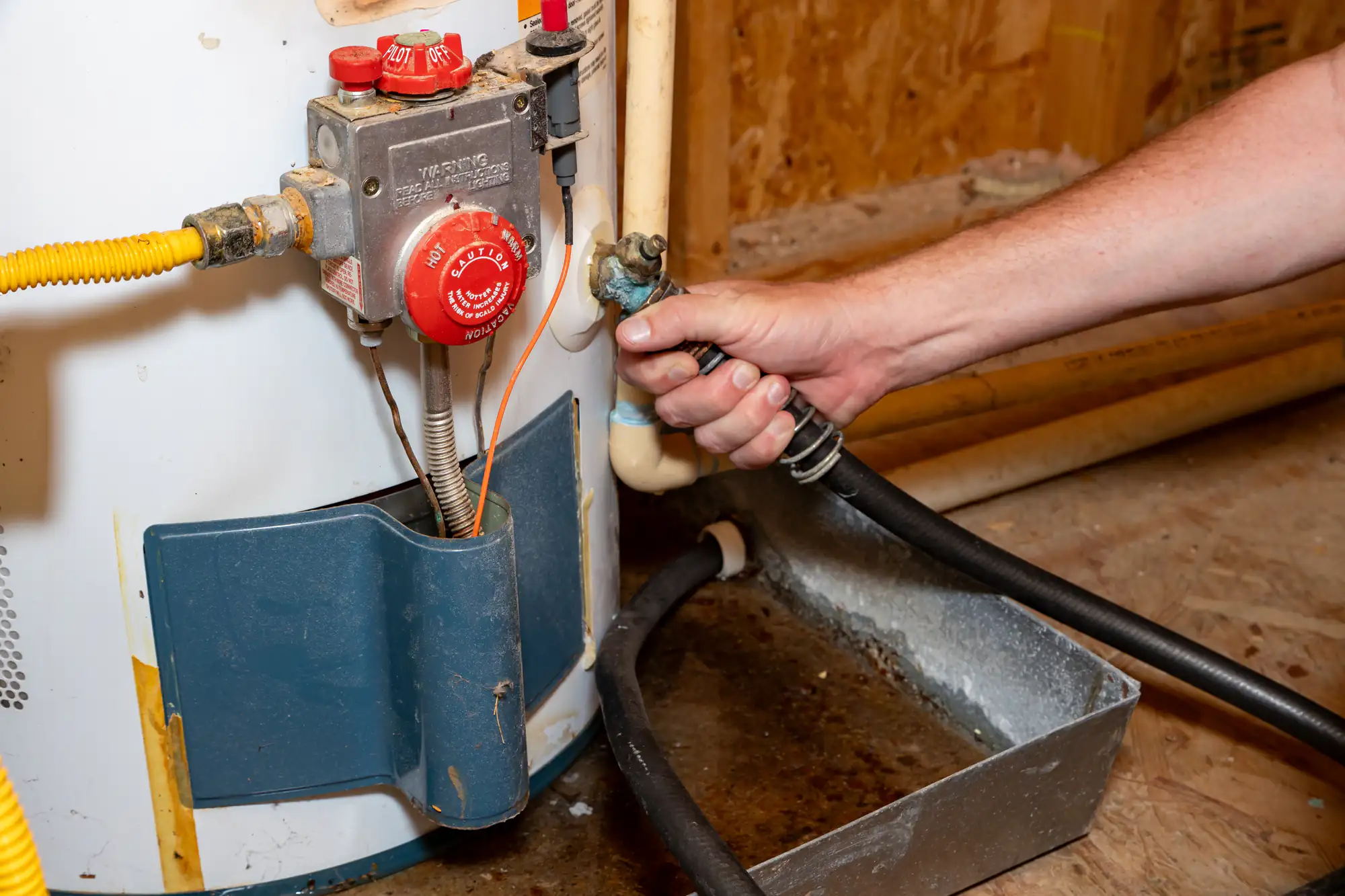
When one of our technicians arrives at your Islip Manor home, the first thing we do is a full visual inspection not just the boiler unit itself, but the entire exhaust system connected to it. In a postwar South Shore home, that means checking the flue liner condition, looking for soot or debris buildup in the chimney, and assessing any signs of corrosion that coastal air exposure may have accelerated over time. You get an honest picture of what’s there before any cleaning begins.
From there, the actual cleaning covers the heat exchanger, burners, and ignition components the parts that determine how efficiently your boiler is burning fuel. The chimney flue gets cleaned out as well, which is the step most HVAC-only companies skip entirely. Soot, debris, and in some cases nest material from the off-season all get removed. If there’s a blockage in the exhaust path, it gets cleared. This is the part that separates a full boiler chimney cleaning from a basic tune-up.
Once the cleaning is done, our technician checks safety controls, tests pressure valves, and verifies that combustion gases are venting properly through the flue. You’ll know what was found, what was cleaned, and whether anything needs follow-up. There’s no pressure if something doesn’t need to be done, we’ll tell you that too. Scheduling before the heating season starts in October is the easiest way to avoid the fall rush, but we offer 24/7 emergency service for situations that can’t wait.

Ready to get started?
What we provide in Islip Manor isn’t a boiler tune-up in the traditional HVAC sense. It’s a complete boiler chimney cleaning that covers the mechanical unit and the entire exhaust pathway from the burner through the flue to the chimney cap. For a South Shore home with an oil boiler, that distinction is significant. Oil combustion produces more soot than gas, and that soot travels up through the flue and into the chimney with every heating cycle. Cleaning only the burner and leaving the flue untouched means half the job is still sitting there.
For Islip Manor homeowners dealing with aging chimney liners common in homes built in the 1940s and 1950s the inspection component is just as important as the cleaning itself. A cracked or deteriorating tile liner can allow combustion gases to escape into the home rather than vent safely outside. Our technicians are trained to identify this kind of wear and report it accurately, without inflating the scope of work. If your liner is fine, you’ll hear that. If it’s not, you’ll get a straight answer about what needs to happen next.
Suffolk County requires chimney contractors to hold a valid Consumer Affairs license to operate legally in this area. We carry that credential, along with liability insurance and workers’ compensation coverage. All materials we use on any installation or repair chimney caps, liner components, or otherwise are UL listed and up to code.

For most homes in Islip Manor, once a year is the right interval and the timing matters. The heating season on the South Shore typically runs from October through March, so scheduling your boiler cleaning in late summer or early fall gives you time to address anything that comes up before you actually need the heat running. If you wait until November, you’re competing with everyone else who also waited, and appointment availability gets tight.
There’s also a local factor worth considering: Islip Manor’s proximity to the Great South Bay means your chimney components are exposed to salt air year-round, which accelerates corrosion in ways that inland communities don’t experience at the same rate. If your home is older built in the 1940s or 1950s, which describes a large portion of the Islip Manor housing stock annual cleaning and inspection is genuinely the minimum, not a conservative suggestion. Older oil boiler systems and aging flue liners don’t give you much margin for skipped maintenance years.
A basic tune-up from an HVAC company typically focuses on the mechanical unit the burner, ignition components, and heat exchanger. That’s useful, but it leaves out the chimney flue, which is the exhaust pathway that carries combustion gases out of your home. Over time, soot, debris, and sometimes nest material accumulate in the flue and reduce the efficiency and safety of the entire system. We cover both sides: the mechanical components and the exhaust pathway from the boiler all the way to the chimney cap.
Our service includes a full visual inspection of the boiler and connected flue system, cleaning of the heat exchanger and burner components, chimney flue cleaning, safety control testing, and a check of pressure valves and seals. If there’s a blockage, it gets cleared. If the liner shows signs of deterioration which is common in older Islip Manor homes with original clay tile flues you’ll hear about it honestly, along with what, if anything, needs to be done.
Yes, and the numbers are more significant than most people expect. When soot builds up on a boiler’s heat transfer surfaces even just a single millimeter’s worth efficiency drops by 3 to 4 percent and flue gas temperatures rise by 20 to 25 degrees Celsius. That means your boiler is working harder and burning more oil to produce the same amount of heat. Over a six-month heating season, that inefficiency adds up.
For Islip Manor homeowners on oil heat, this is a particularly relevant concern. Heating oil prices in Suffolk County fluctuate, and when you’re paying by the gallon through a long winter, you don’t want your boiler burning more than it has to because the heat transfer surfaces are coated in soot from last season. Annual boiler cleaning restores efficiency, which means your system burns fuel more completely and you get more heat per gallon. It’s one of the more straightforward ways to reduce what you’re spending on oil without changing anything else about how you heat your home.
This is one of the most common points of confusion for Long Island homeowners on oil heat. Your oil delivery company or burner service technician focuses on the mechanical boiler unit the burner assembly, fuel delivery components, and ignition system. That’s their area of expertise, and it’s genuinely useful maintenance. What they typically don’t do is clean or inspect the chimney flue: the exhaust pathway that runs from the boiler through the chimney and out of your home.
In an Islip Manor home with an older oil boiler, the flue is carrying decades of soot and combustion byproducts. Even if the burner itself is running well, a partially blocked or deteriorating flue can reduce efficiency, create carbon monoxide risks, and accelerate corrosion in the chimney liner. These are two separate systems requiring two different kinds of expertise. The burner service handles one; a chimney specialist handles the other. We cover the chimney side the part of the system that most oil company service calls don’t touch.
A few things are worth paying attention to. If you notice a sulfur or burnt smell coming from your heating vents or near the boiler room, that can indicate soot or debris buildup in the flue. Visible soot or black residue around the boiler draft hood or exhaust connections is another clear sign. If your heating bills have been creeping up without an obvious explanation, reduced boiler efficiency from soot buildup could be a contributing factor.
For homes in Islip Manor specifically, it’s also worth noting that nor’easters and coastal storms can deposit leaves, debris, and moisture into chimney flues that aren’t capped properly. If your home went through a rough storm season and you haven’t had the flue checked since, that’s worth scheduling before the heating season starts. We can assess the full system and tell you what’s actually there.
Yes. We offer 24/7 emergency service, including for boiler-related calls. On the South Shore in the middle of January, a boiler that stops working isn’t a situation you can schedule around it needs attention the same day, often the same hour. We have documented customer experience with exactly this kind of call: arriving on the same day, in sub-freezing temperatures, and completing the work that night.
For Islip Manor homeowners, that availability is worth knowing about before you need it. The Islip area can see temperatures drop into the low 20s°F during January and February, and an older oil boiler with a blocked or heavily sooted flue is more likely to fail under those conditions than a system that’s been properly maintained. The best outcome is that you schedule your annual boiler cleaning before the heating season and never need to make an emergency call. But if something goes wrong in the middle of a cold snap, we pick up the phone.
Other Services we provide in Islip Manor