


Islip Terrace runs on oil heat. Over 1,100 homes in this community heat with oil and oil combustion is dirtier than gas. Soot and carbon deposits build up faster, restrict airflow through the flue, and quietly drag down your boiler’s efficiency month after month.
A 1mm layer of soot on your heat exchanger surfaces is enough to raise flue gas temperatures by 20 to 25 degrees Celsius and cut efficiency by 3 to 4 percent. That shows up on your fuel bill whether you notice it or not.
After a thorough boiler cleaning, your system runs the way it was designed to. Heat transfer improves, fuel consumption drops, and the exhaust pathway the part most HVAC companies never touch is clear and properly venting combustion gases out of your home. That last part matters more than most people realize. A blocked or partially obstructed flue doesn’t just hurt efficiency; it can push carbon monoxide back into your living space.
For homeowners in Islip Terrace’s mid-century ranch homes and hi-ranch colonials many built in the 1950s and 1960s this kind of full-system cleaning isn’t optional maintenance. It’s what keeps a 60-year-old heating system running safely through another Long Island winter.
We’ve been “A” rated and award-winning on both Angie’s List and the BBB for six consecutive years. That’s not a one-time rating it’s a track record that homeowners across Suffolk County, including right here in Islip Terrace, have helped build through their reviews, referrals, and repeat calls.
We’re based in Levittown and serve the full Town of Islip area via Sunrise Highway the same road that runs through Islip Terrace’s southern edge. Our technicians know this area’s housing stock: the aging oil boilers, the older chimney liners, the systems that have been running since the Kennedy administration. We’ve worked on all of it.
What consistently comes up in customer reviews isn’t just technical competence it’s honesty. Our technicians have told customers they didn’t need a service they called about. In an industry where upselling is the norm, that kind of straight talk is the reason people call back and send their neighbors.
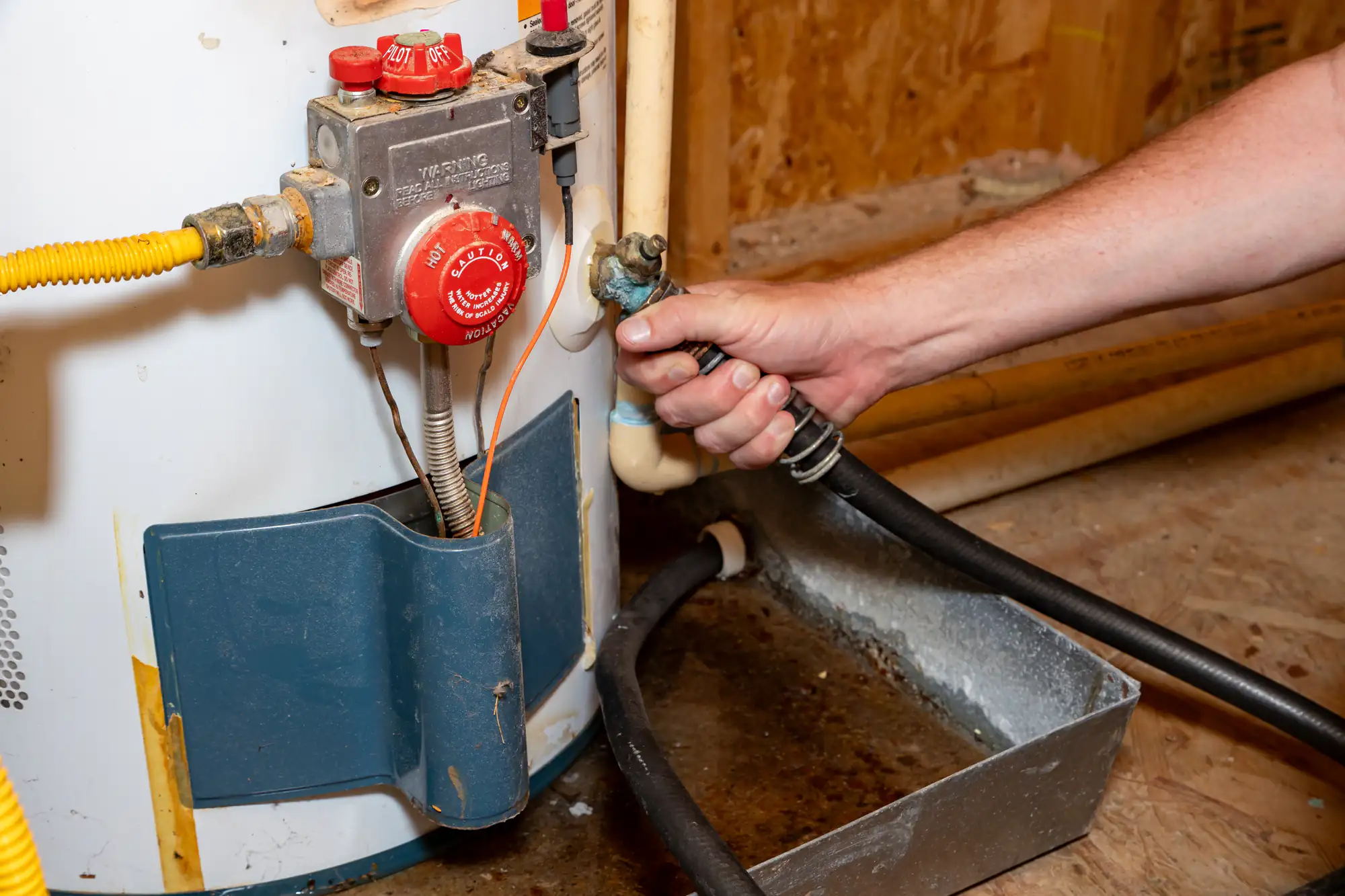
When we arrive at your Islip Terrace home, the first thing we do is look at the whole system not just the burner unit. That means a full visual inspection of the boiler itself, the piping and connections, the heat exchanger, and the flue pathway that carries combustion gases up and out of your home.
In older homes, especially the ranch and hi-ranch builds that make up most of Islip Terrace’s housing stock, this inspection often turns up years of accumulated soot, carbon deposits, or debris that a standard HVAC tune-up would never catch.
From there, the cleaning begins. We clean burners, heat exchanger surfaces, and the ignition system to restore proper heat transfer. The flue is inspected and cleared including any obstruction from wildlife or debris, which is a real consideration for homes near the Connetquot River State Park Preserve that borders the hamlet. A combustion analysis follows, measuring and adjusting the air-to-fuel ratio so your boiler runs at peak efficiency.
Safety controls are tested, gas or oil pressure is verified, and everything is confirmed to be operating within spec. The whole process typically takes around one to two hours for a residential system. When it’s done, you get a clear picture of your boiler’s condition and any repairs worth considering no pressure, no inflated findings, just an honest assessment.
All materials we use are UL listed and up to code, and we carry the Suffolk County licensing required to perform this work legally in Islip Terrace.

Ready to get started?
Most local HVAC companies that offer boiler service in the Islip Terrace area stop at the mechanical unit. The chimney flue, the liner, the exhaust pathway from the boiler to the chimney top: that’s a separate discipline, and it requires chimney expertise, not just HVAC training. We cover both sides of the system in a single visit.
Our service includes cleaning the heat exchanger, burners, and ignition components; a combustion analysis and burner adjustment; flue inspection and cleaning; safety control testing; and a full check of pressure levels, seals, and connections.
For Islip Terrace homes near the wooded edge of the Connetquot River State Park Preserve, we also inspect the chimney top and cap for wildlife nesting and debris accumulation a specific, documented risk when your property backs up to 3,473 acres of woodland.
We handle both oil and gas boilers, which matters in a community where over a thousand homes still run on heating oil. If your oil delivery company has flagged a flue issue, a blockage, or unusual soot buildup during a recent service visit, we’re the follow-up call the company that handles what your oil provider can’t.
We’re Suffolk County licensed, fully insured, and carry both liability coverage and workers’ compensation. We’re the credential-backed option that holds up when you check.

Once a year is the standard recommendation, and for most Islip Terrace homes, it’s the right call. With over 1,100 homes in the community heating with oil, annual cleaning isn’t just a best practice it’s a functional necessity. Oil combustion produces significantly more soot and carbon deposits than gas, and those deposits accumulate in your heat exchanger and flue system whether your boiler is running well or not.
The best time to schedule is late summer, before the heating season starts. Your boiler isn’t in use, so the work can be done without disrupting your heat, and if anything needs attention a worn seal, a flue obstruction, a burner that needs adjustment there’s time to address it before the first cold snap hits.
Islip Terrace winters are real: the average temperature last winter was 35.8°F, and January and February regularly push below freezing. You don’t want to find out your boiler has a problem when you actually need it.
No, and this is one of the most common misunderstandings among Long Island oil heat customers. Your oil delivery company services the burner unit the mechanical side of your heating system. That includes the burner head, nozzle, filter, and related components. What they don’t do is clean or inspect the chimney flue, the liner, or the exhaust pathway that carries combustion gases from your boiler out of your home.
That’s a separate service requiring chimney expertise, not HVAC training. This distinction matters because a blocked or deteriorating flue doesn’t affect how your burner fires it affects where the combustion gases go. If the exhaust pathway is restricted by soot buildup, a cracked liner, or a wildlife obstruction, those gases can back-draft into your living space.
Many Islip Terrace homeowners first learn about a flue issue during an oil delivery visit when the driver notices something unusual. That’s the trigger for calling us we handle the part of the system your oil provider can’t.
A few things are worth paying attention to between annual cleanings. If your heating bills have gone up without a corresponding change in how you’re using heat, that’s often a sign of reduced combustion efficiency which soot buildup causes directly. A boiler that takes longer to reach temperature, cycles on and off more frequently than usual, or produces a noticeable smell when running is telling you something is off. Visible soot or black residue around the boiler or flue connections is a more obvious indicator.
For Islip Terrace homeowners with properties near the Connetquot River State Park Preserve, there’s an additional trigger to watch for: wildlife activity around your chimney. Birds and squirrels actively seek out chimney flues as nesting sites, particularly in wooded areas. A partial obstruction from a nest doesn’t always cause a complete boiler shutdown it can simply restrict airflow enough to affect performance and push combustion byproducts in the wrong direction.
If you hear unusual sounds from your chimney or notice your boiler struggling during cold weather, don’t wait for the annual appointment.
Most boiler manufacturers require annual professional maintenance as a condition of keeping the warranty valid. Skipping even one year can give the manufacturer grounds to deny a warranty claim if something fails. This is especially relevant for Islip Terrace homeowners who have already replaced an aging original system with new equipment a common scenario in a community where the predominant housing stock dates to the 1950s and 1960s.
The key word in most warranty language is “professional” maintenance. A homeowner doing a basic filter check doesn’t satisfy the requirement. You need documentation of a professional service visit what was inspected, what was cleaned, and who performed the work.
We’re Suffolk County licensed and carry the credentials that make that documentation meaningful. If you ever need to make a warranty claim, having a record of annual professional boiler cleaning by a licensed, insured provider is the difference between a covered repair and an out-of-pocket expense.
Annual boiler cleaning and service in the New York area generally runs between $200 and $500 depending on the size of the system, its condition, and what the inspection turns up. That range covers a full professional service visit cleaning, combustion analysis, flue inspection, and safety control testing not just a quick burner check.
The more useful comparison is against what you’re protecting. A boiler replacement in Suffolk County runs anywhere from $5,500 to $15,000 installed. Soot buildup that reduces efficiency by 3 to 4 percent costs you money on every fuel delivery. An emergency repair call in the middle of a January cold snap when every heating company in the area is booked costs significantly more than a scheduled annual cleaning.
For Islip Terrace homeowners with oil boilers in mid-century homes, the annual cleaning is the least expensive line item in the entire heating system budget. Our pricing has been noted by multiple customers as coming in considerably less than other Long Island chimney companies for the same scope of work.
Yes. We offer 24/7 emergency service, and that includes boiler-related calls in the middle of winter. This isn’t just a line on a website there are documented customer experiences of our technicians arriving within hours when heat went out on nights when temperatures were around 30°F. For a family in a 1960s ranch home in Islip Terrace with no backup heat source, that response time is the entire value of the relationship.
Islip Terrace’s winters make this relevant in a practical way. The area recorded an average winter temperature of 35.8°F last season 3.4°F colder than the year before. January and February regularly push below freezing, and a boiler that stops working during a cold snap isn’t a problem you can schedule around.
If your heat goes out and a quick inspection reveals a flue blockage, a soot-related restriction, or a combustion issue that cleaning can resolve, we can handle it the same day. We’re Suffolk County licensed, fully insured, and familiar with the oil-heat homes throughout the Town of Islip. We’re the call worth having saved in your phone before you need it.
Other Services we provide in Islip Terrace