



When a boiler cleaning is done right, you feel it in your fuel bills first. Soot buildup as thin as one millimeter can reduce your boiler’s heat transfer efficiency by 3 to 4 percent and in Lake Grove, where oil heat is the norm and fuel costs are real, that kind of quiet waste adds up every single month. A thorough cleaning restores that efficiency without you having to do anything differently.
For homes built around 1970 which describes most of the housing stock in Lake Grove the boiler and chimney flue have been working together for roughly half a century. That’s a long time for soot, debris, and corrosion to accumulate in the exhaust pathway. When both sides of the system get cleaned, not just the burner box, you get better heat output, cleaner combustion, and a significantly lower risk of carbon monoxide making its way into your living space.
There’s also the warranty angle, which most homeowners don’t think about until it’s too late. Most boiler manufacturers require documented annual professional maintenance to keep the warranty valid. Skipping a year doesn’t just mean a dirtier system it can mean you’re footing the entire bill if something fails. Annual boiler cleaning is the straightforward way to stay covered, stay efficient, and avoid the kind of emergency that turns a January evening into a very expensive problem.
We’ve been recognized by both Angie’s List and the BBB with awards for six consecutive years. That’s not a one-time rating it’s a track record that Lake Grove homeowners can look up, verify, and compare against anyone else they’re considering. Our credentials are real: licensed for Suffolk County, carrying both liability insurance and workers’ compensation, and using only UL-listed materials on every job.
What sets us apart from the general HVAC and plumbing companies you’ll find serving the area around Middle Country Road is our chimney expertise. Most local heating contractors service the boiler as a standalone mechanical unit. They don’t touch the flue, the liner, or the exhaust pathway. We cover the whole system which is exactly what a 50-year-old Lake Grove home with an oil boiler actually needs.
And if a technician shows up and determines you don’t need a service you called about, we’ll tell you that. It’s happened before. It’ll happen again. That kind of honesty isn’t a marketing angle it’s just how the job gets done.
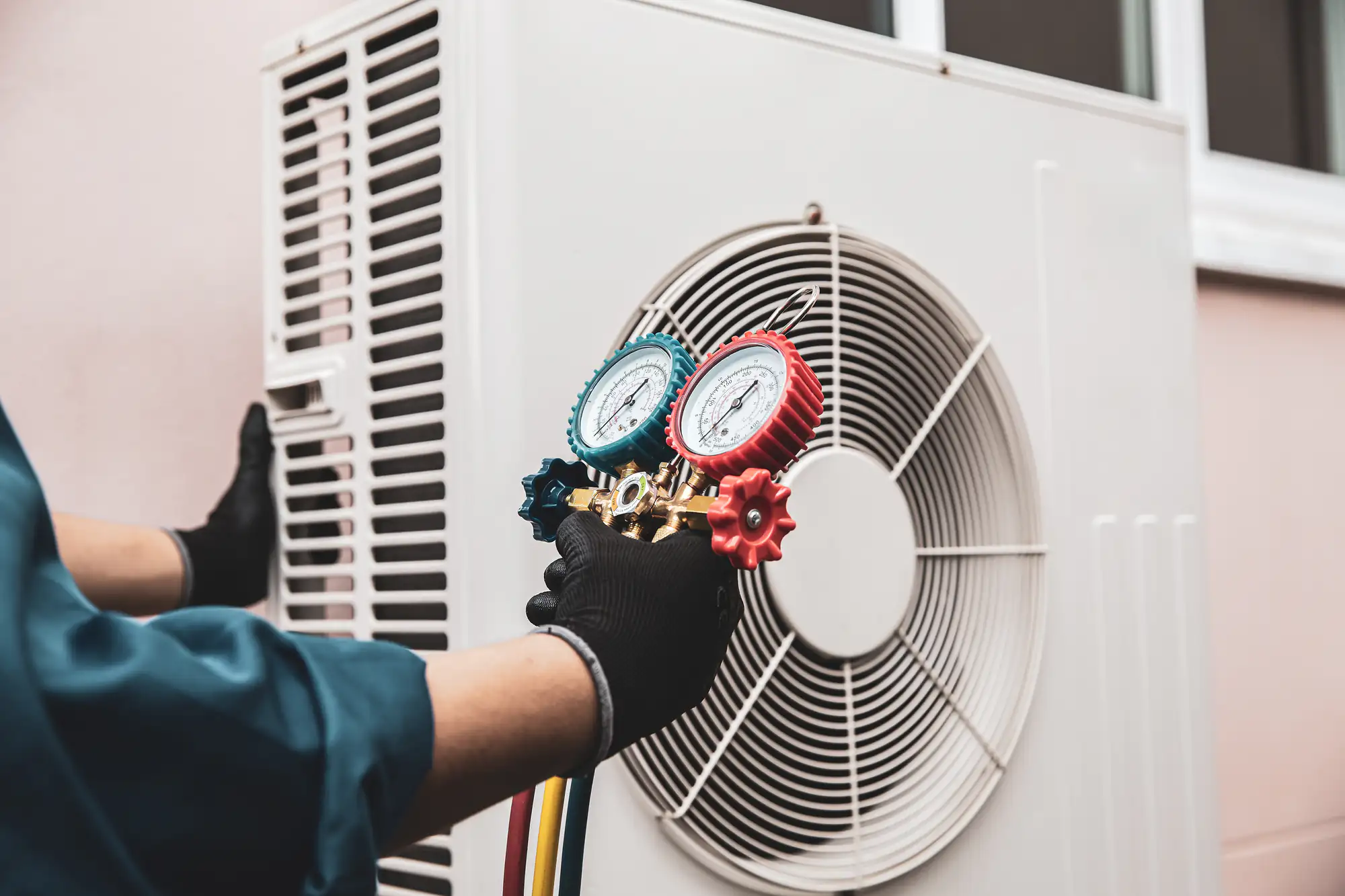
The process starts with a full visual inspection of your boiler, piping, and connections checking for corrosion, leaks, and anything that looks like it’s been developing quietly for a while. In Lake Grove, where many homes were built in the 1960s and 1970s with oil boilers and cast-iron systems, this inspection step matters more than people realize. Older systems hide problems well until they don’t.
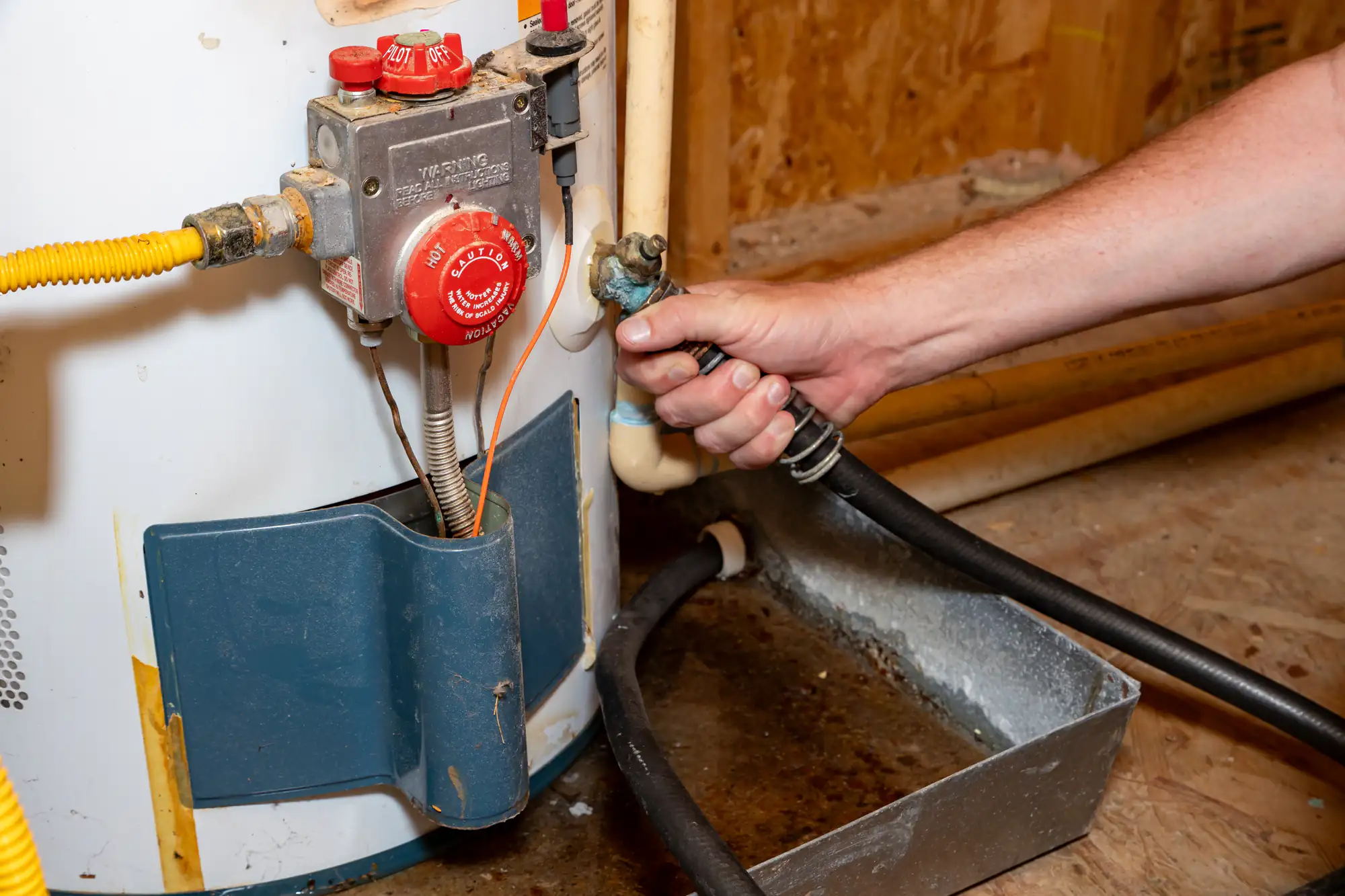
From there, the heat exchanger, burners, and ignition system get cleaned removing the soot and debris that slow down heat transfer and make your boiler work harder than it needs to. A combustion analysis follows, measuring and adjusting the air-to-fuel ratio so the system runs at its actual designed efficiency. The flue gets inspected and cleaned, safety controls get tested, and gas or oil pressure levels get verified. If there’s a nest or blockage in the exhaust pathway something Lake Grove homeowners sometimes discover after their oil delivery company flags it that gets cleared too.
The whole job typically takes one to two hours for a standard residential system. We arrive on time, do the work, and leave your home exactly as we found it. That last part comes up in reviews more than you’d expect and it matters, especially when you’re trusting someone in a home you’ve invested significantly in.
Ready to get started?
We handle both residential and commercial boiler cleaning throughout Lake Grove and the surrounding Suffolk County area. Whether you’re in one of the postwar single-family homes that make up the majority of the village’s housing stock or managing a commercial property along the Middle Country Road corridor, the scope of the work is the same: the entire system gets addressed, not just the mechanical unit.
For Lake Grove’s predominantly oil-heated homes, that means cleaning the burners, heat exchanger, and ignition system, followed by a full flue and chimney inspection and cleaning. Oil combustion produces more soot than gas, so the exhaust pathway in an oil boiler system accumulates buildup faster and a flue that hasn’t been properly cleaned is a flue that’s working against you every time the heat kicks on. The service also includes combustion analysis, pressure checks, safety control testing, and a written assessment of anything that needs attention.
If you’re in the Encore at Lake Grove community or managing a property that’s gone through an oil-to-gas conversion a common transition in this area the service scope adapts accordingly. Gas boilers still accumulate soot and still need annual cleaning to maintain efficiency and warranty coverage. All materials we use are UL listed and up to code, and we’re fully licensed for Suffolk County, so the work meets every applicable standard for Lake Grove residents.

For most Lake Grove homes, once a year is the right interval and the reasoning is straightforward. Oil boilers, which are the dominant heating system in this part of Suffolk County, produce more combustion byproduct than gas systems. That means soot and debris accumulate in the heat exchanger, burners, and flue faster than homeowners typically expect. A system that ran all winter without a cleaning is carrying that buildup into the next heating season.
Annual cleaning also matters for warranty purposes. Most boiler manufacturers require documented professional maintenance every year to keep the warranty active. If you skip a year and something fails, you may be looking at a repair or replacement bill with no coverage to offset it. For a Lake Grove home where the boiler is one of the most critical systems especially during a Suffolk County winter annual service is the practical choice, not an optional one.
This is one of the most common ways Lake Grove homeowners end up calling us. An oil delivery driver spots something during a routine delivery a blockage, a nest, unusual soot patterns and flags it. The problem is that your oil company services the burner unit. They don’t clean chimney flues, inspect liners, or clear exhaust pathway obstructions. That’s a separate, specialized service that requires chimney expertise, not just HVAC knowledge.
When you get that kind of warning, the right next step is a professional chimney and boiler flue inspection by a company that actually works on the full system. We’re licensed for Suffolk County and equipped to inspect and clean the entire exhaust pathway from the boiler through the flue to the chimney top. If there’s a blockage, a deteriorating liner, or a nest causing the issue, the inspection will find it and the cleaning will address it. You shouldn’t ignore a flag from your oil company, but you also shouldn’t assume they can fix it themselves.
The terms get used interchangeably, but they’re not quite the same thing. A boiler cleaning focuses on physically removing soot, scale, and debris from the heat exchanger, burners, flue, and exhaust pathway the buildup that accumulates through a full heating season. A tune-up goes a step further and includes calibration: adjusting the air-to-fuel ratio, checking and correcting gas or oil pressure levels, testing safety controls, and making sure the system is running at its designed efficiency.
A complete annual service from us covers both. The physical cleaning restores heat transfer efficiency critical for Lake Grove’s oil boilers, which accumulate soot faster than gas systems. The tune-up component ensures the system isn’t just clean but actually dialed in. When both happen together, you get the full benefit: lower fuel consumption, cleaner combustion, and a boiler that’s running the way it was designed to run rather than just well enough to produce heat.
Yes, and it’s one of the more serious reasons annual cleaning matters beyond just efficiency. When soot and debris restrict airflow through the heat exchanger and flue, combustion becomes incomplete. Incomplete combustion produces more carbon monoxide. If the flue is also partially blocked by debris, a deteriorating liner, or a nest that carbon monoxide has fewer places to go. In a tightly built home, that’s a genuine safety risk, not a theoretical one.
For older Lake Grove homes built in the 1960s and 1970s, this risk is more relevant than it might be in newer construction. Aging chimney liners crack and deteriorate over time, and a liner that’s no longer fully intact can allow combustion gases to seep into the home rather than venting cleanly to the outside. A professional boiler cleaning that includes a full flue inspection not just a burner service is the way to catch these issues before they become emergencies. We inspect the entire exhaust pathway as part of every cleaning, which is what separates a chimney specialist from a general HVAC company.
Late summer August or early September is the window we recommend, and there’s a practical reason for it. Your boiler isn’t running during those months, which means the work can be done without interrupting your heat. It also means any issues found during the inspection can be addressed before the first cold snap, rather than discovered in October when every heating contractor in Suffolk County is already fully booked.
Lake Grove’s inland location in central Suffolk County means winters arrive with real force. The village doesn’t get the same coastal buffer that waterfront communities have, so when temperatures drop, they drop hard. Scheduling your annual boiler cleaning before the heating season starts means you’re not scrambling to find availability in November when your neighbors are making the same call. It also means your system is running at full efficiency from the first day you need it, rather than spending the early part of the season burning through fuel with last year’s soot still in the heat exchanger.
Yes. We handle both oil and gas boiler cleaning throughout Lake Grove and the surrounding Suffolk County area. Oil boilers are far more common in this part of Long Island the village’s housing stock, built largely in the postwar decades, was fitted predominantly with oil systems but gas boilers require the same annual attention. The combustion process still produces soot, the flue still accumulates debris, and the manufacturer’s warranty still requires documented professional maintenance regardless of fuel type.
It’s also worth noting that oil-to-gas conversions are increasingly common in Lake Grove, and homeowners who’ve made that switch sometimes assume their new gas boiler is lower-maintenance than the oil system it replaced. In reality, the annual cleaning and inspection requirement doesn’t go away it just changes slightly in scope. The flue may also need to be relined as part of a conversion, and that liner still needs to be inspected annually. We’re equipped to handle the full range of boiler types and chimney configurations you’ll find in Lake Grove’s housing stock, from older cast-iron oil systems to newer gas installations.
Other Services we provide in Lake Grove