

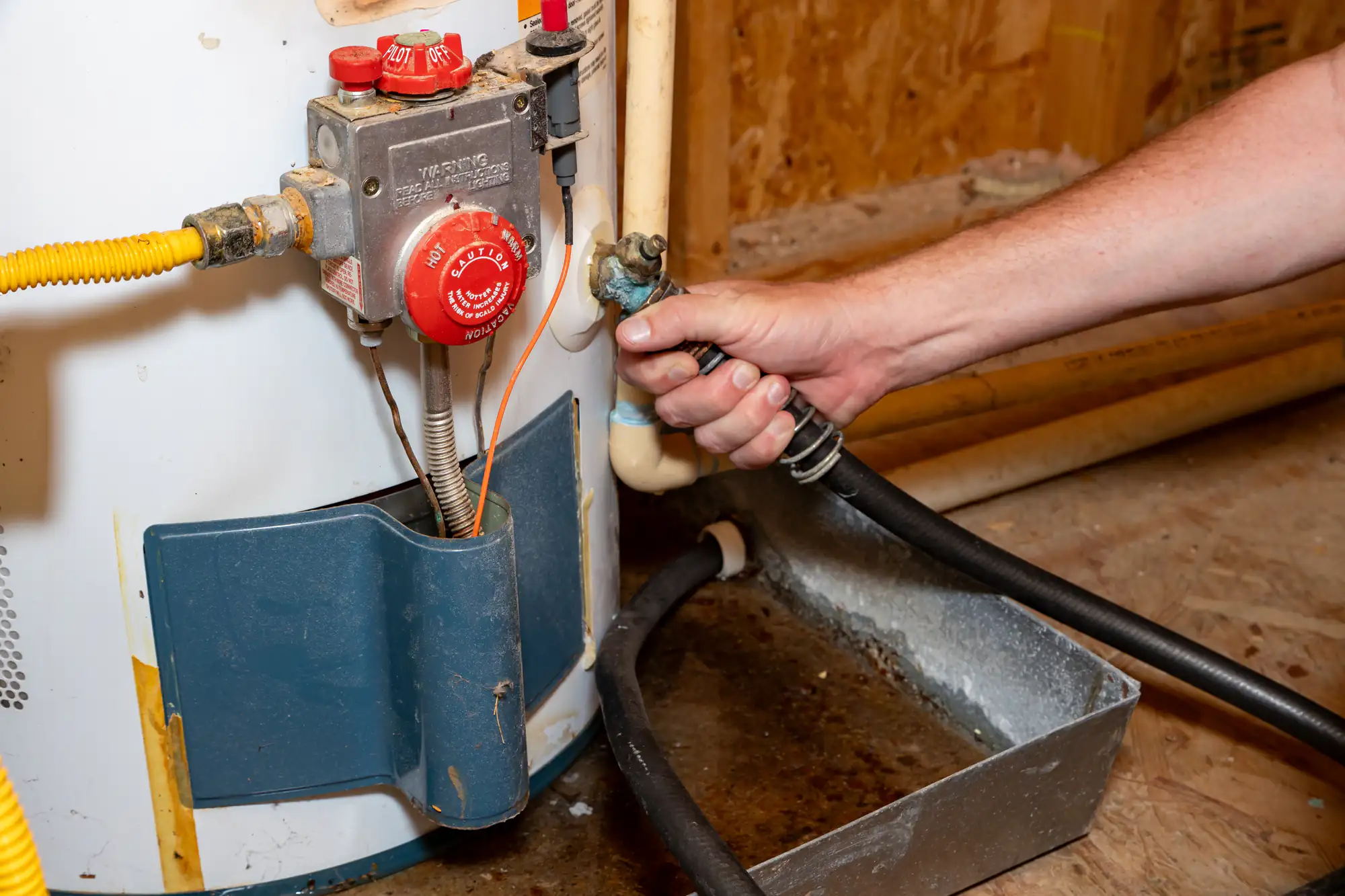
Most Lattingtown homeowners don’t notice a problem until the heat goes out or the fuel bill jumps. By that point, soot has already been doing quiet damage for months reducing how efficiently your boiler transfers heat, forcing it to burn more oil to hit the same temperature, and putting stress on components that weren’t designed to work that hard. Getting ahead of that is exactly what a professional boiler cleaning does.
Lattingtown’s housing stock is older than most of Nassau County. With roughly 27% of homes built before 1940, a significant number of properties here are running oil boilers connected to original or early-generation clay tile chimney liners. Those liners weren’t built to last forever, and as they age, they accumulate soot faster and crack in ways that create real ventilation problems. A boiler cleaning that only addresses the mechanical unit and ignores the flue is only doing half the job.
What you actually get from a thorough cleaning is a system that runs the way it’s supposed to efficient combustion, clean heat transfer surfaces, and a clear exhaust pathway from the burner all the way to the chimney top. For a large estate home on oil heat in Lattingtown, recovering even a few percentage points of efficiency adds up across an entire heating season. When January brings temperatures into the low 20s on the North Shore, you want to know your system has been properly serviced not find out the hard way that it hasn’t.
We’ve earned an “A” rating with the BBB and an Angie’s List award for six consecutive years. That kind of track record doesn’t happen by accident it comes from showing up on time, doing the work correctly, and leaving the property the way it was found. For homeowners in Lattingtown, where properties are maintained to a high standard and contractors are held to the same expectation, that consistency matters.
We’re Nassau County licensed, fully insured, and carry workers’ compensation coverage. We serve Lattingtown and the surrounding North Shore communities as part of our core Nassau County service area not as an occasional out-of-area trip. Our team brings documented experience with older Long Island homes, including the kind of complex, estate-scale chimney systems common in villages like Lattingtown, Mill Neck, and Oyster Bay Cove.
When we come to your home, we’ll tell you what we find including if something doesn’t need to be done. That honesty has been noted repeatedly in customer reviews, and it’s a meaningful differentiator in an industry where upselling is common.
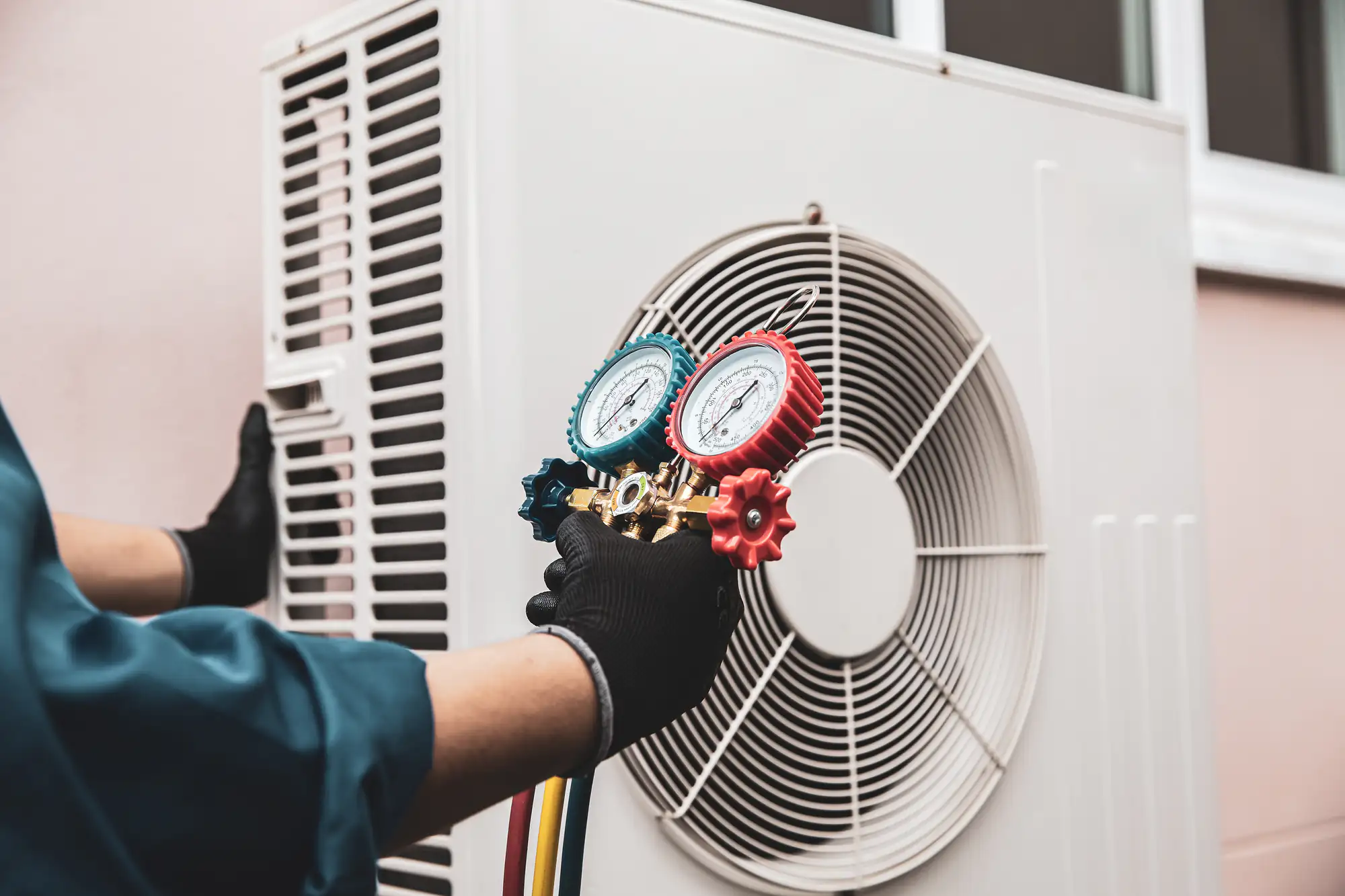
We start with a visual inspection of the entire system the boiler unit, piping, connections, and the chimney flue. In older Lattingtown homes, this step matters more than most people realize. A pre-war or mid-century property may have a clay tile liner that’s been in place for decades, and the inspection is where any cracking, deterioration, or blockage gets identified before it becomes a bigger problem.
From there, the cleaning covers the heat exchanger, burners, and ignition system removing the soot and scale that reduce heat transfer efficiency. Then the flue gets cleaned from the boiler connection up through the chimney, clearing out any buildup that restricts proper exhaust flow. A combustion analysis follows, checking the air-to-fuel ratio and making sure the system is burning cleanly and efficiently. Safety controls pressure valves, seals, thermostats, and shutoffs are tested before the job is considered complete.
For Lattingtown homeowners who commute into the city via the LIRR Oyster Bay Branch from Locust Valley Station, the most practical window for scheduling this work is summer. The boiler isn’t running, access is easier to plan around a commuter schedule, and if anything needs follow-up repair, there’s time to handle it before the heating season starts. We work with your schedule not against it.

Ready to get started?
What separates us from local HVAC providers is scope. A heating contractor services the mechanical unit the burner, the igniter, the pressure components. What they typically don’t do is clean the chimney flue, inspect the liner, or address what’s happening in the exhaust pathway above the boiler. In a Lattingtown home where the chimney may be original to a 1930s or 1940s build, that’s the part of the system that often needs the most attention.
We cover the full path: heat exchanger cleaning, burner cleaning, flue cleaning, liner inspection, cap check, and combustion analysis. All materials used in any associated repair work are UL listed and installed to code which matters for permit compliance in an incorporated village like Lattingtown, where the village board has its own building code enforcement authority separate from Nassau County.
We service both oil and gas boilers. Oil boilers, which remain the dominant heating fuel in Lattingtown based on current real estate data, produce significantly more soot than gas systems and benefit most from annual professional cleaning. If a nest, animal obstruction, or debris blockage is found in the flue during the service, we address that as part of the visit. The goal is a system that’s clean, safe, and ready for whatever the North Shore winter brings.

For most Lattingtown homes, once a year is the right frequency and ideally before the heating season begins. Oil boilers, which are the most common heating fuel in Lattingtown, produce more soot than gas systems and benefit significantly from annual maintenance. Soot accumulates on heat transfer surfaces throughout the heating season, and by spring, a typical oil boiler has enough buildup to meaningfully reduce its efficiency going into the next winter.
For homes in Lattingtown with older chimney systems and roughly a third of the village’s housing stock predates 1940 annual cleaning also gives us the opportunity to catch liner deterioration, flue blockages, or other issues that develop gradually and aren’t obvious until something goes wrong. Catching those problems in June or July is a lot easier than dealing with them on a cold night in January.
This is one of the most common points of confusion, and it’s worth being clear about. A standard HVAC service call covers the mechanical boiler the burner, igniter, heat exchanger, and related components. It does not typically include the chimney flue, the liner, or anything above the point where the boiler connects to the exhaust system. Those are chimney services, and they require a different set of expertise and equipment.
We handle both sides of the system. The boiler unit gets cleaned and inspected, and so does the flue from the boiler connection through the liner and up to the chimney cap. In older Lattingtown homes with clay tile liners, this matters a great deal. A blocked or deteriorating flue doesn’t just reduce efficiency; it creates a pathway for combustion gases to back up into the living space. Getting the full system cleaned in a single visit is more thorough and more practical than splitting the work between two different contractors.
Skipping a year doesn’t just mean you’re one cleaning behind it means soot and scale have been accumulating on your heat transfer surfaces for two full heating seasons instead of one. That buildup compounds. A thin layer of soot even just a millimeter can reduce boiler efficiency by 3 to 4 percent and raise flue gas temperatures measurably, which means more fuel burned to produce the same amount of heat.
For a large oil-heated home in Lattingtown, where boiler systems tend to be bigger than those in a typical Long Island suburb, that efficiency loss adds up to real money over a heating season. Beyond the fuel cost, skipping annual maintenance can also void your boiler’s warranty most manufacturers require documented professional servicing to keep coverage active. If something does go wrong mid-winter, emergency repair on Long Island runs significantly higher than the cost of preventive maintenance.
Your oil delivery company typically services the burner unit the mechanical components that control combustion. That’s a useful service, but it doesn’t cover the chimney side of the system. The flue, the liner, and the exhaust pathway from the boiler to the chimney top are not part of a standard oil burner tune-up, and most oil companies don’t have the equipment or certification to clean them properly.
This distinction is especially relevant in Lattingtown, where many homes have older chimney systems that run alongside aging oil boilers. If your oil delivery company flags a problem with soot buildup, a blocked flue, or a chimney issue during their service visit which does happen that’s a chimney cleaning call, not a burner call. We handle that specific part of the system and can address whatever the oil company identified without requiring you to coordinate between multiple contractors.
Yes and for Lattingtown residents specifically, it’s often the most practical option. The boiler isn’t running in summer, which means the technician can work without disrupting your heat. Any issues found during the cleaning a cracked liner, a worn component, a flue blockage can be repaired before the heating season starts rather than discovered during a cold snap in December.
For homeowners who commute into the city on the LIRR Oyster Bay Branch from Locust Valley Station, weekday scheduling during the heating season can be difficult. Coordinating access when you’re not home during the day adds friction to an already busy schedule. Summer gives you more flexibility to plan around your commute and make sure someone is available for the appointment without it feeling like a logistical problem. We accommodate that kind of scheduling and can work with you on timing that actually fits your week.
At a minimum, you want a company that holds Nassau County-specific licensing not just a general New York State contractor’s license. Lattingtown is an incorporated village within Nassau County, and Nassau County has its own licensing requirements for chimney contractors. Any associated repair work, such as liner replacement or cap installation, would also need to comply with the Village of Lattingtown’s building code, which is enforced separately from county-level oversight.
Beyond licensing, look for liability insurance and workers’ compensation coverage and ask for a certificate, not just a verbal assurance. For chimney-specific work, CSIA certification (Chimney Safety Institute of America) is the industry credential that signals a technician has passed a rigorous professional exam and is qualified to assess and clean chimney flue systems, not just boiler mechanics. We carry Nassau County licensing, liability insurance, and workers’ compensation, and our sustained BBB “A” rating over six consecutive years reflects the kind of verifiable track record that’s worth looking for when you’re inviting a contractor into a home of significant value.
Other Services we provide in Lattingtown