

When your boiler is running clean, the difference shows up in your fuel bills first. A layer of soot just one millimeter thick can drop your boiler’s efficiency by three to four percent and on a large estate home heating several thousand square feet, that loss adds up fast on every oil delivery. Lloyd Neck homes are overwhelmingly oil-heated, and oil combustion produces more buildup than gas. That means the stakes for staying on top of annual boiler cleaning here are higher than in most Long Island communities.
There’s also what you don’t see. The flue pathway running from your boiler through your chimney is where combustion gases exit your home. When that pathway is clogged with soot, debris, or a season’s worth of buildup, the gases don’t always go where they’re supposed to. Annual boiler flue cleaning addresses that risk before it becomes a problem not after.
Living on Lloyd Neck also means living with salt air off the Sound. That marine exposure accelerates corrosion on chimney mortar, metal flue components, and liner systems at a pace that inland communities simply don’t experience. Catching that deterioration early during a routine annual cleaning and inspection is what keeps a manageable maintenance item from turning into a costly repair.
We’ve been rated “A” and recognized as an award winner by both Angie’s List and the BBB for six consecutive years. That kind of sustained recognition doesn’t come from one good season it comes from doing the job right, consistently, across hundreds of jobs on Long Island.
What sets us apart isn’t just the credentials. It’s the approach. Our technicians have been documented telling homeowners they did not need a service they called about. In a trade where upselling is common, that kind of honesty is rare and it’s exactly what Lloyd Neck homeowners, who expect straight answers from the professionals they hire, respond to.
We already serve Cold Spring Harbor, the hamlet directly adjacent to Lloyd Neck, and hold the Suffolk County licensing required for work performed in the Town of Huntington. This isn’t a company reaching into unfamiliar territory. We know the North Shore, the older housing stock, and the specific conditions that come with living on a Gold Coast peninsula surrounded by Long Island Sound.

The process starts before we touch your boiler. A full visual inspection of the boiler, piping, and connections comes first checking for corrosion, leaks, and anything that’s been quietly developing since the last service. On Lloyd Neck, where homes are large, older, and exposed to coastal salt air year-round, this inspection step matters more than it does in a typical suburban setting. Salt-accelerated corrosion on flue components and mortar joints doesn’t announce itself. You find it when you look for it.
From there, we clean the heat exchanger, burners, and ignition system removing the soot and combustion deposits that reduce heat transfer and make your boiler work harder than it needs to. A combustion analysis follows, measuring and adjusting the air-to-fuel ratio so the system is burning efficiently, not just burning. We then inspect and clean the flue from the boiler all the way through to the chimney the part of the system that most HVAC companies don’t touch but that we cover as a core part of the service.
Safety controls are tested, gas or oil pressure is verified, and the burner is adjusted before we leave. We clean up completely a detail that matters when you’re dealing with high-quality interiors and finished mechanical rooms. Most residential boiler cleanings take approximately one to two hours. If the inspection turns up something that needs attention, you’ll hear about it honestly, with a clear explanation of what it is and what it would take to address it.

Ready to get started?
Most heating companies clean the mechanical unit and stop there. We cover the complete system from the burner assembly through the heat exchanger, up through the flue, and all the way to the chimney. That distinction matters specifically on Lloyd Neck, where estate-scale homes have longer flue runs, older liner systems, and chimney structures that have been absorbing salt air off Long Island Sound for decades. Cleaning only part of the system leaves the rest of it unexamined.
The boiler cleaning service includes a full inspection of the boiler and all connections, heat exchanger and burner cleaning, combustion analysis and burner adjustment, flue inspection and cleaning, safety control testing, and a written summary of findings. All materials used in any associated repair work are UL listed and up to code. We hold the Suffolk County licensing required for work performed within the Village of Lloyd Harbor and carry both liability insurance and workers’ compensation the documentation you should ask any contractor to provide before work begins.
For Lloyd Neck homeowners who heat with oil, this service addresses the full buildup cycle that oil combustion produces. If your oil delivery company has flagged a chimney or boiler issue, this is the service that follows up on that concern properly not a generalist patch, but a thorough cleaning and inspection of the entire exhaust system by a chimney specialist.
Once a year is the standard recommendation, and for most Lloyd Neck homes, that’s not just a best practice it’s a practical necessity. Oil-heated homes produce more soot than gas systems, and the estate-scale properties on Lloyd Neck have larger boilers serving more square footage, which means more combustion byproduct accumulating in the heat exchanger and flue system over the course of a heating season.
Beyond the oil heat factor, Lloyd Neck’s coastal exposure to Long Island Sound adds a layer of urgency that inland communities don’t face. Salt-laden marine air accelerates deterioration of chimney mortar, metal flue components, and liner systems. An annual cleaning and inspection catches that wear before it compounds. Skipping a year doesn’t just mean double the soot it means a full additional season of salt-accelerated corrosion going unchecked on a system that connects directly to your home’s safety.
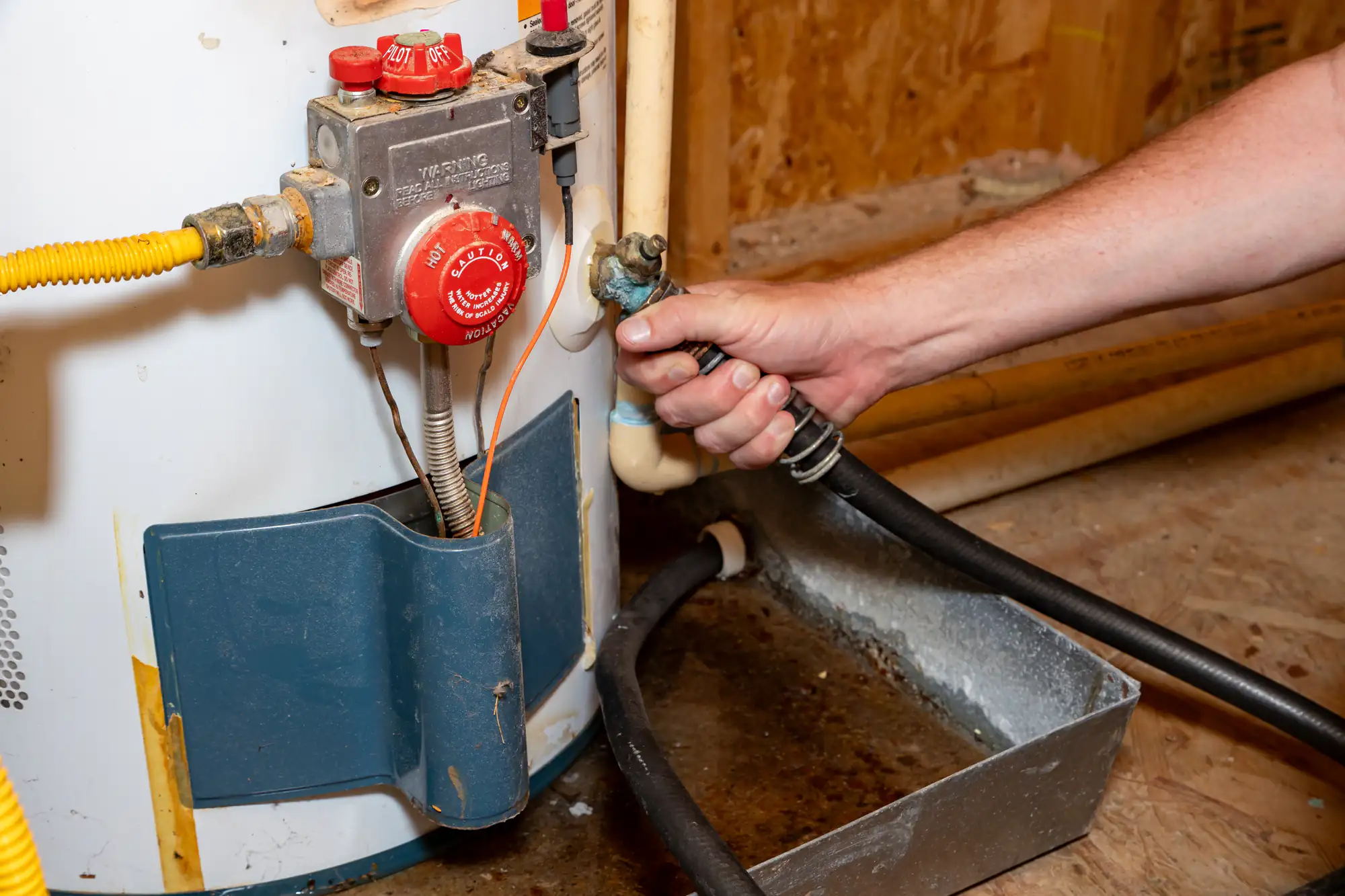
A professional boiler cleaning covers the full system, not just the visible parts. We start with a visual inspection of the boiler, piping, and connections looking for corrosion, leaks, and anything that’s developed since the last service. The heat exchanger and burners are cleaned to remove soot and combustion deposits that reduce heat transfer. A combustion analysis measures and adjusts the air-to-fuel ratio so the boiler is running at proper efficiency. The flue is inspected and cleaned from the boiler through to the chimney, safety controls are tested, and the burner is adjusted before we wrap up.
What separates a chimney specialist from a generalist HVAC company is the flue work. Most heating companies service the mechanical unit and stop there. The chimney flue the pathway your combustion gases take to exit the home requires separate expertise and separate equipment. We cover both sides of that system, which is particularly relevant for the older, more complex chimney configurations common in Lloyd Neck’s estate homes.
Yes, and this is one of the most common misconceptions homeowners on the North Shore run into. Your oil company services the burner unit the mechanical component that ignites and burns the fuel. That’s a different scope of work from cleaning the heat exchanger, inspecting the flue liner, clearing the chimney pathway, and testing the full exhaust system. Oil delivery companies are not chimney specialists, and they typically don’t carry the equipment or credentials to evaluate the flue side of the system.
This matters especially on Lloyd Neck, where many homes have older chimney systems that have been accumulating wear over decades. A burner tune-up from your oil company and an annual boiler cleaning from a chimney specialist are complementary services, not interchangeable ones. If your oil company flagged a chimney or flue concern during their visit, that’s actually the trigger to call us because that follow-up work is exactly what this service is designed to address.
It’s not overstated. When soot and combustion deposits build up in the heat exchanger and flue, the system has to work harder to push exhaust gases out of the home. If the flue pathway is partially blocked whether from soot buildup, a deteriorated liner, or a nest or debris obstruction combustion gases can back-draft into the living space instead of venting outside. That’s a real carbon monoxide risk, not a theoretical one.
For Lloyd Neck homeowners, the coastal environment adds a specific layer of concern. Salt air from Long Island Sound deteriorates chimney mortar and metal flue components faster than in inland areas. A liner that looks fine from the outside can have internal cracks or gaps that allow gases to escape into the structure of the home. An annual cleaning and inspection catches those issues while they’re still manageable before a blocked or compromised flue creates an emergency on a peninsula with one road in and one road out.
For most boilers, yes. The majority of boiler manufacturers require documented annual professional maintenance as a condition of keeping the warranty valid. If a covered component fails and you can’t show a service record, the manufacturer can deny the claim on the grounds that the failure resulted from improper maintenance. That’s a significant financial exposure when you’re looking at repair costs that can range from several hundred dollars for a pump or zone valve replacement up to a full boiler replacement, which runs between $5,500 and $15,000 on Long Island.
For Lloyd Neck homeowners, this is especially worth paying attention to. Estate-scale homes have larger, more complex boiler systems and when those systems fail, the repair or replacement costs reflect that scale. Annual boiler cleaning by a qualified, licensed chimney specialist like us creates the service record your warranty requires and gives you documentation that the work was performed by a credentialed professional holding the appropriate Suffolk County licensing for work in the Town of Huntington.
There are a few specific things worth verifying before you hire anyone. First, county-level licensing: Lloyd Neck falls within the Town of Huntington, Suffolk County, and contractors performing chimney and boiler flue work here need to hold the appropriate Suffolk County credentials not just a generic statewide license. Ask for it directly. Second, ask for a current Certificate of Insurance showing both liability coverage and workers’ compensation. Verbal assurances aren’t enough when you’re having work done on a high-value estate property.
Beyond licensing and insurance, look for industry-specific credentials. CSIA certification from the Chimney Safety Institute of America is the recognized standard for chimney and boiler flue professionals, and it requires passing a rigorous exam along with ongoing continuing education. Sustained third-party recognition, like a six-year consecutive award streak from both Angie’s List and the BBB, tells you more about a company’s track record than any single rating. We check each of these boxes and already have an active service presence in Cold Spring Harbor, the community directly adjacent to Lloyd Neck so this isn’t a company learning the area on your job.
Other Services we provide in Lloyd Neck