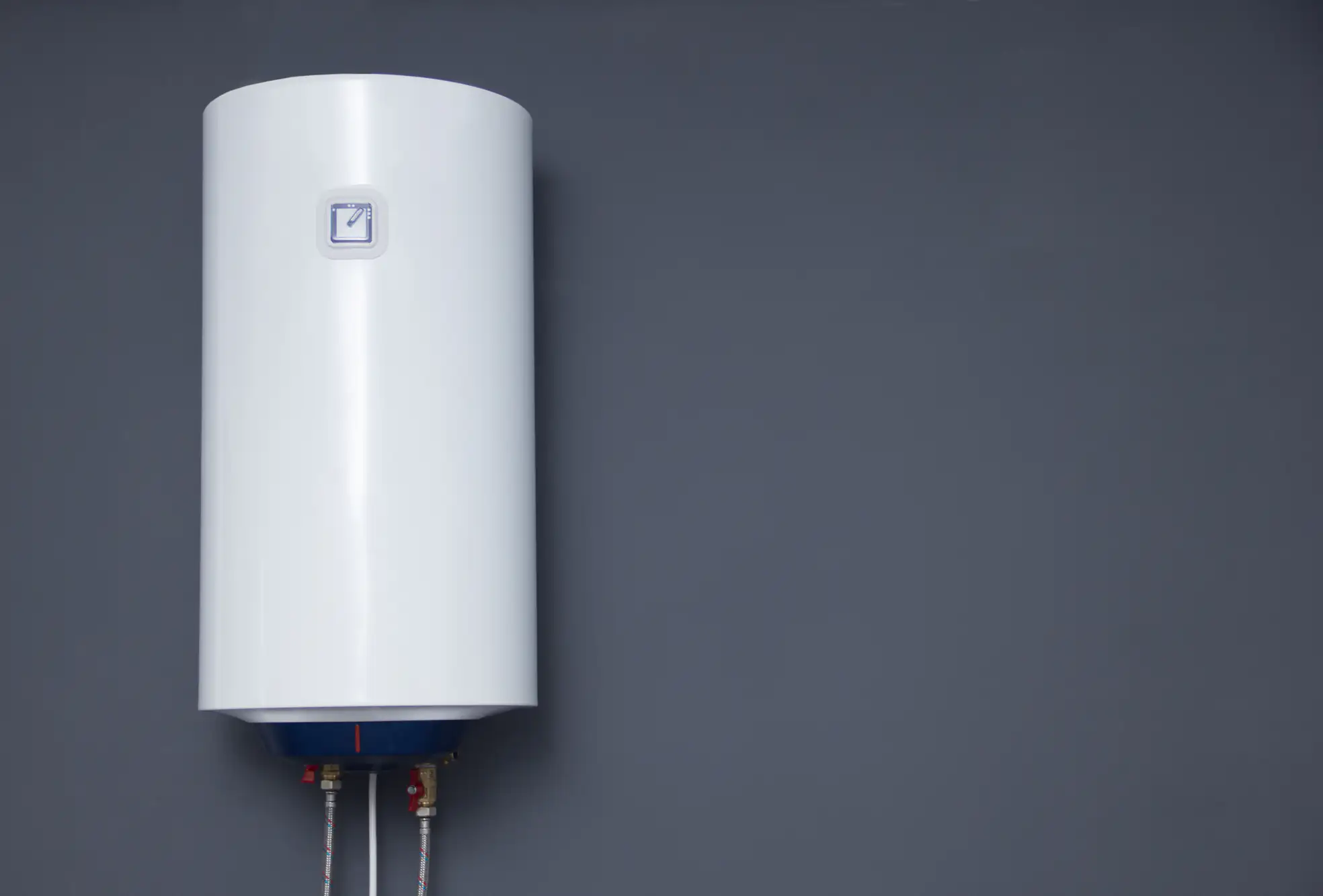


Most homeowners in Mount Sinai don’t realize their boiler is underperforming until the oil bill climbs or something stops working. A thorough boiler cleaning restores heat transfer efficiency, removes the soot and combustion deposits that quietly raise your fuel consumption, and gives you a clear picture of where your system actually stands. That’s a tangible outcome not a vague promise.
Mount Sinai sits directly on the Long Island Sound, and that salt-laden coastal air doesn’t just affect your siding or your deck. It works on metal chimney components, flue liners, and boiler exhaust pathways at a rate that inland communities simply don’t experience. What might hold up for several years in a landlocked town can show real corrosion or blockage issues much sooner here. Annual boiler cleaning and inspection in Mount Sinai isn’t just a best practice it’s genuinely more urgent.
The other factor is the housing stock. The average home in Mount Sinai is roughly 49 years old, which puts most of the established neighborhoods squarely in the era of oil-fired boilers. Oil systems produce more soot per heating cycle than gas, and that buildup accumulates on heat exchanger surfaces, inside the flue liner, and throughout the chimney passage. A cleaner system burns less fuel, runs more reliably, and gives you a heating season without surprises.
We’ve maintained an “A” rating with the BBB and earned Angie’s List award recognition for six consecutive years. That’s not a one-time achievement it’s a track record you can look up yourself, which matters when you’re inviting someone into your home to work on a system connected to your family’s heat and air quality.
We serve Suffolk County, including Mount Sinai and the surrounding Town of Brookhaven communities. Our technicians are familiar with the kind of housing stock you’ll find along North Country Road and throughout Mount Sinai’s established neighborhoods older oil-heated homes with aging chimney systems that need a specialist, not a generalist. We’ve handled complex older systems, newer planned community builds like those at The Villages at Mount Sinai, and everything in between.
What customers consistently tell us is that our technicians tell you what you actually need including when you don’t need something you called about. In an industry where upselling is common, that kind of honesty tends to stick with people.
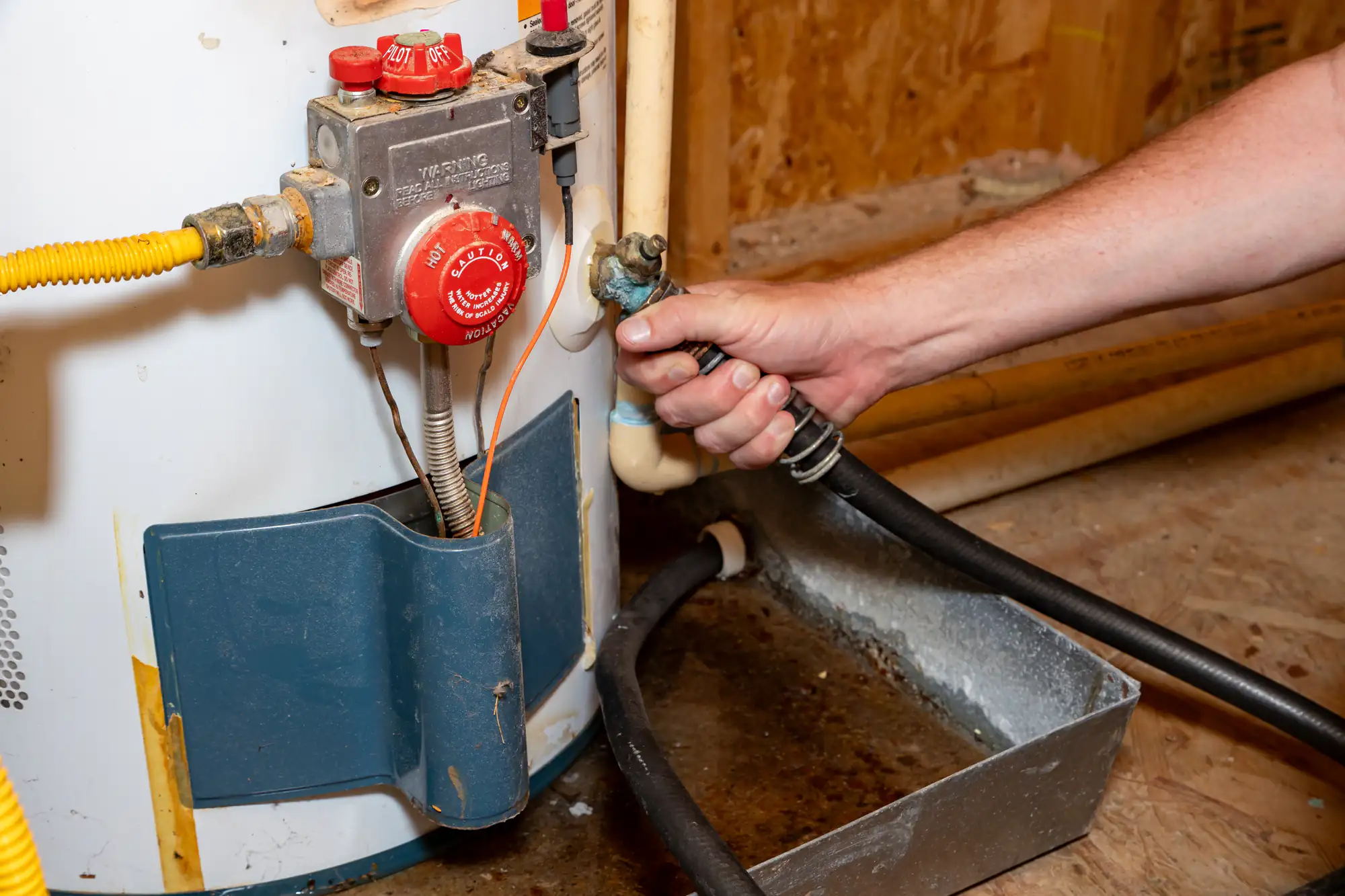
When one of our technicians arrives at your Mount Sinai home, the first thing we do is a full visual inspection not just the boiler unit itself, but the complete exhaust pathway from the heat exchanger through the flue liner to the chimney. This matters because most general HVAC companies stop at the mechanical unit. The chimney flue that vents combustion gases out of your home is a separate system, and in a coastal community like Mount Sinai, it’s subject to corrosion and blockage patterns that a boiler-only technician won’t be trained to identify.
From there, we clean the heat exchanger surfaces and burner assembly, removing soot and combustion deposits that reduce efficiency, and perform a combustion analysis to verify the air-to-fuel ratio is dialed in correctly. The flue itself gets inspected and cleaned debris, nest material, and buildup all get addressed. We test safety controls, including pressure valves, seals, and shutoffs. If anything needs attention beyond routine cleaning, you’ll hear about it clearly and honestly before any additional work is discussed.
For most residential systems, the full service takes approximately one to two hours. Most homeowners in Mount Sinai schedule during summer when the boiler is out of use that way any issues can be corrected well before the heating season starts in October. If you’re scheduling in the fall or dealing with an active problem, we also offer 24/7 emergency service for situations that can’t wait.
Ready to get started?
The difference between what we do and what a general HVAC or oil burner company does comes down to scope. An oil burner service company typically services the mechanical unit the burner, the ignition, the filters. That’s useful work, but it leaves the chimney flue untouched. The flue is where combustion gases travel from your boiler out of the house, and in a home that’s been burning oil for decades which describes most of the established homes in Mount Sinai that flue carries years of soot, potential corrosion from salt-air exposure, and sometimes animal nests or debris that create real blockage and carbon monoxide risk.
We cover the complete system: heat exchanger and burner cleaning, combustion analysis, flue inspection and cleaning, chimney cap check, and full safety control testing. Every component we install during any repair or replacement work is UL listed and up to code, which matters for Town of Brookhaven compliance and for documentation purposes if you ever need it for insurance or a home sale.
For residents of newer planned communities like The Hamlet at Willow Creek or The Villages at Mount Sinai where boiler systems are now 15 to 20 years old this level of service is also what most manufacturers require annually to keep warranty coverage valid. Whether your system is a 1970s oil boiler in an older colonial off North Country Road or a newer gas system in a planned development, the process is the same: thorough, complete, and documented.

Once a year is the standard recommendation, and it carries real weight in Mount Sinai specifically. The combination of oil heat which is the dominant fuel type across Suffolk County and Mount Sinai’s coastal location on the Long Island Sound means your boiler and its connected flue system face more demanding conditions than a comparable system in an inland community. Oil combustion produces more soot per cycle than gas, and salt-laden coastal air accelerates corrosion in flue liners, metal caps, and exhaust components. Both factors argue for staying on an annual schedule rather than stretching it out.
The other practical reason to stick to annual cleaning is warranty compliance. Most boiler manufacturers require documented professional service every year to keep warranty coverage valid. If you skip a year and something fails, you may find the warranty won’t cover the repair. Scheduling once a year ideally in summer when the boiler is idle keeps you covered on both the mechanical and the warranty side.
A thorough boiler cleaning covers significantly more than just vacuuming out the firebox. The full process includes cleaning the heat exchanger surfaces and burner assembly to remove soot and combustion deposits, performing a combustion analysis to verify the air-to-fuel ratio is set correctly, inspecting and cleaning the chimney flue that exhausts combustion gases out of the house, testing all safety controls including pressure valves and shutoffs, and checking for any corrosion, blockage, or damage that needs attention.
The chimney flue component is the part that often gets missed when homeowners rely on a general HVAC or oil burner company for annual service. Those technicians are trained on the mechanical unit they’re not chimney specialists, and they typically don’t inspect or clean the flue. For a Mount Sinai home where the flue may be dealing with years of oil soot buildup and the added stress of salt-air corrosion, that gap in coverage matters. A complete boiler cleaning from a chimney specialist addresses the whole exhaust pathway, not just the unit sitting in your basement.
This is one of the most common scenarios that brings Long Island homeowners to us. Oil delivery companies inspect the burner unit when they service your system, and they’ll sometimes flag a chimney or flue issue a blockage, a nest, a cracked liner, or something they noticed during their visit. What they typically don’t do is clean or repair the chimney flue itself. That’s a separate service requiring chimney-specific expertise and equipment, not HVAC training.
When your oil company tells you there’s a chimney problem, the right next call is to a licensed chimney specialist who can inspect the full exhaust pathway, identify exactly what’s going on, and give you an honest assessment of what needs to be done. We handle this kind of follow-up regularly for homeowners across Suffolk County, including Mount Sinai. We’ll tell you what we find and what it actually requires including if the answer is less work than you were expecting.
Yes, and the mechanism is straightforward. Soot and combustion deposits build up on the heat exchanger surfaces inside your boiler the surfaces responsible for transferring heat from the combustion process into your home’s heating system. Even a thin layer of buildup, around one millimeter, can reduce boiler efficiency by three to four percent and raise flue gas temperature noticeably. That means your boiler is burning more fuel to produce the same amount of heat.
For a Mount Sinai homeowner on oil heat paying Long Island fuel prices through a heating season that runs from October through April that efficiency loss shows up on every delivery bill. Annual cleaning restores those heat exchanger surfaces to proper condition, which means your boiler burns less oil to maintain the same temperature. The cost of annual boiler cleaning is a fraction of what that ongoing efficiency loss costs over a full heating season, which is why most homeowners who do the math treat it as routine maintenance rather than an optional expense.
You can, but it’s worth understanding what a general HVAC company typically covers and what they don’t. Most HVAC technicians are trained to service the boiler unit itself the burner, ignition system, filters, pressure levels, and mechanical components. That’s valuable work. What they generally don’t do is inspect and clean the chimney flue that carries combustion gases out of your home. That part of the system requires chimney-specific training, tools, and licensing.
In Mount Sinai, where many homes have been burning oil for decades and the coastal environment accelerates wear on flue liners and exhaust components, the chimney side of the system deserves the same attention as the mechanical side. A local HVAC company can handle the burner and unit-level work but if your flue hasn’t been inspected and cleaned by a chimney specialist, you’re only getting half the job done. We cover the complete system, which is the part that matters most for carbon monoxide safety and long-term system performance.
The short answer is that the consequences compound. Soot and scale buildup doesn’t reset between seasons it accumulates. A system that wasn’t cleaned last year is carrying last year’s deposits plus this year’s, and the efficiency loss, corrosion risk, and potential for blockage all grow with each skipped cycle. For a Mount Sinai home with an oil boiler and a flue exposed to salt air off the Sound, that compounding effect is more pronounced than it would be for an inland home on natural gas.
There are also practical consequences beyond efficiency. Most boiler warranties require annual professional maintenance to remain valid skipping a cleaning can void your coverage, which means a repair or replacement that would have been covered becomes an out-of-pocket expense. And if a blocked or deteriorating flue goes uninspected, you’re also looking at a carbon monoxide risk that builds silently over time. The cost of annual boiler cleaning is well below the cost of emergency repair, early system replacement, or the damage that comes from a flue failure. Staying on schedule is the straightforward way to avoid all of it.
Other Services we provide in Mount Sinai