

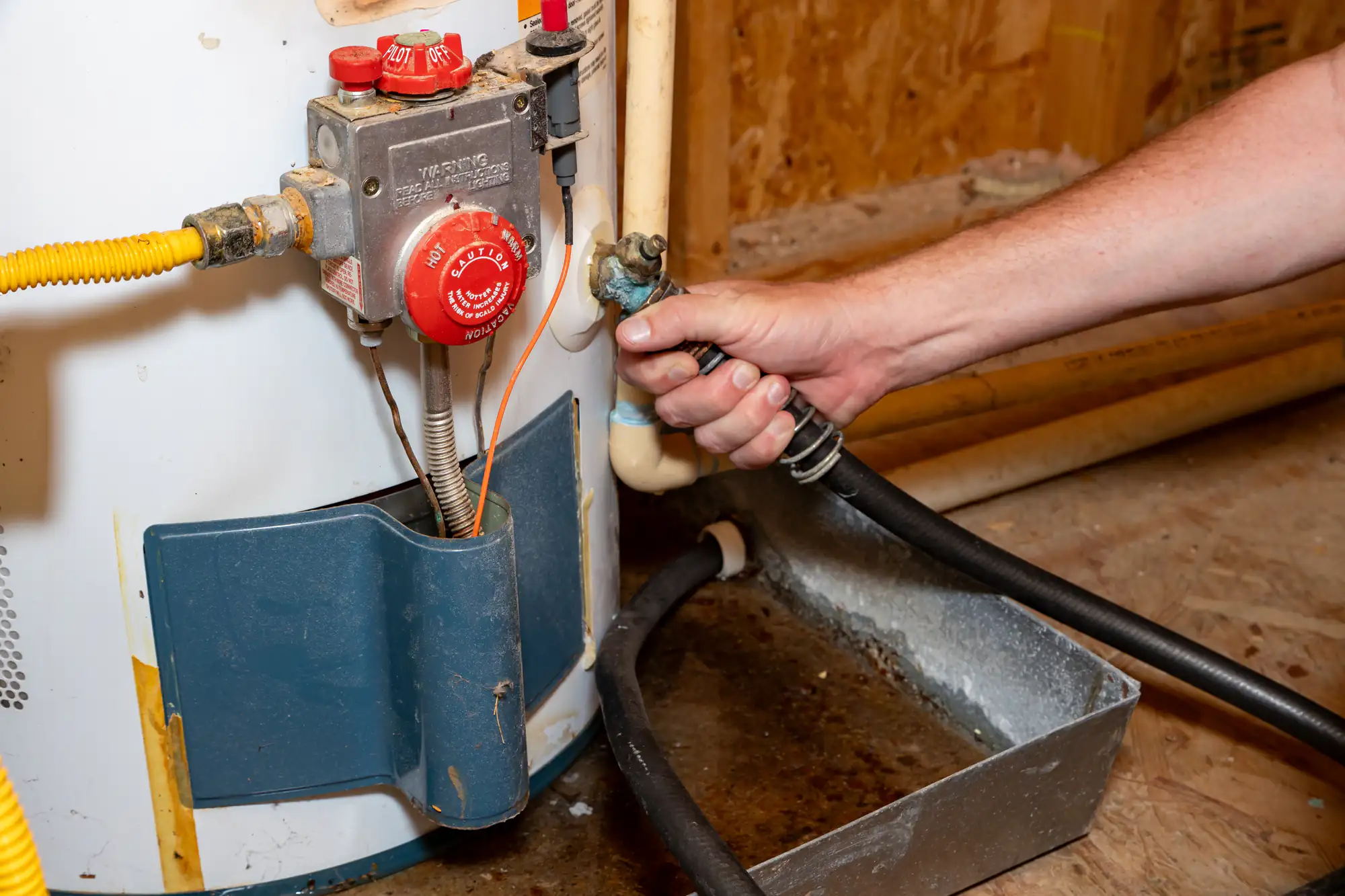
When your boiler and its flue are properly cleaned, the first thing you notice is that the system runs quieter and more evenly. Heat moves through the house the way it should. You stop wondering whether that smell or that sound means something’s wrong. That peace of mind is worth more than most people realize until they have it.
For Nassau Shores homeowners specifically, there’s a layer to this that inland communities don’t deal with. The salt air coming off South Oyster Bay doesn’t stop at your siding it works on your chimney mortar, your flue liner, and the metal components of your exhaust system year-round. Homes built between the 1940s and 1960s, which make up a large portion of the housing stock here, are dealing with decades of that exposure. Annual boiler chimney cleaning catches what that coastal weathering does before it turns into a crack, a gap, or a blockage.
There’s also the efficiency side. Research shows that even a thin layer of soot on your boiler’s heat transfer surfaces can cut efficiency by 3 to 4 percent. On Long Island oil prices, that adds up fast. A clean system burns fuel the way it was designed to and that shows up in your bill every single month.
We’re based in Levittown about 8 to 10 miles from Nassau Shores via Merrick Road and have been serving Nassau County homeowners long enough to know exactly what south shore properties deal with. We’ve earned an “A” rating with the BBB and an Angie’s List award for six consecutive years. That’s not a one-time snapshot. That’s a track record built one job at a time, across hundreds of Nassau County homes.
What you’ll hear from our customers consistently is that our technicians show up on time, explain what we find honestly, and leave the property exactly as we found it. There are documented reviews of our technicians telling homeowners they did not need a service they called about. In an industry where upselling is the norm, that kind of honesty is what builds a reputation that lasts six years and counting.
We hold Nassau County-specific licensing, carry both liability insurance and workers’ compensation, and use UL-listed materials on every installation. These aren’t background details they’re the baseline you should be confirming before you let any contractor into your home.

When we arrive for a boiler cleaning in Nassau Shores, the first thing we do is a full visual inspection not just of the boiler unit itself, but of the entire exhaust pathway from the burner through the flue to the chimney top. This is the step that most HVAC companies skip entirely. For a home on the south shore with a masonry chimney that’s been exposed to coastal air for decades, this inspection is often where the real story is.
From there, we clean the heat exchanger, burners, and ignition system removing the soot and combustion residue that accumulates with every heating cycle. For oil-fired boilers, which are standard throughout Nassau Shores and the broader Massapequa waterfront area, this buildup is heavier than in gas systems and needs to be cleared out completely for the boiler to operate efficiently. A combustion analysis follows, which checks the air-to-fuel ratio and confirms the system is burning cleanly.
The flue cleaning is next brushing out soot, debris, and anything else that’s accumulated in the exhaust path, including nesting material from birds or wildlife that may have moved in during the warmer months when the boiler sat idle. We test safety controls, verify pressure levels, and walk you through anything we found. Most residential boiler cleanings take about one to two hours. You’ll know what was done and what, if anything, needs attention before the next heating season starts.
Ready to get started?
Our boiler cleaning service covers the complete system the mechanical components inside the boiler unit and the chimney flue system that vents combustion gases out of your home. Most companies that offer boiler service in Nassau County are HVAC-focused, which means they handle the burner and heat exchanger but stop there. The flue liner, the chimney stack, the connection point between the boiler and the exhaust pathway that’s where our chimney expertise comes in, and it’s the part of the system that coastal conditions and aging masonry affect most.
For Nassau Shores homes that were renovated or had heating systems replaced after Hurricane Sandy, this is especially relevant. A boiler installed in 2012 or 2013 is now well into the age range where annual professional maintenance isn’t just recommended it’s required by most manufacturers to keep warranty coverage valid. Skipping that service doesn’t just risk efficiency loss. It risks voiding the coverage on a system that would cost between $5,500 and $15,000 to replace on Long Island.
We also handle nest and obstruction removal, chimney cap inspection, and flue liner assessment as part of our visit. If we find something that needs repair, we tell you clearly what it is, why it matters, and what it would take to fix. No pressure, no manufactured urgency. Just an honest read on where your system stands heading into heating season.
Once a year is the standard recommendation, and for Nassau Shores specifically, that schedule matters more than it does in many other areas. Homes here sit on South Oyster Bay, and the salt air that comes with that waterfront location accelerates wear on chimney mortar, metal flue components, and liner systems in ways that inland homes don’t experience. Combine that with the fact that most Nassau Shores homes were built between the 1940s and 1960s, and you’re dealing with aging systems that are working harder against coastal conditions every year.
The best time to schedule is late summer or early fall before you need the heat. That way, if anything needs attention, it can be addressed before the first cold snap hits. Waiting until the system is already running means either disrupting your heat to do the work or pushing the cleaning into winter, when appointment availability tightens significantly.
The terms get used interchangeably, but there’s a meaningful distinction. A boiler tune-up typically focuses on the mechanical performance of the boiler unit checking pressure, testing safety controls, calibrating the burner, and verifying that the system is operating within its designed parameters. A boiler cleaning goes further by physically removing the soot, scale, and combustion residue that builds up on heat transfer surfaces, burners, and inside the flue pathway.
For oil-fired boilers, which are common throughout Nassau Shores and the Massapequa waterfront area, the cleaning component is especially important. Oil combustion produces more residue than gas, and that buildup on heat exchanger surfaces directly reduces how efficiently the boiler transfers heat to your home. A tune-up without a proper cleaning leaves that efficiency loss in place. We cover both the mechanical check and the physical cleaning of the full system, including the chimney flue.
Yes, and it’s one of the more serious reasons to stay on top of annual boiler chimney cleaning. When the flue is partially blocked by soot buildup, debris, or nesting material combustion gases that should be venting out of the house have nowhere to go. They back up into the living space. Carbon monoxide is colorless and odorless, so there’s no warning before it becomes a health hazard.
For Nassau Shores homes, the wildlife nesting risk is real and specific to the waterfront environment. Birds and other animals are drawn to chimney flues as nesting sites, particularly during spring and summer when the boiler is idle. By the time fall arrives and the heat kicks on, a nest that moved in over the summer can create exactly the kind of blockage that causes backdrafting. Annual boiler chimney cleaning done before heating season clears that out before it becomes a problem.
For most boiler manufacturers, yes. Annual professional maintenance is a standard requirement in boiler warranty agreements, and skipping a year even once can give a manufacturer grounds to deny a warranty claim if something goes wrong. This is worth paying attention to in Nassau Shores, where a significant number of homes had their boilers replaced after Hurricane Sandy in 2012. Those systems are now in the 12 to 13-year range, which is exactly when warranty coverage and documented maintenance history become most relevant.
If your boiler was replaced post-Sandy and you haven’t been consistent about annual professional cleaning, now is the time to get back on schedule. A documented service record from a licensed, insured contractor like us is the kind of paper trail that protects you if a warranty question ever comes up and it’s the kind of record that also matters when you eventually sell the home.
This is one of the most common misunderstandings among Long Island homeowners, and it’s worth being direct about. Your oil company’s annual service focuses on the burner unit the mechanical components that combust the fuel. They check the nozzle, the filter, the electrodes, and the ignition system. That’s their scope, and they do it well.
What they don’t do is clean the chimney flue, inspect the liner, check the connection between the boiler and the exhaust pathway, or clear out any debris or nesting material that’s accumulated in the chimney stack. Those are chimney services, not HVAC services, and they require a different set of credentials and equipment. In Nassau Shores, where older masonry chimneys are common and coastal conditions accelerate flue deterioration, the chimney side of the system needs its own annual attention. We handle exactly that the part of your heating system that your oil company doesn’t touch.
Nassau County has its own licensing requirements for chimney contractors separate from Suffolk County licensing and separate from a general New York State business license. This matters because hiring a contractor without the correct county-specific license creates a liability gap for you as the homeowner. If something goes wrong during or after the work, an unlicensed contractor leaves you with very limited recourse.
Before any contractor starts work in Nassau Shores, ask specifically for their Nassau County license. Ask for their Certificate of Insurance showing both liability coverage and workers’ compensation not just a verbal confirmation, but the actual document. We hold Nassau County licensing and carry both forms of insurance, which is exactly what you should be verifying with any company you consider. It takes two minutes to ask and it’s the single most important step in protecting yourself when you hire a chimney or boiler service contractor.
Other Services we provide in Nassau Shores