


Most homes in North Amityville were built in the 1950s through the 1970s. That means the boiler system running your heat and the chimney flue it exhausts through is likely decades old. Soot doesn’t announce itself. It just builds up quietly, month after month, until your boiler is working harder than it should and your fuel bills are creeping up for no obvious reason.
A professional boiler cleaning addresses that buildup before it becomes a breakdown. When the flue is clear and the heat exchanger is clean, your boiler transfers heat the way it was designed to. In a North Amityville home already carrying significant property taxes, getting full efficiency out of your heating system isn’t optional it’s just smart.
In a neighborhood this dense, where homes sit close together and families depend on their heat through genuinely cold South Shore winters, a neglected boiler isn’t just an inconvenience. It’s a real risk. A blocked or dirty flue is one of the most common causes of carbon monoxide buildup in residential homes. When that pathway is clear and the combustion is clean, you’re not just saving money on heating oil you’re protecting the people inside the house.
We’re based in Levittown right across the Nassau-Suffolk county line from North Amityville. That’s not a regional call center routing your job to whoever’s available. That’s a company that’s been serving homes in this exact part of Suffolk County long enough to know what these houses look like, what their systems need, and what honest service actually means here.
For six consecutive years, we’ve been recognized by both Angie’s List and the BBB. That kind of sustained recognition doesn’t happen by accident. It happens because our technicians show up on time, tell you what you actually need instead of what earns the most revenue, and leave your home as clean as we found it. Those aren’t talking points they’re patterns that show up in review after review from Long Island homeowners.
We hold Suffolk County licensing, carry full liability insurance and workers’ compensation, and use only UL-listed materials on every job. If you’ve had a contractor leave a mess, overcharge you, or recommend work you didn’t need, you already know why those things matter.
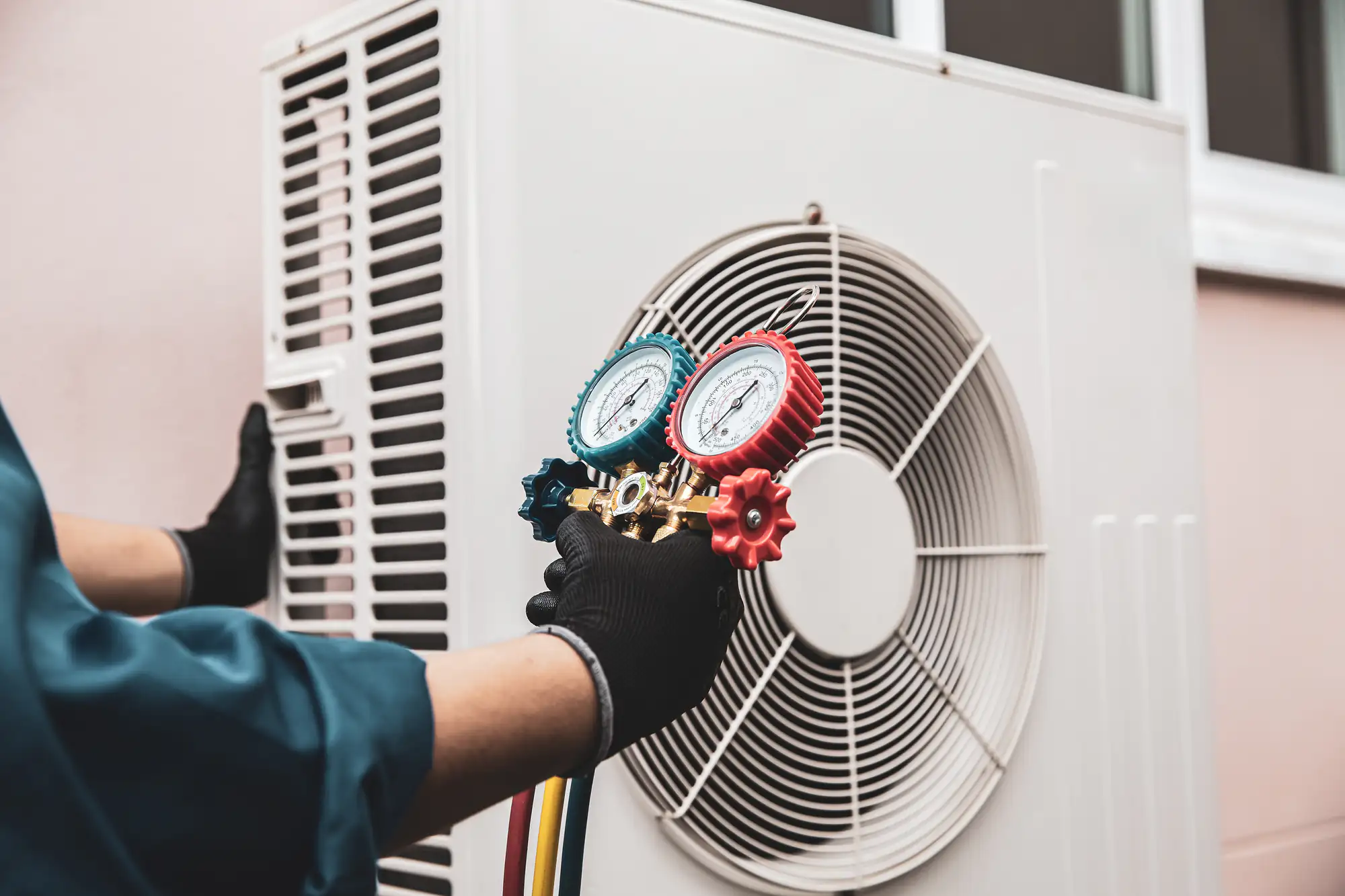
The visit starts with a full visual inspection the boiler unit itself, the piping, the connections, and any visible signs of corrosion, wear, or damage. In homes built in the 1960s and 70s, which make up a significant portion of North Amityville’s housing stock, this inspection step matters more than it does in newer construction. Older systems can develop issues that aren’t obvious until someone’s actually looking for them.
From there, the heat exchanger, burners, and ignition system get cleaned. This is where soot and debris accumulate and where efficiency losses are most direct. A thin layer of buildup on the heat exchanger surface is enough to raise your flue gas temperature and reduce how effectively your boiler converts fuel to heat.
After the mechanical components are addressed, the flue itself gets inspected and cleaned the exhaust pathway from the boiler through the chimney. This is the part most HVAC companies and oil delivery services skip entirely, and it’s the part that matters most for both safety and efficiency in an oil-fired system.
The visit wraps with a combustion analysis, safety control testing, and a clear summary of what was found and what, if anything, needs attention. Routine boiler cleaning in North Amityville falls under standard maintenance and doesn’t require a Town of Babylon building permit though any liner installation or structural chimney work does, and we handle that too when it comes up. Most residential visits take one to two hours.
Ready to get started?
What separates a real boiler cleaning from a basic burner tune-up is scope. The oil delivery companies serving North Amityville do a solid job maintaining the mechanical unit. What they don’t do is clean the chimney flue, inspect the liner, or address the exhaust pathway that carries combustion gases out of your home. We cover all of it.
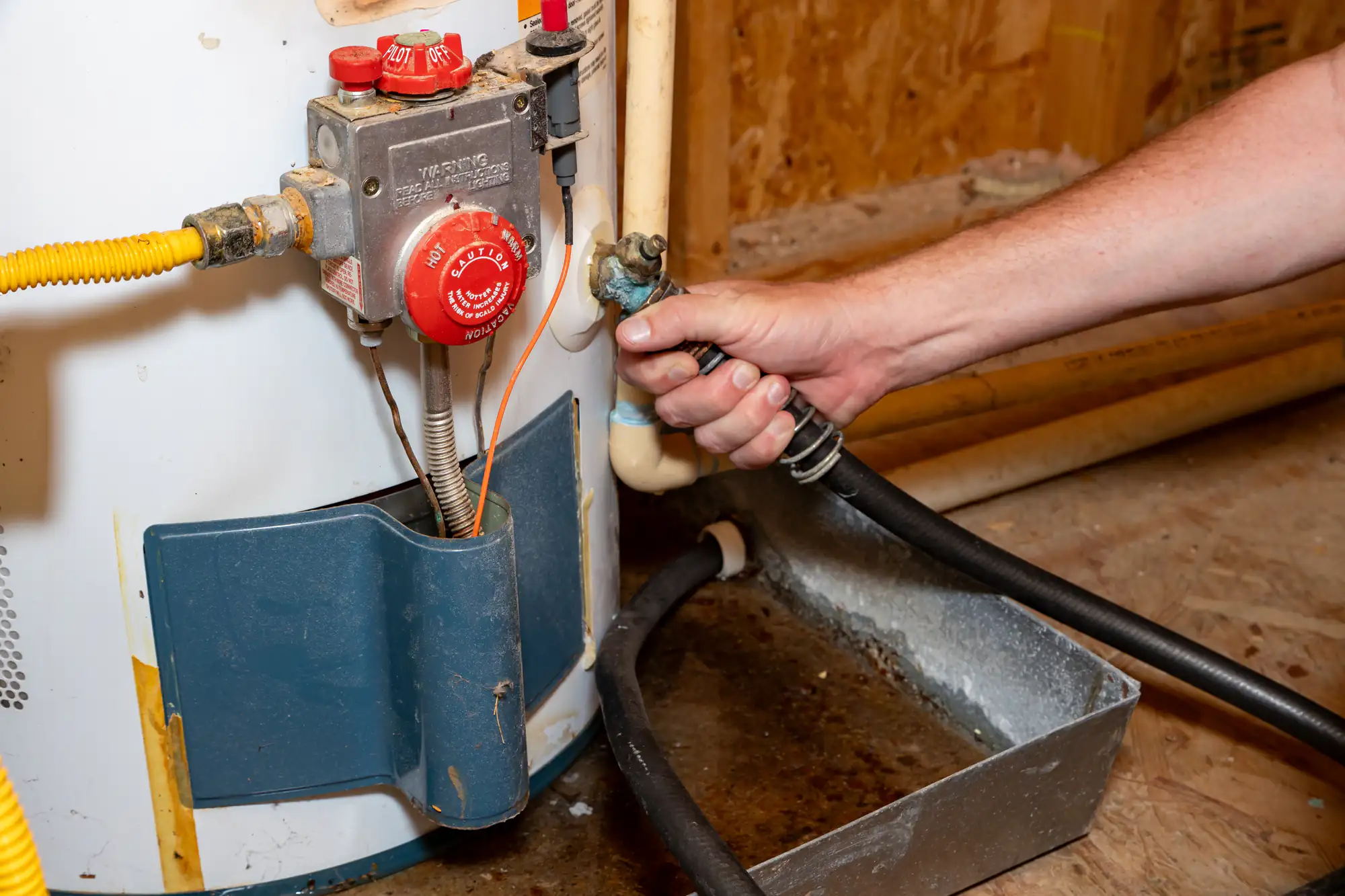
A complete boiler cleaning service from us includes inspection and cleaning of the heat exchanger, burners, and ignition system, along with a combustion analysis to verify that the air-to-fuel ratio is dialed in correctly. The flue is inspected for blockages, cracks, and debris including nests, which are a real issue in older masonry chimneys on the South Shore.
Safety controls are tested, pressure levels are verified, and the full system is checked from the basement to the chimney cap. If something needs repair, you’ll hear about it clearly and honestly before any additional work is discussed.
For North Amityville homeowners participating in the Town of Babylon’s Green Homes energy efficiency program, a clean and properly functioning boiler is foundational. You can’t optimize a heating system that’s running on a dirty flue and a clogged heat exchanger. We use only UL-listed materials on any components that get replaced or installed, which keeps everything up to code under Town of Babylon building requirements.
Yes, and this is one of the most common misconceptions among North Amityville homeowners who heat with oil. Your oil delivery company’s annual tune-up covers the mechanical unit the burner, the pump, the nozzle, the ignition system. That’s valuable maintenance, and you should keep doing it. But it doesn’t include the chimney flue that exhausts the combustion gases from that burner.
In an oil-fired system, the flue is where soot accumulates fastest, and it’s the part of the system most directly connected to both efficiency and carbon monoxide risk. Think of it this way: the oil company services the engine, and we service the exhaust system. Both matter. A North Amityville home with a well-tuned burner but a partially blocked or heavily sooted flue is still operating with reduced efficiency and elevated risk. The two services complement each other they don’t replace each other.
Once a year is the standard recommendation, and for most North Amityville homes, that timing makes sense. The South Shore winters here are real cold stretches in January and February push older boiler systems hard, and you want that system clean and tested before the season peaks, not during it. The ideal window for scheduling is late summer or early fall, before demand spikes and appointment slots fill up.
There’s also a practical financial reason to stay annual. Most boiler manufacturers require documented professional maintenance to keep the warranty valid. Skip a year, and you may find that a repair or replacement isn’t covered. For homes in North Amityville where the boiler is already aging many were installed in systems built in the 1960s and 70s staying current on maintenance is one of the few ways to extend the useful life of a system that would cost $5,500 to $15,000 to replace on Long Island.
A few things worth paying attention to: your heating bills are higher than they were last year without an obvious explanation, the boiler is running longer cycles to reach the same temperature, you’re noticing soot or dark residue around the boiler or flue connections, or you’re smelling something off when the heat kicks on. Any of these can point to buildup in the heat exchanger or a flue that’s not venting cleanly.
In older North Amityville homes particularly those with original masonry chimneys another common trigger is an oil delivery company flagging a problem during a routine service visit. They’ll notice something at the burner level but won’t be equipped to address the chimney side. That’s a clear signal to call us. Carbon monoxide detectors going off, even intermittently, should be treated as an immediate reason to get the system inspected not something to monitor and see.
Routine boiler cleaning and maintenance does not require a building permit from the Town of Babylon. You can schedule and complete the service without any permit paperwork involved. The visit is treated as standard maintenance, the same way you’d have your furnace filter changed or your plumbing inspected.
Where permits do come into play is if the inspection reveals that structural work is needed chimney liner installation or replacement, cap installation, or any masonry repair on the chimney itself. Those jobs require a permit under Town of Babylon building codes, and we handle that process when it comes up. Everything we install is UL-listed and brought up to code, which matters both for safety and for the integrity of your home’s value. If you’re participating in the Town of Babylon’s Green Homes energy efficiency program, permitted and code-compliant work is a requirement, not just a recommendation.
Yes. North Amityville is in Suffolk County, and Suffolk County has its own specific licensing requirements for chimney contractors separate from Nassau County and separate from a general New York State business license. We hold Suffolk County licensing, which is directly applicable to every residential and commercial property in North Amityville. This isn’t a technicality it’s a real distinction that affects your liability protection if something goes wrong during a service visit.
Beyond licensing, we carry full liability insurance and workers’ compensation coverage. Before any contractor works on your home, you’re entitled to ask for a Certificate of Insurance not just a verbal assurance. A company that hesitates on that request is a company worth reconsidering. We’re also recognized by both the BBB and Angie’s List with six consecutive years of awards, which gives you a track record that’s independently verified, not self-reported.
They’re related but not the same, and understanding the difference matters for North Amityville homeowners who heat with oil. Boiler cleaning focuses on the mechanical components of the heating unit itself the heat exchanger, burners, ignition system, and safety controls. Chimney cleaning focuses on the exhaust pathway the flue, liner, and chimney structure that carries combustion gases from the boiler out of your home. In a complete boiler cleaning service, both should be addressed together.
Most HVAC companies and plumbing contractors in the area service the boiler unit but stop there. They don’t have the chimney-specific expertise or equipment to inspect and clean the flue side of the system. Our background is in chimney work first, which means when we clean a boiler in North Amityville, we’re covering the full system not just the box in the basement. For a home with a 50-year-old masonry chimney connected to an oil-fired boiler, that distinction is exactly what separates a partial service from a complete one.
Other Services we provide in North Amityville